
Film
Guadalcanal Diary
A 1943 war film following American soldiers and a correspondent through the Guadalcanal campaign. It balances combat sequences with intimate character moments, treating the men involved as individuals rather than abstractions. For anyone interested in how Hollywood processed WWII in real time, or seeking classic-era ensemble war drama with genuine stakes.
Should you watch it?
Watch it if you enjoy wartime films built around a band of ordinary men and their everyday rhythms, where the camaraderie and the grind of campaign life matter more than battlefield spectacle.
Skip it if you want modern war-movie intensity, since this 1943 propaganda-era picture is talky, earnest and sentimental, with its heroics framed in an older, more patriotic style.
What it asks of you: Ninety-three minutes of patient, character-first storytelling with plenty of talk between the fighting, so settle in for a measured pace rather than constant action.
Not sure? Find tonight's pick in a minute.
If you liked this
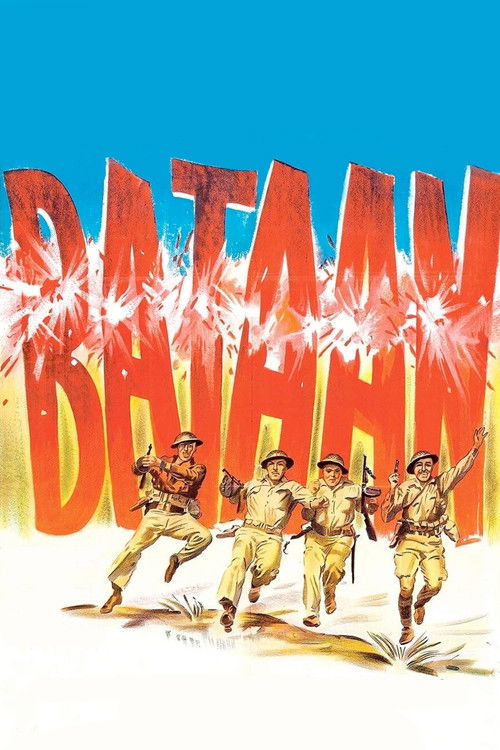
Bataan1943
Released the same year, this follows a doomed patrol in the Philippines with the same focus on individual soldiers and their relationships. It's grittier and more pessimistic, showing combat fatigue and moral compromise.
But The plot is essentially men dying one by one in a slow retreat, which can feel repetitive. The pacing drags in the middle.
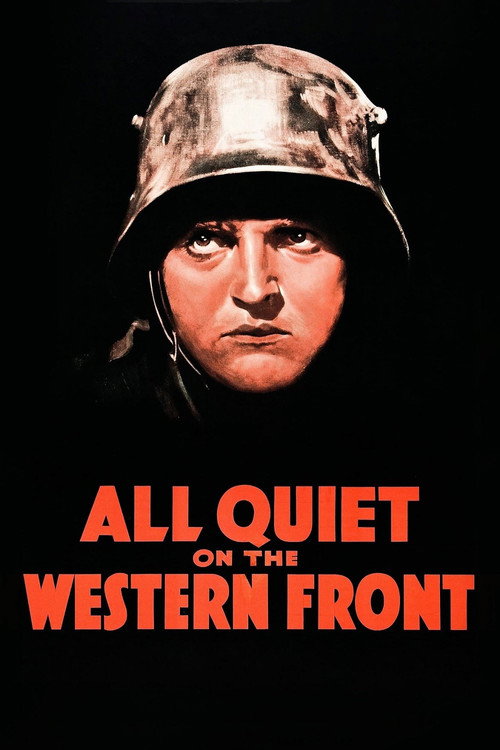
All Quiet on the Western Front1930
The definitive anti-war film from an earlier era, following young soldiers from enlistment through disillusionment. It has the same ensemble structure and focus on humanity over heroics.
But It's a German perspective on WWI, which some find politically complicated. It's also deeply bleak—not entertainment in the conventional sense.
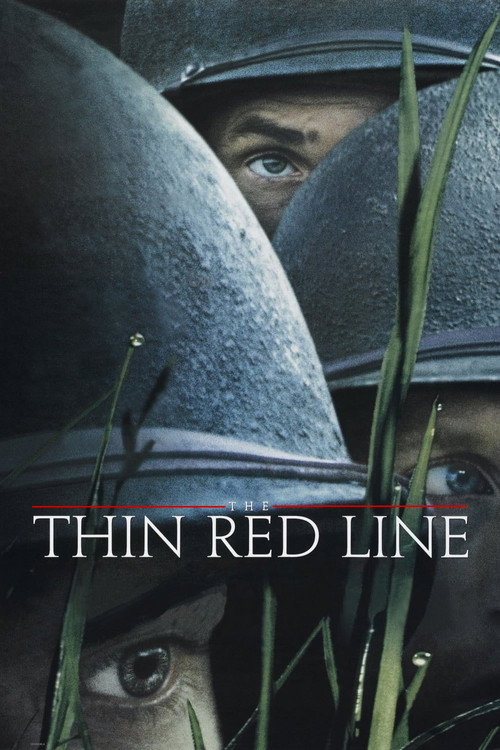
The Thin Red Line1998
Terrence Malick's Guadalcanal adaptation is meditative and philosophical, asking what war means. It's visually stunning and treats combat as both beautiful and horrifying.
But It's glacially paced and full of voiceover philosophy. If you want straightforward action, you'll find it frustrating.
Not sure tonight? Get a pick in a minute, starting from Guadalcanal Diary
The wildcard
Something you would not have found on your own.
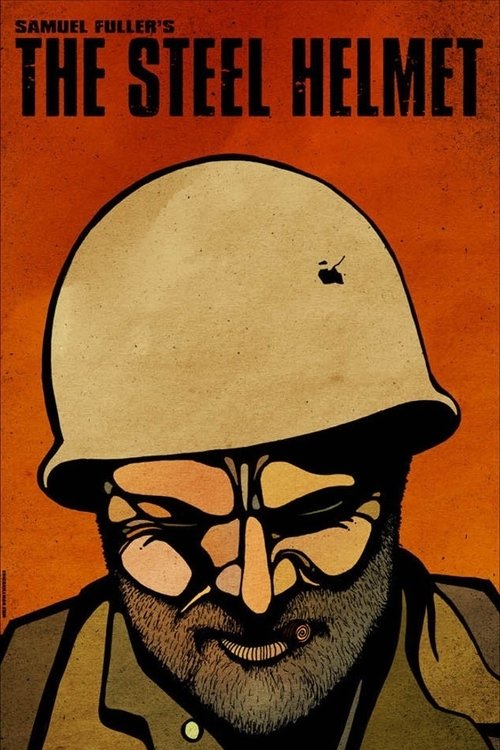
The Steel Helmet1951
Both are ensemble war films made close to the events they depict, focusing on ordinary soldiers rather than commanders. Both treat the military unit as a complicated family with class and racial tensions.
Sam Fuller's Korean War film uses the same ensemble structure as Guadalcanal Diary but with a cynical, almost noir sensibility. It's less about the war as grand narrative and more about survival and small betrayals.
But It's choppy and low-budget, shot in three weeks. The editing is jarring by design, which some find amateurish.
More like this (7)
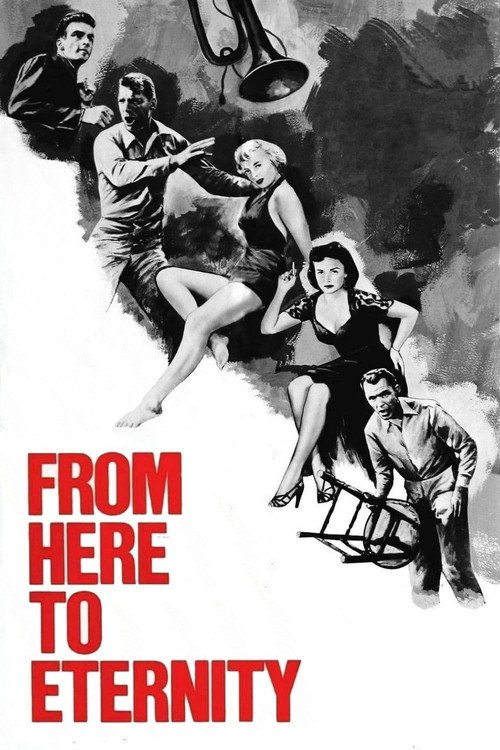
From Here to Eternity1953
Set in Hawaii before and after Pearl Harbor, it interweaves military life, romance, and the shock of war. The ensemble cast is phenomenal and the emotion is earned.
But The first half is slow soap opera before the war arrives. Some of the gender politics feel dated.
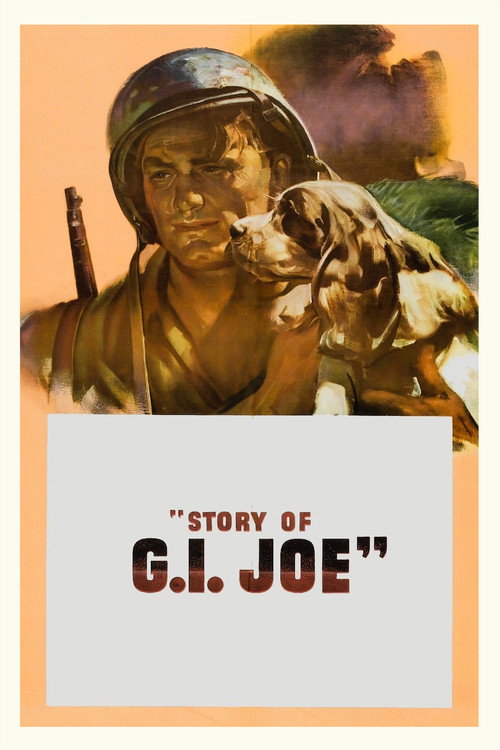
Story of G.I. Joe1945
A journalist embeds with frontline troops, just like Guadalcanal Diary's frame. It's tender without being soft, showing both camaraderie and the wear of combat.
But It's understated to the point of quietness. If you're expecting action set pieces, you'll be disappointed.
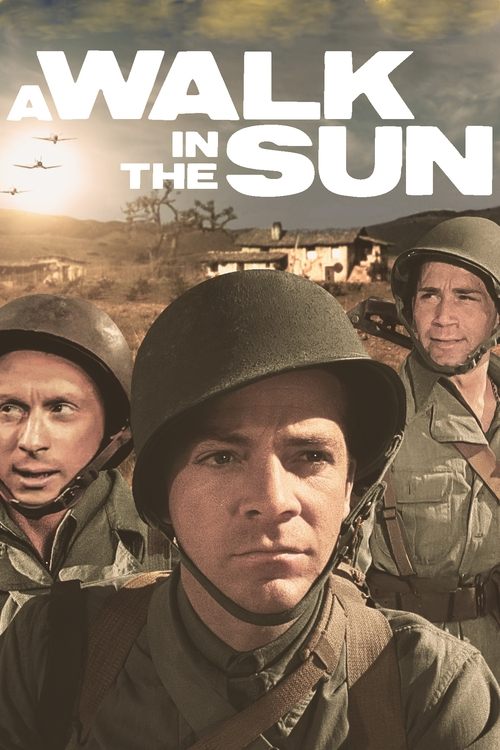
A Walk in the Sun1945
One day, one company, one objective in Italy. It captures the mundane terror of combat and the relationships that sustain soldiers. The dialogue feels lived-in.
But Almost nothing happens by conventional plot standards. It's a mood film, and moods aren't for everyone.
Come and See1985
A devastating Soviet film about a boy soldier in WWII. It shares Guadalcanal Diary's interest in the personal cost of war but goes to places the 1943 film couldn't.
But It's harrowing and graphic in ways designed to traumatize the viewer. This is not cathartic entertainment.

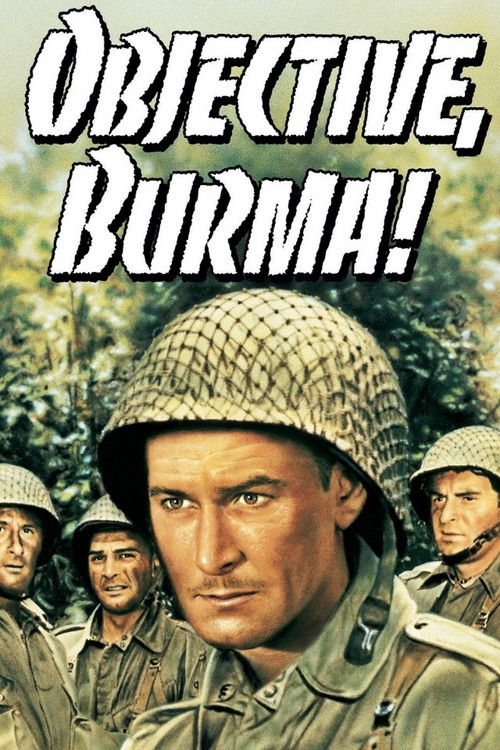
Objective, Burma!1945
Another 1945 ensemble war film with strong action sequences and character focus. Errol Flynn leads a commando raid with genuine tension and surprising depth.
But The pacing is uneven and it slides into propaganda. Flynn's swashbuckling persona undercuts some dramatic moments.
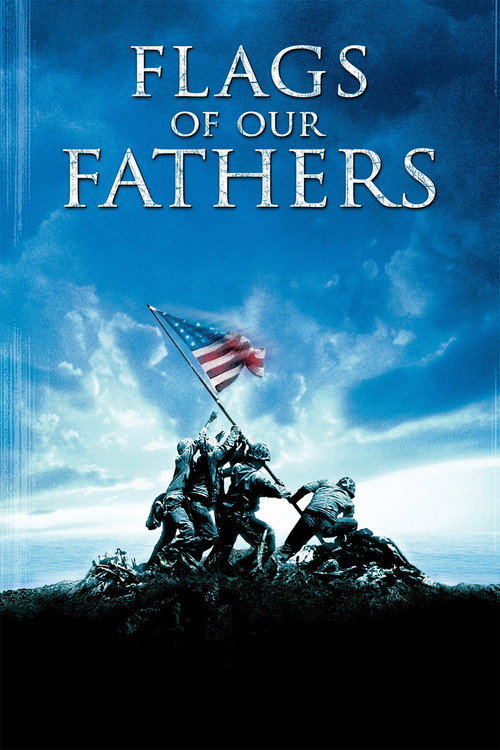
Flags of Our Fathers2006
Both examine how war is experienced and remembered by the men who lived it, not as history but as personal loss. Both use an outsider perspective—in Guadalcanal a correspondent, in Flags a son trying to understand his father.
Clint Eastwood's film follows soldiers home after Iwo Jima, asking what happens when the war ends but the trauma doesn't. It's a companion piece—not combat but aftermath, using multiple timelines to show how stories get rewritten.
But It's deliberately unglamorous and the narrative structure is complex. You need to stay with it; it doesn't hold your hand.
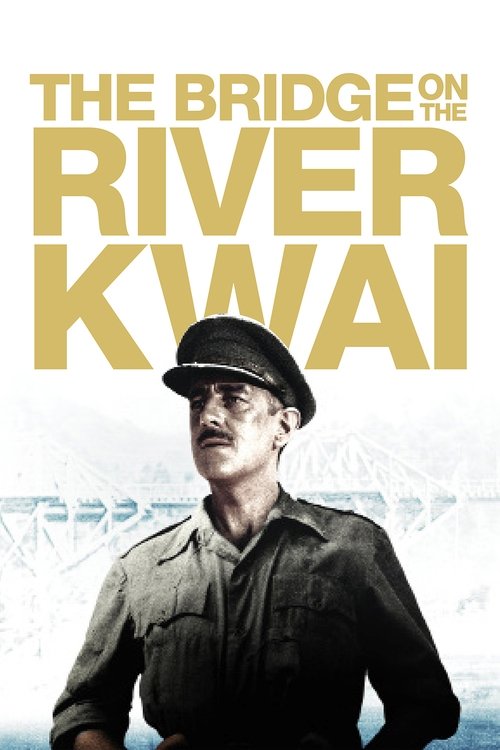
The Bridge on the River Kwai1957
Both are ensemble pieces about men bonding under impossible circumstances, and both suggest that the real enemy is often the system itself—whether military command or captivity. Both use specific locations as almost characters in themselves.
An epic but deeply character-driven story about POWs building a bridge for their Japanese captors. It's war film as moral philosophy, asking whether duty to orders overrides duty to survive.
But It's long, British, and the ethical questions it raises don't have neat answers. The ending is ambiguous in a way that bothers people looking for closure.
People
Cast
 Preston FosterFather Donnelly
 Lloyd NolanSgt. Hook Malone
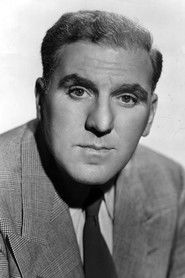 William BendixCorp. Taxi Potts
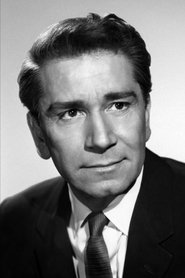 Richard ConteCapt. Davis
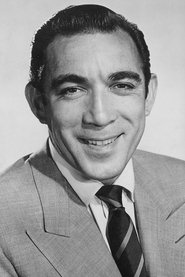 Anthony QuinnJesus ('Soose') Alverez
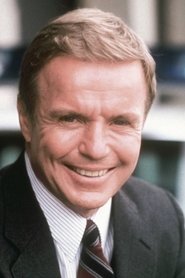 Richard JaeckelPvt. Johnny ('Chicken') Anderson
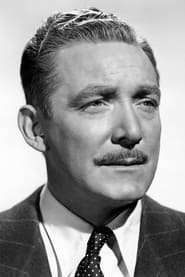 Roy RobertsCapt. Jame Cross
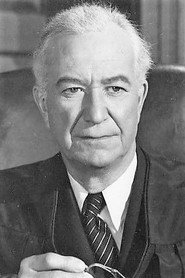 Minor WatsonCol Wallace E. Grayson
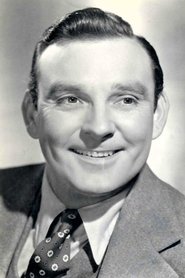 Ralph ByrdNed Rowman
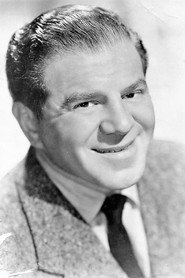 Lionel StanderSgt. Butch
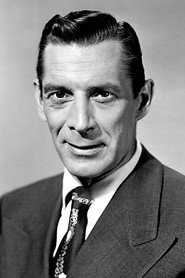 Reed HadleyWar Correspondent/ Narrator
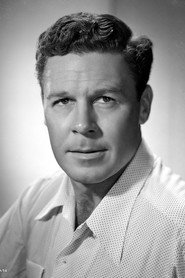 John ArcherLt. Thurmond
Directing
- Lewis SeilerDirector
Writing
- Jerome CadyAdaptation
- Richard TregaskisNovel
- Lamar TrottiScreenplay
Production
- Bryan FoyProducer
- Islin AusterProducer