
Film
The Fighting Seabees
A 1944 wartime drama about construction workers pressed into military service as the Navy's newly formed Seabees—men trained to build airfields and fortifications under fire in the Pacific. It's a blend of action and workplace camaraderie, celebrating unglamorous labor as essential warfare. John Wayne leads a cast of gruff, practical men learning to fight alongside their tools.
Should you watch it?
Watch it if you enjoy old-fashioned wartime studio pictures where rousing camaraderie, romance and hard-working men building things under fire carry more weight than realism, and you like a hero who is all bluster and bravado.
Skip it if you want a gritty, grounded look at combat or a modern pace; this one is brisk and buoyant, with stagey dialogue and patriotic sentiment that can feel broad to a present-day viewer.
What it asks of you: A hundred minutes of easy-going studio storytelling, mostly talk and teamwork with action arriving in bursts, so it asks little beyond a willingness to accept its 1940s tone.
Not sure? Find tonight's pick in a minute.
If you liked this
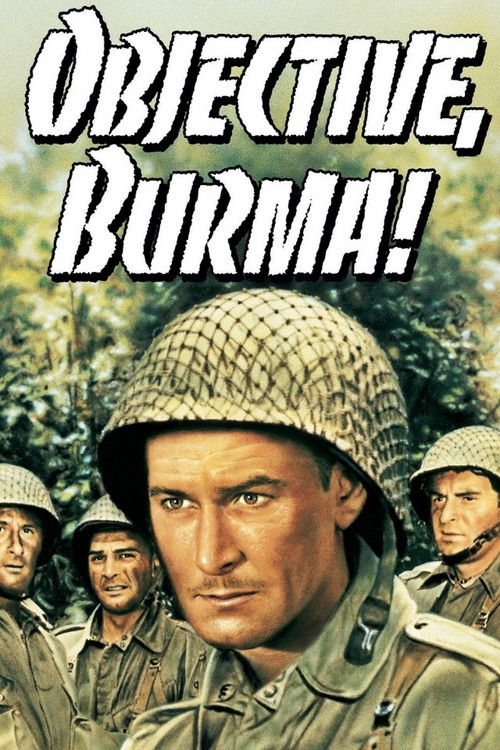
Objective, Burma!1945
Raoul Walsh's other 1944 Pacific action film has the same kinetic energy and practical heroism. Errol Flynn leads soldiers through dense jungle terrain with stunning location work and real combat urgency that matches The Fighting Seabees' ethos.
But The pacing is relentless—some find it exhausting rather than thrilling. It's also a product of its time regarding Japanese portrayal.
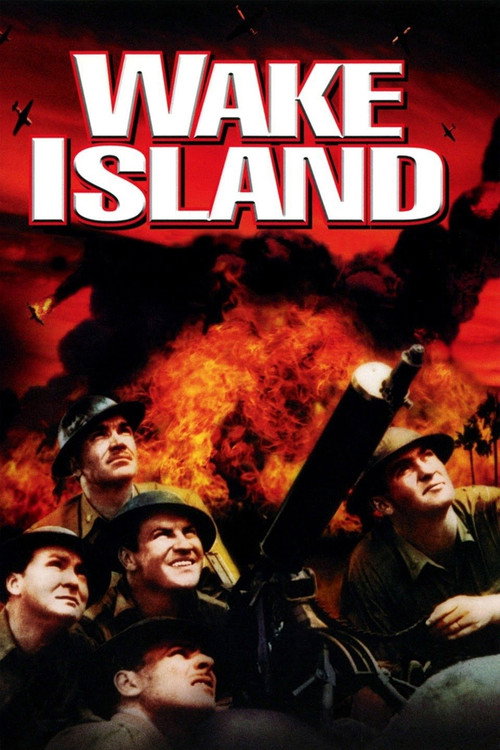
Wake Island1942
A taut siege drama about American soldiers holding an island against impossible odds. Like Seabees, it values everyday courage over heroics, mixing character work with authentic military procedure and genuine tension.
But The action is sparse and confined. Long stretches focus on waiting and worry rather than spectacle, which can feel slow.
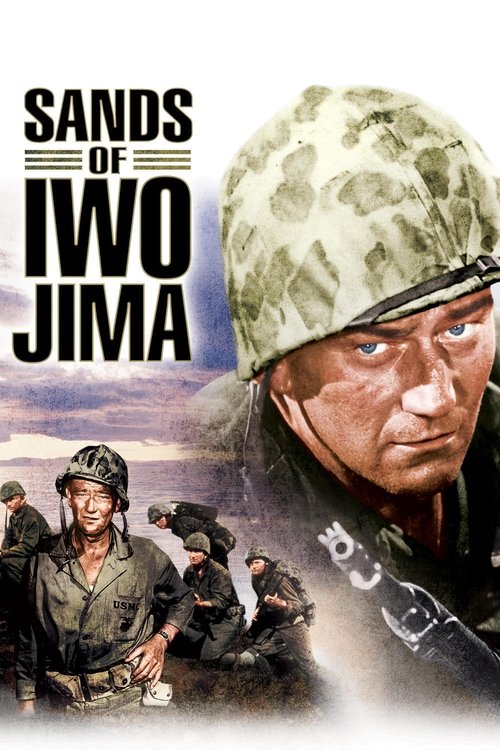
Sands of Iwo Jima1950
John Wayne again, this time as a drill sergeant forging Marines into fighters. It has the same blend of tough-guy camaraderie, practical training sequences, and island combat. Allan Dwan directs with muscular clarity.
But It's a postwar film with a glossy sheen that softens some of the grittiness. The character arcs are somewhat predictable.
Not sure tonight? Get a pick in a minute, starting from The Fighting Seabees
The wildcard
Something you would not have found on your own.
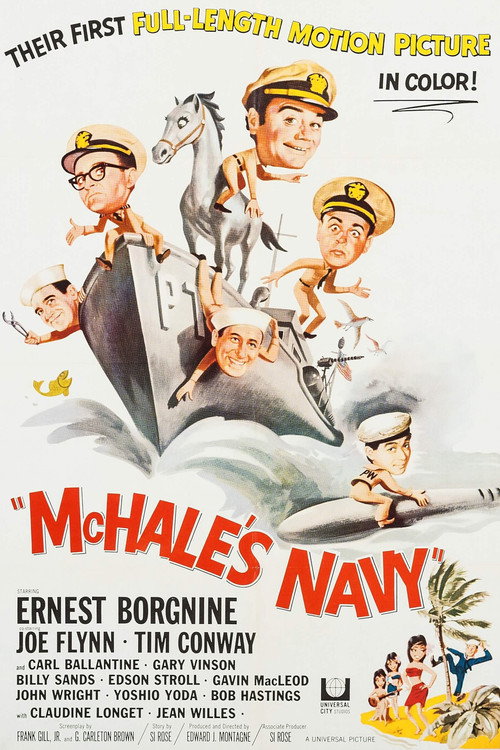
McHale's Navy1964
Both films celebrate working-class military competence and the power of informal leadership over protocol.
Ernest Borgnine leads a crew of misfits running a PT boat with improvisation and humor rather than discipline. It's tonally the opposite of Seabees—breezy and comedic—but it shares the core belief that ordinary men with practical skills can solve military problems through ingenuity and teamwork.
But It's a broad sitcom-style comedy that treats war as backdrop for wisecracks. If you want seriousness, the constant gags will feel frivolous.
More like this (8)
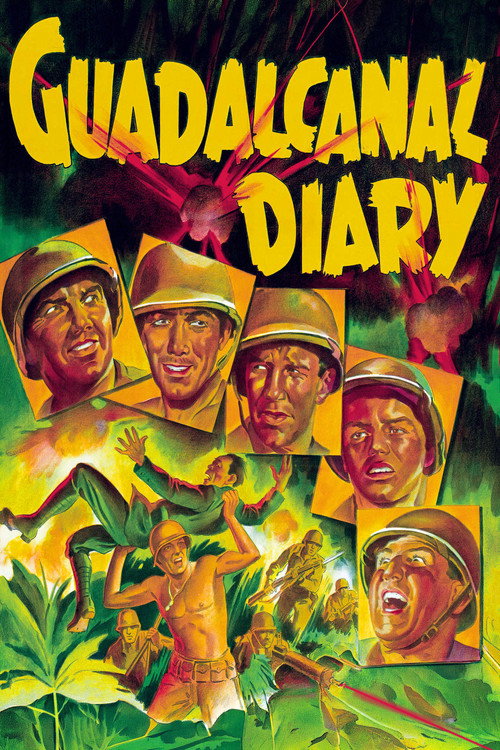
Guadalcanal Diary1943
An ensemble war film that echoes The Fighting Seabees' focus on working men—reporters, soldiers, mechanics—thrown into combat. It has documentary authenticity mixed with human drama, based on real accounts.
But The episodic structure means no single character gets deep development. Some scenes feel theatrical and dated.
Thirty Seconds Over Tokyo1944
Spencer Tracy and Van Johnson star in this account of the Doolittle Raid. It shares Seabees' interest in how ordinary men prepare for extraordinary missions, with meticulous attention to procedure and team dynamics.
But It's quite long and methodical. The romance subplot feels obligatory and slows the narrative momentum.

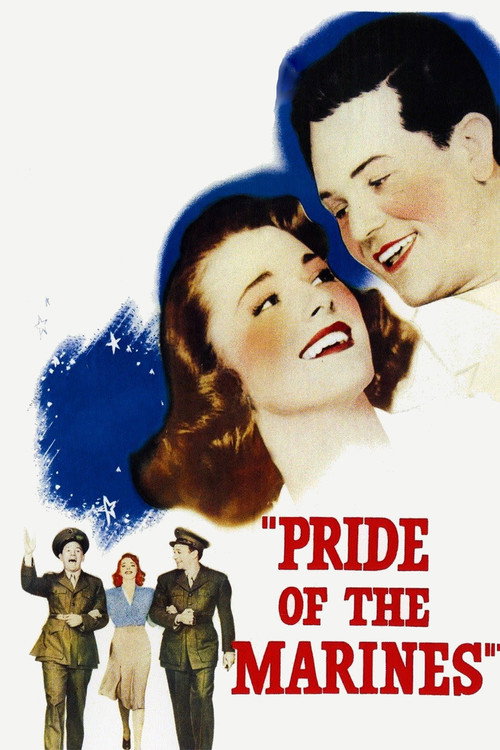
Pride of the Marines1945
John Garfield as a Marine blinded in combat learning to rebuild his life. It's a harder film than most wartime dramas, unflinching about trauma and disability while celebrating resilience and solidarity.
But The tone is deliberately bleak in places. The romance feels secondary, and some may find the social messaging heavy-handed.
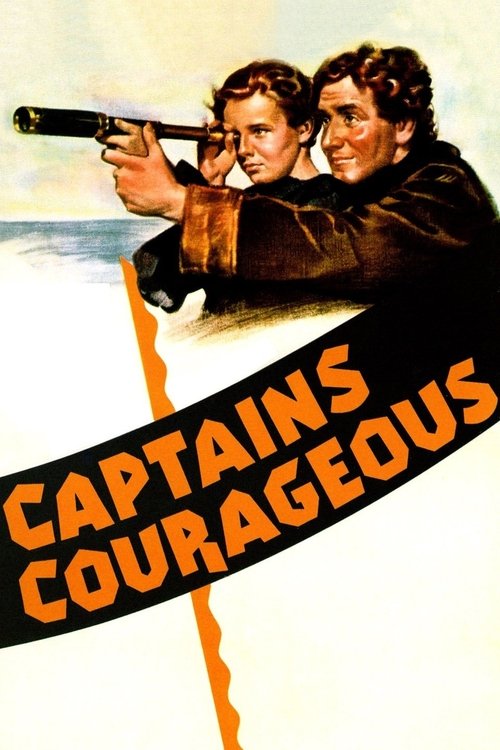
Captains Courageous1937
Not a war film, but it shares Seabees' DNA: Spencer Tracy as a tough, principled working man who shapes young men through labor and direct example. It's about learning a craft and finding your place in a hierarchy.
But It's a period piece about fishing rather than combat. The pacing is leisurely, and some sentiment feels cloying by modern standards.
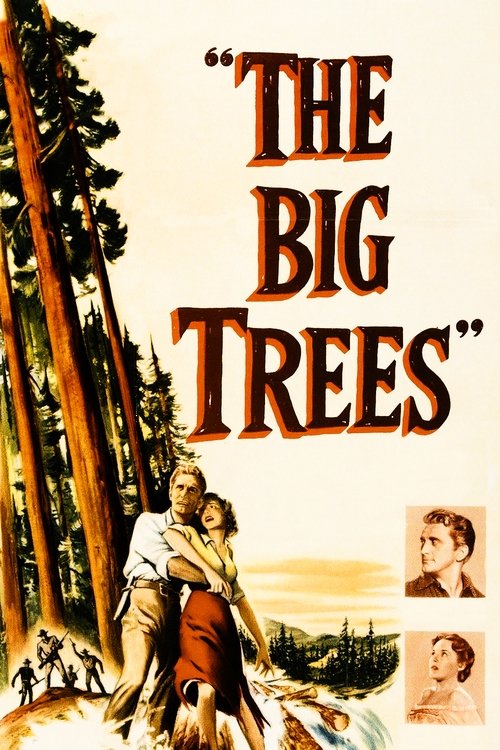
The Big Trees1952
Kirk Douglas as a logger leading men through dangerous work in the Old West—essentially The Fighting Seabees with redwoods instead of runways. It values skilled labor, loyalty, and practical leadership over flash.
But It's a lesser-known western that feels slight compared to its premise. The plot mechanics are fairly creaky and predictable.
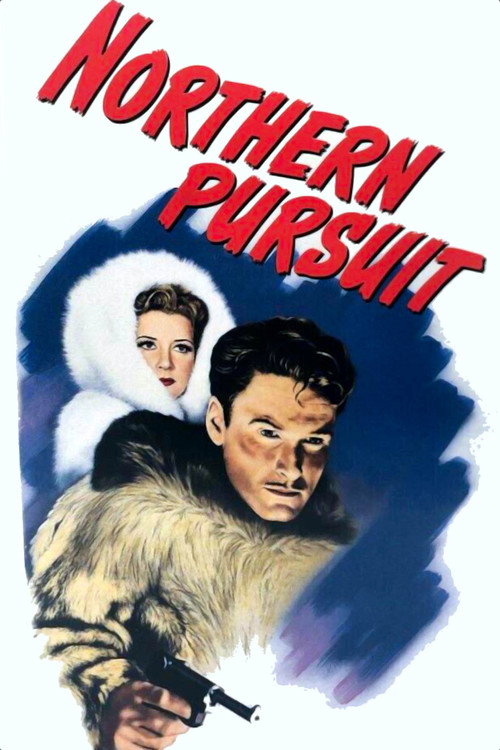
Northern Pursuit1943
Errol Flynn in a Canadian wartime thriller about a Mountie hunting Nazi spies. It has the same 1940s efficiency and action, with practical heroism and competent direction, though on a smaller canvas.
But It's a low-budget B-picture that shows its constraints. The plot is relatively formulaic and the stakes feel smaller.
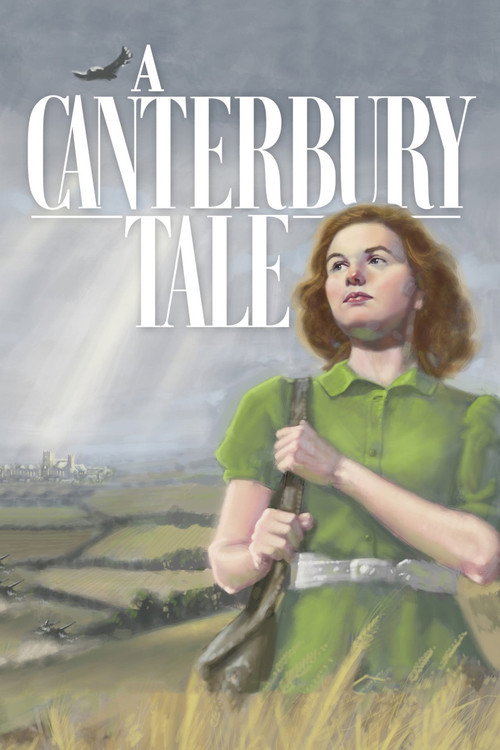
A Canterbury Tale1944
Both films, made in 1944, find nobility in unglamorous wartime labor and suggest that building or maintaining infrastructure is as heroic as combat itself.
Powell and Pressburger's cryptic 1944 British film about soldiers and a land girl in Kent, blending magical realism with wartime labor and community. It's contemplative and deeply strange, finding spiritual purpose in ordinary contribution to the war effort—Seabees' theme refracted through myth.
But It's oblique and dreamlike with narrative logic that refuses to clarify itself. Viewers expecting plot will be frustrated by its elliptical tone.
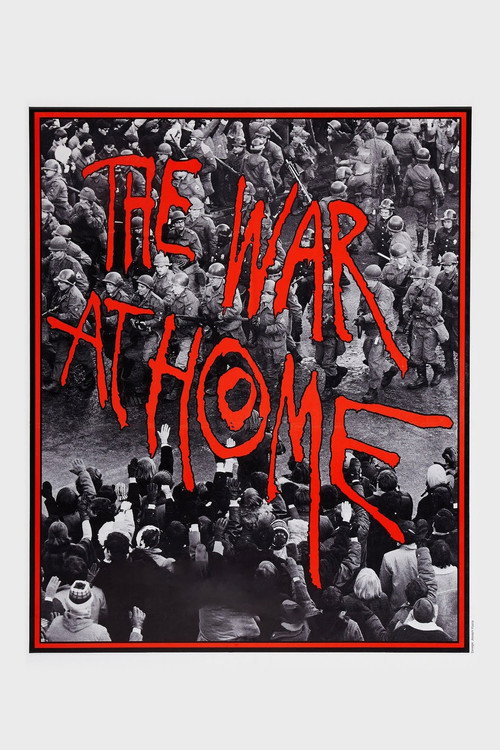
The War at Home1979
Both examine how Americans define patriotism and duty when institutions are questioned; Seabees affirms institutional loyalty while Home interrogates it.
A documentary about the anti-war movement in Madison, Wisconsin during Vietnam. It shares no surface with Seabees, but it's a portrait of ordinary Americans under pressure, forced to choose between competing visions of duty and patriotism—the same moral tension underneath Seabees' action.
But It's a documentary about Vietnam-era protest. If you're watching for action or escapism, it's the opposite—difficult, confrontational, with no resolution.
People
Cast
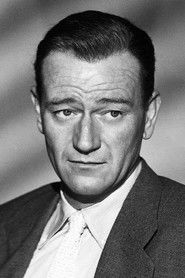 John WayneLt. Cmdr. Wedge Donovan
 Susan HaywardConstance Chesley
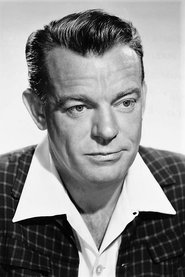 Dennis O'KeefeLt. Cmdr. Robert Yarrow
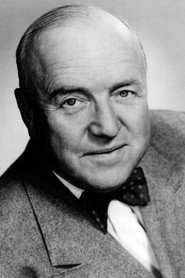 William FrawleyEddie Powers
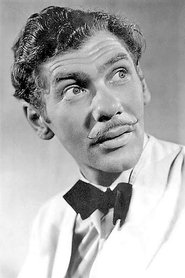 Leonid KinskeyJohnny Novasky
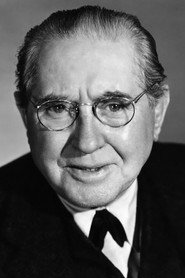 J.M. KerriganSawyer Collins
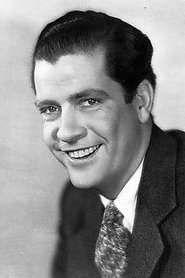 Grant WithersWhanger Spreckles
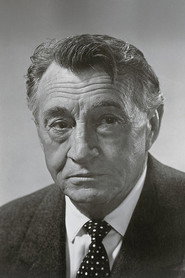 Paul FixDing Jacobs
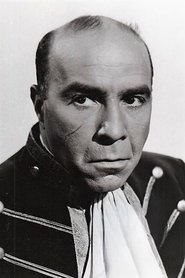 Ben WeldenYump Lumkin
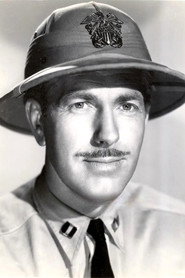 William ForrestLt. Tom Kerrick
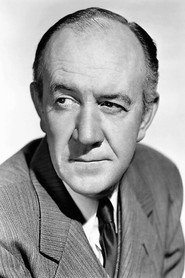 Addison RichardsCapt. Joyce
- Jay NorrisJoe Brick
Directing
- Edward LudwigDirector
Writing
- Aeneas MacKenzieScreenplay
- Borden ChaseScreenplay
- Borden ChaseStory