
Film
Wake Island
Wake Island is a lean 1942 war drama about a doomed garrison of Marines defending a Pacific outpost against overwhelming Japanese forces. It's a tightly wound siege film made while the war was still raging, with the urgency and moral weight of something created in real time. For anyone drawn to the grind of military duty or the quiet dignity of men facing impossible odds.
Should you watch it?
Watch it if you like wartime films built around a stubborn group of men doing a hard job with plain dignity, where the camaraderie and the grind of an outnumbered defense matter more than battlefield spectacle.
Skip it if you want constant action, since much of this is talk, waiting and tense planning in one small setting moving at a steady, deliberate pace.
What it asks of you: Settle in for a brisk eighty-seven minutes, with patience for slow setup and a plainspoken, earnest tone that favors duty and mood over sharp characterization.
Not sure? Find tonight's pick in a minute.
If you liked this
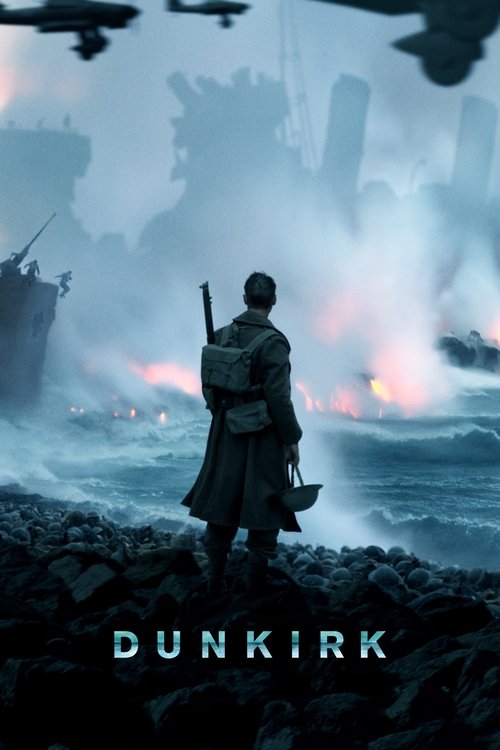
Dunkirk2017
Christopher Nolan's visceral account of soldiers trapped on a beach facing annihilation. Like Wake Island, it finds heroism in survival and retreat rather than victory, built on mounting dread and the sounds of warfare.
But The non-linear timeline can feel clever and distancing; some find the constant noise exhausting rather than immersive.
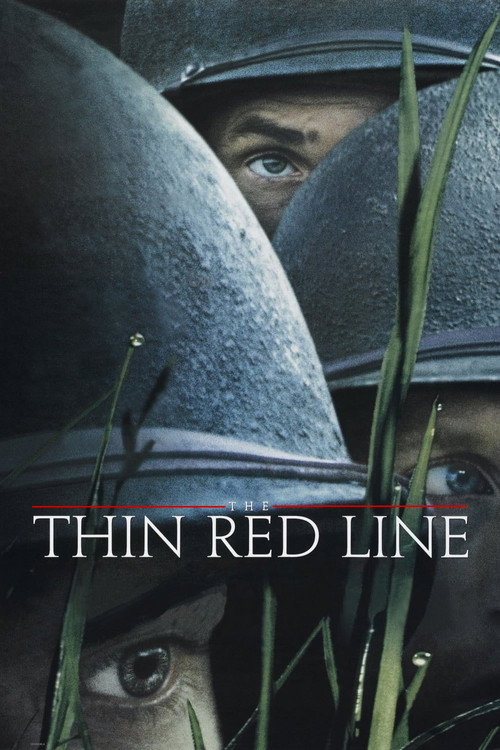
The Thin Red Line1998
Terrence Malick's meditation on the Guadalcanal campaign, where combat is interruption to philosophical reverie. A portrait of soldiers caught between nature, mortality, and institutional machinery—serious without pomp.
But Deliberately paced and introspective; the narrative dissolves into mood and voice-over. If you want plot momentum, you'll be frustrated.
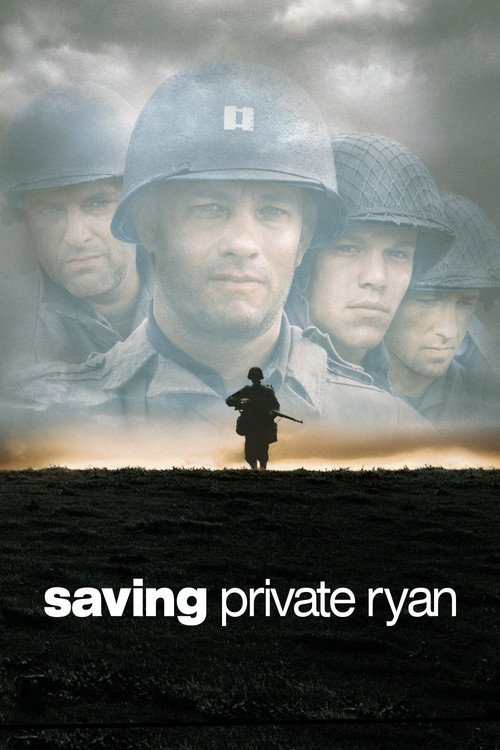
Saving Private Ryan1998
Spielberg's D-Day assault is kinetic and unglamorous, centering the disorientation and cost of combat. The soldiers feel like particulars, not symbols—scared men doing a job in conditions that don't care about heroism.
But The opening sequence is so visceral it can overshadow everything that follows. Some find the final act's sentiment overwrought.
Not sure tonight? Get a pick in a minute, starting from Wake Island
The wildcard
Something you would not have found on your own.
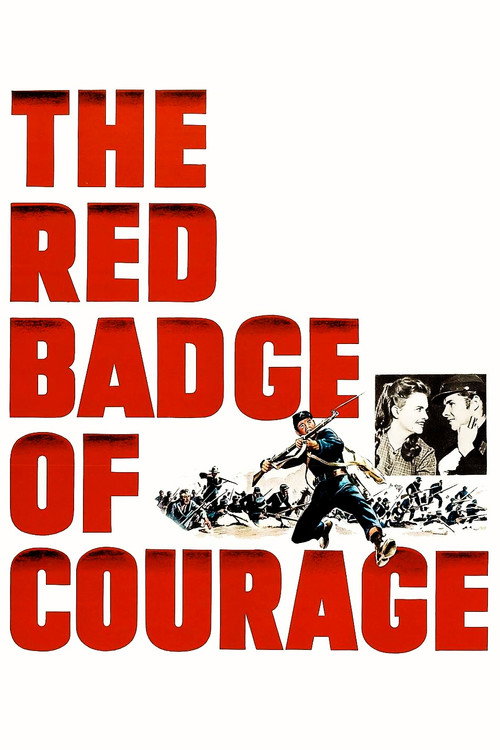
The Red Badge of Courage1951
Both films make the soldier's consciousness the battleground. Wake Island shows men holding position; Red Badge shows a man shattering internally while standing still. Same siege, different interior.
John Huston adapts Stephen Crane's Civil War novel about a young soldier's interior collapse under fire. It's a fever dream of fragmented imagery and sound—war as psychological disintegration rather than plot. Made decades before the war it depicts, it finds something Wake Island couldn't: the texture of a man's mind breaking.
But Visually experimental and often cryptic; it reads more like Crane's prose translated to image than a conventional narrative. Some find it pretentious or simply opaque.
More like this (8)
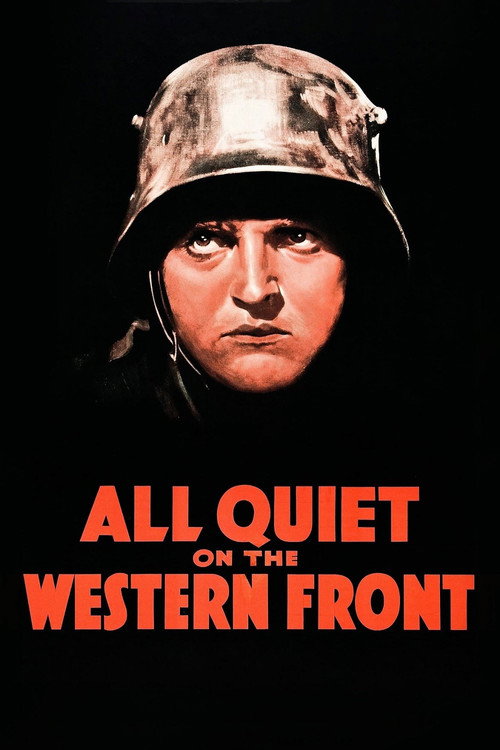
All Quiet on the Western Front1930
Lewis Milestone's antiwar masterpiece tracks young soldiers from enlistment to the trenches. Like Wake Island, it was made close to its subject, with an authenticity that doesn't require distance to sting.
But It's bleak and offers no comfort. The pacing and dialogue feel dated if you're not attuned to early sound cinema.
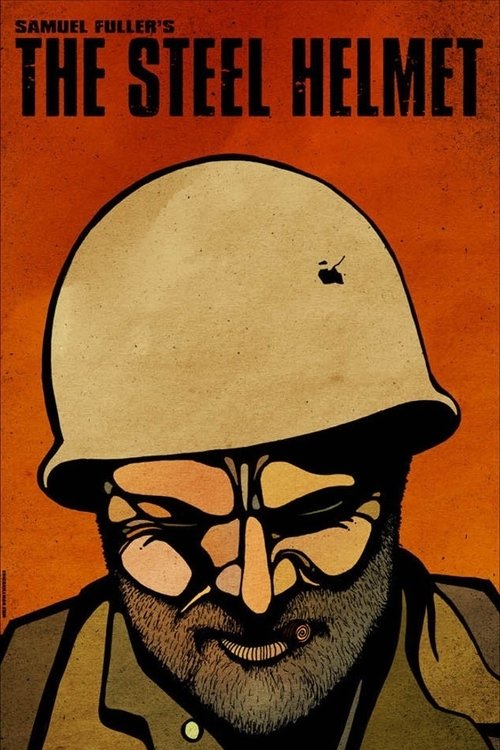
The Steel Helmet1951
Sam Fuller's Korean War film about a sergeant and his squad in a Buddhist temple. Bare-bones and specific, it finds humanity and fracture in a small unit under siege, with Fuller's documentary clarity.
But Made on a shoestring with minimal action sequences. The intimacy it aims for can feel claustrophobic or slow if you're expecting combat spectacle.
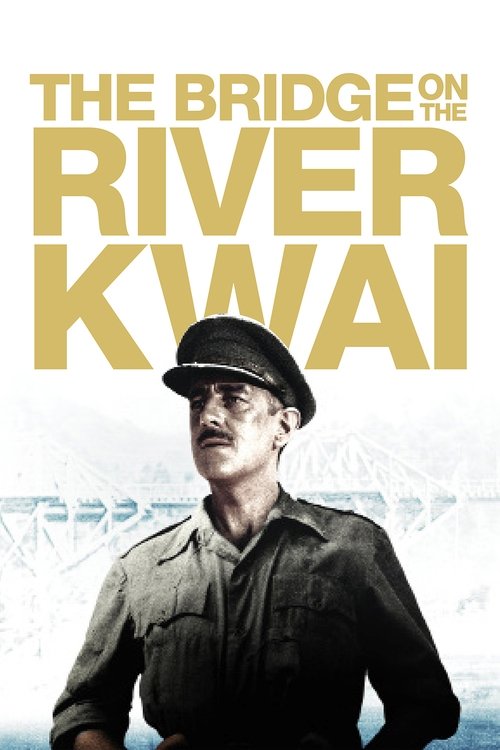
The Bridge on the River Kwai1957
David Lean's epic about prisoners of war building a railway for their Japanese captors. It mirrors Wake Island's theme of duty persisting after defeat, and asks whether honor survives when circumstances are beyond control.
But Three and a half hours, and the heroic finale can feel at odds with the film's own cynicism about military pride.
Come and See1985
Elem Klimov's Russian film tracks a boy conscripted into the Red Army during WWII and the apocalyptic ruin he witnesses. Unflinching about what war does to those inside it, with an intensity that rewires your expectations.
But It is horrifying and relentless. Not a film you 'enjoy'—it's an ordeal by design, which is precisely the point.

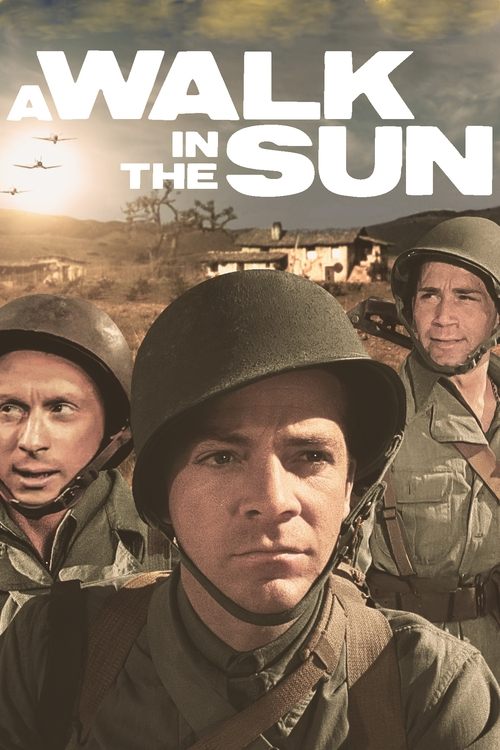
A Walk in the Sun1945
Lewis Milestone's 1945 film follows an Army platoon through a single day in Italy. It's almost procedural in its focus—the boredom, the small frictions, the waiting between moments of terror.
But Very little happens and even less is resolved. If you need a clear story arc or rousing finale, this will feel slight.
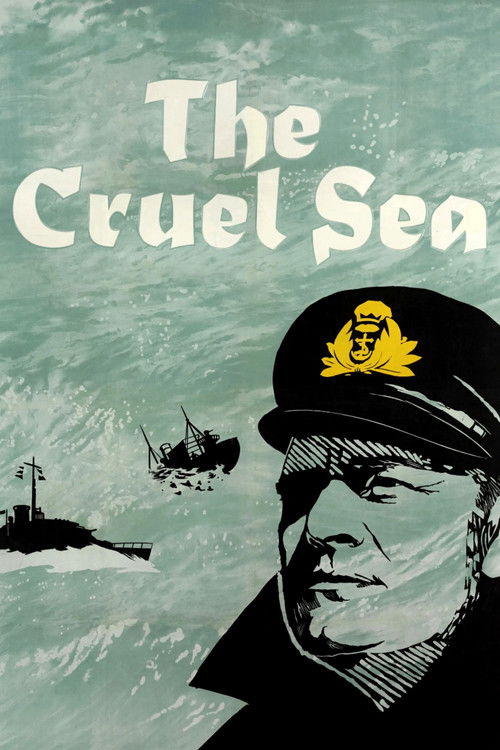
The Cruel Sea1953
Charles Frend's British naval drama about a corvette and its crew in the Atlantic. It captures the grinding professionalism and exhaustion of prolonged conflict, with men bonded by repetition and shared threat.
But Episodic and understated; the pacing is deliberate rather than propulsive. Some sequences feel more like documentary than drama.
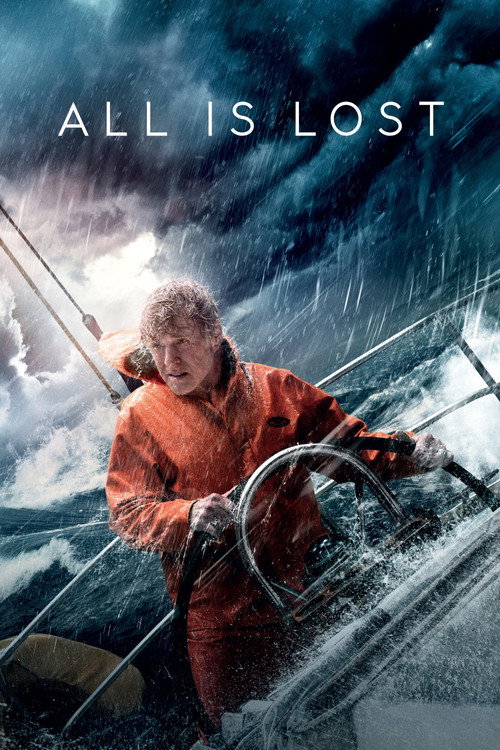
All Is Lost2013
Both films refuse to sentimentalize loss. A small force against overwhelming odds with no reinforcements coming—Wake Island knows this, and so does the man alone on the ocean.
J.C. Chandor's film of a man alone at sea fighting an ocean indifferent to his survival. Nearly silent, mechanically precise—it's a siege film where the enemy is circumstance and the opponent is the self. Like Wake Island stripped to its essence: endurance as the only available dignity.
But One actor, minimal dialogue, repetitive action. It's meditative to the point of being mute. Patience is not optional.
The Battle of Algiers1966
Both films are about asymmetrical warfare and how a force without air support or reinforcement wages conflict. Wake Island asks how you die with honor; Algiers asks how you fight when victory seems impossible. The geometry is the same; the sides are inverted.
Gillo Pontecorvo's documentary-style film of the Algerian independence struggle treats the FLN insurgency with the same moral clarity and tactical detail that earlier war films gave to Allied soldiers. It's a counternarrative—the besieged and resourceful, but fighting for liberation rather than holding ground.
But It's a political film about colonialism and resistance; if you watch only for action, you'll miss why it matters. Its influence on modern cinema can make it feel didactic on first viewing.

People
Cast
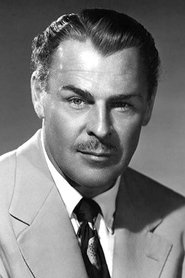 Brian DonlevyMaj. Geoffrey Caton
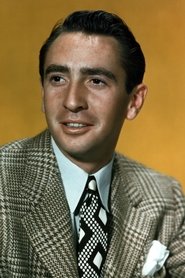 Macdonald CareyLt. Bruce Cameron
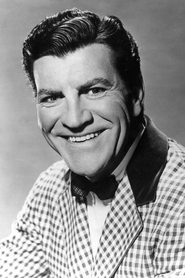 Robert PrestonPvt. Joe Doyle
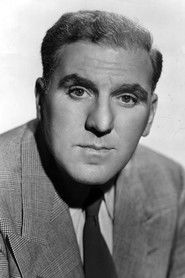 William BendixPvt. Aloysius K. "Smacksie" Randall
 Albert DekkerShad McClosky
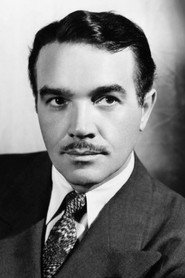 Walter AbelCmdr. Roberts
 Mikhail RasumnyIvan Probenzky
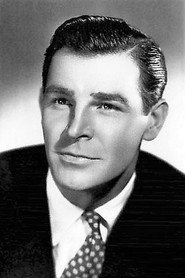 Rod CameronCapt. Pete Lewis
 Bill GoodwinSgt. Higbee / Narrator (voice)
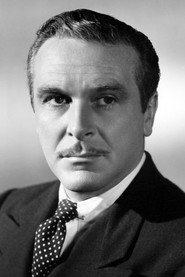 Damian O'FlynnCapt. Bill Patrick
 Frank AlbertsonJohnny Rudd
- Joyce ArleenCynthia Caton (uncredited)
Directing
- John FarrowDirector
Writing
- Frank ButlerScreenplay
- W.R. BurnettScreenplay
- W.R. BurnettStory
Production
- Ed RalphAssistant Production Manager
- Buddy G. DeSylvaExecutive Producer
- Joseph SistromProducer
Recommended by
The Fighting Seabees, The Story of Dr. Wassell, The Red Ball Express