
Film
The Red Ball Express
- Action
- Relentless
A 1952 war film about the Red Ball Express, the vital truck convoy that kept Patton's Third Army supplied during the rapid advance through France in 1944. It's a character-driven ensemble piece that treats logistics and teamwork as genuinely thrilling, with Sidney Poitier in an early role. Earnest, propulsive, and interested in how ordinary soldiers hold the line.
If you liked this
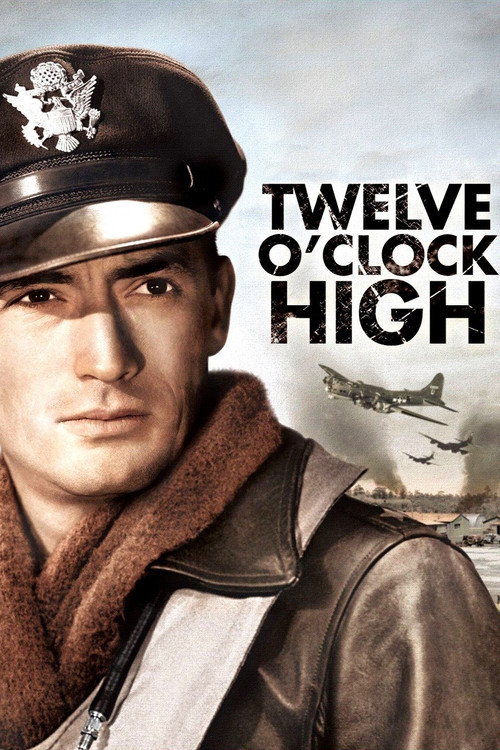
Twelve O'Clock High1949
Gregory Peck leads an air force bomber crew through the psychological and tactical toll of sustained combat. Like Red Ball Express, it finds drama in the machinery of war and the quiet heroism of keeping things running.
But The pacing is deliberate and the emotional beats land heavy. If you want explosions and quick cuts, this will feel slow.
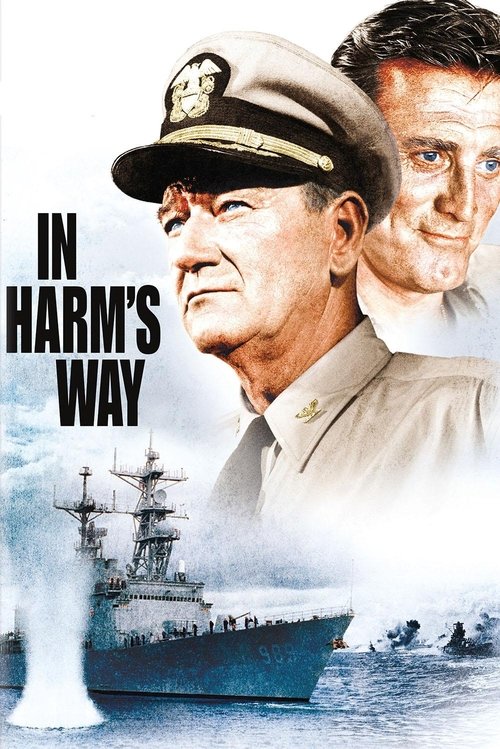
In Harm's Way1965
John Wayne and Kirk Douglas in a naval war film that cares about chain of command, difficult decisions, and men under pressure. Otto Preminger directs with the same attention to procedure and consequence.
But It's nearly three and a half hours, shot in black and white, and the romance subplot feels grafted on. Commitment required.
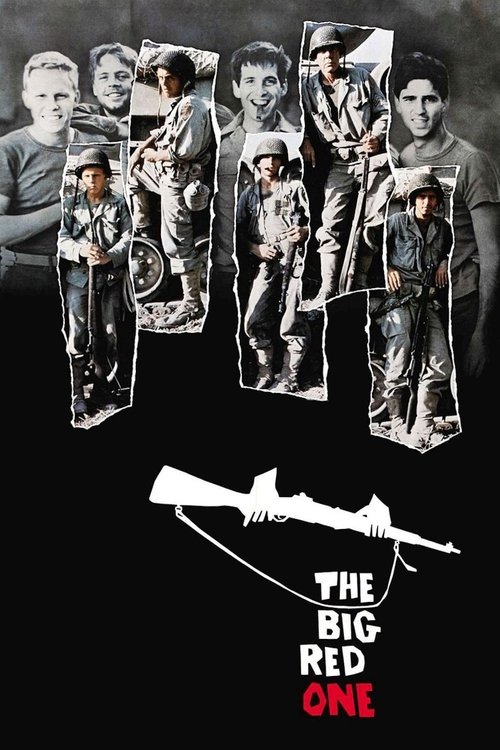
The Big Red One1980
Samuel Fuller's semi-autobiographical war film follows an infantry squad from North Africa to Berlin. Raw, unsentimental, focused on the texture of soldiering rather than heroic moments. Lee Marvin is unforgettable.
But The restoration is great but the film remains fragmented and loose. Some scenes feel unfinished, which either feels honest or feels incomplete depending on your mood.
Not sure tonight? Get a pick in a minute, starting from The Red Ball Express
The wildcard
Something you would not have found on your own.
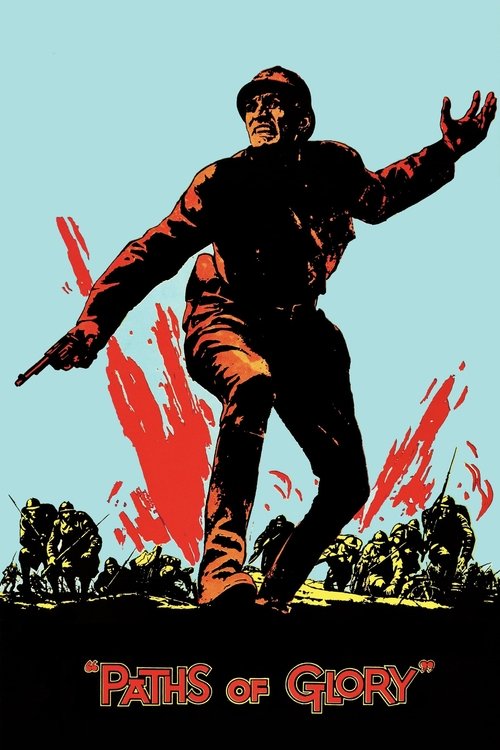
Paths of Glory1957
Both films find moral weight in the gap between what officers order and what soldiers actually do. Red Ball Express celebrates practical heroism; Paths of Glory shows what happens when the system breaks down. Two sides of the same coin.
Kubrick's masterpiece about a French general ordering a doomed attack and then court-martialing the survivors. It transforms the machinery of war into something nightmarish and absurd. Kirk Douglas is commanding.
But It is absolutely bleak about institutional cruelty and human failure. The final scene will stay with you in ways that might feel oppressive. Not cathartic.
More like this (7)
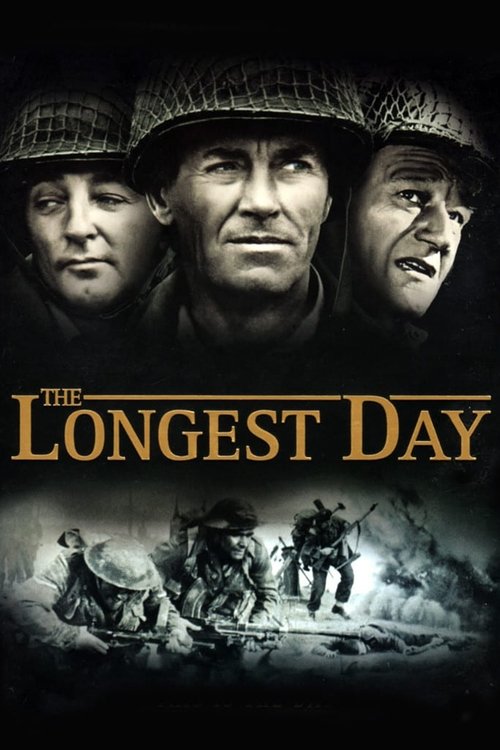
The Longest Day1962
Massive D-Day ensemble epic with a staggering cast. Treats the invasion as a coordinated feat of logistics and nerve across multiple fronts. Sprawling in the best sense—you feel the scope.
But At nearly three hours with a cast of dozens, it can feel like a procession. Character development takes a back seat to geography and spectacle.
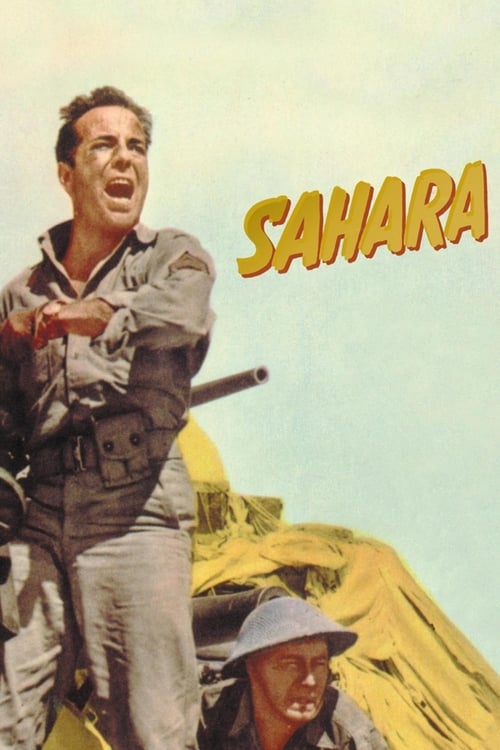
Sahara1943
Bogart and a multinational tank crew hold a desert position. It's taut, practical, and genuinely tense. The interplay between characters under pressure is what matters.
But It's a B-picture that shows its age. The dialogue can be corny and some of the racial attitudes are uncomfortable by modern standards.
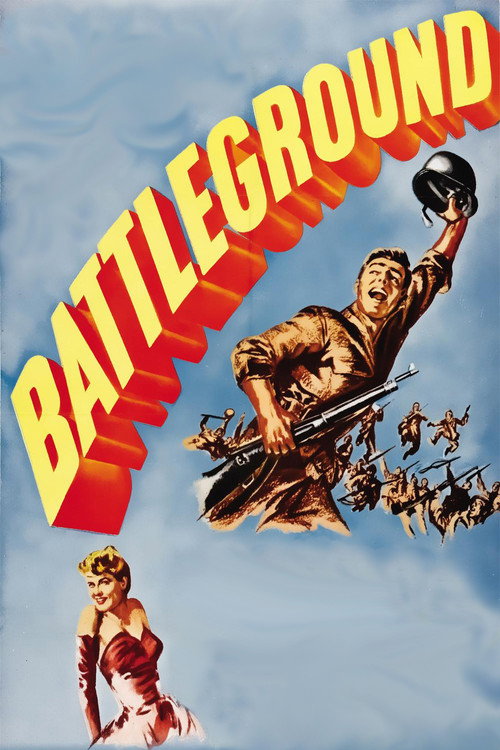
Battleground1949
A squad of GIs fights through the snow and cold at the Battle of the Bulge. Van Johnson, James Whitmore, and company are vivid and immediate. It prioritizes the soldier's-eye view over grand strategy.
But The plot is thin and episodic. It's more a series of scenes than a shaped narrative, which some find authentic and others find shapeless.
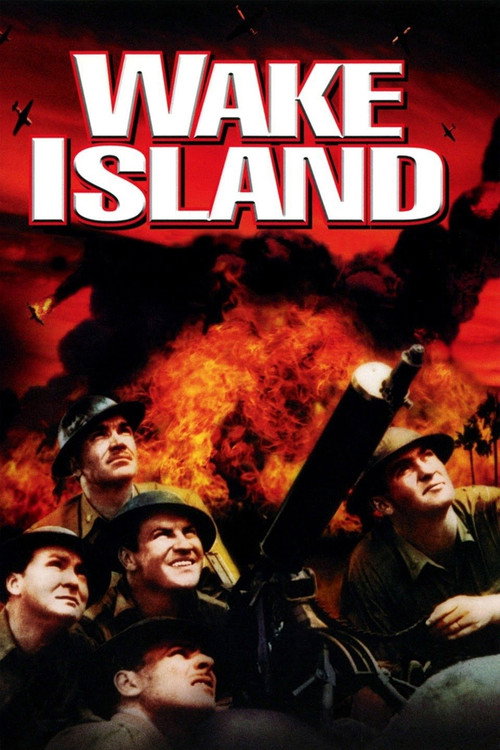
Wake Island1942
Brian Donlevy leads a small force defending an atoll. Made during the war, it has a documentary immediacy and a clear moral focus. The action is brief but brutal.
But It's wartime propaganda, which means it doesn't interrogate anything. Some of the characterization is purely functional, and the ending is foregone.
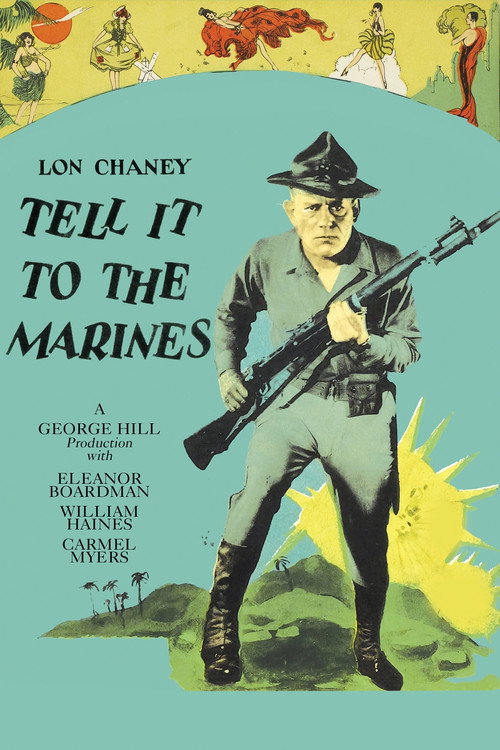
Tell It to the Marines1926
Silent film with Lon Chaney as a tough Marine sergeant training and leading men. It's a prototype for every war-buddy film that followed, and Chaney's physicality is astonishing.
But It's silent, which is a barrier for many. The plot is thin by modern standards and the pacing reflects a different era of filmmaking.
The Killing1956
Like Red Ball Express, it's fundamentally about a team executing a logistical problem under pressure. The mechanics of getting something done right. One is war, one is crime, but the DNA is identical.
Kubrick's debut noir about a racetrack heist told in fragmented time. Non-linear structure, ensemble cast, focus on coordination and timing. It's tense and clever and utterly absorbing.
But The fractured timeline can be confusing on first watch. Some scenes are underbaked and the femme fatale is underwritten.

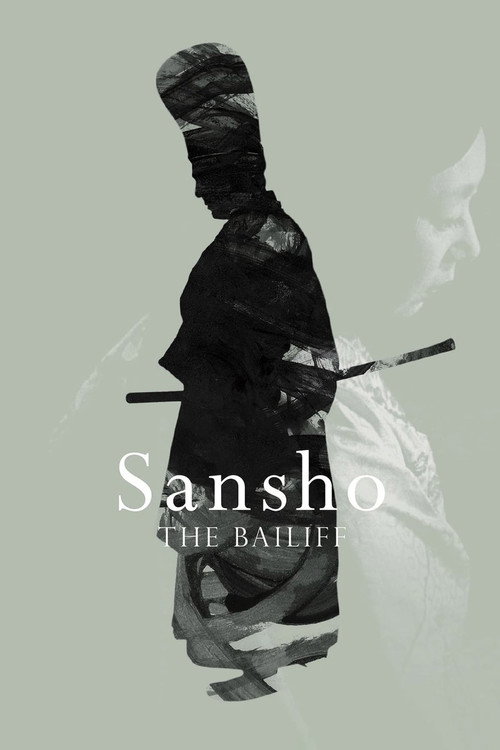
Sansho the Bailiff1954
Both films emerge from the wreckage of 1945 and grapple with how ordinary people survive systems designed to crush them. Red Ball Express finds transcendence in coordination and duty; Sansho finds it in moral witness and forgiveness. Both believe in human decency in dark times, but Sansho's belief costs everything.
Mizoguchi's humanist masterpiece about a family destroyed by feudal cruelty, told in long takes and profound compositions. Japanese cinema at its deepest. You will be moved in ways cinema rarely achieves.
But It's a 125-minute black-and-white Japanese film from 1954. The pacing is meditative, almost glacial. It requires a different mode of attention than Western narrative film demands.
People
Cast
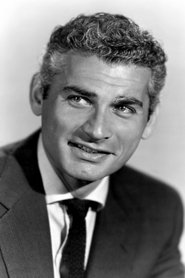 Jeff ChandlerLt. Campbell
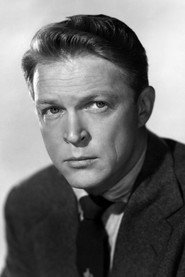 Alex NicolSgt. Kallek
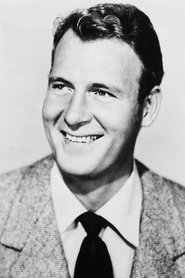 Charles DrakePartridge
 Judith BraunJoyce
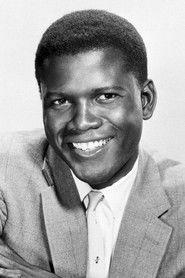 Sidney PoitierRobertson
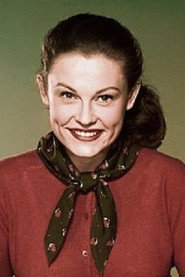 Jacqueline DuvalAntoinette
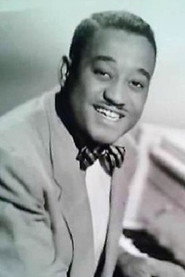 Bubber JohnsonTaffy
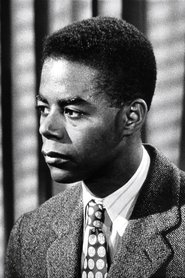 Davis RobertsMcCord
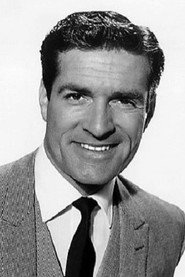 Hugh O'BrianWilson
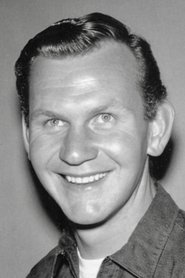 Frank ChaseHiggins
- Cindy GarnerKitty
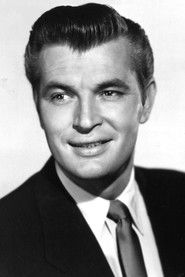 Gregg PalmerTank Lieutenant
Directing
- John SherwoodAssistant Director
- Marshall GreenAssistant Director
- Phil BowlesAssistant Director
- Budd BoetticherDirector
Writing
- John Michael HayesScreenplay
- Marcy KlauberStory
- William Grady Jr.Story
Production
- Phil BenjaminCasting
- Aaron RosenbergProducer