
Film
Sahara
Other titles called Sahara: the 2005 film.
A 1943 war film where Humphrey Bogart leads a ragtag Allied unit defending a desert well against impossible odds. It's lean, tense, and deeply humanist—less about spectacle than the weight of command and what binds strangers into a fighting force. Gripping for anyone who loves classical Hollywood war cinema.
Should you watch it?
Watch it if you like wartime stories built on a tight group of stranded men, where cramped tension and dry, clipped banter carry the story more than battle scenes do.
Skip it if you want a sweeping desert epic with constant action, since this is a small, talky standoff with a lot of waiting around and dated wartime sentiment.
What it asks of you: Patience first: a slow build around one well, then steadily rising pressure across its ninety-seven minutes, with thirst doing much of the tightening.
Not sure? Find tonight's pick in a minute.
If you liked this
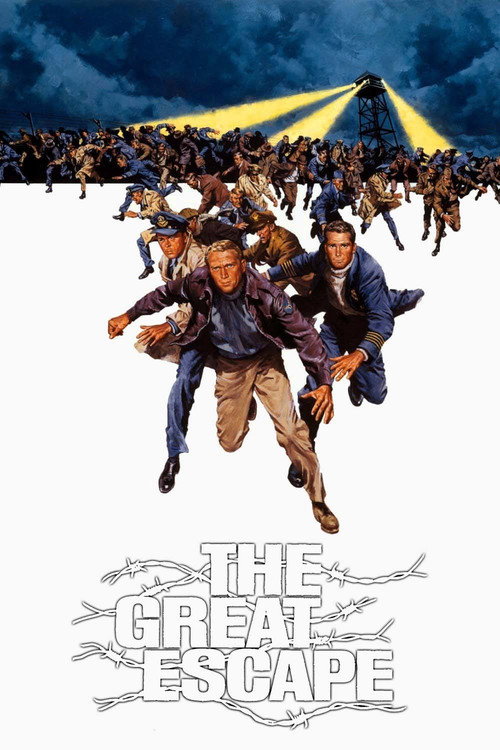
The Great Escape1963
Steve McQueen and an ensemble cast execute a sprawling prisoner-of-war breakout with tension, humour, and real stakes. Masterful pacing and camaraderie in extreme circumstances, cut from the same cloth as Sahara.
But At over two and a half hours, it asks patience. The tone swings between lighter moments and genuine peril in ways that might feel uneven.
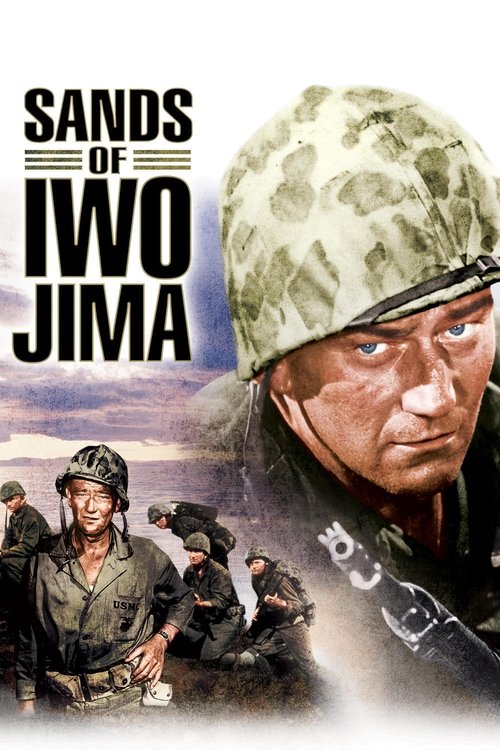
Sands of Iwo Jima1950
John Wayne leads a Marine unit through training and combat with a focus on leadership under fire and the men who follow. Unflinching about combat's cost while honouring professional soldiering.
But Wayne's screen presence dominates; if that doesn't work for you, the film never quite recovers. Some scenes feel staged.
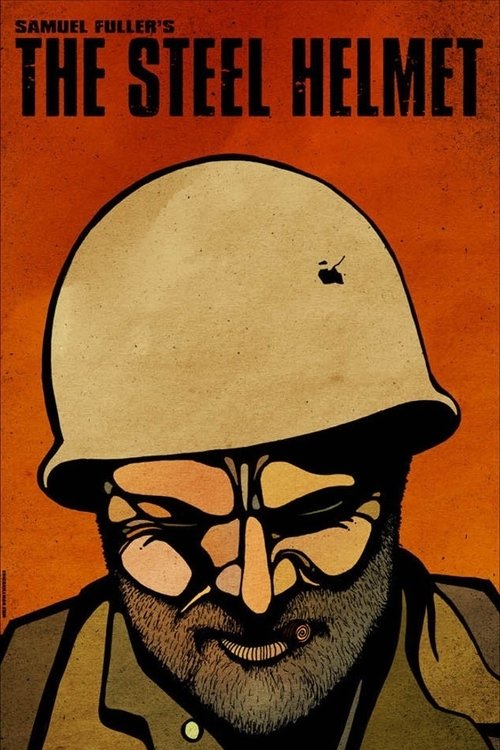
The Steel Helmet1951
Fuller's Korean War film follows a small unit through brutal terrain with raw, unglamorous intensity. Shot in real locations with genuine grit; the camaraderie feels earned, not sentimental.
But Low budget shows in the production design. The pacing is deliberately uneven, which some find gripping and others find slack.
Not sure tonight? Get a pick in a minute, starting from Sahara
The wildcard
Something you would not have found on your own.
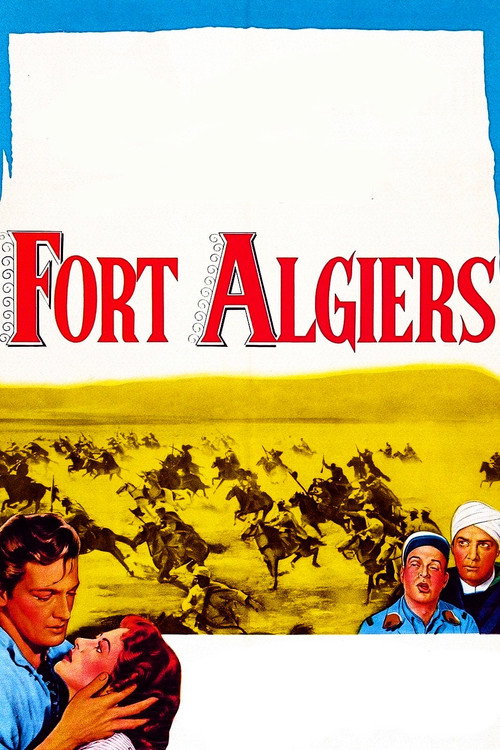
Fort Algiers1953
Same setting, same scenario—small unit, isolated, defending a fixed position against superior force—but told through the lens of the Legion's ritualistic culture and colonial mythology rather than American pragmatism.
A Foreign Legion garrison in North Africa holds off attack with limited supplies and a unit held together by codes of honour and masculine ritual. Shot on location with documentary texture; the well is replaced by the fort, but the DNA is identical.
But Obscure and forgotten, with uneven pacing and dialogue that can feel creaky. You're watching a curiosity as much as a thriller.
More like this (8)
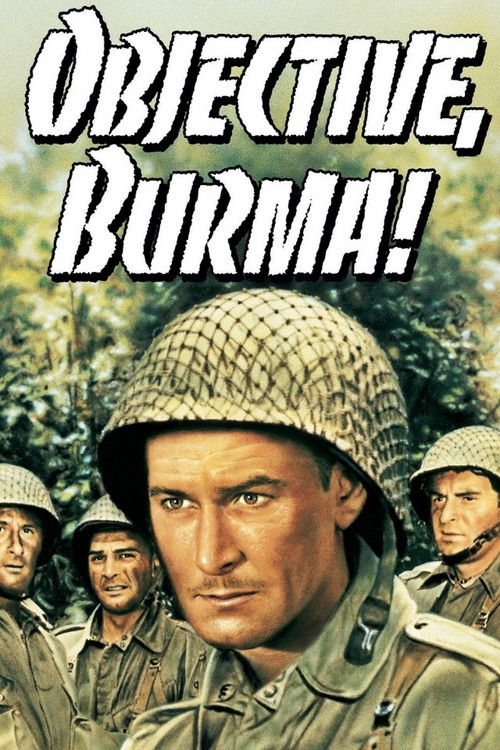
Objective, Burma!1945
Raoul Walsh directing Errol Flynn through a jungle commando raid. Propulsive, well-constructed, and genuinely exciting—a masterclass in B-movie momentum with A-picture execution.
But The film's depiction of Japanese soldiers is casually dehumanizing in ways that haven't aged well. Some plot contrivances strain belief.
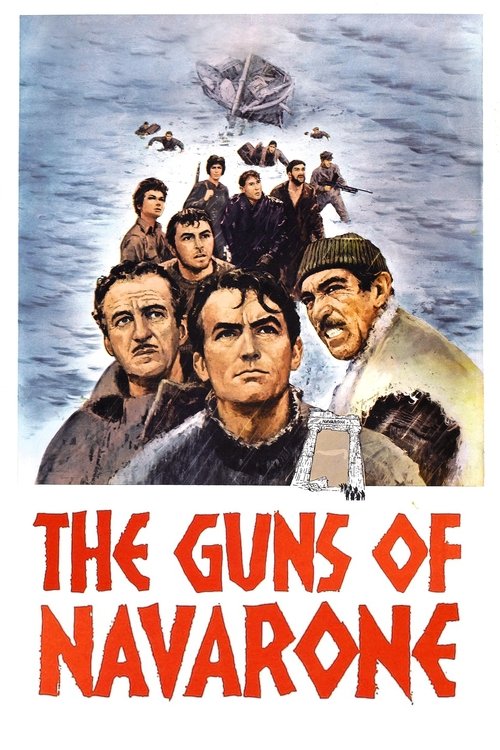
The Guns of Navarone1961
A specialist unit infiltrates enemy territory on an impossible mission. Gregory Peck, David Niven, and a tight ensemble navigate moral ambiguity alongside action. Intelligent and taut.
But It's a thinking soldier's film—long stretches of planning and tension. If you want constant action, you'll lose patience waiting.
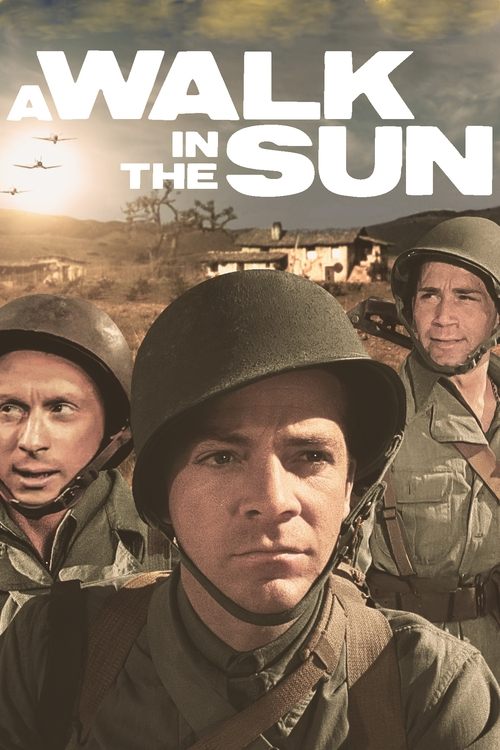
A Walk in the Sun1945
A single day, a single mission, a squad of ordinary men. Deliberate and meditative; it captures the psychological weight of combat better than most war films manage.
But Almost nothing happens by conventional action standards. It's more poem than plot, which won't appeal if you need momentum.
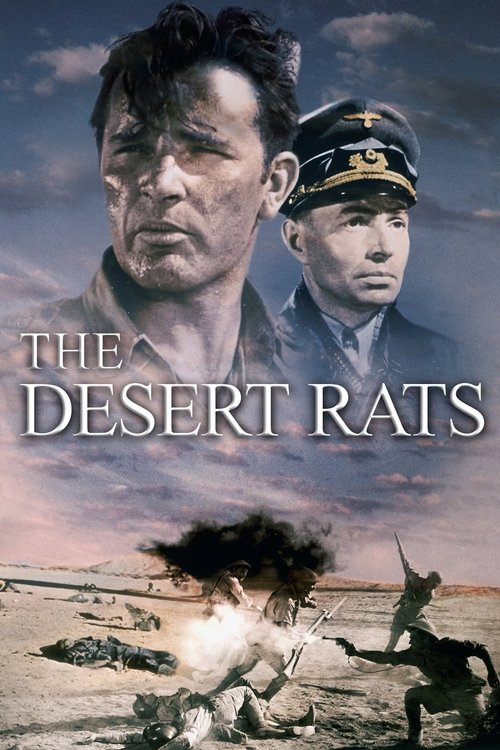
The Desert Rats1953
Richard Burton and Robert Newton lead British forces in North Africa against Rommel. Smaller in scope than epics, focused on unit morale and the strain of desert warfare.
But Lesser-known and with a modest budget, it lacks the polish of bigger productions. The pacing meanders occasionally.
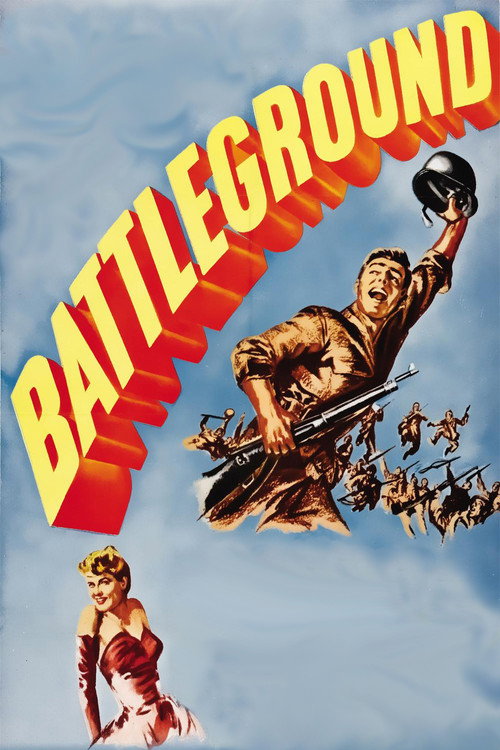
Battleground1949
William Holden and Van Johnson in the Battle of the Bulge, shot in black-and-white with documentary-like clarity. Focuses on ordinary soldiers' experience of extraordinary circumstances.
But The ensemble cast means no single character carries the weight. Some find that diffusion of focus makes the film harder to grip.
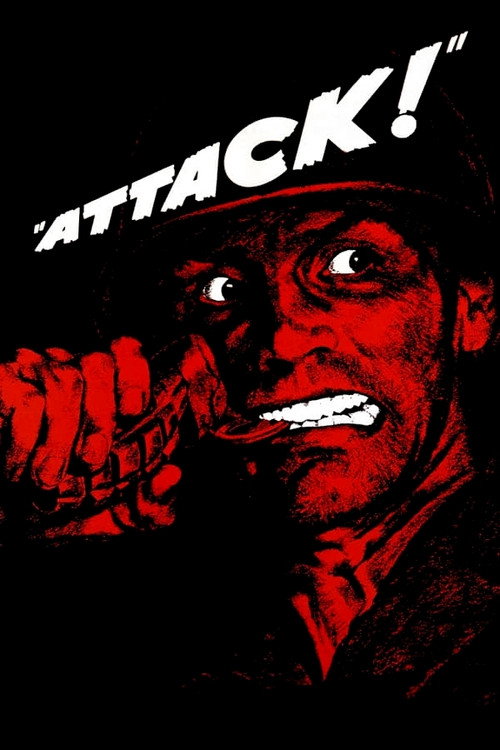
Attack1956
Jack Palance and Eddie Albert in a raw, unglamorous World War II drama about a failed military operation. Uncomfortable and honest about leadership failure and cowardice.
But It's genuinely bleak and offers no catharsis. The film's moral ambiguity and darkness will test patience if you want heroism.
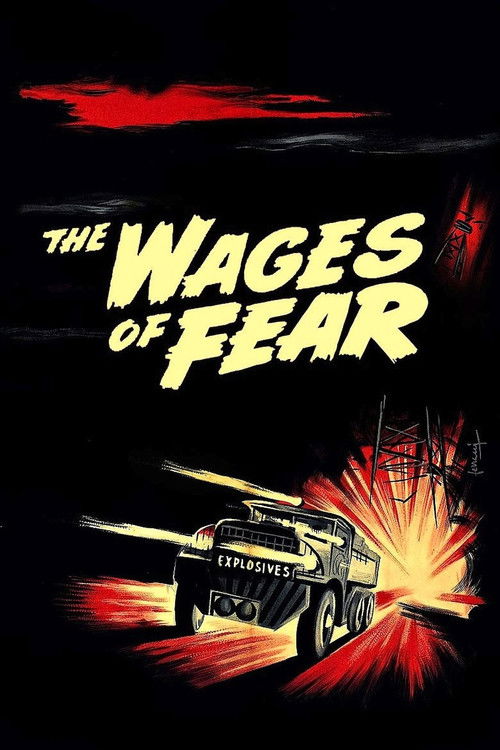
The Wages of Fear1953
Both films understand that men's best selves emerge under extremity. Sahara's humanist core—the Axis POW, the racial brotherhood forged in crisis—reappears here as solidarity born of shared doom, not national allegiance.
Yves Montand drives a truck full of dynamite through a collapsing South American landscape. Not a war film, but a masterpiece of men under impossible pressure with nothing to lose, tension wrought from circumstance rather than conflict.
But It's French, subtitled, and nearly three hours long. The mood is bleak and the pace deliberate. No heroics, no moral clarity, just survival.
Come and See1985
Sahara locates honour and brotherhood in crisis; Come and See asks whether those things survive contact with war's true machinery. Both films' real subject is what combat does to men's capacity for grace—Sahara's answer is hopeful, this one's is devastated.
A Soviet partisans film where a boy soldier moves from idealism through moral devastation across a landscape of total war. Unforgettable, visceral, committed entirely to the texture of survival and loss.
But This is not entertainment. It's a howl of grief. Shocking violence, no mercy, and a film that actively works against comfort. Necessary only for those willing to be shaken.

People
Cast
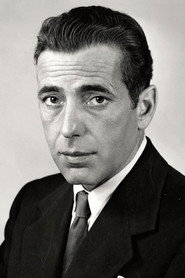 Humphrey BogartSgt. Joe Gunn
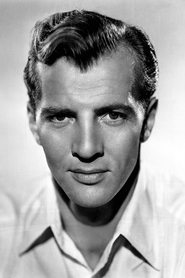 Bruce BennettWaco Hoyt
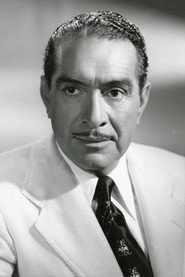 J. Carrol NaishGiuseppe
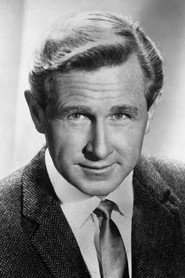 Lloyd BridgesFred Clarkson
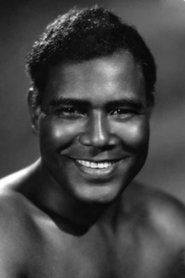 Rex IngramSgt. Maj. Tambul
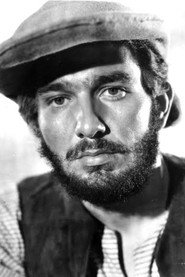 Richard AherneCapt. Jason Halliday
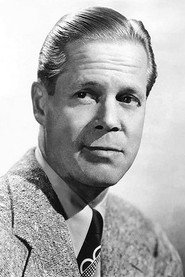 Dan DuryeaJimmy Doyle
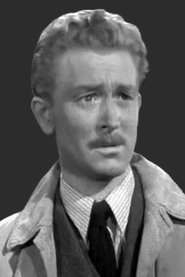 Carl HarbordMarty Williams
 Patrick O'MooreOsmond 'Ozzie' Bates
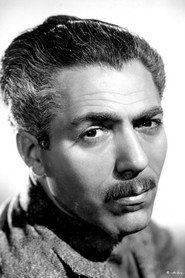 Louis MercierJean Leroux - 'Frenchie'
- Guy KingsfordPeter Stegman
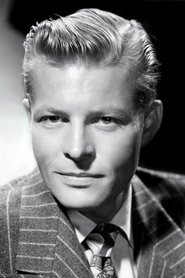 Kurt KreugerCapt. von Schletow
Directing
- Abby BerlinAssistant Director
- Zoltan KordaDirector
Writing
- James O'HanlonAdaptation
- John Howard LawsonScreenplay
- Zoltan KordaScreenplay
- Philip MacDonaldStory
Production
- Harry Joe BrownProducer
Recommended by
Fury, A Walk in the Sun, The Tanks Are Coming, The Desert Rats, The Lost Patrol, The Story of Dr. Wassell, The Red Ball Express