
Film
Fort Algiers
A 1953 adventure film set in colonial North Africa, where a tribal leader's rebellion plot tangles with foreign interests and personal betrayal. It's briskly paced pulp—exotic locales, high stakes, creaky dialogue—aimed squarely at audiences who wanted their geopolitics simple and their action swift. Watchable if you enjoy mid-century adventure without apology.
Should you watch it?
Watch it if you enjoy lean, sun-baked adventures where scheming and atmosphere carry the picture more than spectacle, and a studio programmer's brisk economy suits you.
Skip it if you want a polished epic or a fresh take on colonial resistance; its politics are sketched quickly, and the studio gloss of 1953 can feel dated.
What it asks of you: At seventy-eight minutes, it builds at an unhurried pace and needs no close attention to every character; it rewards settling in rather than demanding it.
Not sure? Find tonight's pick in a minute.
If you liked this
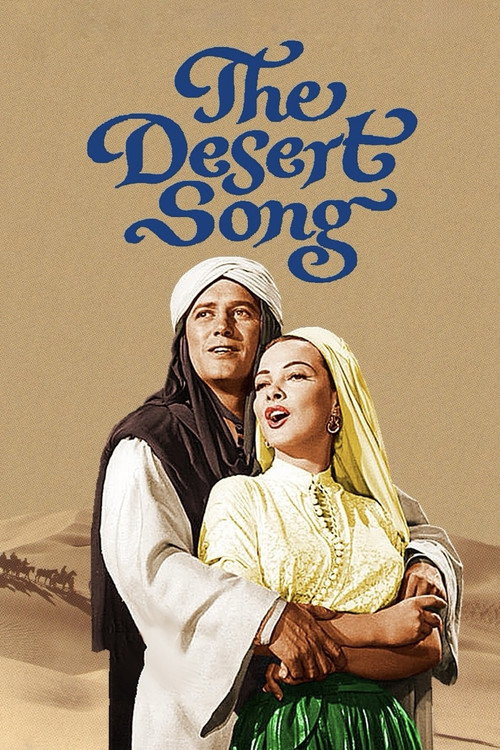
The Desert Song1953
Released the same year, this Technicolor musical romance captures the same colonial-romance energy with better production values and actual songs. A Riff rebellion, a masked hero, and lush Moroccan scenery make for pure escapist fun.
But The musical numbers stop the plot dead, and the romance is earnest in a way that feels dated even by 1950s standards. If you want adventure without breaking into song, look elsewhere.
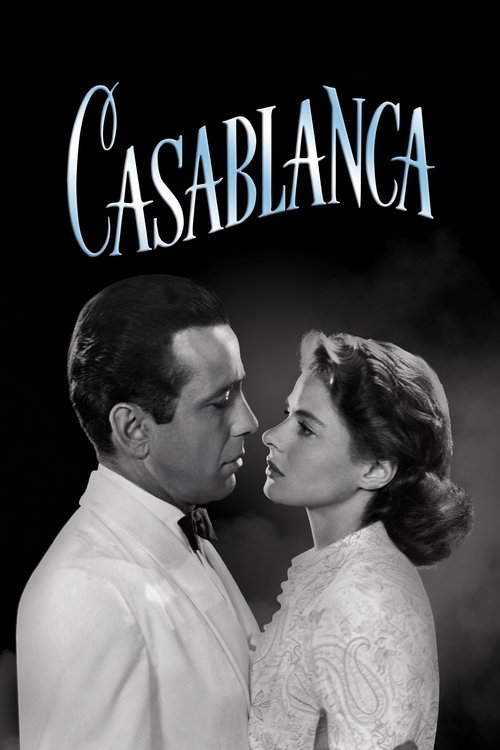
Casablanca1943
The gold standard of North African intrigue. It has everything Fort Algiers reaches for—political tension, moral ambiguity, doomed romance, exotic setting—but executed with real craft and three performances for the ages. A masterclass in how to do this story.
But It's revered, which can make it feel like homework. And it moves at a different pace entirely—slower, denser, less interested in action than conversation. You need patience.
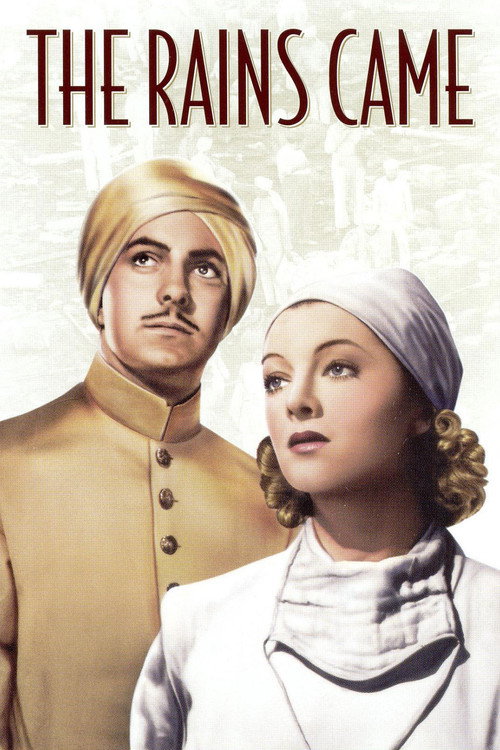
The Rains Came1939
Tyrone Power and Myrna Loy in a disaster film set in India, dealing with cultural collision and duty during catastrophe. Same era, same flavour of colonial adventure with higher production gloss and genuine spectacle.
But It's a disaster film first and adventure second, so if you're after political intrigue and rebellion, the tone shifts midway. The racial attitudes are very much of its time.
Not sure tonight? Get a pick in a minute, starting from Fort Algiers
The wildcard
Something you would not have found on your own.
The Battle of Algiers1966
Both are set against North African colonial rebellion, but Battle treats it as real history with real consequences, where Fort Algiers treats it as exotic backdrop. One is adventure fantasy; the other is political cinema. Together they show what the same conflict looks like from opposite registers.
The same geographical conflict as Fort Algiers, but told from the other side—a revolutionary's-eye view of urban insurgency against colonial rule. Shot in stark black-and-white, directed by Gillo Pontecorvo with the clarity of documentary. It's a political thriller that treats the subject matter with the seriousness Fort Algiers could never touch.
But It's a film about terrorism and counter-insurgency that refuses to look away or simplify. If you're expecting adventure-movie thrills, this is lean, violent, morally complex, and genuinely disturbing.

More like this (7)
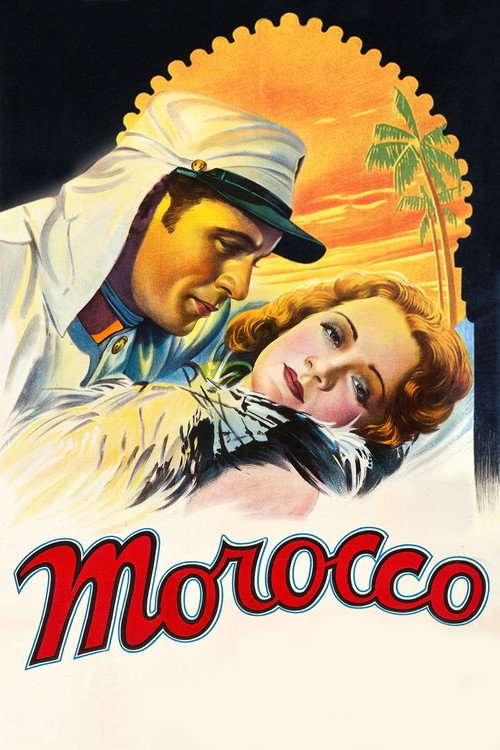
Morocco1930
Josef von Sternberg's masterpiece of colonial romance and atmosphere, with Marlene Dietrich at peak mystique. It's where the whole aesthetic of North African adventure cinema came from—moodier and more artistic than Fort Algiers, but unmissable.
But It's a romance and a visual poem, not an action film. If you want plot momentum and excitement, this will feel glacially slow.
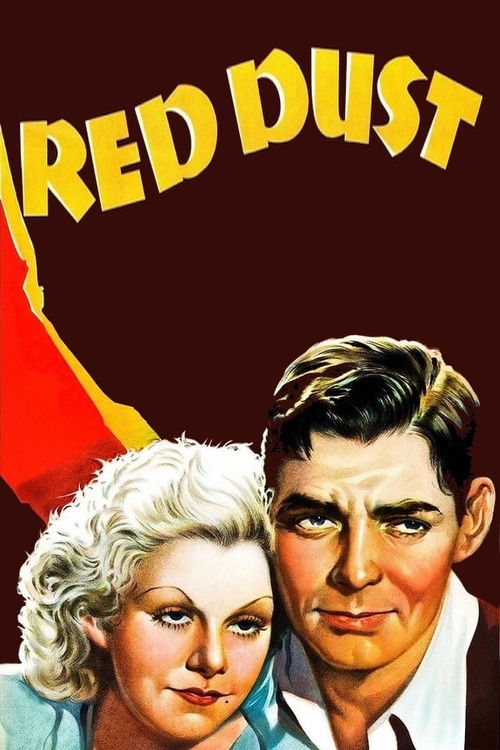
Red Dust1932
Clark Gable and Jean Harlow on a rubber plantation in Indochina—the prototype for all exotic colonial-adventure romances. It's lean, sexy, funny, and cynical in ways Fort Algiers isn't. Real entertainment with actual wit.
But The sexual politics are brazen even by pre-Code standards. And the plot is genuinely thin; it's all about watching the leads spar and flirt. If you need a story, this won't hold you.
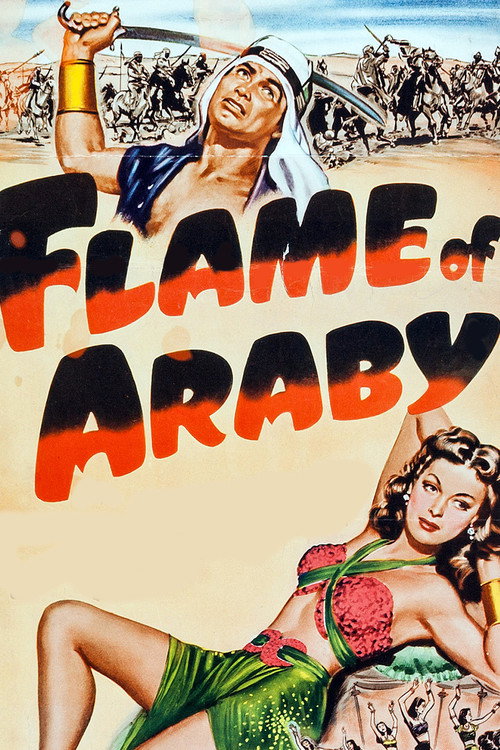
Flame of Araby1951
An earlier Arabian adventure with similar beats—rebellion, foreign powers, romance—but with genuine stunt work and a more exciting sense of scale. It's Fort Algiers' slightly better cousin, made just before.
But It's still B-movie material, with all the creaky dialogue and wooden supporting performances that entails. The plot is predictable in ways that will frustrate anyone looking for surprises.
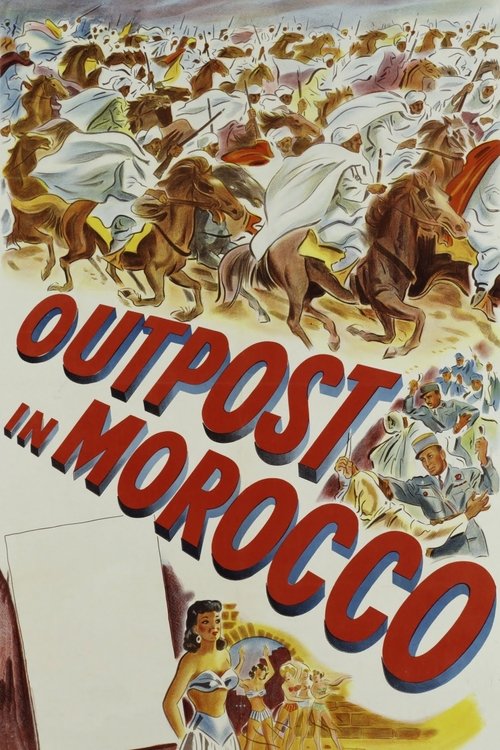
Outpost in Morocco1949
A Foreign Legion adventure with the same setting and similar themes, but with a tighter focus on military survival and duty. It's more of a procedural than Fort Algiers, which gives it a different kind of propulsive energy.
But The romance subplot is thin and unconvincing, which matters because it's the film's emotional core. And the climax is abrupt in a way that feels like the budget ran out.
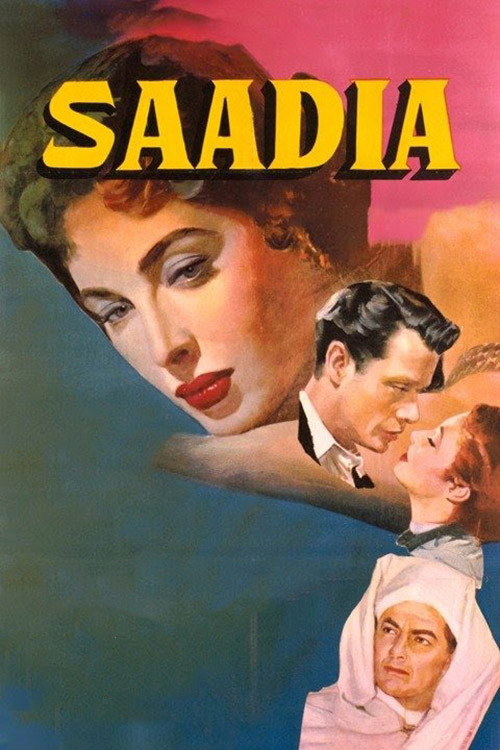
Saadia1953
Another 1953 North African adventure, this one with Mel Ferrer and Audrey Dalton. It's a kidnapping plot with tribal politics, so it covers similar ground but from a different angle. Good company for a double feature.
But It's honestly generic—handsome leads, predictable plot, forgettable score. There's nothing that sets it apart from a dozen other pictures from the same year.
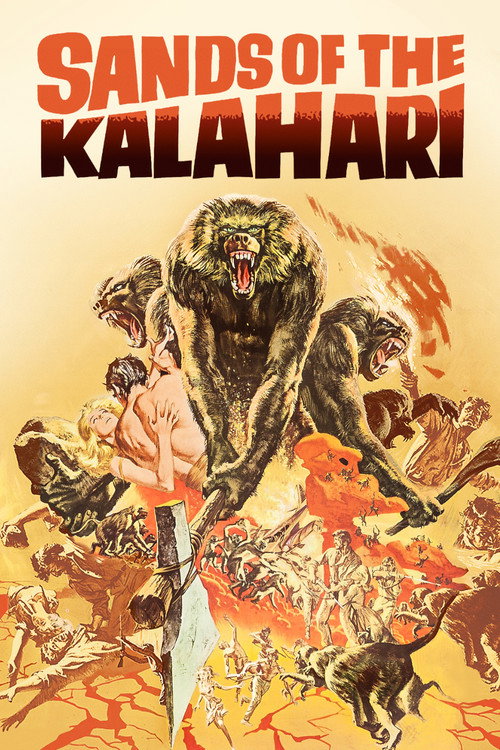
Sands of the Kalahari1965
Both are action-adventure films built on the tension between men in an exotic, dangerous environment. Fort Algiers uses that setting as backdrop for politics and romance; Sands treats the environment itself as the story's true antagonist. Same genre engine, completely different fuel.
A survival film about men marooned in the African desert, fighting the landscape and each other. It has the same high-stakes male-centered adventure as Fort Algiers, but concentrates it down to pure survival and psychology rather than colonial politics. Genuinely suspenseful and unexpectedly sophisticated.
But It's slow and claustrophobic—even in an open desert, you feel trapped. There's no romance, no clear villain, just attrition. If you want straightforward good-versus-evil adventure, this will frustrate you.
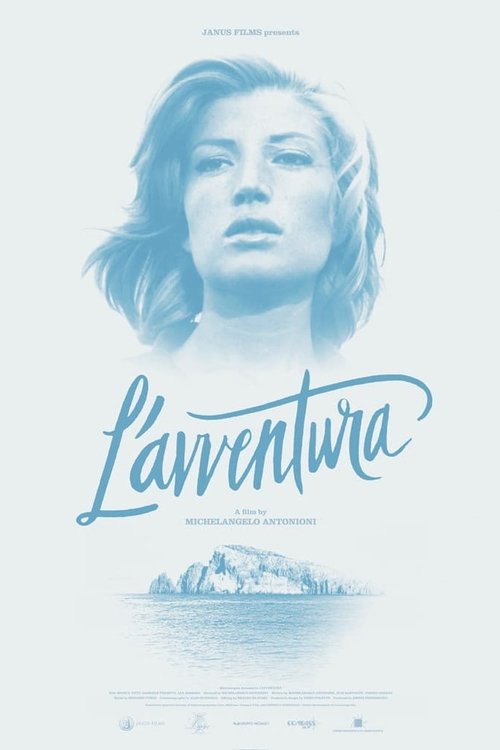
L'Avventura1960
Both films feature love triangles and foreign settings and moral compromise, but where Fort Algiers is propulsive pulp, L'Avventura is contemplative modernism. Same ingredients—desire, betrayal, exotic locale—assembled into opposite purposes. If you love Fort Algiers for its surface, this will show you what happens when those elements are taken completely seriously.
Michelangelo Antonioni's masterpiece about aimlessness and moral emptiness in Mediterranean beauty. A woman vanishes on an island, and the film doesn't care about solving the mystery—instead it watches her boyfriend and her friend fall into a passionate affair while she's missing. It's the anti-adventure film, all atmosphere and ambiguity where Fort Algiers is plot and action.
But It's three hours long, almost nothing happens, and the ending will infuriate you if you expect resolution. It's a slow meditation on betrayal and meaninglessness. If you go in expecting a thriller, you'll hate it.
People
Cast
 Yvonne De CarloYvette
 Raymond BurrAmir
 Carlos ThompsonJeff
 Leif EricksonKalmani
 Anthony CarusoChavez
 John DehnerMajor Colle
 Henry CordenYessouf
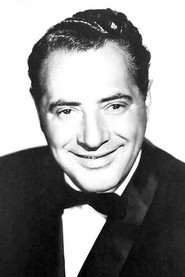 Joe KirkLuigi
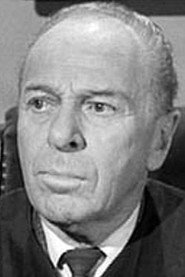 Lewis MartinColonel Lasalle
 Leonard PennLt. Picard
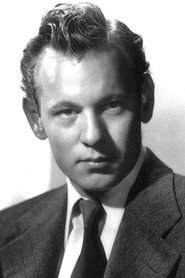 William PhippsLt. Gerrier
- Michael CouzziRichetti
Directing
- Lesley SelanderDirector
Writing
- Theodore St. JohnScreenplay
- Frederick StephaniStory
Production
- Joseph N. ErmolieffProducer