
Film
The Desert Song
Other titles called The Desert Song: the 1929 film.
A 1953 Technicolor musical adaptation of the operetta, set in French North Africa. Gordon MacRae plays a professor by day and a masked rebel leader by night, caught between duty and revolution. It's romantic adventure with big orchestral numbers, designed for audiences who enjoy spectacle, costumes, and straightforward heroism. Glossy escapism from Hollywood's golden age.
Should you watch it?
Watch it if you adore old-fashioned Hollywood operetta, where swooning duets, desert intrigue and wide-eyed romance are played with total sincerity and big Technicolor glamour.
Skip it if you tire of characters bursting into song every few minutes, stagey formal acting, or a plot that runs on melodrama and wants a brisker, modern rhythm.
What it asks of you: Settle in for a full 110 minutes of leisurely pacing, with long stretches of dialogue broken by lush song numbers, and expect the mood to stay sunny rather than dark.
Not sure? Find tonight's pick in a minute.
If you liked this
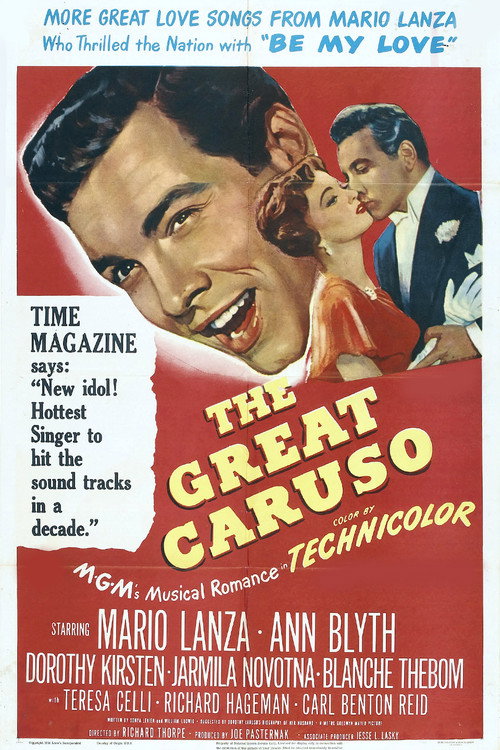
The Great Caruso1951
Mario Lanza in his finest form, singing across a lavish recreation of early 20th-century opera houses. If you loved MacRae's voice in The Desert Song, this is operatic spectacle at its most confident and thrilling.
But Lanza's performance is earnest to the point of sentimentality, and the plot exists mainly to hang arias on. The pacing slows considerably between musical numbers.
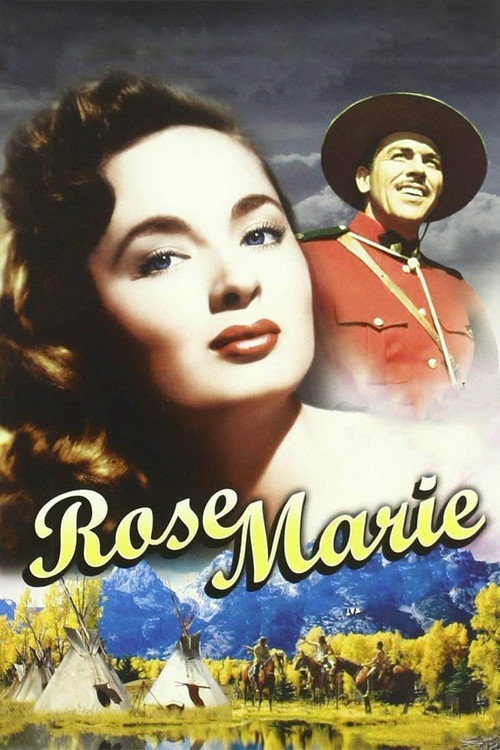
Rose Marie1954
Ann Blyth and Howard Keel reunite for another romantic operetta in exotic locale (Canadian Rockies this time). Similar blend of mystery, music, and adventure with the same lavish MGM production values.
But The plot—about a woman protecting her accused brother—is predictable and melodramatic even by the standards of the genre. Some supporting performances are broad enough to seem dated.
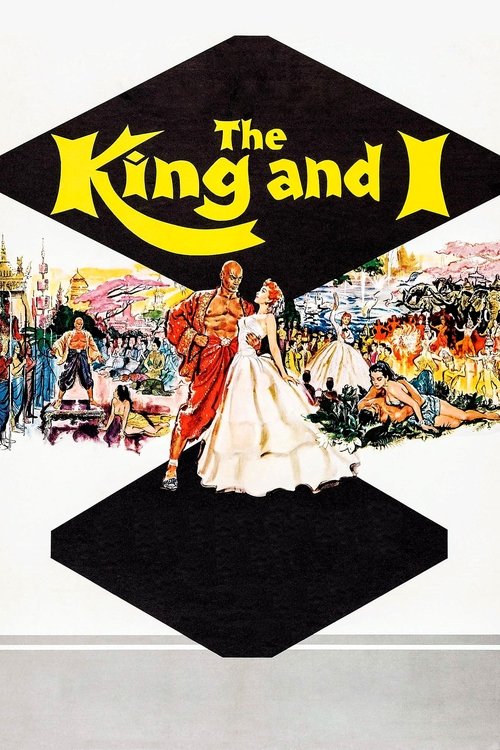
The King and I1956
Deborah Kerr and Yul Brynner in Rodgers and Hammerstein's masterpiece about a widow teaching the King of Siam's children. Smarter writing, deeper emotional stakes, and music that transcends the typical operetta formula entirely.
But The romance is constrained by period propriety in ways some find frustrating. The colonial attitudes embedded in the story are harder to ignore than in lighter fare.
Not sure tonight? Get a pick in a minute, starting from The Desert Song
The wildcard
Something you would not have found on your own.
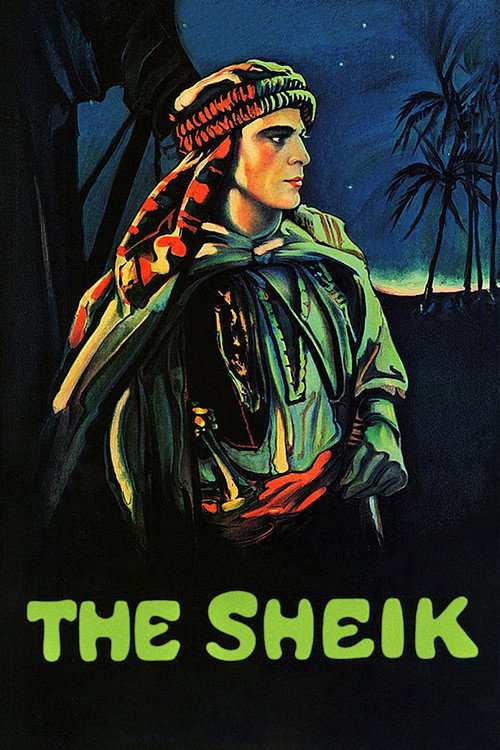
The Sheik1921
Both are structured around the same archetype: the European woman drawn to the mysterious power of the desert man, the masked identity hiding an aristocratic secret. The Desert Song is literally built on this film's template.
Rudolph Valentino in the original desert romance that inspired decades of sequels, parodies, and fantasies. Watch The Desert Song's template in its purest, most unguarded form—before Hollywood learned subtlety about exotic adventure.
But Silent film acting and pacing will test your patience if you're used to talkies. Valentino's mystique only works if you're willing to meet the film on its terms, not mock it.
More like this (8)
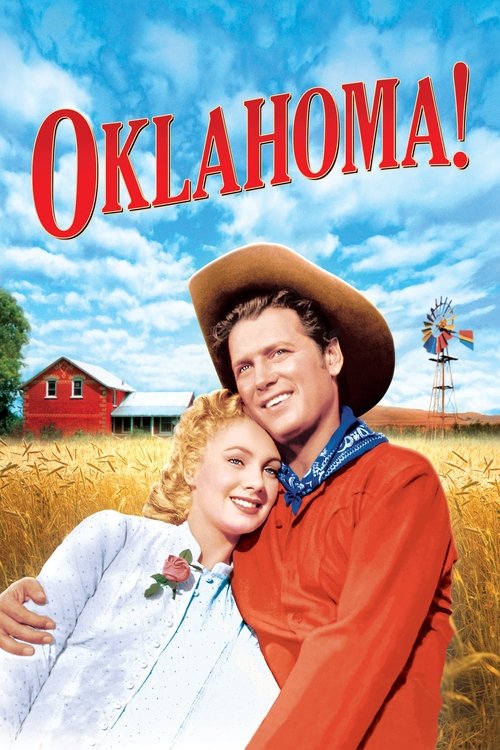
Oklahoma!1955
The definitive film of Rodgers and Hammerstein's breakthrough musical. Gorgeous Technicolor, ensemble dancing that still feels alive, and a story grounded in real American culture rather than fantasy Arabia.
But Nearly two hours long with an overture and intermission structure that can feel plodding on first viewing. The romance is secondary to agricultural politics, which is either fresh or tedious depending on your mood.
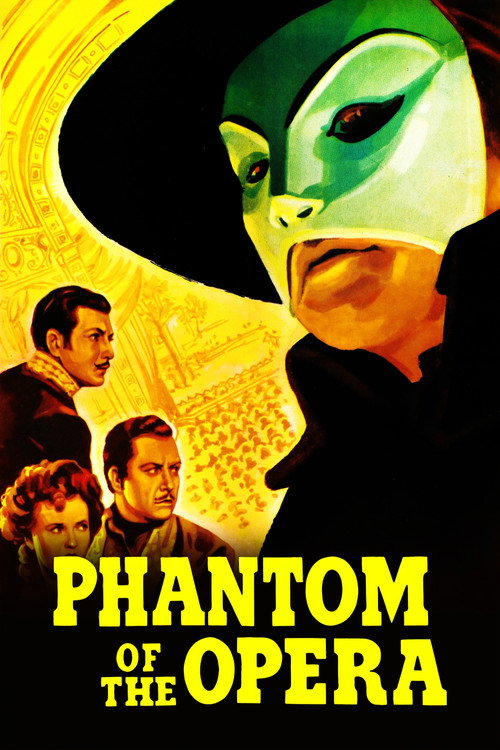
Phantom of the Opera1943
Claude Rains and Nelson Eddy in Universal's sumptuous Technicolor take on the operetta. Gorgeous set design, genuine tension mixed with the musical numbers, and Rains brings real menace to the role.
But The pacing drags in the second act while the romance develops. Some of the vocal performances feel stage-bound and stiff compared to later film musicals.
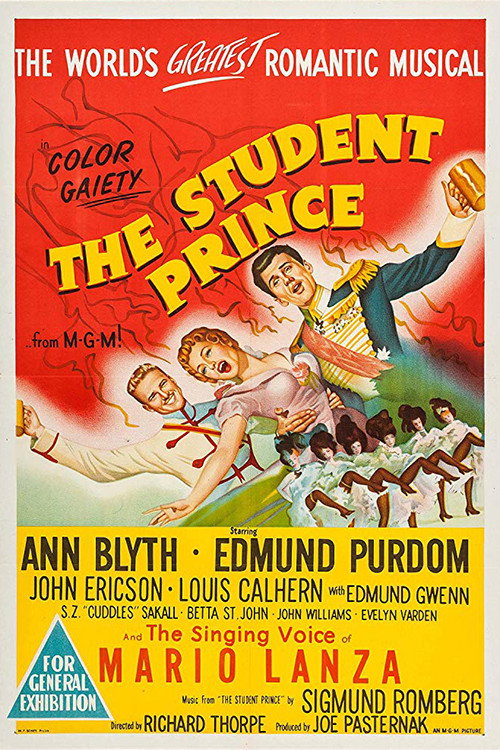
The Student Prince1954
Ann Blyth opposite Edmund Purdom in a lightweight but charming operetta about a prince falling for a barmaid. The songs are genuinely lovely, and it's the definition of pleasant, unchallenging entertainment.
But It asks almost nothing of the viewer beyond enjoying pretty singing in pretty places. The story is thin enough to see through, and the stakes are nonexistent.
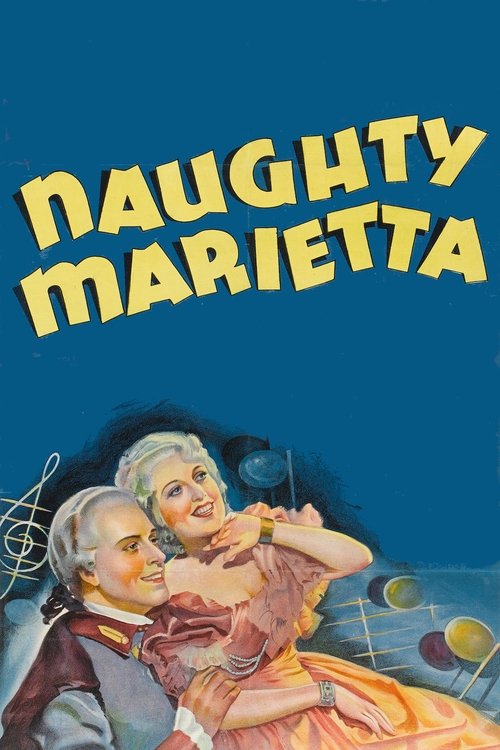
Naughty Marietta1935
Jeanette MacDonald and Nelson Eddy at peak chemistry in this New Orleans-set operetta. Pre-war MGM glamour, orchestration that still sounds rich, and two leads who actually seem glad to be singing together.
But The Colonial attitudes toward Native Americans are uncomfortable and indefensible. The plot is forgettable and exists mainly to delay the next musical number.
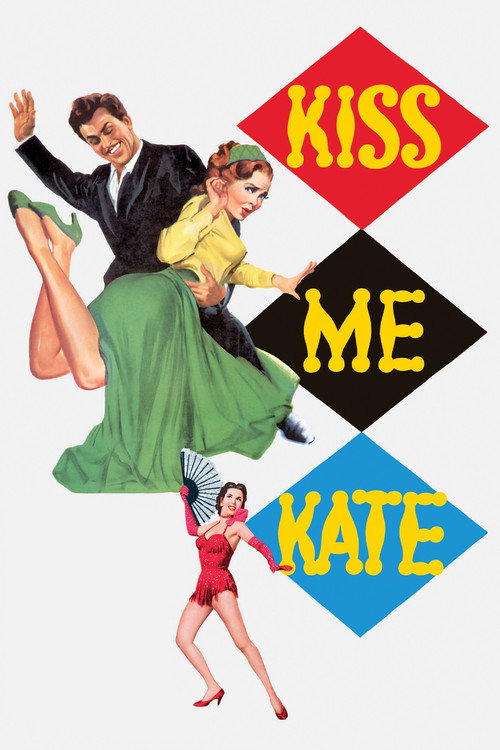
Kiss Me Kate1953
Cole Porter music, Shakespearean framework, and a real story about two performers with actual history. Made the same year as The Desert Song but with sharper dialogue and more sophisticated musical writing.
But The framing device—gangsters pursuing a theater production—feels forced and dated. Some of the backstage humor lands hard and some lands nowhere at all.
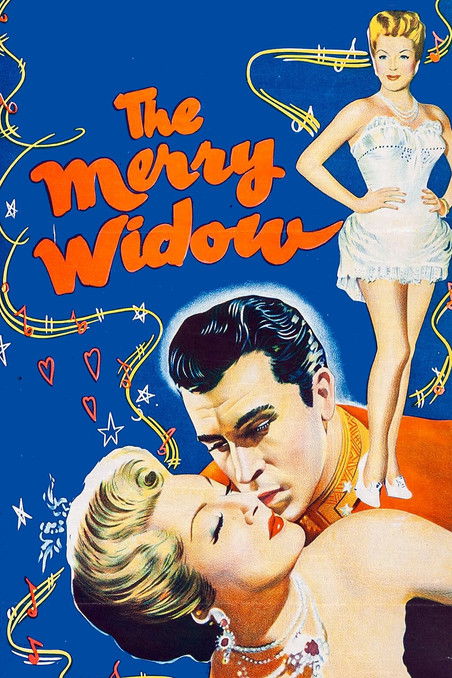
The Merry Widow1952
Lana Turner and Fernando Lamas in the Lehár operetta, set in Paris. Turner brings glamour and comic timing, and the production is handsomely mounted with some genuinely inventive dance sequences.
But The script feels like it's protecting the leads from having to act much. The romantic plot is resolved so easily it barely registers, and the whole thing coasts on surface charm.
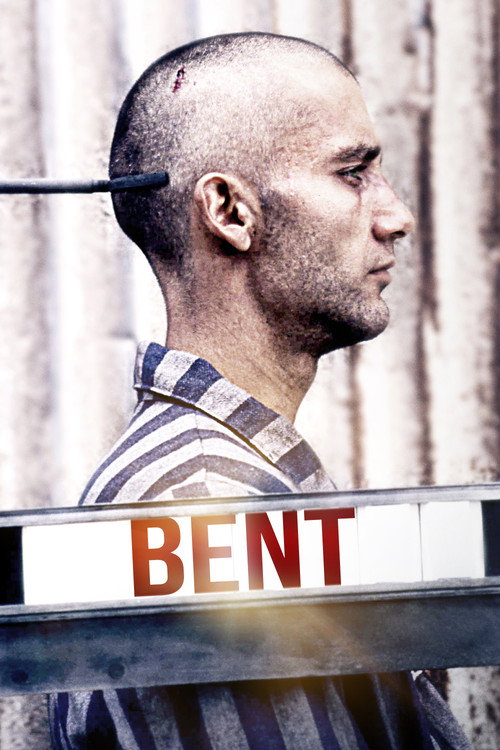
Bent1997
Both are musicals that use the hero in disguise—or forced to hide—as their central tension. But where The Desert Song makes that hiding heroic and romantic, Bent makes it a survival strategy in hell. Same engine, inverted register entirely.
Clive Owen and Ian Charleson in an extraordinary, barely-known musical about two gay men in a Nazi concentration camp. The songs are integrated with devastating precision, the emotions unmask themselves gradually, and it's one of the few musicals that earns genuine tragedy.
But It is extremely dark. Long stretches contain no music at all. The subject matter is horrifying and the ending offers no comfort—you're watching art, not entertainment.
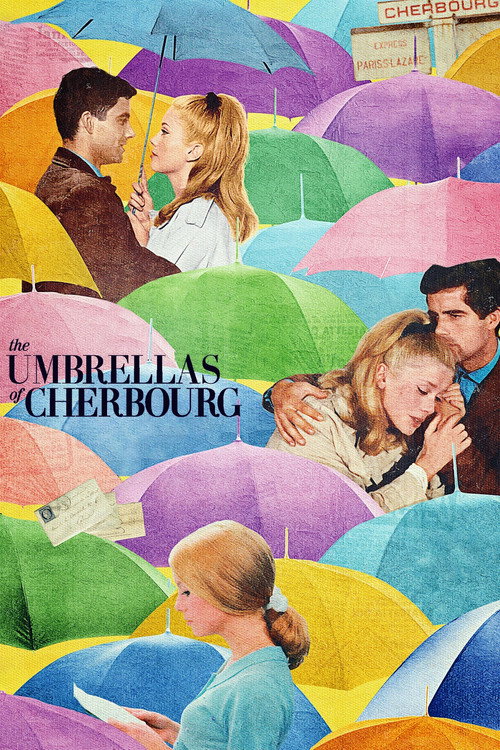
The Umbrellas of Cherbourg1964
Both are unapologetic operettas where the music carries more emotional weight than the plot. But Demy made something genuinely moving out of that form by embracing artifice rather than hiding it. Same love of the form, completely different artistic confidence.
Jacques Demy's French musical—pure color and melody, a story told almost entirely through song and dance. If you respond to the earnest romanticism and orchestral sweep of The Desert Song, this is the film that proved those instincts were justified.
But It is determinedly artificial, refusing any pretense of realism. The story is thin and bittersweet rather than triumphant. Subtitles required, and some viewers find the saccharine tone cloying.
People
Cast
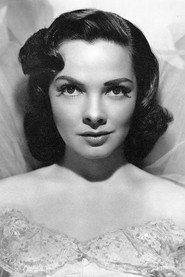 Kathryn GraysonMargot Birabeau
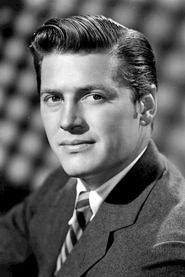 Gordon MacRaeEl Khobar / Paul Bonnard
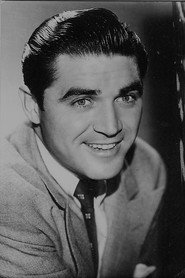 Steve CochranCaptain Claude Fontaine
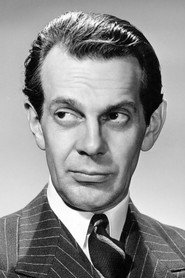 Raymond MasseySheik Yousseff
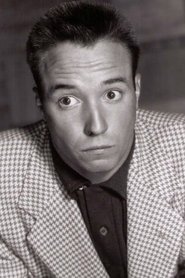 Dick WessonBenjamin 'Benjy' Kidd
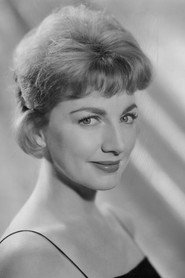 Allyn Ann McLerieAzuri
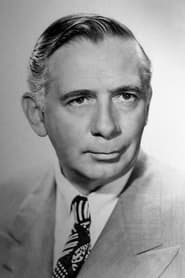 Ray CollinsGen. Birabeau
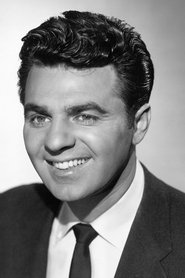 Paul PicerniHassan
 Frank De KovaMindar
 William ConradLachmed
 Trevor BardetteNeri
- Mark DanaLt. Duvalle
Directing
- H. Bruce HumberstoneDirector
- Howard HohlerScript Supervisor
Writing
- Oscar Hammerstein IILyricist
- Roland KibbeeScreenplay
- Frank MandelTheatre Play
- Laurence SchwabTheatre Play
- Oscar Hammerstein IITheatre Play
- Otto A. HarbachTheatre Play
Production
- Rudi FehrProducer