
Film
Oklahoma!
The film that proved a Broadway musical could fill a widescreen frame: Rodgers and Hammerstein's 1943 stage landmark, shot in glorious Todd-AO Technicolor, all wheat fields, surrey rides, and dream ballets. It's frontier courtship as American myth-making — sunny and corny, with Rod Steiger's Jud Fry supplying a genuine current of menace underneath the singing. For devotees of old Hollywood spectacle and earnest romance; less so if musicals make you squirm.
If you liked this
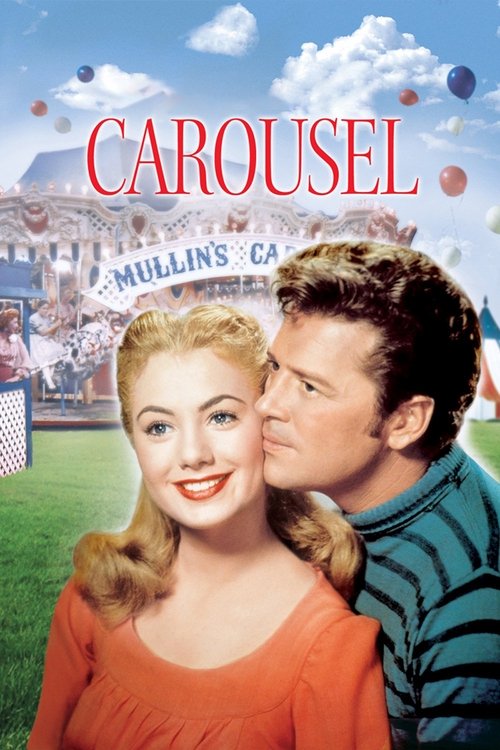
Carousel1956
Same songwriting team, same lush orchestral swoon, but darker — a doomed romance instead of a courtship, with 'You'll Never Walk Alone' as its gut-punch centerpiece. The shadow side of Oklahoma!'s sunniness.
But The tone swings hard into melodrama and its central moral hasn't aged gracefully.
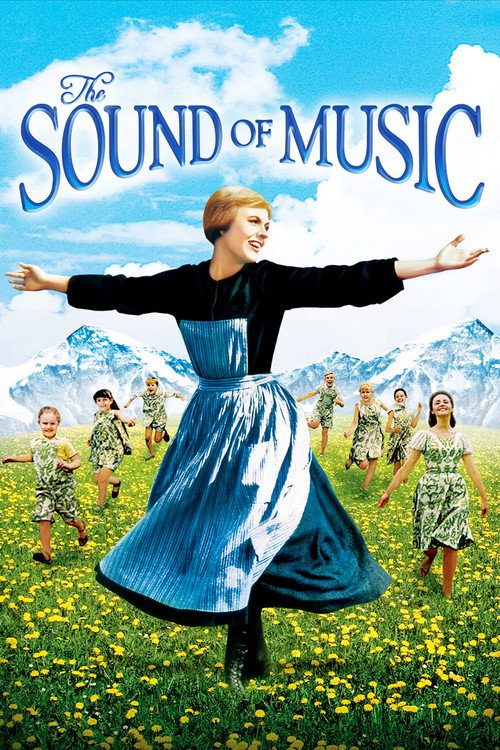
The Sound of Music1965
Julie Andrews at her most radiant, an Alpine backdrop instead of wheat fields, and the same R&H instinct for turning courtship into national mood. The gold standard for people who claim they don't like musicals.
But It's long, relentlessly wholesome, and you've almost certainly seen it already.
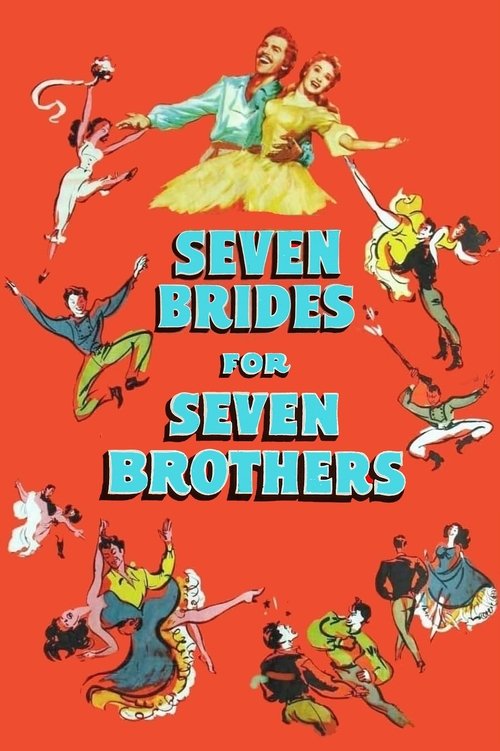
Seven Brides for Seven Brothers1954
Same era, same appetite for barn-raising choreography and frontier courtship, but rowdier — seven suitors instead of one, and a dance number that's basically an action sequence. Pure Technicolor joy.
But The gender politics are exactly as retrograde as the premise suggests.
The wildcard
Something you would not have found on your own.
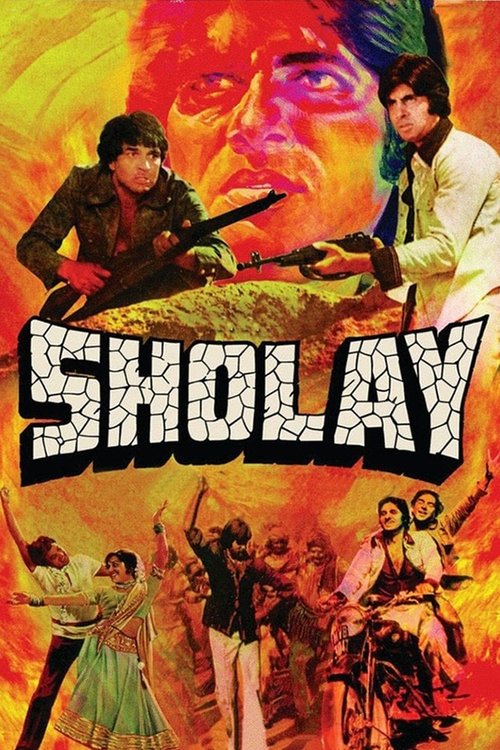
Sholay1975
Both are frontier communities threatened by a real menace, resolved through spectacle and song — Sholay just imports the Western wholesale and runs it through Hindi cinema's musical machinery instead of Broadway's.
A three-hour Bollywood landmark that steals the American Western's frontier swagger and bolts on song, dance, and a genuinely menacing villain — everything Oklahoma! does with courtship and community, turned up in a different cultural key.
But It's long, subtitled, and swings between comedy, tragedy and musical number with an abandon that can feel disorienting if you're used to tidier genre lines.
More like this (8)
South Pacific1958no page yet
Rodgers and Hammerstein again, trading prairie for tropical island and adding real moral weight — a wartime romance that actually grapples with prejudice, not just courtship jitters.
But The famous color-filter cinematography is a strange, dated choice plenty of viewers find distracting.
Calamity Jane1953no page yet
Doris Day in buckskins, belting through a frontier town with the same tomboy energy Ado Annie only flirts with. Faster, funnier, and far less precious about its own Americana.
But It's slighter and sillier — no dream ballets, no real emotional stakes.
Annie Get Your Gun1950no page yet
Another sharpshooting frontier romance built on rivalry-as-courtship, with Irving Berlin standards instead of Rodgers and Hammerstein. Betty Hutton is an absolute live wire in the lead.
But The central romance plays as more combative than charming by modern standards.
The King and I1956no page yet
The third leg of the classic R&H screen trilogy — same grand orchestration, same insistence that a musical can carry real cultural and political tension underneath the waltzes.
But Yul Brynner aside, its depiction of Siam is very much a product of its era.
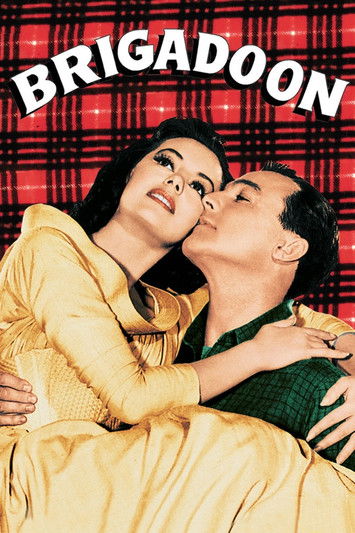
Brigadoon1954
Gene Kelly, tartan instead of denim, and a fantastical twist on the 'stranger falls for local girl' plot — proof the genre could get genuinely strange and still sing beautifully.
But The Scottish setting was shot entirely on a Hollywood soundstage, and it shows badly.
Paint Your Wagon1969no page yet
A later, boozier entry in the frontier-musical tradition, with Clint Eastwood and Lee Marvin — yes, singing — and a shaggier, more cynical view of the Old West.
But The singing is famously rough and the film sprawls well past two and a half hours.
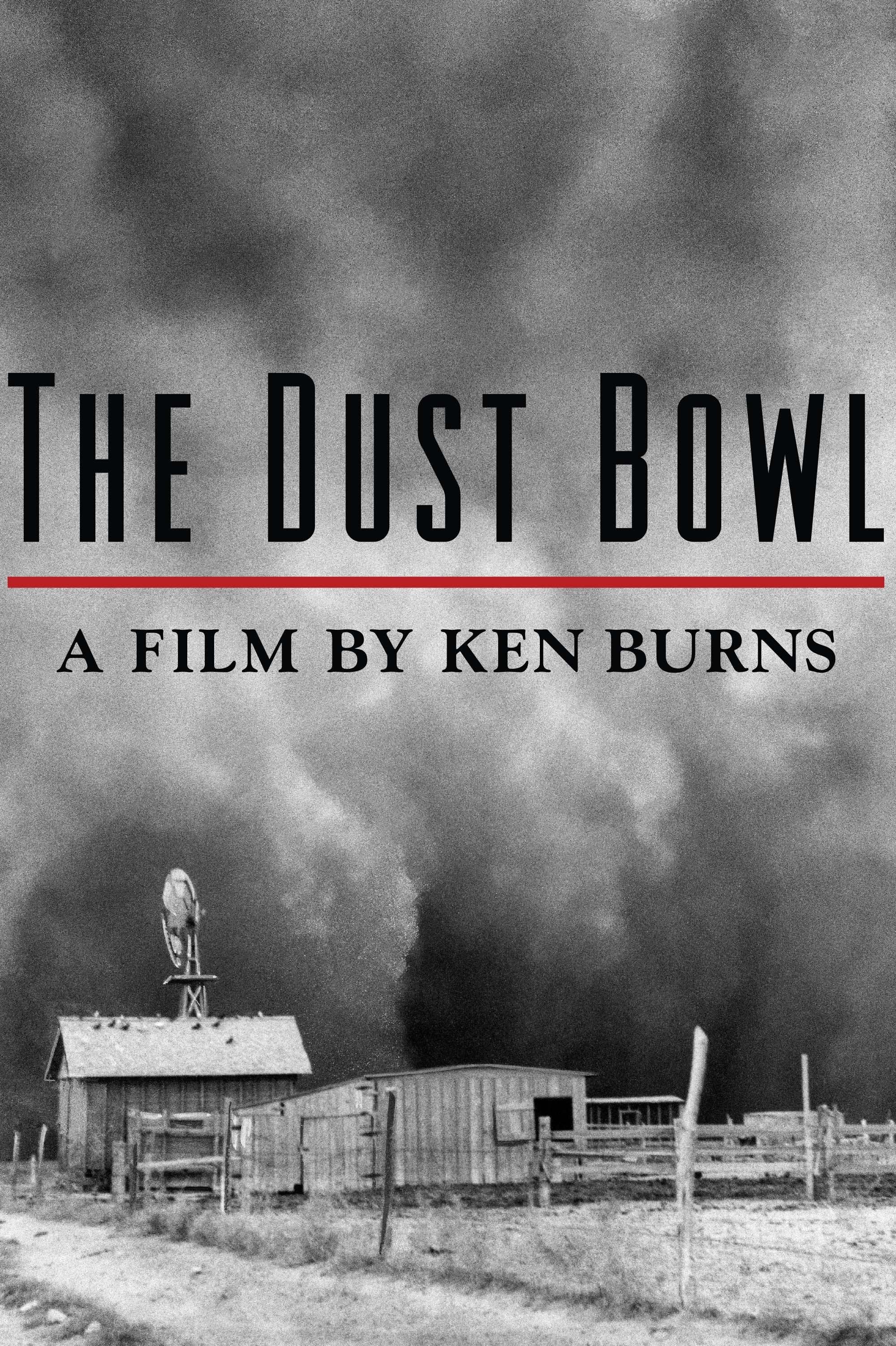
The Dust Bowl2012
Oklahoma! sells the frontier as destiny and abundance; this documentary shows the same land a generation later, when that myth collapsed into dust — the unsung sequel nobody ever set to music.
Ken Burns' documentary tells you what actually happened to the land Oklahoma! sings about — drought, dispossession, exodus — in the voices of people who lived through it. The unglamorous truth behind the wheat-field mythology.
But It's a sobering, several-hour history lesson with none of the music or romance — a hard tonal reversal from what you just watched.
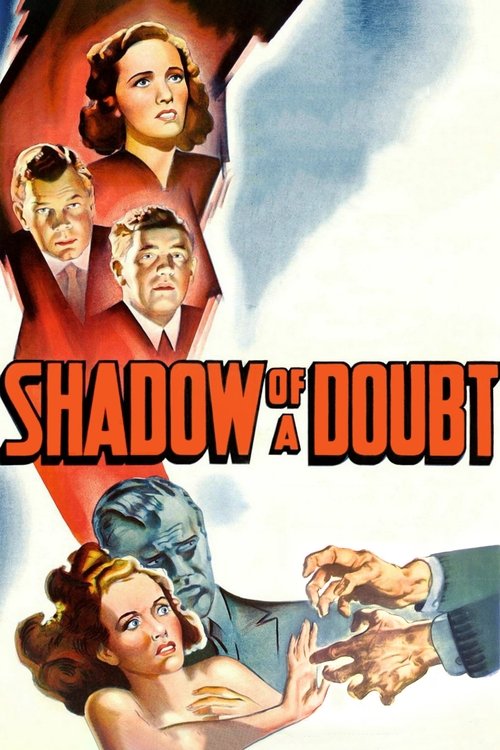
Shadow of a Doubt1943
Jud Fry is Oklahoma!'s uncomfortable secret, the menace the community would rather sing past than confront. Hitchcock built an entire film, the same year, around refusing to look away from exactly that.
Hitchcock's own favourite of his films, made the same year Oklahoma! opened on Broadway: a charming outsider arrives in a cheerful small town, and everyone chooses not to see what he really is — until someone has to.
But It's a black-and-white thriller with zero songs and a genuinely unsettling atmosphere — not remotely the mood you're probably in after a Technicolor musical.
People
Cast
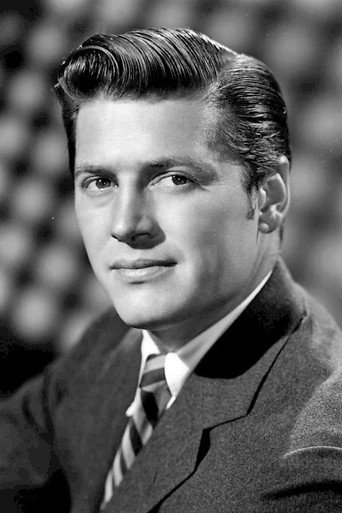 Gordon MacRaeCurly McLain
 Shirley JonesLaurey Williams
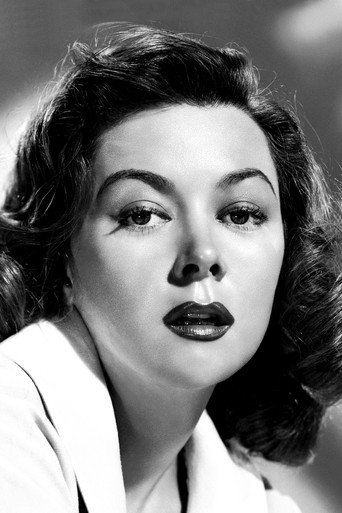 Gloria GrahameAdo Annie Carnes
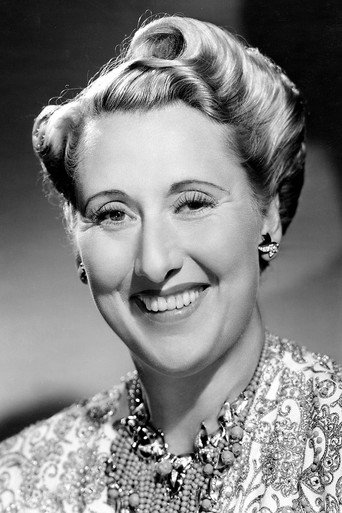 Charlotte GreenwoodAunt Eller
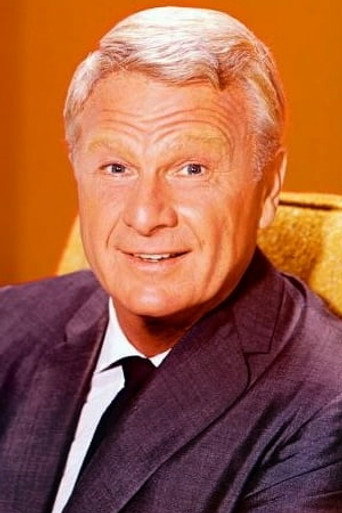 Eddie AlbertAli Hakim
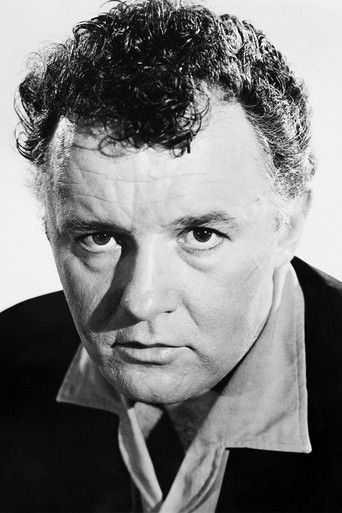 Rod SteigerJud Fry
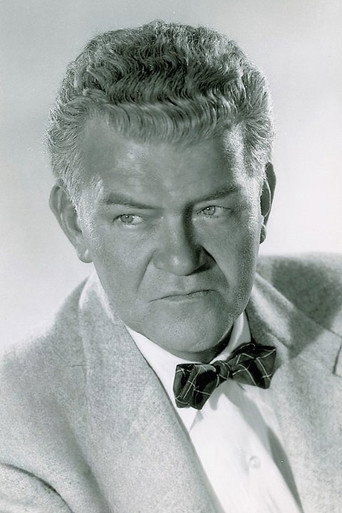 Jay C. FlippenSkidmore
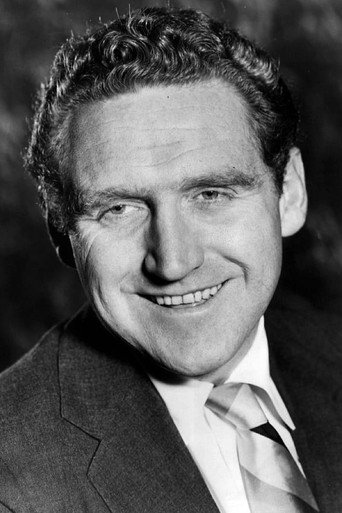 James WhitmoreMr. Carnes
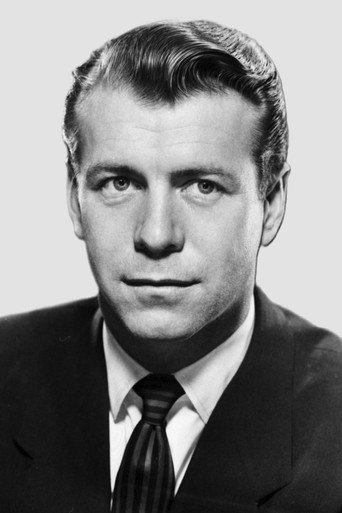 Gene NelsonWill Parker
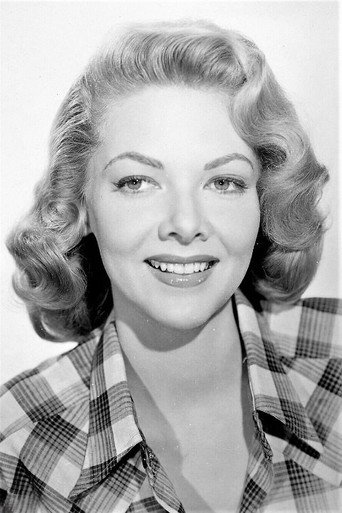 Barbara LawrenceGertie
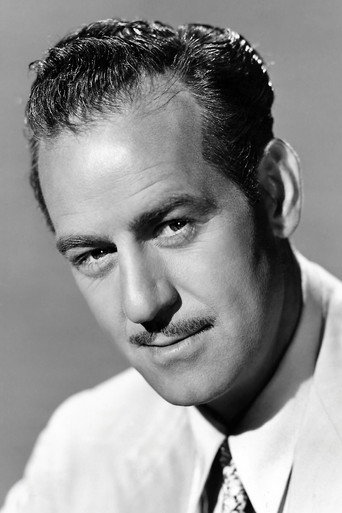 Roy BarcroftMarshal
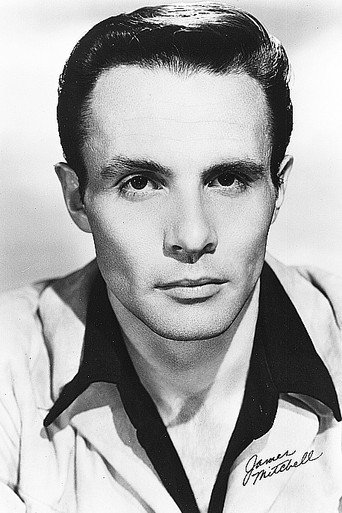 James MitchellDream Curly / Dancer
Directing
- Arthur S. Black Jr.Assistant Director
- Edward F. MullAssistant Director
- Howard JoslinAssistant Director
- Jack VoglinAssistant Director
- Milton CarterAssistant Director
- Russ HaverickAssistant Director
- Fred ZinnemannDirector
- Robert E. RelyeaSecond Assistant Director
- James Curtis HavensSecond Unit Director
Writing
- Oscar Hammerstein IIBook
- Oscar Hammerstein IILyricist
- Oscar Hammerstein IIMusical
- Richard RodgersMusical
- Sonya LevienScreenplay
- William LudwigScreenplay
- Lynn RiggsTheatre Play
Production
- Jack FriedkinCasting
- Ted StanhopeCasting
- William MayberyCasting
- Oscar Hammerstein IIExecutive Producer
- Richard RodgersExecutive Producer
- Arthur Hornblow Jr.Producer
- John FearnleyProduction Assistant
Recommended by
The Music Man, Seven Brides for Seven Brothers, Cimarron, Brigadoon, The Dust Bowl, Carousel