
Film
Calamity Jane
- Comedy western
- Light-hearted
A Technicolor Western musical where Doris Day's tomboyish sharpshooter Calamity Jane falls for Wild Bill Hickok while feuding with a visiting actress. It's exuberant, tender, and unashamed about its own joy—less interested in grit than in the electricity of romance and the thrill of a great song. For anyone who loves musicals, Westerns, or the particular magic of 1950s Hollywood.
Should you watch it?
Watch it if you love breezy Western romps where the banter crackles between two stubborn leads and the songs arrive as natural extensions of the rivalry.
Skip it if you want a gritty, grounded frontier of dust and moral weight; this is a candy-coloured, stage-bound myth that plays fast and loose with history.
What it asks of you: Around a hundred minutes of brisk, bright sequences that mostly hurry from one number to the next, asking little more than a willingness to be cheerful.
Not sure? Find tonight's pick in a minute.
If you liked this
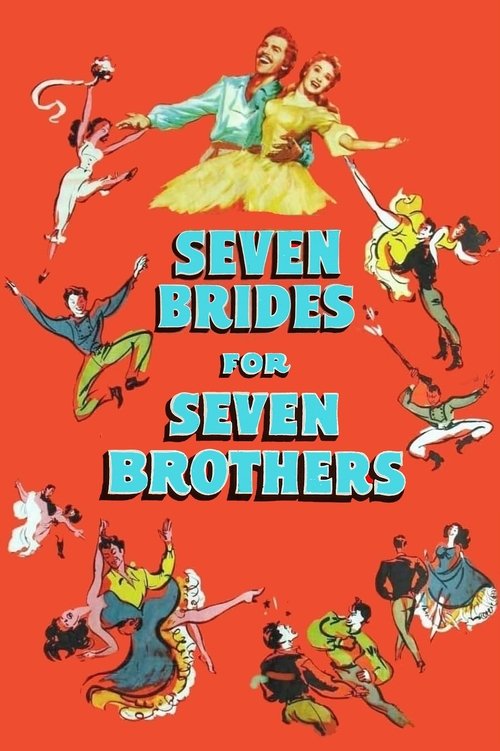
Seven Brides for Seven Brothers1954
Another 1950s musical that pairs frontier swagger with genuine warmth and electrifying dance numbers. The barn-raising sequence alone is worth the price of entry, and the romance between the leads has the same easy charm.
But It's a musical, which means conversation stops for songs. Some plot elements around courtship feel actively uncomfortable by modern standards.
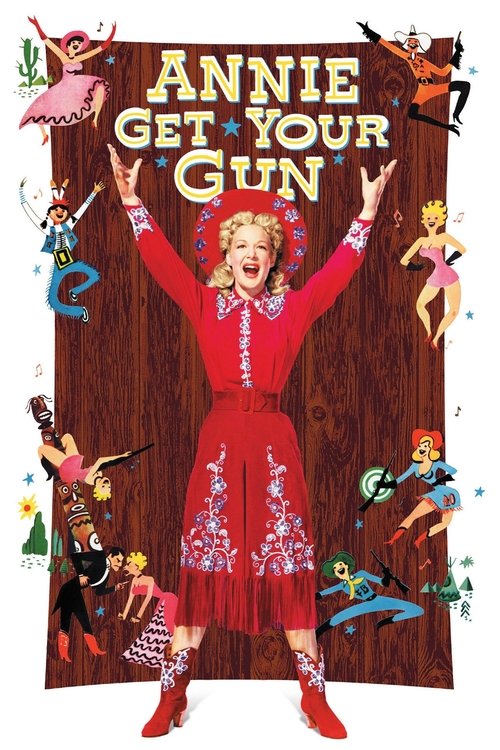
Annie Get Your Gun1950
Doris Day's closest spiritual relative—Betty Hutton as a sharpshooter who loves a man but won't surrender her independence. Irving Berlin's songs are magnificent, and the gender dynamics have real edge beneath the glitter.
But The pacing can feel glacial in the middle act, and some of the ethnic comedy hasn't aged gracefully.
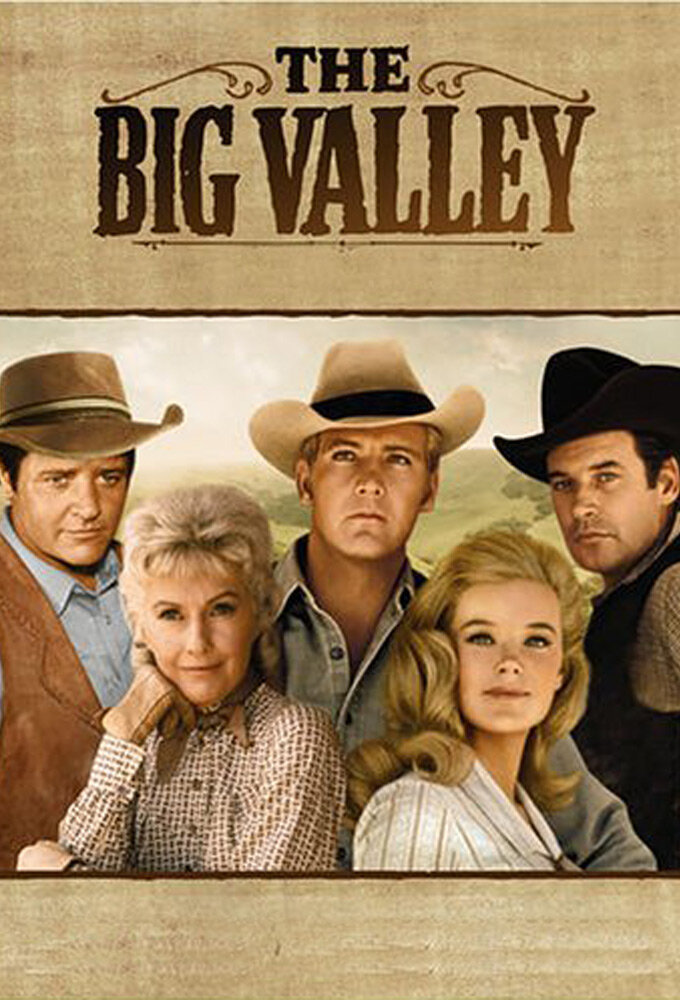
The Big Valley1965
Barbara Stanwyck as the matriarch of a California ranch, commanding every scene with tough grace. It's a Western that respects its female lead as more than decoration, with excellent plotting and a genuinely great cast.
But It's episodic television, so commitment is required. Some episodes meander, and the tone can slip between serious drama and soap opera.
Not sure tonight? Get a pick in a minute, starting from Calamity Jane
The wildcard
Something you would not have found on your own.
The Ballad of Little Jo1993
Both use the Western and a woman who defies convention as the frame, but Calamity Jane celebrates that defiance in song while Little Jo explores what it takes to maintain it.
A Western where a woman disguises herself as a man to survive the frontier—same central premise as Calamity Jane's independence, but with real historical grounding and no musical comfort. Maggie Sinclair's performance is quietly devastating.
But It's a revisionist Western that earns its tragedy. If you want the exuberance and romance of Calamity Jane, this film will confront you with the cost of that freedom.

More like this (8)
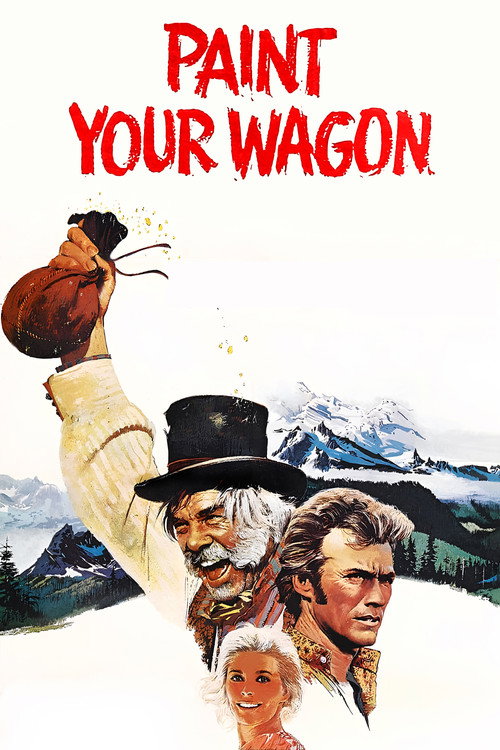
Paint Your Wagon1969
A Western musical that doesn't apologize for its scale or sentiment. The songs are gorgeous, the landscape is stunning, and there's real humanity beneath the prospector adventure.
But Nearly three hours long and occasionally aimless. Some find the earnestness cloying, and the romantic triangle takes patience to care about.
Singin' in the Rain1952
Pure joy from frame one. Gene Kelly and Donald O'Connor make you believe that dancing can solve anything, and the technical virtuosity feels effortless. A masterpiece of the musical form.
But If musicals leave you cold, this won't convert you. It's also completely weightless—which is the point, but matters if you're after substance.

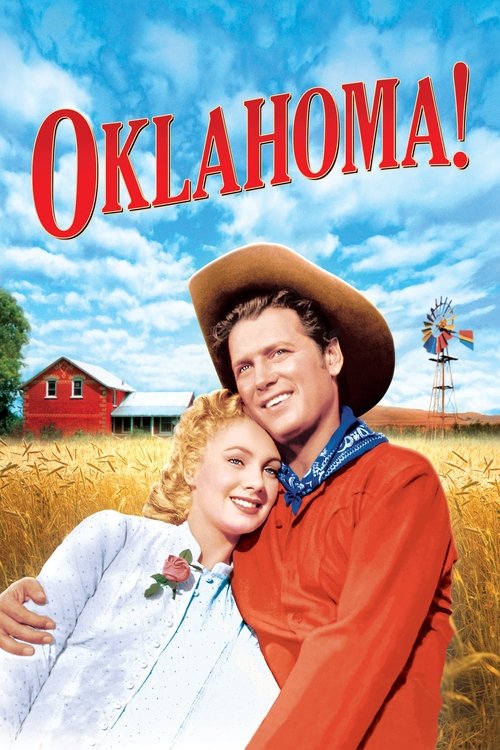
Oklahoma!1955
Rodgers and Hammerstein at their peak, with real emotional stakes beneath the song-and-dance. The dream ballet is extraordinary, and the territory itself becomes a character.
But Quite long for what is essentially a love triangle. The opening act moves slowly, and you need to be patient with theatrical pacing.
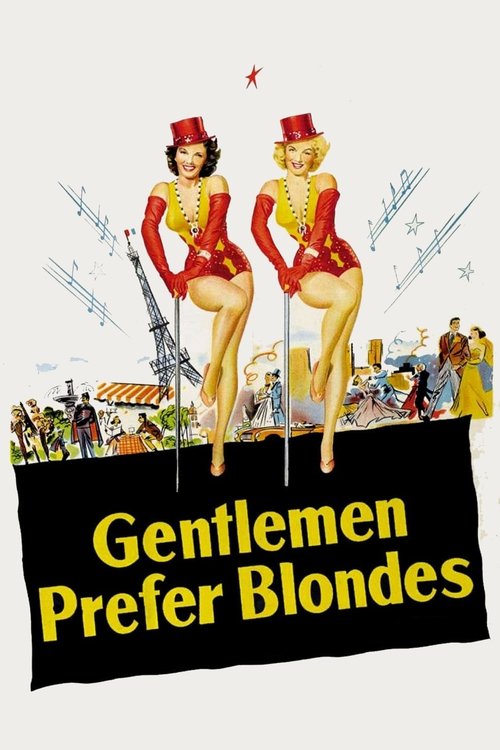
Gentlemen Prefer Blondes1953
Marilyn Monroe and Jane Russell, the same year as Calamity Jane, with Cole Porter songs and a film that understands its own camp. It's funny, sexy, and performed with wink-to-camera brilliance.
But The satire of women pursuing men for money is sharp, but modern viewers will find the gender politics bracing at best.
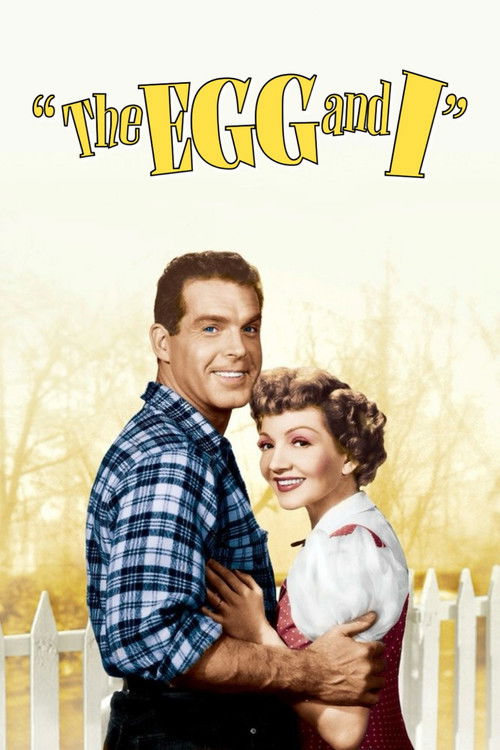
The Egg and I1947
Claudette Colbert and Fred MacMurray on a Washington chicken farm, with screwball energy and genuine affection between the leads. It's lighter than Calamity Jane but shares its warmth and romantic vim.
But The plot is thin and the stakes are domestic. It's a pleasant diversion rather than something you'll think about afterward.
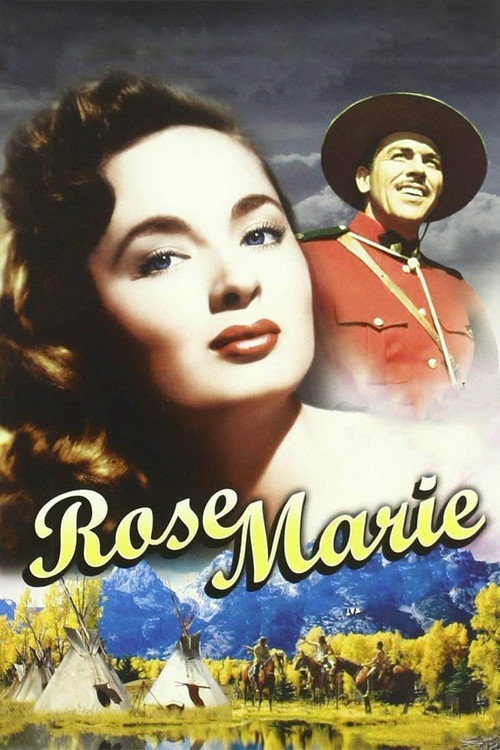
Rose Marie1954
Ann Blyth and Howard Keel (your Calamity Jane costar) in the Canadian wilderness, with Operetta grandeur and surprising emotional depth. Keel gets to showcase his extraordinary voice in a more dramatic setting.
But It's deeply old-fashioned in its sensibilities, and the plot—a woman following a man into the wilderness—creaks. The pacing is theatrical rather than cinematic.
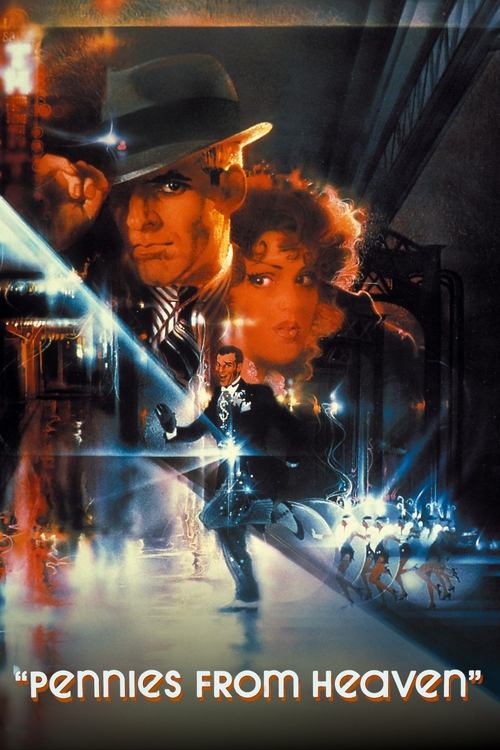
Pennies from Heaven1981
Both are musicals built on star power and desire, but Pennies from Heaven uses that apparatus to explore loss while Calamity Jane uses it to celebrate joy. One is asking what we dream of; the other is that dream.
A Depression-era musical where Steve Martin and Bernadette Peters lip-sync to period recordings while acting out gorgeous Fred Astaire and Ginger Rogers numbers. It's heartbreaking and visually stunning, using the musical form to reach toward something unreachable.
But It's a deep, dark meditation on yearning that uses musical numbers to make the pain sharper, not sweeter. The tonal whiplash between depression and glitter is intentional and destabilizing.
Merrily We Roll Along
Both are about the exhilaration of companionship and song, but Merrily shows what happens when that exhilaration fades. One celebrates the moment; the other grieves what the moment cost us.
Sondheim's fractured musical told backward, following three friendships and dreams across decades. It's achingly alive in a way that most musicals aren't—the songs make you hurt because you recognize the people onstage.
But It's a stage musical filmed for television, which means theatrical staging in close-up. The emotional sophistication is adult and sometimes bleak. It asks you to sit with loss.
People
Cast
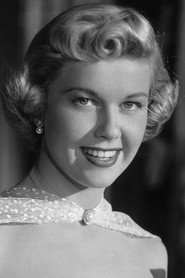 Doris DayCalamity Jane
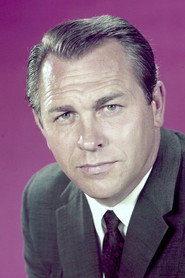 Howard KeelWild Bill Hickok
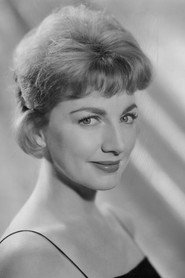 Allyn Ann McLerieKatie Brown
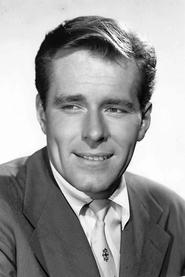 Philip CareyLieutenant Danny Gilmartin
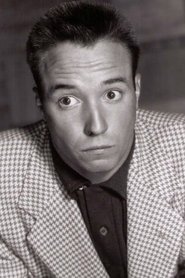 Dick WessonFrancis Fryer
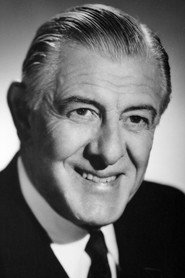 Paul HarveyHenry Miller
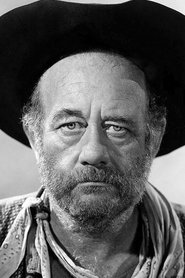 Chubby JohnsonRattlesnake
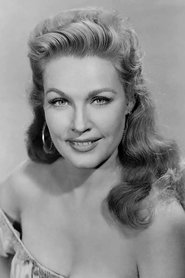 Gale RobbinsAdelaid Adams
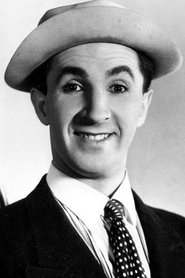 Billy BletcherProspector (uncredited)
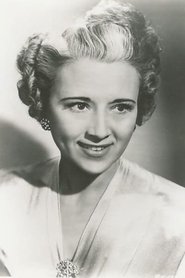 Bess FlowersOfficer's Wife in Reception Line (uncredited)
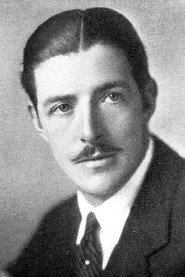 Colin KennyChicagoan (uncredited)
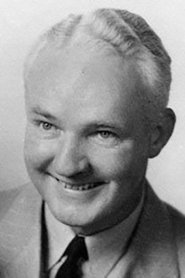 Frank McLureOfficer at Fort Dance (uncredited)
Directing
- Philip QuinnAssistant Director
- David ButlerDirector
Writing
- Paul Francis WebsterLyricist
- James O'HanlonWriter
Production
- William JacobsProducer
Recommended by
Seven Brides for Seven Brothers, Oklahoma!, Annie Get Your Gun, Bad Girls, Torch Song, Heller in Pink Tights