
Film
Rose Marie
Other titles called Rose Marie: the 1936 film.
- Romantic comedy
- Light-hearted
A 1954 MGM musical that moves with genuine grace through a love triangle set in the Canadian wilderness. Ann Blyth sings beautifully, Howard Keel is charming and solid, and the production values are lush without feeling bloated. It's a film that knows what it is—romantic, cheerful, unpretentious—and executes that with the confidence of a studio system at its peak. For anyone who loves classic musicals with real orchestral warmth.
Should you watch it?
Watch it if you love old-fashioned Hollywood operetta, where the big sung-out romances, lavish mountain scenery and broad, pratfall-friendly comedy carry the whole evening with a grin.
Skip it if you tire of one sentimental ballad after another, or find a stiff, earnest romance hard going once the mountain melodrama takes hold.
What it asks of you: Settle in for a long, leisurely two hours, where the pace lingers on songs and scenery, and the mood stays bright and light rather than urgent.
Not sure? Find tonight's pick in a minute.
If you liked this
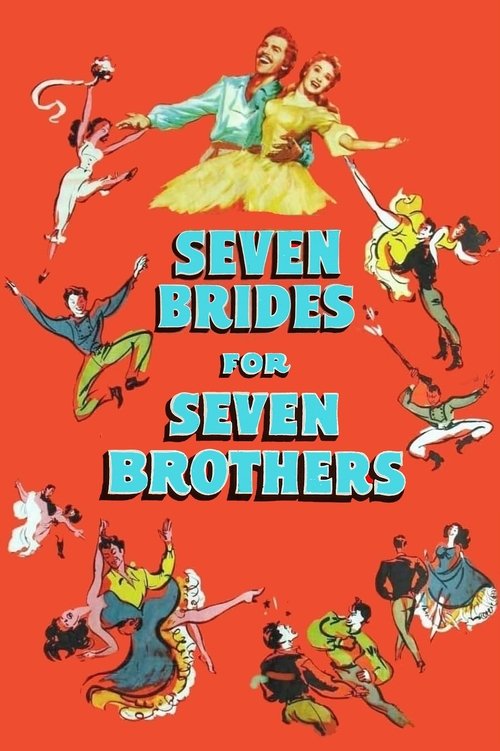
Seven Brides for Seven Brothers1954
Released the same year, this is the gold standard for mid-century MGM musicals: vibrant, funny, physically inventive choreography that still astonishes, and a genuinely winning love story. The barn-raising scene alone justifies the whole thing.
But The gender dynamics are period-typical and bluntly stated. If you need your 1950s musicals to feel modern, this won't bend for you.
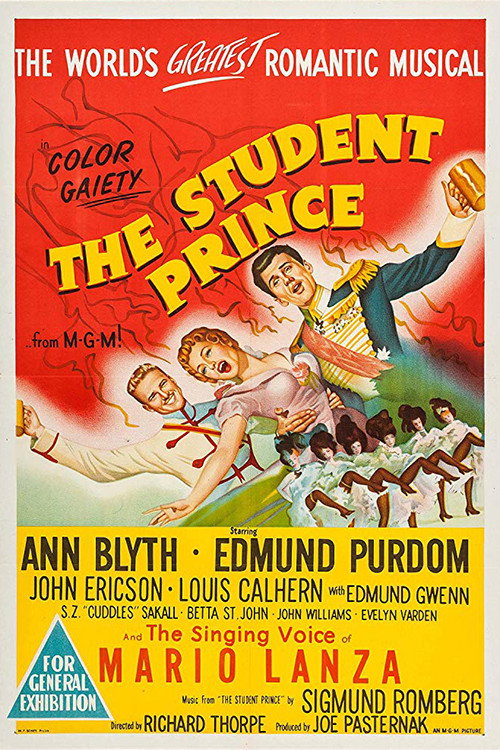
The Student Prince1954
Another 1954 musical with Edmund Purdom and Ann Blyth together—she has incredible chemistry with him, and the Heidelberg setting is romantic without being saccharine. The score is genuinely lovely.
But It's more operetta than Broadway. If you find yourself impatient with sustained vocal numbers, the whole thing might feel slow.
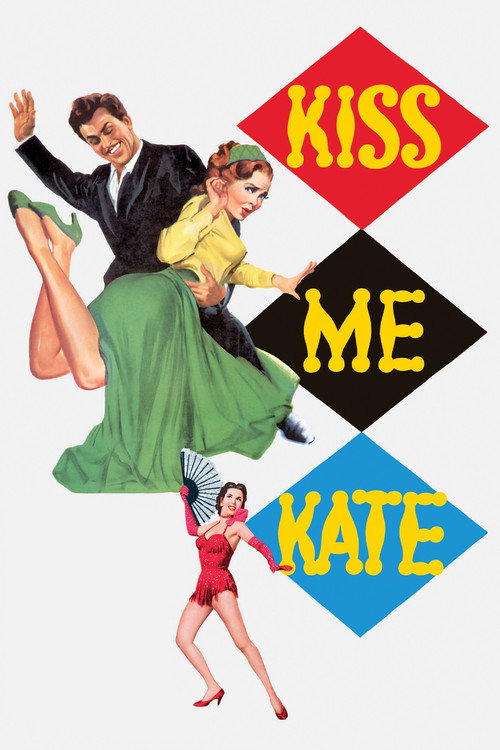
Kiss Me Kate1953
A backstage musical where the energy never flags and the dancing is genuinely witty. It's got the same confidence in spectacle that Rose Marie has, but turned up several notches. The chemistry between leads feels lived-in and combative in the best way.
But It's louder and sharper-edged. If Rose Marie felt to you like a warm bath, this one's a cold plunge.
Not sure tonight? Get a pick in a minute, starting from Rose Marie
The wildcard
Something you would not have found on your own.
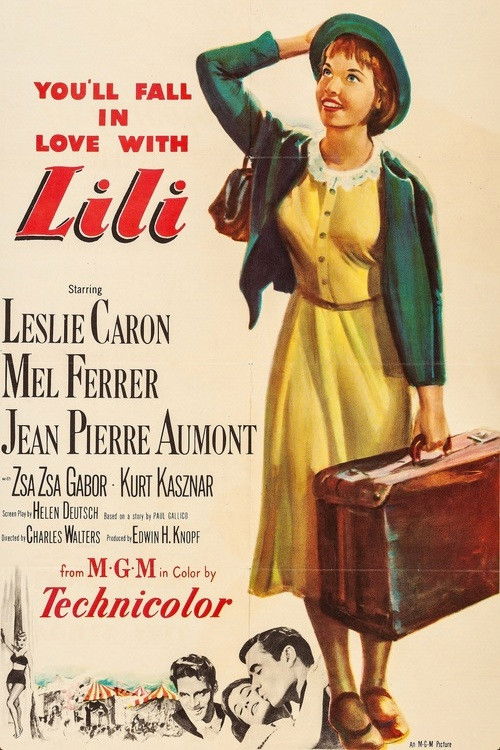
Lili1953
Both are mid-1950s musicals about finding love in an unforgiving world, but where Rose Marie is extroverted and confident, Lili is inward and vulnerable. Both have Caron in different registers, and both trust their audience to care about the emotional truth beneath the spectacle.
Mel Ferrer and Leslie Caron in a film about love, loneliness, and finding your place. It has the same gentle romanticism as Rose Marie but filters it through shadow puppets, carnivals, and genuine melancholy. The Waltz of the Flowers sequence is extraordinary. It's like Rose Marie's sadder, more artistic sibling.
But It's quieter and more introspective. The magical realism might feel precious to you, and there's real heartbreak that doesn't resolve neatly.
More like this (8)
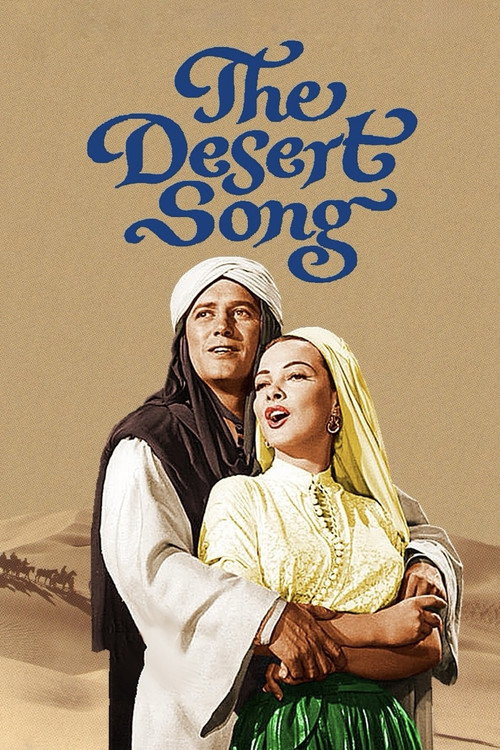
The Desert Song1953
Another Kathryn Grayson vehicle with a similar romantic setup and gorgeous Technicolor. It's all swollen orchestras and sincere emotion. If you loved Rose Marie's earnestness, this leans harder into melodrama in a way that's oddly satisfying.
But The plot is genuinely thin, and it knows it. You have to be okay with plot as scaffolding for songs and spectacle.
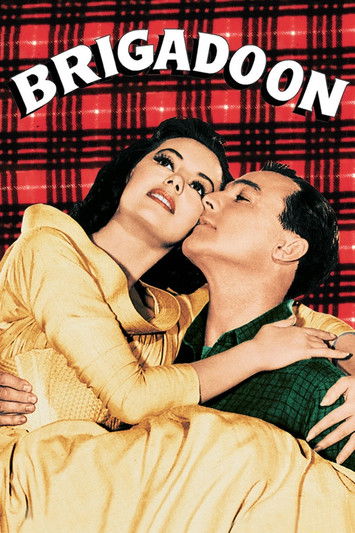
Brigadoon1954
The same year again—1954 was a peak year for musicals. This one is wistful, beautifully shot on soundstages that don't pretend to be real, and genuinely moving. Gene Kelly and Cyd Charisse have real romantic weight together.
But It's more sentimental, less plot-driven. Some find the fantasy setup precious; others find it moving.
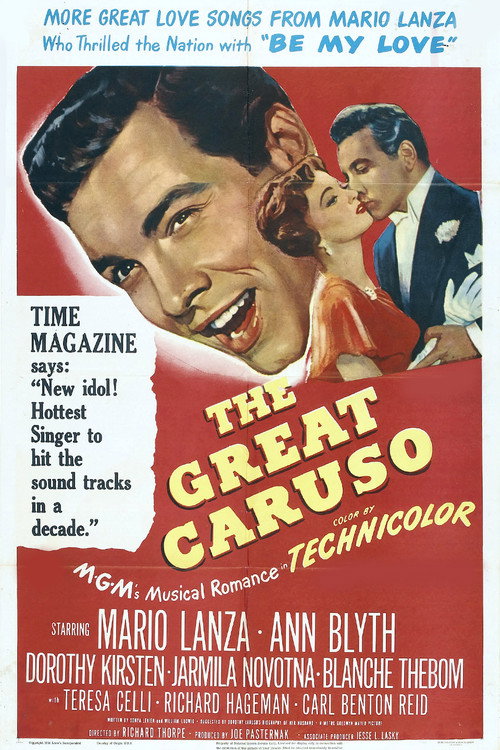
The Great Caruso1951
Mario Lanza in full voice, opera house glamour, and genuine emotion. If you love pure singing and don't mind the plot being secondary, this is a masterclass in how to film classical music for audiences who want spectacle and sincerity together.
But It's a biographical sketch stretched thin. The drama is mostly excuse for Lanza to sing, which is either perfect or frustrating depending on your patience.
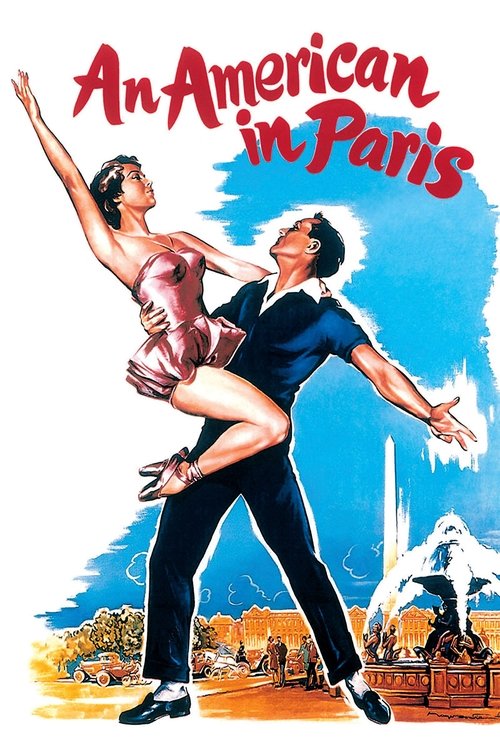
An American in Paris1951
Gene Kelly, Leslie Caron, a Gershwin score, and Vincente Minnelli directing. It's romantic without being coy, beautifully made, and the extended ballet finale is genuinely inspired. The love story feels earned.
But The ballet can feel indulgent. And the opening half-hour moves slowly while establishing mood; some find it precious rather than romantic.
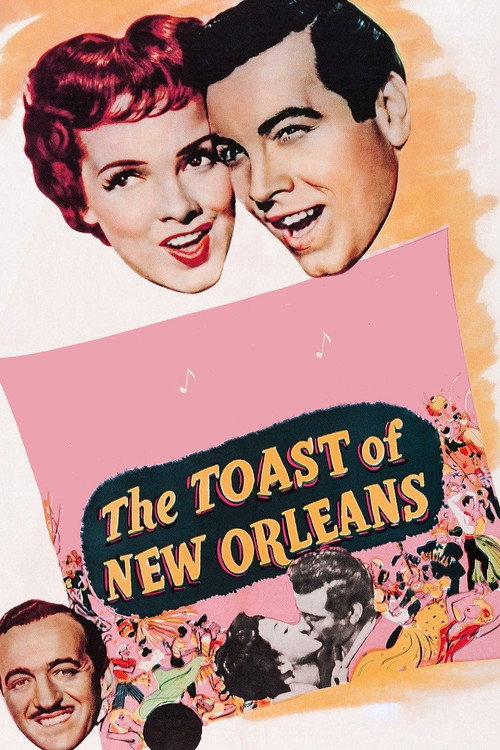
The Toast of New Orleans1950
Mario Lanza and Kathryn Grayson again, with a score by Sammy Cahn and Nicholas Brodszky. It's lighter and breezier than The Great Caruso, and Lanza is genuinely charismatic when the film doesn't take itself too seriously.
But The plot is gossamer-thin and the dramatic moments land unevenly. You really do have to come for the singing, not the story.
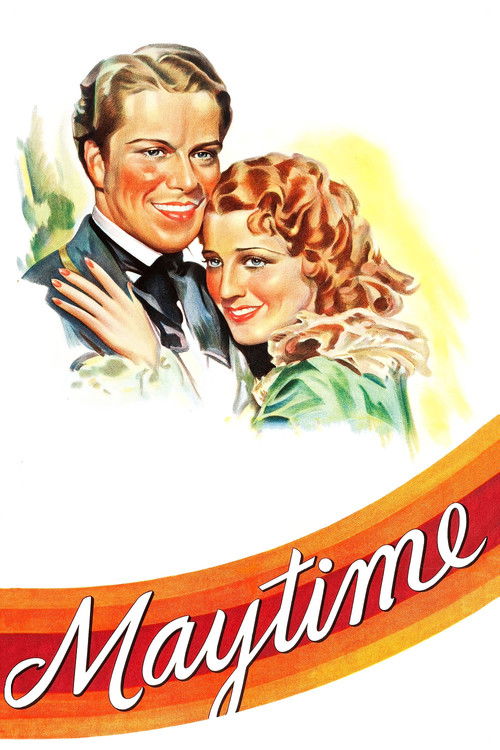
Maytime1937
An earlier musical that has much the same romantic simplicity as Rose Marie, but with Jeanette MacDonald in her prime. It's worth seeing as an ancestor to what Rose Marie is doing—proof that the formula worked decades before and still works.
But It's black-and-white and feels older. If you need Technicolor and 1950s production values to stay engaged, this won't have them.
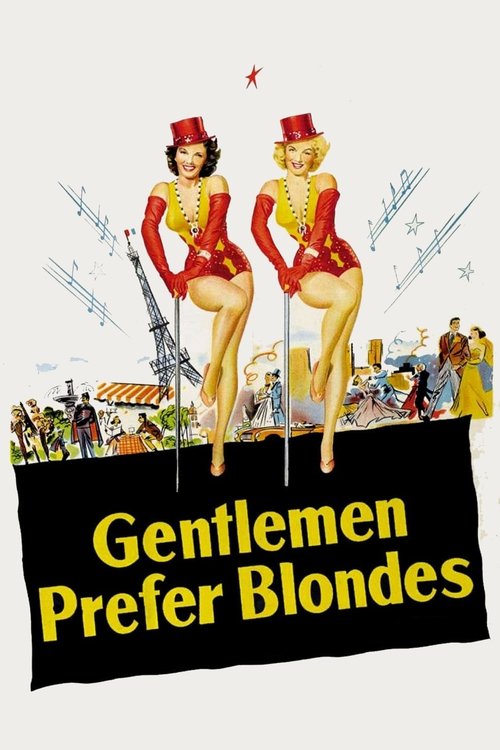
Gentlemen Prefer Blondes1953
Both are 1953–54 musicals built around beautiful women and handsome men, but where Rose Marie plays the romance earnestly, Gentlemen Prefer Blondes is in on its own joke. Same era, same studio system machinery, opposite register. A wildcard in tone rather than obscurity.
Marilyn Monroe and Jane Russell, a score that never quits, and direction by Howard Hawks that makes the whole thing feel like a conspiracy you're in on. It's buoyant, knowing, and endlessly rewatchable. The musical numbers are genuinely funny, not just pretty.
But The attitude toward sex and marriage is transactional and deliberately so. If you want your romance played straight, this one winks too much.
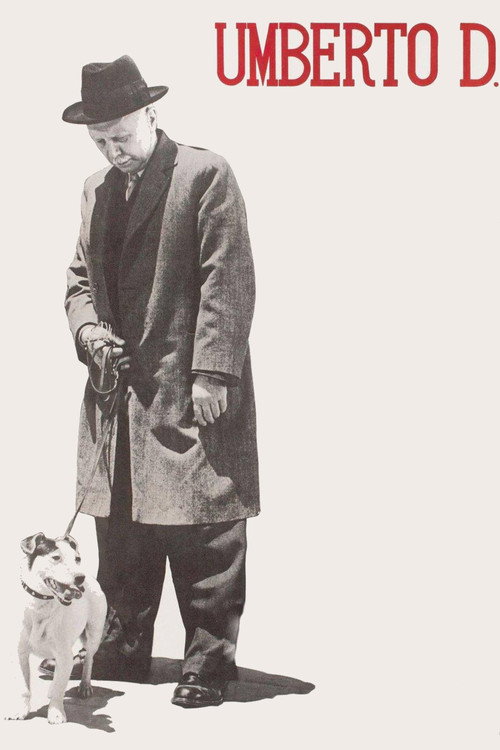
Umberto D.1952
Both are films that believe in the power of sincere emotion—in letting the audience care openly about characters' happiness. Rose Marie does it through Technicolor and orchestras; Umberto D. does it through an old man and a stray dog. Same faith, opposite aesthetics. Worth watching if you realize what you loved about Rose Marie wasn't the spectacle, but the heart underneath it.
A Vittorio de Sica film about an old man, his dog, and poverty in postwar Rome. No music, no romance in the traditional sense. But it has the same emotional directness as Rose Marie—the same willingness to let you feel something simple and true without irony or complication. It's a film that trusts sentiment.
But It's Italian neorealism, which means it's slow, sad, and unglamorous. If you came for spectacle and singing, this is the opposite of everything Rose Marie offers.
People
Cast
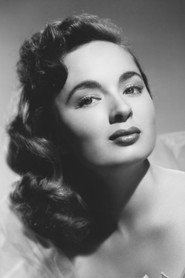 Ann BlythRose Marie Lemaitre
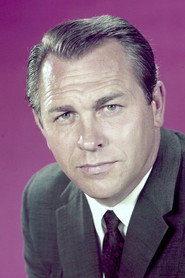 Howard KeelCapt. Mike Malone
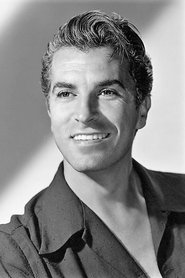 Fernando LamasJames Severn Duval
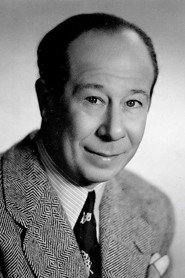 Bert LahrBarney McCorkle
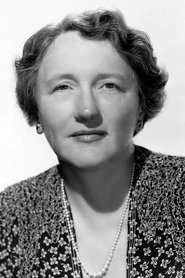 Marjorie MainLady Jane Dunstock
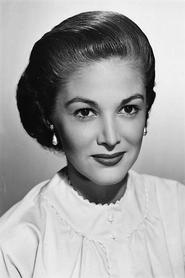 Joan TaylorWanda
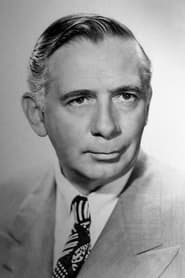 Ray CollinsInsp. Appleby
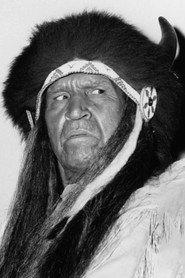 Chief YowlachieBlack Eagle
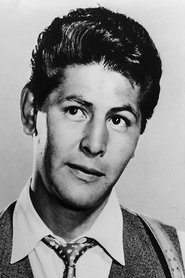 Abel FernandezIndian warrior
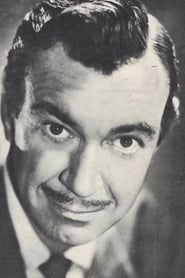 Thurl RavenscroftIndian medicine man
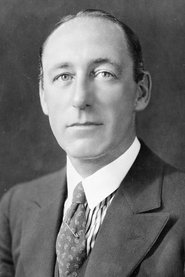 Lumsden HareJudge
- Gordon RichardsAttorney
Directing
- Arvid GriffenAssistant Director
- Mervyn LeRoyDirector
Writing
- Herbert BakerLyricist
- Oscar Hammerstein IILyricist
- Otto A. HarbachLyricist
- Paul Francis WebsterLyricist
- George FroeschelScreenplay
- Ronald MillarScreenplay
- Oscar Hammerstein IIWriter
- Otto A. HarbachWriter
Production
- Arthur Hornblow Jr.Producer
- Jack CummingsProducer