
Film
The Toast of New Orleans
A 1950 musical romance where a refined opera singer discovers a naturally gifted fisherman in the Louisiana bayou and brings him to New Orleans for training. It's a glitzy, earnest showcase for tenor Mario Lanza's voice, built on the fish-out-of-water charm and the collision between high art and raw talent. For anyone who loves classic Hollywood musicals with genuine vocal firepower.
If you liked this
Singin' in the Rain1952
The gold standard of Hollywood musicals: joyful, inventive, technically dazzling, with Gene Kelly and Donald O'Connor delivering performances so precise and exuberant they feel effortless. Pure cinema joy.
But If you find the plot thin or the mid-century gender politics uncomfortable, the spectacle alone won't carry you. It moves fast, but it moves in one gear.

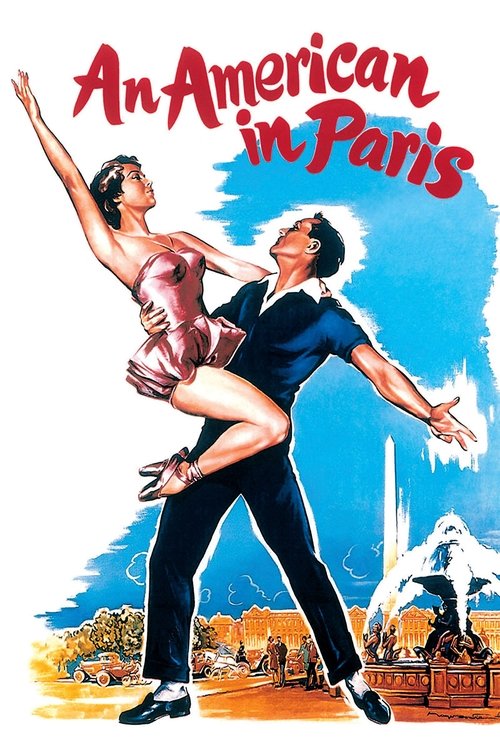
An American in Paris1951
Gershwin music, Gene Kelly, a sprawling romantic plot tied together by one of cinema's great ballet sequences. It's ambitious, romantic, and built to sweep you away into the story's world.
But The whimsy occasionally curdles into artificiality. If you're allergic to staginess or can't enjoy a film that stops dead for a 17-minute ballet, this won't work.
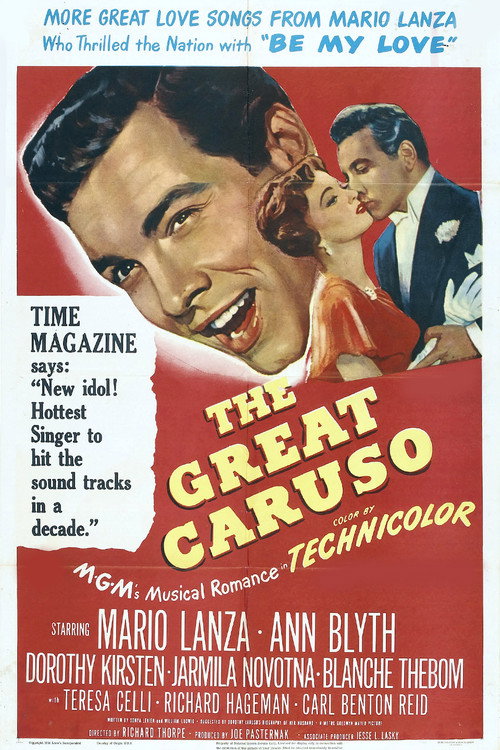
The Great Caruso1951
Another Mario Lanza vehicle that lets him sing glorious arias while wrapped in a biopic about the legendary tenor. If you love The Toast of New Orleans, you're already halfway to loving this one.
But The plot is purely functional—basically a frame to hang songs on. Lanza's acting is pleasant but thin, and the narrative doesn't require much of him or you.
Not sure tonight? Get a pick in a minute, starting from The Toast of New Orleans
The wildcard
Something you would not have found on your own.
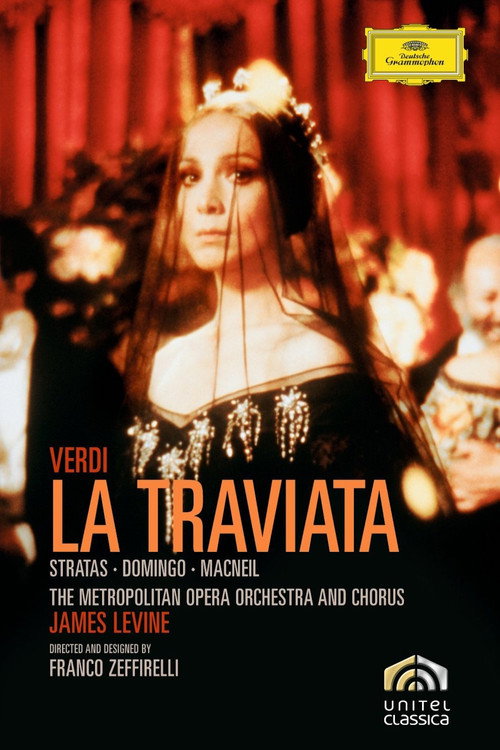
La traviata1982
The Toast of New Orleans uses opera as a vehicle for romance and spectacle; La Traviata IS that spectacle but inverts the emotional register entirely—from giddy courtship to inexorable sorrow. Both argue that great singing transforms what you feel.
Francesco Zeffirelli's film of Verdi's opera is a masterclass in what an opera can be when freed from the stage. Sumptuous, heartbreaking, with singing that makes you believe in the music as absolute truth. It's operatic spectacle that doesn't require you to love opera already.
But It's a three-hour commitment in Italian with subtitles, and the plot (courtesan dies of consumption) is deliberately, relentlessly tragic. There's no lightness, no reprieve.
More like this (8)
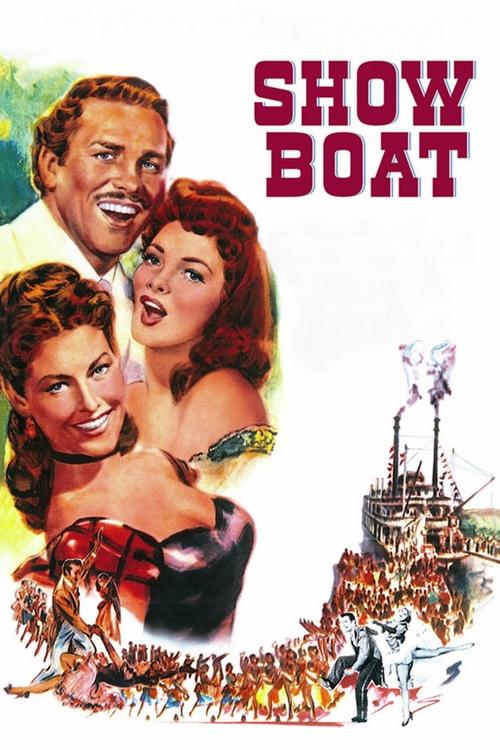
Show Boat1951
A sweeping musical romance with Ava Gardner and Howard Keel, built on the Kern-Hammerstein score. Lavish, romantic, genuinely moving when it wants to be, with world-class singing throughout.
But The film doesn't reckon honestly with its own racial politics, which lands uncomfortably. Also runs long, and not every scene justifies its length.
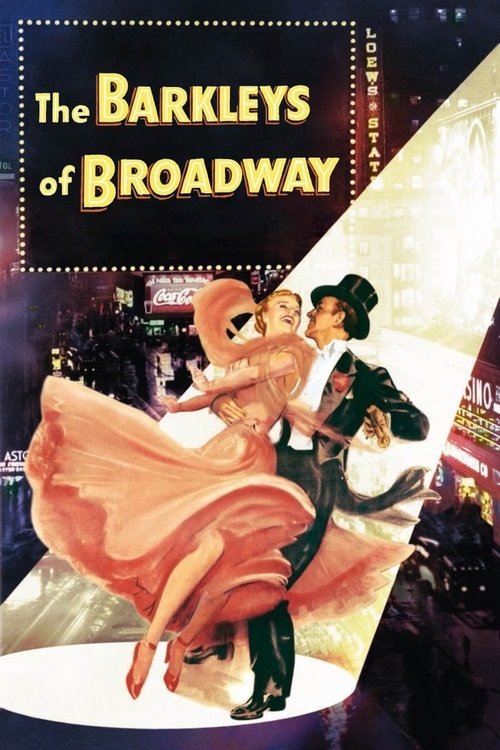
The Barkleys of Broadway1949
Fred Astaire and Ginger Rogers reunited after a decade apart, dancing and singing through a backstage romance. Effortless elegance, witty dialogue, and some of the most beautiful dance sequences ever filmed.
But If you don't care about dance, you'll find stretches where the plot stalls. The whole thing is premise-thin and happy to stay that way.
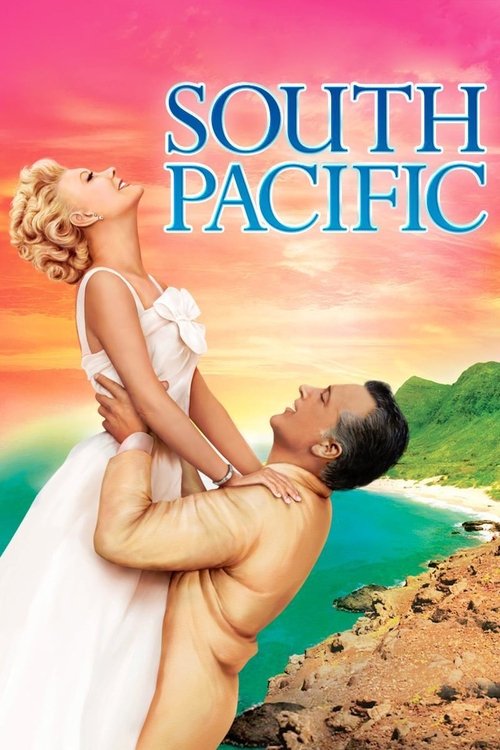
South Pacific1958
Rodgers and Hammerstein's sweeping wartime romance, gorgeously shot in Todd-AO. It's operatic in scope if not in form: lush, earnest, and built to make your heart swell.
But The film suffers from dated racial attitudes and some truly awkward casting choices. The pacing is leisurely to a fault, and not everyone will forgive that.
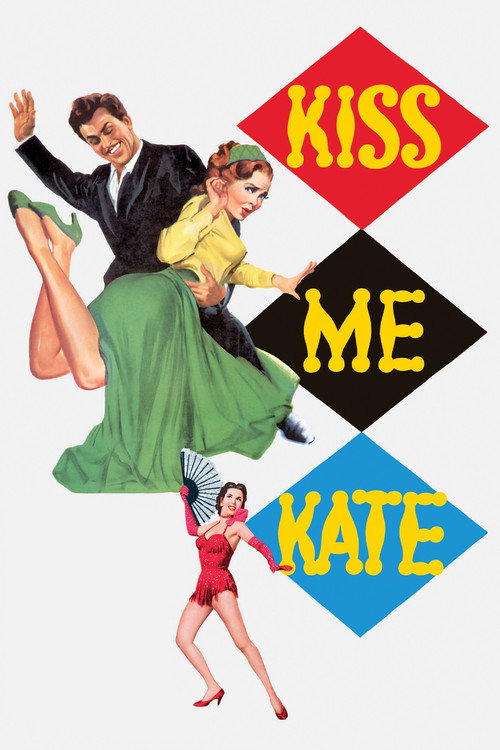
Kiss Me Kate1953
A Cole Porter musical wrapped around The Taming of the Shrew, with Kathryn Grayson (your Toast co-star!) and Howard Keel sparring with charm and vocal splendor. Smart, musical, and genuinely entertaining.
But The setup is convoluted and the backstage intrigue feels thin. Some of the musical numbers stop the story dead, which works if you're here for the songs and doesn't if you're not.
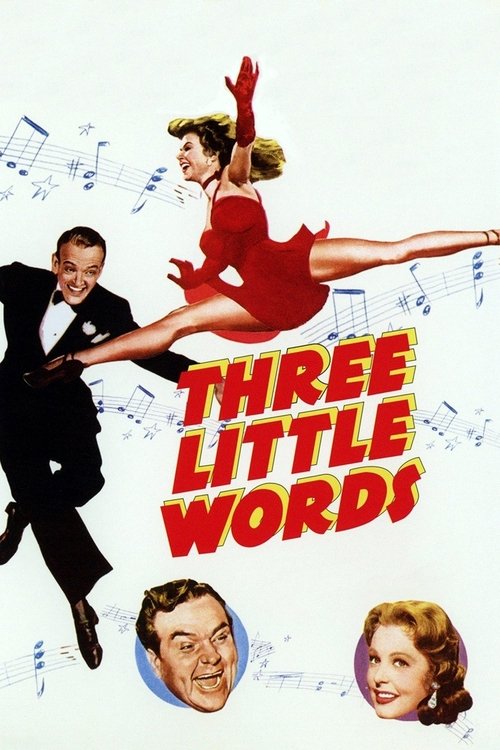
Three Little Words1950
Fred Astaire and Red Skelton in a tuneful backstage biography of songwriters Bert Kalmar and Harry Ruby. Charming, energetic, stuffed with good songs and better dancing.
But The plot is pure Hollywood invention with no real connection to its subjects. It's pleasant filler between the dance numbers.
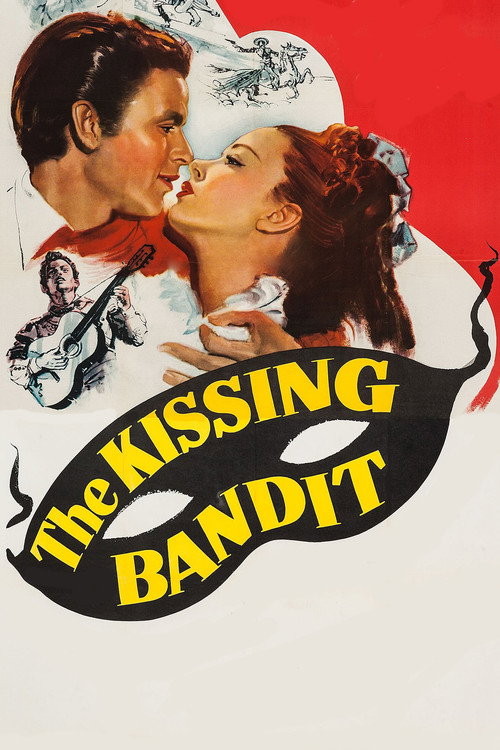
The Kissing Bandit1948
Frank Sinatra in a musical comedy set in 1800s California, with gorgeous Technicolor and a surprisingly sweet romance at its heart. It's unpretentious entertainment, made with craft and care.
But The whole thing is preposterous, and not everyone will take the leap into its particular kind of camp. Sinatra's acting doesn't anchor it the way a stronger actor might.
Umberto D.1952
Where The Toast of New Orleans asks 'can raw talent be transformed by society?', Umberto D. asks the inverse: what happens when society offers transformation to no one? One celebrates upward mobility; the other watches it fail. Opposite registers, same fundamental question about human worth and worth in the world.
Vittorio De Sica's neorealist masterpiece about an elderly man and his dog struggling through poverty in Rome. It's devastatingly tender, filmed in the streets with non-actors, and proves cinema doesn't need spectacle to move you completely.
But It's slow, deliberately paced, and offers no comfort or resolution. Watching someone lose everything while the world moves on requires emotional stamina. Some find it unbearably bleak.

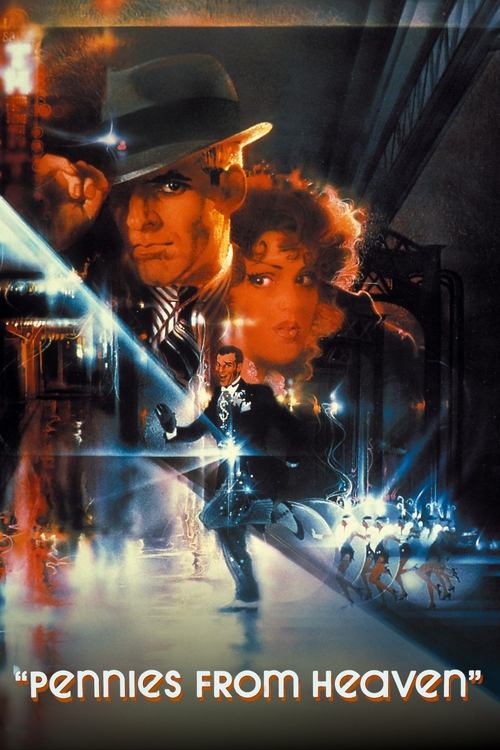
Pennies from Heaven1981
The Toast of New Orleans treats music as transcendence and elevation; Pennies from Heaven treats it as escape and lie. Both understand that in a musical, the song reveals what characters cannot say. One celebrates that revelation; the other mourns how desperately we need it because reality is insufficient.
Dennis Potter's musical—a dance musical, actually—set during the Depression, where characters suddenly burst into elaborate lip-synced routines to 1930s songs. It's shocking, visually inventive, and uses song to express the gap between people's inner lives and their circumstances.
But It's strange and doesn't behave like other musicals. The lip-syncing takes getting used to, the mood shifts between comedy and genuine despair, and it's sexually explicit in ways that blindside you. Not comfortable viewing.
People
Cast
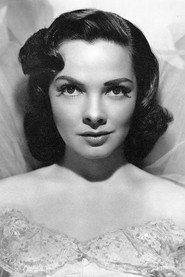 Kathryn GraysonSuzette Micheline
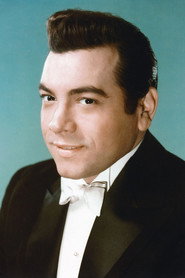 Mario LanzaPepe Abellard Duvalle
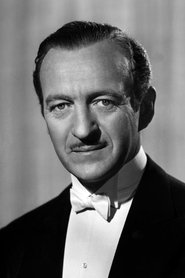 David NivenJacques Riboudeaux
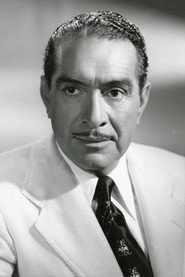 J. Carrol NaishNicky Duvalle
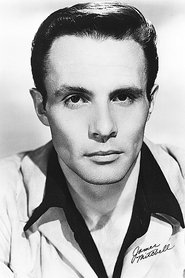 James MitchellPierre
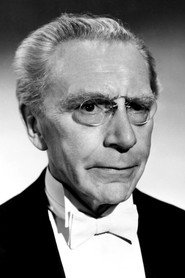 Richard HagemanMaestro P. Trellini
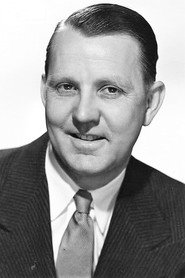 Clinton SundbergOscar
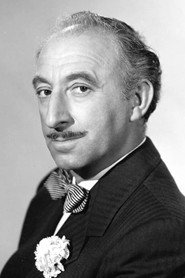 Sig ArnoMayor
 Rita MorenoTina
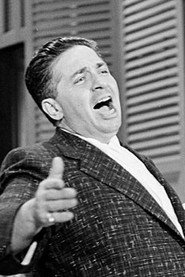 Romo VincentManuelo
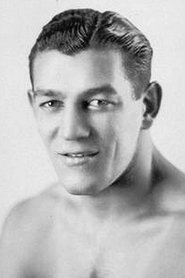 Al BainBar Patron(uncredited)
- John BartonFisherman (uncredited)
Directing
- Norman TaurogDirector
Writing
- George WellsWriter
- Sy GombergWriter
Production
- Joe PasternakProducer