
Film
The Barkleys of Broadway
The last pairing of Astaire and Rogers is a glittering backstage romance about a husband-and-wife song-and-dance team pulling apart over artistic ambition. It's pure 1940s glamour: sparkling dialogue, exquisite tap numbers, and the magnetic chemistry of two stars who'd earned the right to effortless perfection. For anyone who loves musicals, golden-age Hollywood, or watching professionals at the absolute peak of their craft.
Should you watch it?
Watch it if you love old-Hollywood backstage musicals where a sparring couple's chemistry carries the story, and you enjoy stylish dancing that serves character rather than showing off.
Skip it if the story is a light frame for song and dance, and its 1940s studio gloss and talky romance may feel dated if you want modern pacing.
What it asks of you: At 108 minutes, it moves at an easy, unhurried clip, with the big numbers arriving between long stretches of banter and backstage bickering.
Not sure? Find tonight's pick in a minute.
If you liked this
Singin' in the Rain1952
The greatest Hollywood musical ever made: three stars at their peak, revolutionary dance sequences, and a script that makes you laugh while your jaw hangs open at the spectacle. Pure joy on film.
But At 103 minutes it asks for your full attention, and the plot is frankly thin—it's about the execution, which means it won't coast on story if you're not in the mood.

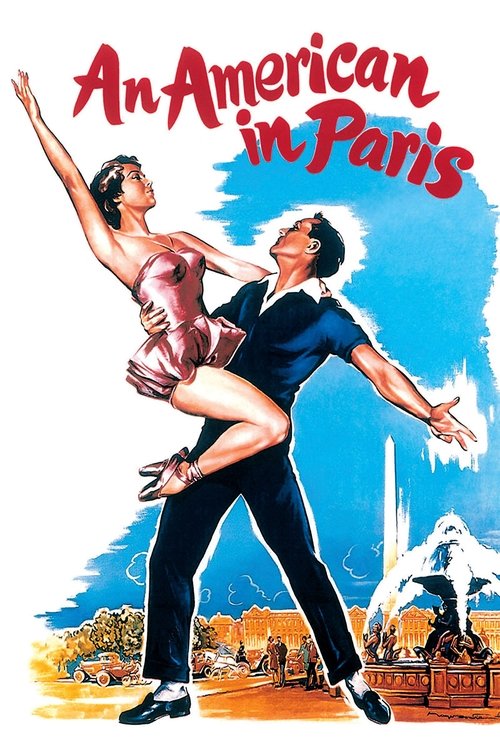
An American in Paris1951
Gene Kelly's masterpiece about an artist torn between love and ambition, with a 17-minute ballet sequence that still astonishes. Gorgeous, romantically mature, and the dancing does things you didn't know were possible.
But The first half is fairly slow burn, and if tap-dancing men don't move you, the middle stretches will feel like watching someone else's passion project.
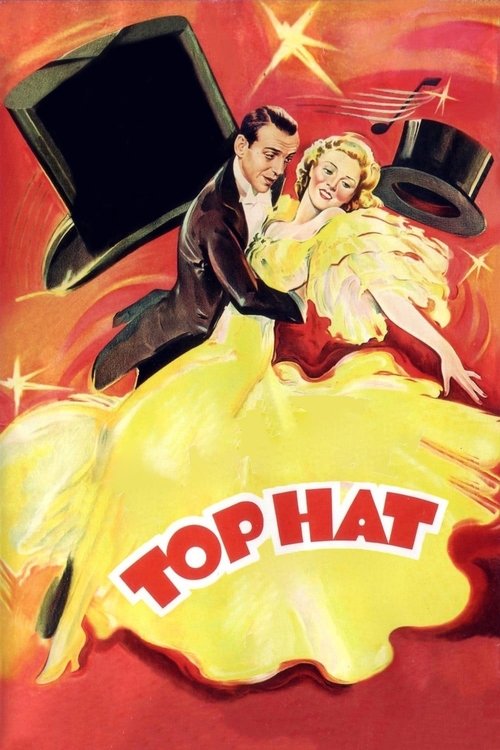
Top Hat1935
Astaire and Rogers' most perfect pairing: suave, fast-talking, full of class and mischief. The 'Cheek to Cheek' number is courtship itself. Everything clicks—script, chemistry, design, music.
But It's 101 minutes of 1930s romantic misunderstanding that resolves exactly how you expect. If you find that formula creaky, you'll feel the age.
Not sure tonight? Get a pick in a minute, starting from The Barkleys of Broadway
The wildcard
Something you would not have found on your own.
Pennies from Heaven1936
Both are backstage love stories where artistic ambition threatens partnership, but Pennies from Heaven shows what happens when the performance ends and real life has to be lived.
A Depression-era musical about sheet-music salesmen where poverty is real but song and dance are transcendent escape. It's tender and strange: a genuine story about real people, not just a sketch to hang numbers on. Bing Crosby, but it's the ache beneath the charm that will haunt you.
But It's a Depression tragedy wrapped in musical numbers, which creates tonal whiplash. If you want escapism, the poverty subplot will drag you down. If you want substance, the song-and-dance breaks feel like denial.
More like this (8)
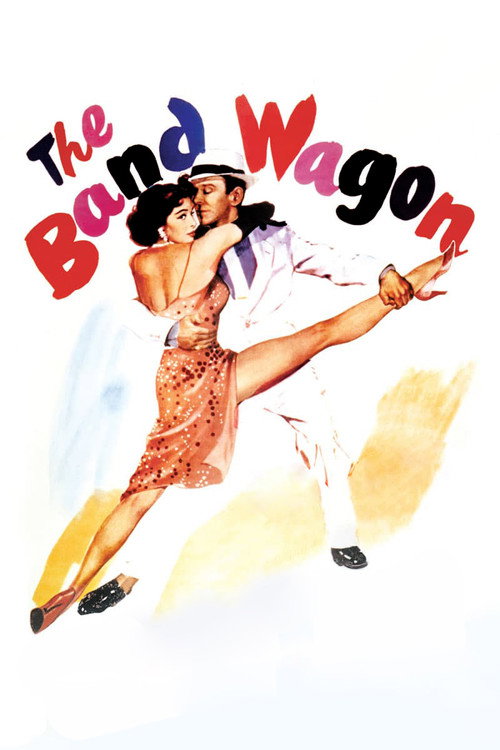
The Band Wagon1953
Astaire again, this time with Cyd Charisse, in a backstage-musical-within-the-film that's clever, funny, and features some of the most inventive dance sequences ever filmed. The 'Dancing in the Darkness' number alone is worth the evening.
But It's deeply theatrical and somewhat self-referential—if Broadway inside-baseball doesn't appeal, the meta-jokes will feel arch and the dance numbers may overwhelm the story you came for.
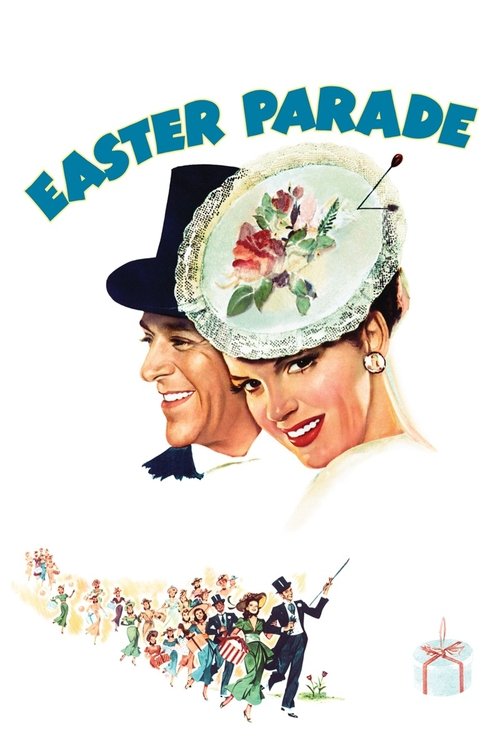
Easter Parade1948
Astaire with Judy Garland, Irving Berlin's beautiful score, and Easter bonnets. It's warm, funny, and heartfelt in a way that feels effortless. The 'Snooky Ookums' number is genuinely hilarious.
But The plot is tissue-thin and the emotional stakes are light. If you want musicals to mean something, this one skates by on charm and talent alone.
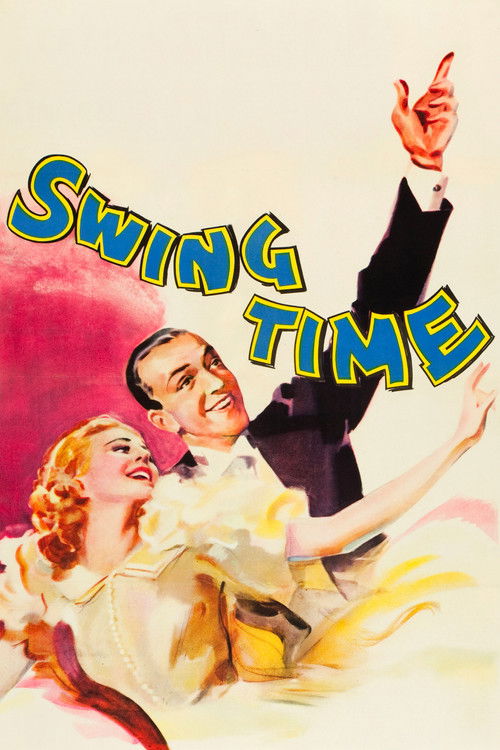
Swing Time1936
Astaire and Rogers at their romantic peak: the story is frothy but the dancing is transcendent, especially 'Never Gonna Dance Again.' It shows why these two mattered so much to each other as partners.
But The plot is a carousel of misunderstandings and mistaken identities that start to feel repetitive. You're here for the dancing, and you have to be patient for it.
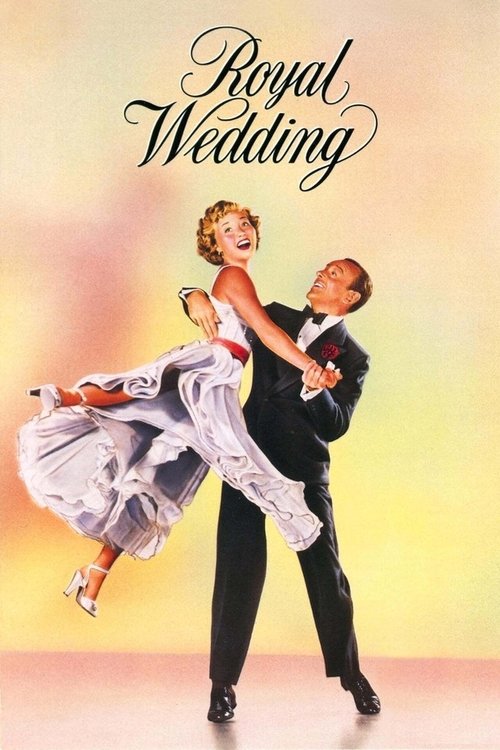
Royal Wedding1951
Astaire with Jane Powell in a charming, lightweight romp through London during the royal wedding. The dancing is phenomenal—his solo on a boat and the climbing-the-walls number are unforgettable.
But It's basically an excuse to string together dance numbers, and the plot is negligible even by musical standards. If you need character or stakes, you won't find them.
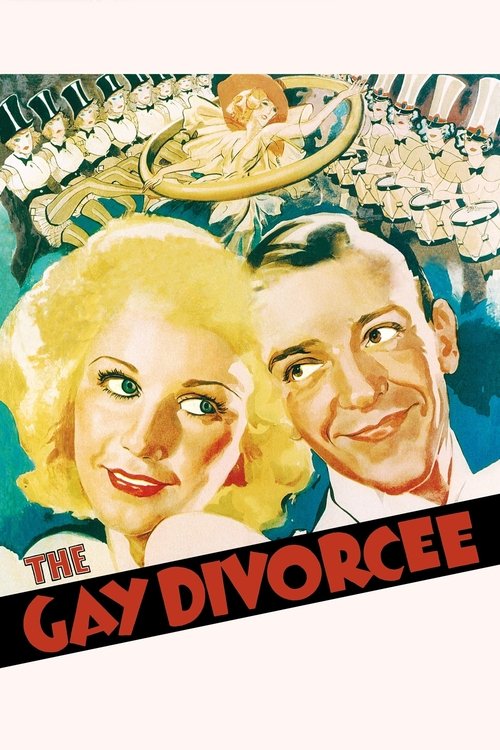
The Gay Divorcee1934
The first Astaire-Rogers pairing, and it's sparkling and sophisticated—a comedy of errors with real wit in the script and the 'Continental' number that changed dancing on film forever.
But Early 1930s pacing is glacial by modern standards, and some of the plot business around divorce feels dated and contrived.
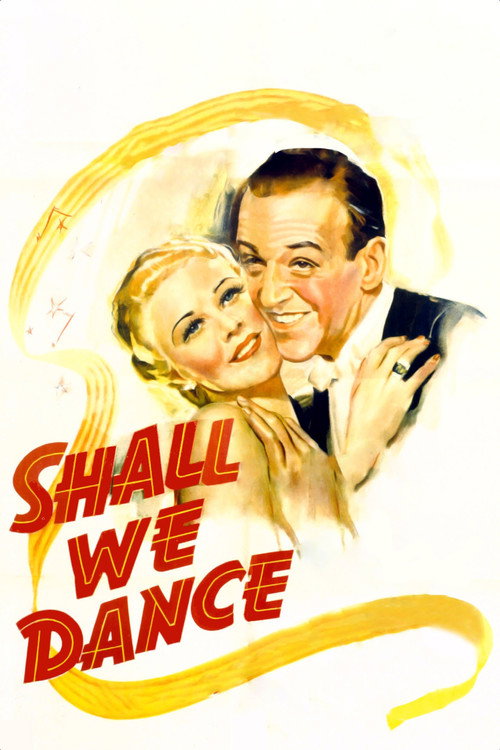
Shall We Dance1937
A ballroom-dancing Astaire and Rogers, with a Gershwin score and genuine romantic tension. The skating number and the finale are beautiful, and the chemistry is tender.
But The script is thinner than tissue paper, and the central plot device—that a respectable woman could be ruined by dancing with an unmarried man—may feel quaint to the point of baffling.
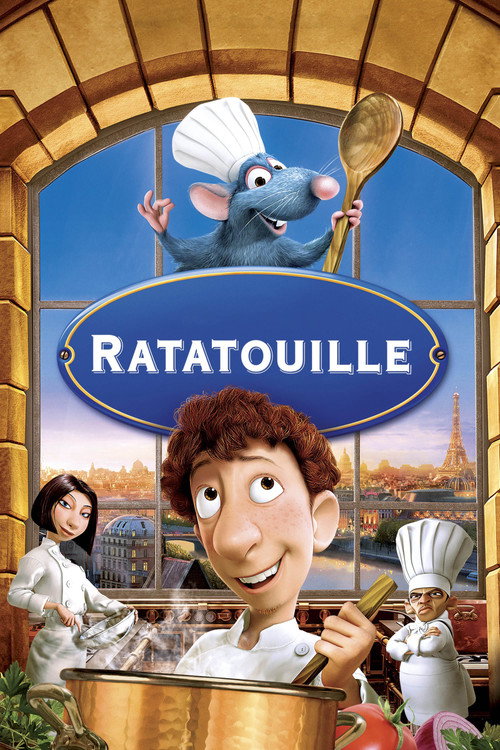
Ratatouille2007
Both are about the invisible person doing the work while the visible person takes credit—and what happens when they both want recognition.
An animated film where a rat and a garbage-boy chef fall into partnership, and the entire film is about being underestimated, pretending to be more than you are, and the terror of being seen as a fraud. The tension between public performance and private inability mirrors Josh and Dinah's split perfectly. Pixar at its smartest.
But It's animated, which some dismiss as children's fare, and the rat-in-the-kitchen premise is silly. The kitchen stuff can drag, and if you're not interested in cooking, the metaphor becomes just a metaphor.
The Red Shoes1948
The same story as The Barkleys of Broadway—a husband-and-wife team, ambition tearing them apart, a woman choosing solo performance—but The Red Shoes treats it as tragedy rather than romantic comedy, and means it.
A ballet dancer must choose between art and love, and Powell and Pressburger film it as tragedy. The 16-minute ballet sequence is like watching a Matisse painting move. It's about ambition, jealousy, and the impossible choice women in art are forced to make. Visually it may be the most beautiful film ever made.
But It's British, studio-bound, and extremely stylized—it doesn't feel like the real world at all. At 133 minutes, the pacing is deliberate, and if you don't surrender to the artifice, it will feel slow and mannered.

People
Cast
 Fred AstaireJosh Barkley
 Ginger RogersDinah Barkley
 Oscar LevantEzra Millar
 Billie BurkeMrs. Livingston Belney
 Gale RobbinsShirlene May
 Jacques FrançoisJacques Barredout
 George ZuccoJudge
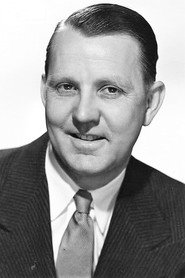 Clinton SundbergBert Felsher
 Inez CooperPamela Driscoll
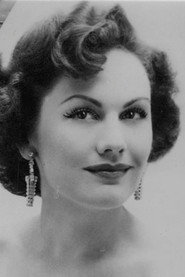 Carol BrewsterGloria Amboy
- Wilson WoodLarry
- Margaret BertMary (uncredited)
Directing
- Charles WaltersDirector
Writing
- Ira GershwinLyricist
- Adolph GreenScreenplay
- Betty ComdenScreenplay
Production
- Arthur FreedProducer
Recommended by
Show Boat, You Were Never Lovelier, Anchors Aweigh, Night and Day, Night Song, The Toast of New Orleans, The Dancing Years, Ziegfeld Girl, Earl Carroll Sketchbook