
Film
Night and Day
Other titles called Night and Day: the 2010 film.
A lavish 1946 musical biography of Cole Porter, the songwriter who composed some of the twentieth century's most elegant standards. Cary Grant carries the film with effortless charm through Porter's theatrical ambitions, wartime service, and marriage to Linda Lee Thomas. It's a classical Hollywood biopic—all gloss and melodrama, less interested in truth than in creating a beautiful object to watch.
Should you watch it?
Watch it if you enjoy big studio-era biopics that dress a real composer's life in glossy numbers, and you don't mind the gloss being the point.
Skip it if you want the songs to grow out of hard-edged realism, since this one prefers polish and sentiment to any real grit about the man behind the melodies.
What it asks of you: Just over two hours, unhurried and warmly sentimental, with the songs arriving as frequent rewards between long stretches of romance and show-business bustle.
Not sure? Find tonight's pick in a minute.
If you liked this
Singin' in the Rain1952
Gene Kelly and Donald O'Connor deliver the most purely joyful musical cinema ever made. The dancing is virtuosic but never cold; the song numbers feel like overflow of genuine happiness. This is what musicals can do at their best.
But If you're looking for dramatic weight or character development, it's gossamer-thin. It's pure entertainment, which some find insubstantial.

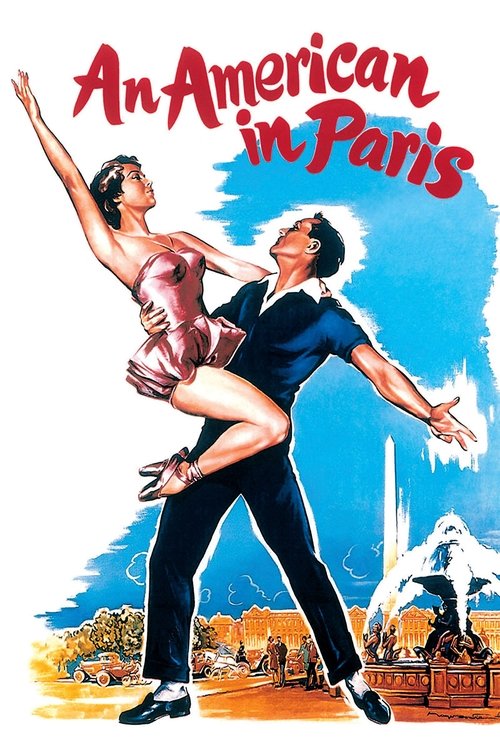
An American in Paris1951
Gene Kelly again, this time with Leslie Caron in a romantic musical that took the Best Picture Oscar. It has substance beneath the splendor: real emotional stakes, beautiful cinematography, and a narrative that earns its musical numbers rather than just hanging them on a plot.
But The middle section sprawls; some of the romantic tension feels dated. At over two hours, it demands patience in places.
The Band Wagon1953
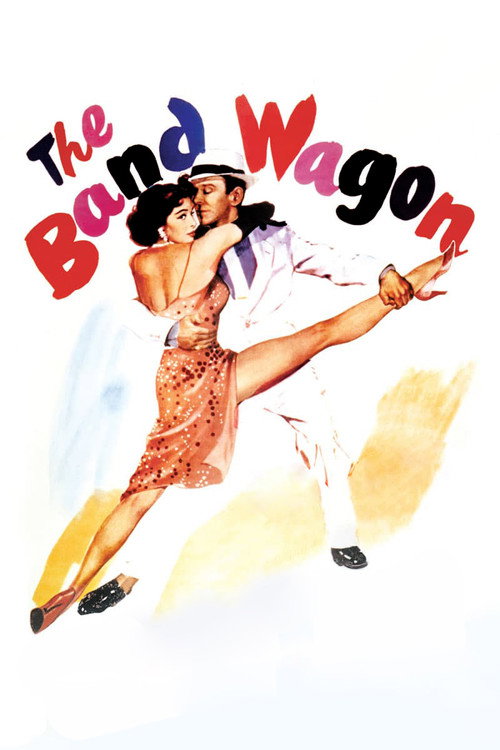
Fred Astaire and Cyd Charisse in what many consider the perfect musical. Witty, self-aware about theatrical life, packed with Dietz and Schwartz standards, and every frame is composed like a painting. It's sophisticated without being pretentious.
But Astaire and Charisse's chemistry sizzles more as dancers than as romantic leads. The backstage plot is thin and slightly precious.
Not sure tonight? Get a pick in a minute, starting from Night and Day
The wildcard
Something you would not have found on your own.
The Red Shoes1948
Both are about creative genius and romantic love in tension with each other; both use Technicolor as a character in itself. But where Night and Day romanticizes the compromise, The Red Shoes is merciless about the cost.
Michael Powell and Emeric Pressburger's masterpiece about a dancer torn between love and art. It's a ballet film that transcends the form—visually ravishing, morally complex, and structurally daring. The extended dream ballet is cinema at its most intoxicating.
But It's slow to start and emotionally devastating at the end. The final act sits with you in ways designed to hurt.

More like this (8)
Meet Me in St. Louis1944
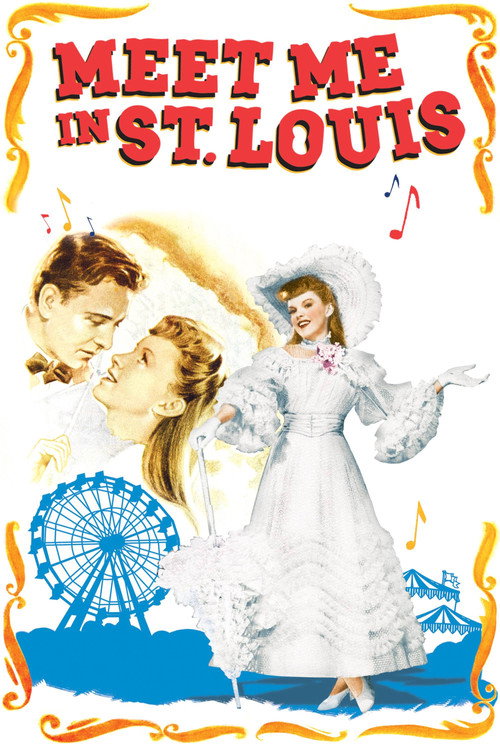
Judy Garland at her finest in a film that captures something ineffable about American longing and small-town life. It's funny, deeply felt, and the musical numbers are perfectly integrated into genuine human moments. Vincente Minnelli's direction is exquisite.
But The pacing is leisurely; some find the early scenes overly domestic before the plot really kicks in. It's sentimental, which will land differently depending on your tolerance.
Gigi1958
Leslie Caron again, this time as a girl being groomed for love in Belle Époque Paris. It won Best Picture and it earned it: gorgeous Lerner and Loewe songs, witty dialogue, genuine romance, and a view of female agency that's surprisingly progressive for 1959.
But The courtship plot hinges on a young woman marrying an older man, which can feel creepy no matter how charmingly it's framed. The romance works emotionally but not always ethically.
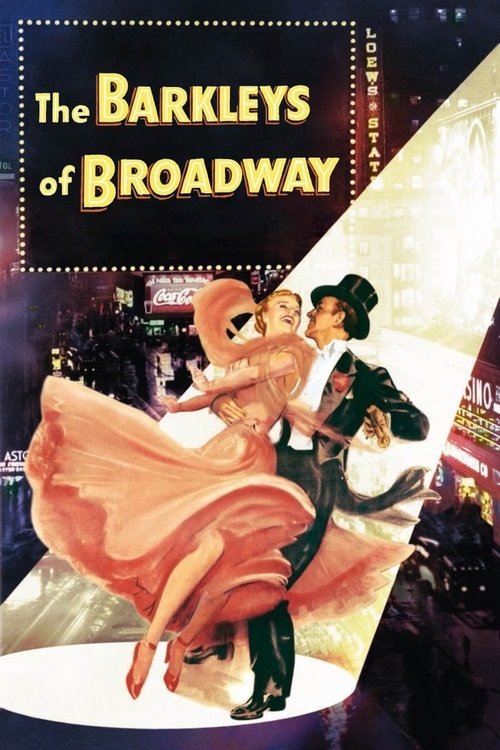
The Barkleys of Broadway1949
Fred Astaire and Ginger Rogers reunited after ten years apart, dancing to George and Ira Gershwin. It's proof that great partnerships don't lose their magic. The numbers are stellar and the whole thing feels like watching two old friends rediscover why they loved working together.
But The plot—two dancers breaking up and reconciling—is predictable and slight. Rogers is sidelined too often as a supporting player in what should be a true partnership.
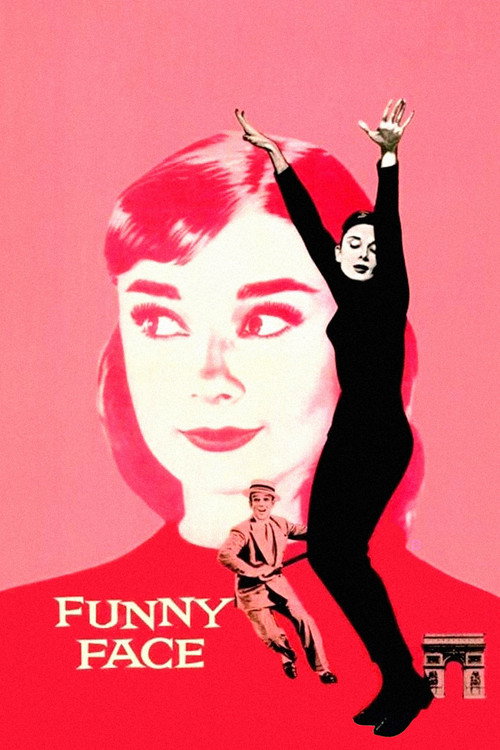
Funny Face1957
Fred Astaire, Audrey Hepburn, and the Gershwins in Paris. Hepburn is radiant, the fashion photography sequences are visually inventive, and Astaire's dancing elevates every scene he's in. It's a love letter to the city and to artistic creation.
But The plot—fashion photographer pursuing bookish model—relies on gender dynamics that feel creepy in hindsight. Astaire's character is controlling in ways the film doesn't really interrogate.
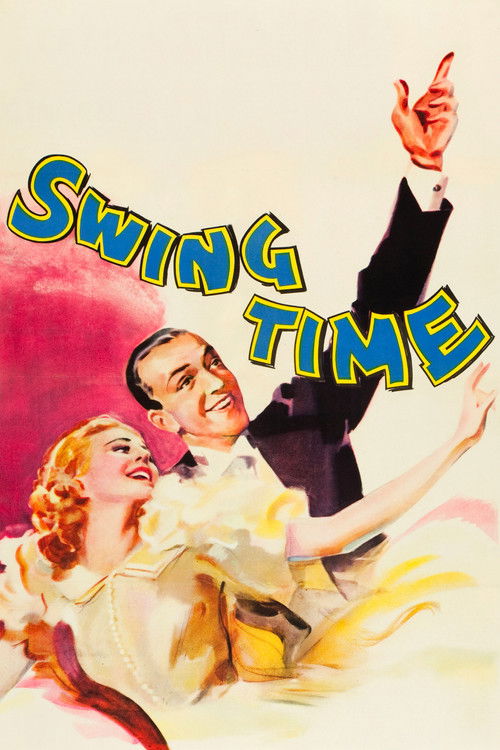
Swing Time1936
Fred Astaire and Ginger Rogers at their peak. The music is wonderful, the dancing transcendent, and there's genuine romantic spark between them. The 'Never Gonna Dance Again' sequence is one of cinema's most beautiful moments.
But The plot is boilerplate Hollywood romance. The film spends a lot of time on comedic bits that haven't aged particularly well.
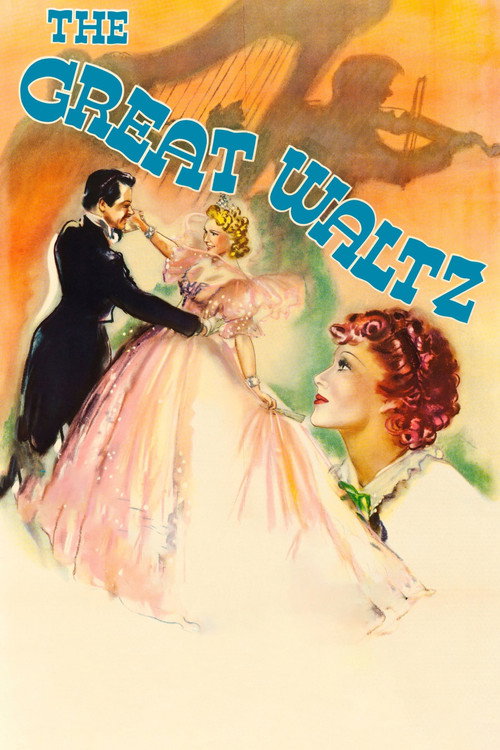
The Great Waltz1938
Luise Rainer as a composer's wife in a Technicolor spectacular. It's aggressively, unapologetically old-fashioned Hollywood glamour—the kind of thing that feels like stepping into another era. If you want to see what audiences in 1938 found irresistible, it's a window into that dream.
But The biographical accuracy is zero; the emotional core is thin. It's a beautiful object with not much underneath, and your patience for that determines whether it enchants or bores you.
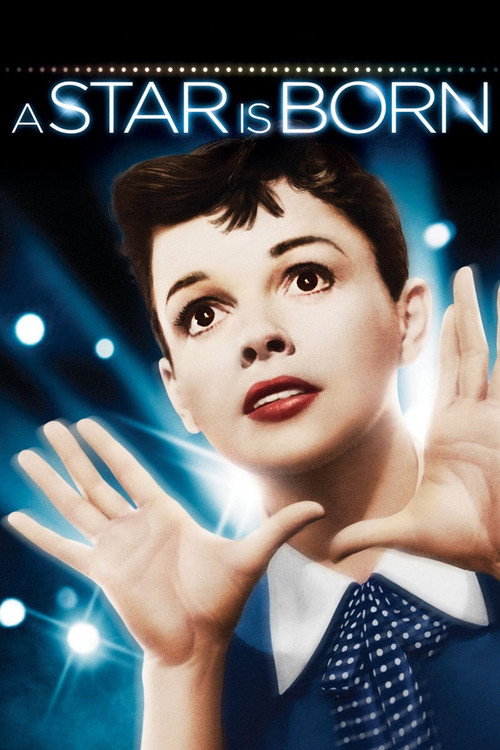
A Star Is Born1954
Both trace the rise of an artist through their first major successes, but Cukor reveals the darkness underneath the glitter that the Porter film works very hard to hide.
Judy Garland and James Mason in George Cukor's masterwork about the ruthless machinery of Hollywood. It's genuinely tragic, beautifully acted, and contains some of the greatest musical sequences ever filmed. The 'Born in a Trunk' number alone justifies everything.
But It's dark and cynical about show business in a way that might feel like a betrayal if you loved Night and Day's glamour-soaked fantasy. It's also nearly three hours and emotionally demanding.
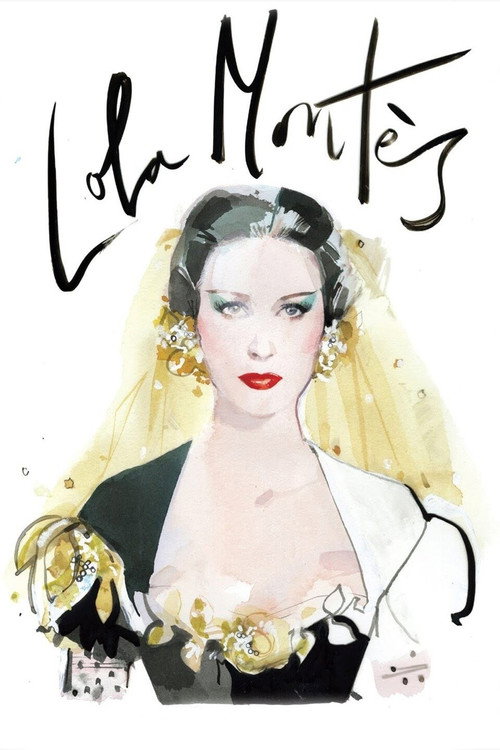
Lola Montès1955
Both are biopics of artists in love, but Montès weaponizes the musical biography form itself—questioning whether we can ever truthfully tell such stories, versus Night and Day's acceptance of Hollywood's romantic mythology as sufficient truth.
Max Ophüls' final film, a kaleidoscopic biography of a 19th-century dancer told in flashback, framed as a circus performance. It's formally experimental—fragmented, gorgeously composed, deliberately artificial. It's a masterpiece about how biographical narrative itself is constructed and compromised.
But It's structurally unconventional and demands active attention. The film doesn't follow conventional story logic and some find it alienating rather than illuminating.
People
Cast
 Cary GrantCole Porter
 Alexis SmithLinda Lee Porter
 Monty WoolleyMonty Woolley
 Ginny SimmsCarole Hill
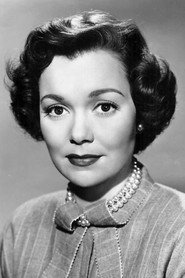 Jane WymanGracie Harris
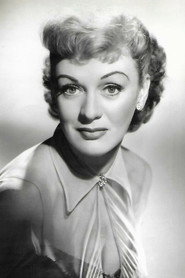 Eve ArdenGabrielle
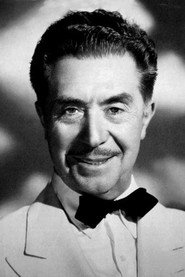 Victor FrancenAnatole Giron
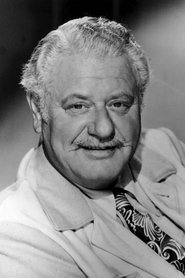 Alan HaleLeon Dowling
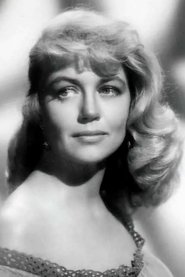 Dorothy MaloneNancy
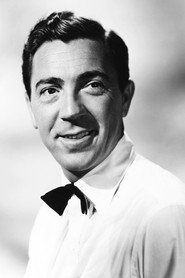 Tom D'AndreaTommy
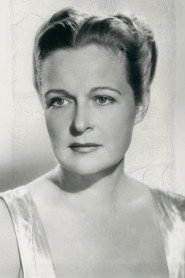 Selena RoyleKate Porter
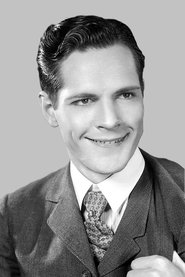 Donald WoodsWard Blackburn
Directing
- Michael CurtizDirector
Writing
- Cole PorterLyricist
- Charles HoffmanScreenplay
- Leo TownsendScreenplay
- William BowersScreenplay
Production
- Arthur SchwartzProducer