
Film
The Great Waltz
A lavish 1938 Hollywood biography of Johann Strauss II, crafted with operetta's sweep and romance's earnestness. Sumptuous orchestral scoring, Technicolor spectacle, and genuine affection for its subject—a film that luxuriates in the nineteenth-century Viennese waltz world it depicts. For anyone who loves grand, unironic spectacle and classical music as emotional narrative.
Should you watch it?
Watch it if you love old-fashioned studio musicals where the score does the emotional heavy lifting, and you don't mind a lavish, sincere romance played with a straight face.
Skip it if you find the 1930s style of stagey, mannered acting and creaky plotting hard going, since its sentiment is laid on thick and the music sometimes gets in the way of the story.
What it asks of you: Settle in for about an hour and three-quarters of gleaming ballroom sequences, sentimental interludes and lingering glances, with the music doing most of the talking.
Not sure? Find tonight's pick in a minute.
If you liked this
The Red Shoes1948
A dancer's obsessive passion for her art mirrors Strauss's devotion to composition. Powell and Pressburger craft ballet and music into pure cinema, with the same lush romanticism and operatic stakes.
But It's even more theatrical and formally artificial than The Great Waltz. The plot is thin; the dancing and visual design are everything.

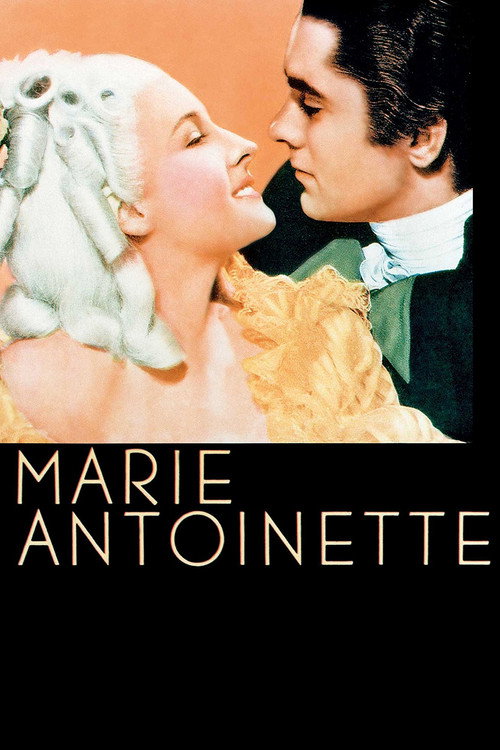
Marie Antoinette1938
Released the same year, with similar MGM prestige, Technicolor excess, and interest in historical figures navigating duty and desire. Norma Shearer brings intelligence to period romance; the production design is equally lavish.
But The historical liberties are severe. At 160 minutes, it's bloated, and the tone wavers between melodrama and camp.
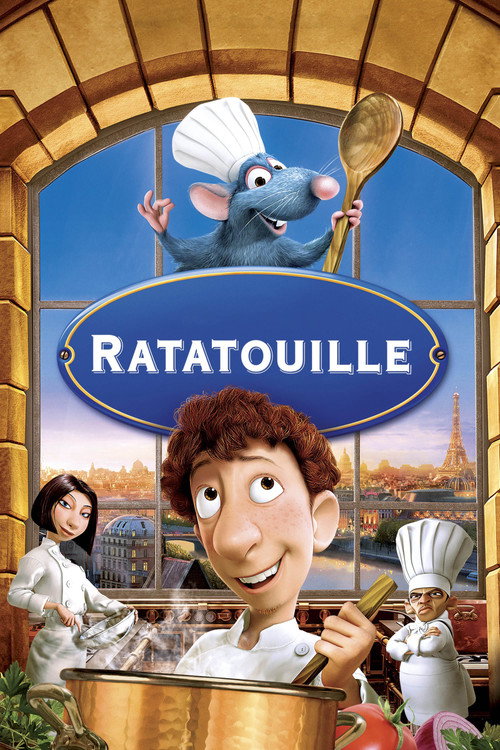
Ratatouille2007
An artist (rat, composer—different species, same passion) fighting for recognition against convention and circumstance. Both films celebrate the transformative power of their respective arts with genuine, unapologetic warmth.
But It's animated, contemporary, and comedic. If you want live-action period spectacle, this trades that entirely for a different kind of magic.
Not sure tonight? Get a pick in a minute, starting from The Great Waltz
The wildcard
Something you would not have found on your own.
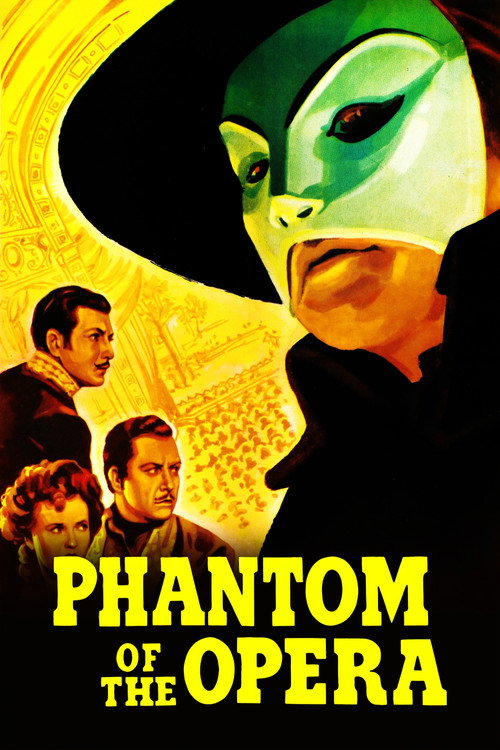
Phantom of the Opera1943
Both films believe music can be the entire emotional content of cinema. Both frame composers as passionate, flawed, driven by forces they cannot control. Both are unapologetically theatrical.
A Universal horror film that shares Strauss's obsession with music-as-emotion, operatic melodrama, and stunning Technicolor. Claude Rains's composer is tortured genius; the film is haunted beauty.
But It's genuinely creepy and dark—a monster story, not a romance. Where Waltz celebrates music's joy, this explores music's capacity to possess and destroy.
More like this (8)
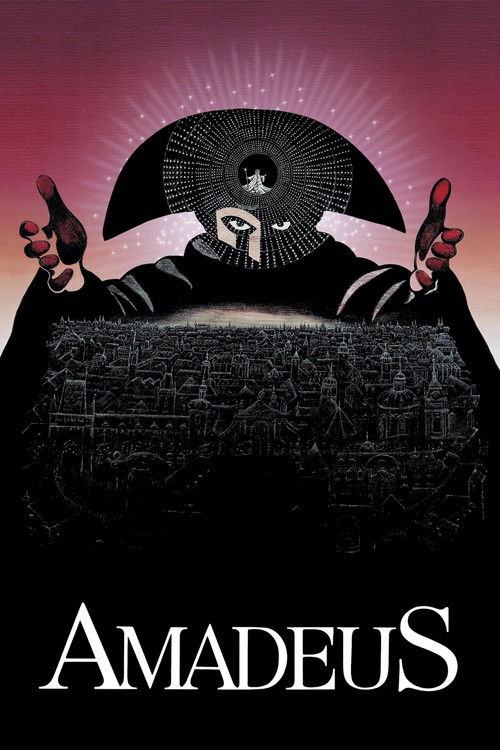
Amadeus1984
Another composer biography that luxuriates in music and jealousy. Forman's film has Mozart's actual genius to work with, baroque excess to match The Great Waltz's appetite, and deeper psychological complexity.
But It's three hours and far darker in tone. Where Strauss is celebration, Mozart becomes tragedy and ego.
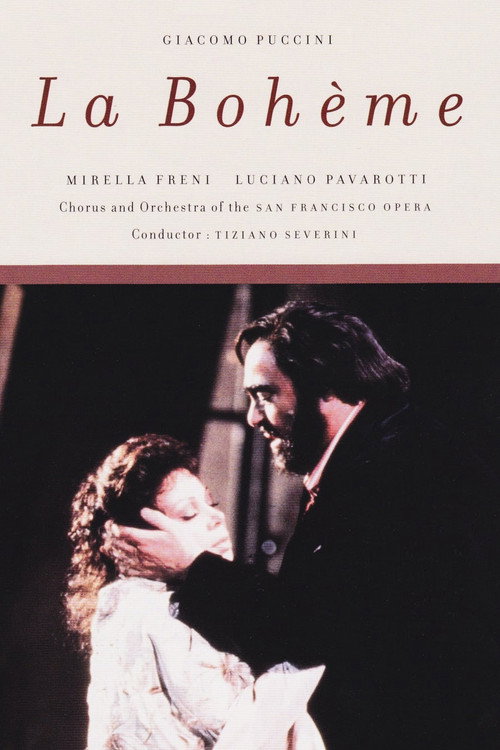
La Boheme1988
Puccini's opera adapted with sumptuous cinematography and genuine sentiment. Puccini shares Strauss's gift for melody and emotional directness; this film honors that without irony.
But It's sung-through opera, not spoken drama. If you want dialogue and conventional narrative, the music will overwhelm the story.
Singin' in the Rain1952
An equally joyful musical about artists navigating love, ambition, and creation. Where Strauss is waltz, this is jazz and dance, but the spirit—playfulness, earnestness, gorgeous spectacle—runs parallel.
But It's comedy-first rather than drama-first. The tone is lighter, the stakes smaller.

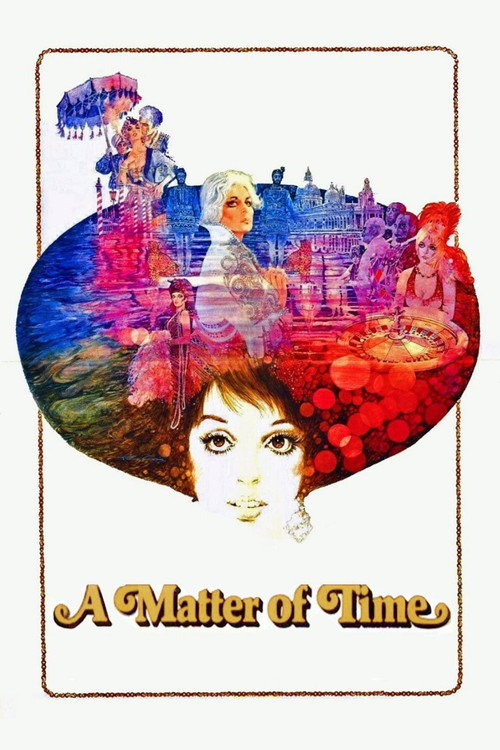
A Matter of Time1976
Another period-music romance with Vincente Minnelli's visual philosophy: if you're going to make it pretty, make it *pretty*. Isabelle Adjani and Charles Boyer carry romantic yearning with style.
But It's obscure and uneven. Minnelli's late style divides audiences; some find it gorgeous, others overindulgent.
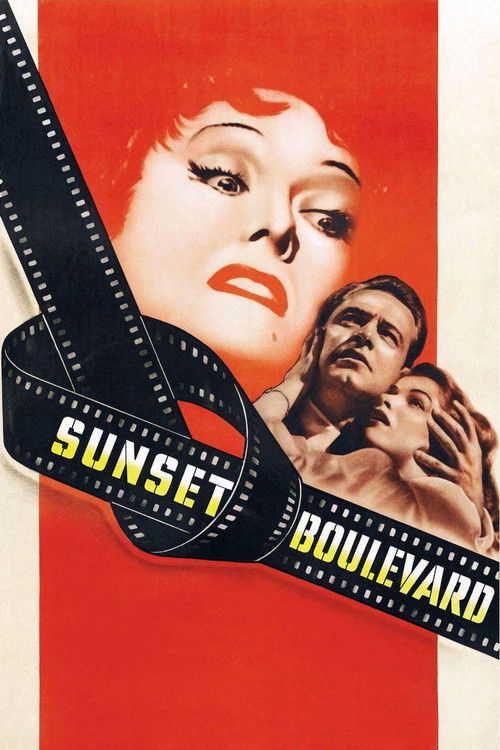
Sunset Boulevard1950
A film about artistic obsession and the gap between past and present. Billy Wilder's cynicism about show business offers the dark mirror to Strauss's romanticism.
But It's bleak and caustic. If you loved The Great Waltz for its optimism and beauty, this will feel like a cold shower.
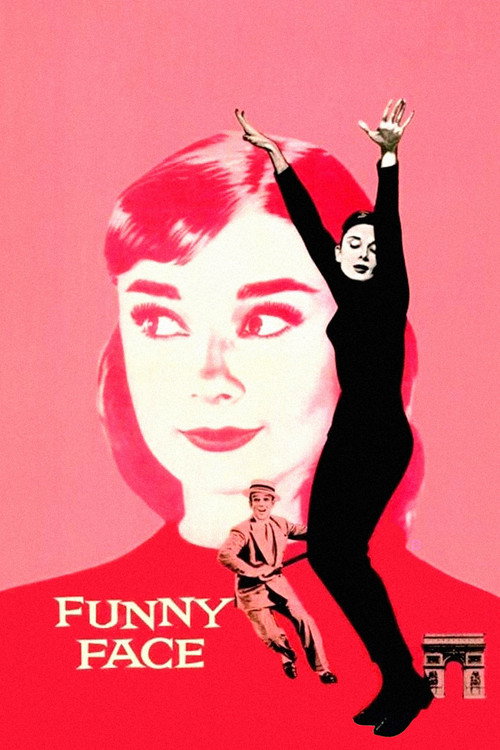
Funny Face1957
A Cinderella story in Paris with Gershwin, Audrey Hepburn, and Fred Astaire. Music, romance, glamour, and earnest sentiment delivered with style and wit.
But It's lighter entertainment than The Great Waltz. The film's earnestness is tempered by humor; some find that charm, others froth.
The Third Man1949
Both films are haunted by Vienna itself—one celebrating its musical past, the other mourning it. Both use music not as decoration but as the soul of the place.
Vienna again, but Vienna after WWII—rubble, shadows, moral collapse. Anton Karas's zither score does what Strauss's waltzes do, but inverted: beauty salvaged from ruins. A masterpiece of atmosphere and moral complexity.
But It's a spy thriller, not a biography. Bleak, sophisticated, and skeptical where The Great Waltz is romantic. The joy has been extracted.

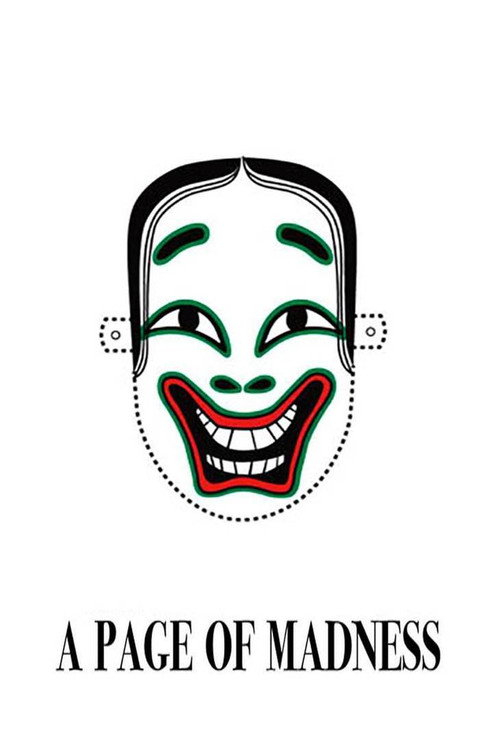
A Page of Madness1926
Both films assert that cinema can convey emotion directly, bypassing plot. Where Waltz uses orchestral music and spectacle, Page of Madness uses distortion, montage, and silence. Both trust the audience's capacity to feel before they understand.
A Japanese silent film about obsession and confinement, made without intertitles—pure image and emotion. Its form is radically different from The Great Waltz, but the intensity of feeling and the use of visual composition to convey inner states are kinship.
But It's avant-garde, silent, and psychologically disturbing. No dialogue, no plot clarity, no music. It will feel alien to anyone accustomed to conventional narrative.
People
Cast
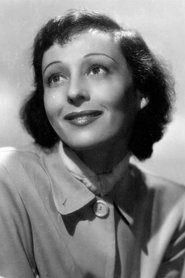 Luise RainerPoldi Vogelhuber
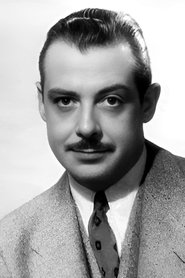 Fernand GraveyJohann 'Schani' Strauss II
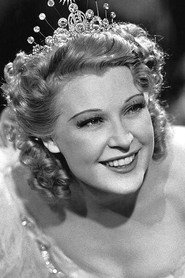 Miliza KorjusCarla Donner
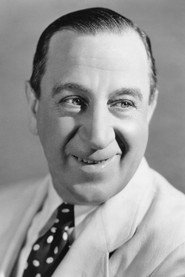 Hugh HerbertJulius Hofbauer, Music Publisher
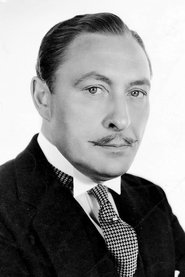 Lionel AtwillCount Anton 'Tony' Hohenfried
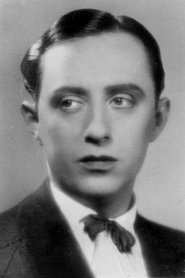 Curt BoisKienzl
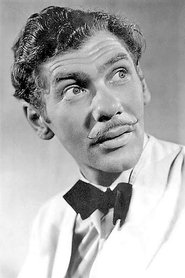 Leonid KinskeyDudelman
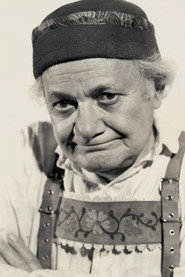 Al SheanCellist
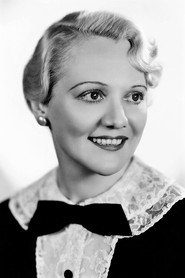 Minna GombellMrs. Hofbauer
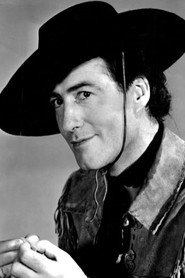 George HoustonSchiller
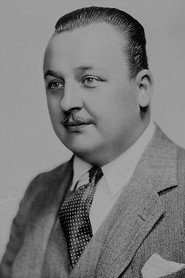 Bert RoachVogelhuber
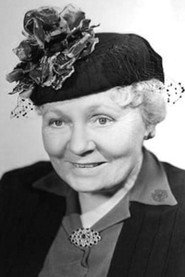 Greta MeyerMrs. Vogelhuber
Directing
- Josef von SternbergCo-Director
- Victor FlemingCo-Director
- Julien DuvivierDirector
Writing
- Samuel HoffensteinScreenplay
- Walter ReischScreenplay
- Gottfried ReinhardtStory
- Vicki BaumStory
Recommended by
The Three Musketeers, Waterloo Bridge, High, Wide and Handsome, Désirée, Bitter Sweet, Night and Day, Song of Norway, The Student Prince, The Chocolate Soldier, War and Peace, They Met in Bombay, The Son of Monte Cristo, The Rogue Song, Song of Russia, Viennese Nights, The Gay Caballero, The Crimson Ghost, The Gypsy Baron