
Film
A Matter of Time
- Drama
- Slow-burning
A 1976 fantasy-drama where Liza Minnelli plays a maid who befriends an elegant elderly woman recounting her glamorous past. The film drifts between memory, fantasy, and present day, exploring how stories shape ambition and identity. It's visually lush but narratively loose—a mood piece for those who prize atmosphere over plot clarity.
Should you watch it?
Watch it if you enjoy a slow, wistful look at faded glamour, where an aging grande dame's stories of a lavish past spark a young woman's restless fantasies.
Skip it if you want a brisk plot or a film that knows where it is going, since this one drifts between a hotel-set memory and a daydream and rarely hurries.
What it asks of you: Ninety-seven minutes of unhurried, nostalgic drift, with a light touch on the fantasy and a gentle melancholy underneath, so patience pays more than attention does.
Not sure? Find tonight's pick in a minute.
If you liked this
The Red Shoes1948
A visual masterpiece about artistic ambition and the cost of beauty. Like *A Matter of Time*, it uses colour and design as characters themselves, and explores how desire for greatness can consume you.
But It's deliberate and slow, with less narrative momentum than you might expect. Some find the pacing mannered rather than meditative.

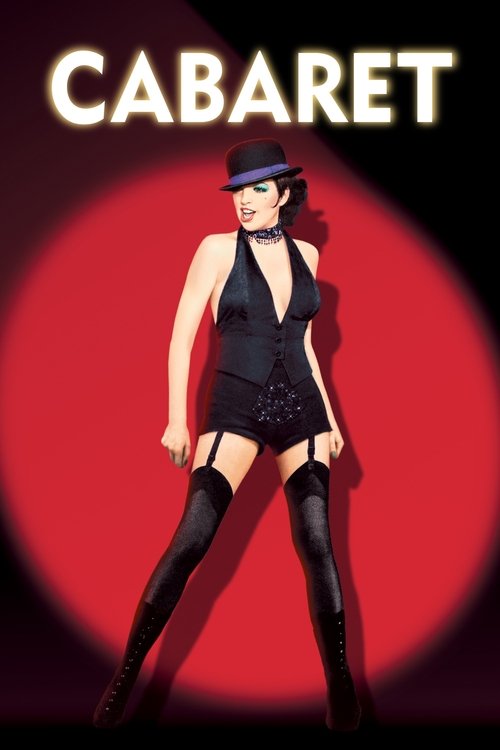
Cabaret1972
Liza Minnelli's masterclass in performance and vulnerability. It captures the same collision between fantasy and harsh reality, with the same sense that glamour can be both salvation and trap.
But Darker and more politically urgent than *A Matter of Time*. If you're hoping for whimsy, this will deflate it.
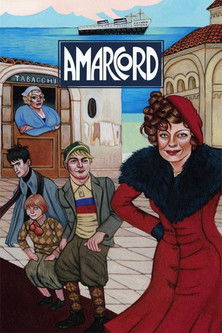
Amarcord1973
Fellini's nostalgia about Italian life and memory. Like *A Matter of Time*, it's episodic and dreamlike, trusting atmosphere over narrative, with the past as vivid as the present.
But Deliberately scattered and digressive. There's no plot to hang onto, just impressions and emotions layered on top of each other.
Not sure tonight? Get a pick in a minute, starting from A Matter of Time
The wildcard
Something you would not have found on your own.
Stardust Memories1980
Both films use memory as the central engine, dissolving the boundary between past and present. Both feature a performer reflecting on their life. But Allen goes inward and bitter where *A Matter of Time* stays lyrical.
Woody Allen plays a filmmaker at a retrospective, drowning in memories and fantasies. It's structured exactly like *A Matter of Time*—present moment triggering cascades of past, fragmented and dreamlike, exploring how memory reshapes identity. But it's neurotic, Jewish, New York instead of romantic and Italian.
But It's one of Allen's most divisive films—some find it self-pitying and pretentious. Black and white might feel austere if you're drawn to *A Matter of Time*'s colour.
More like this (7)
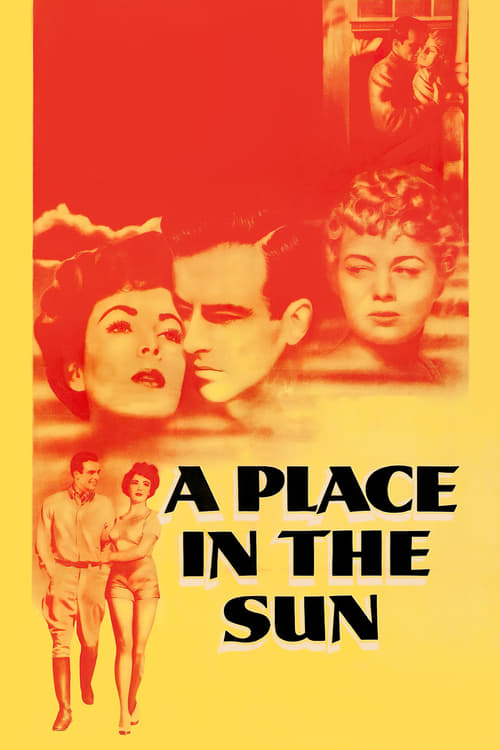
A Place in the Sun1951
An American dreamer seduced by wealth and beauty, destroying himself in the process. It has that same fatal pull toward glamour, shot with the lush cinematography that makes desire visible.
But Heavy melodrama. The moral stakes are clearer and crueler than in *A Matter of Time*—less magical, more tragic.
The Remains of the Day1993
A meditation on memory, service, and the roads not taken. Anthony Hopkins plays a man haunted by the choices that shaped him, watching his life through the lens of what might have been.
But Restrained and English in tone, utterly the opposite of *A Matter of Time*'s European baroque. Much quieter.

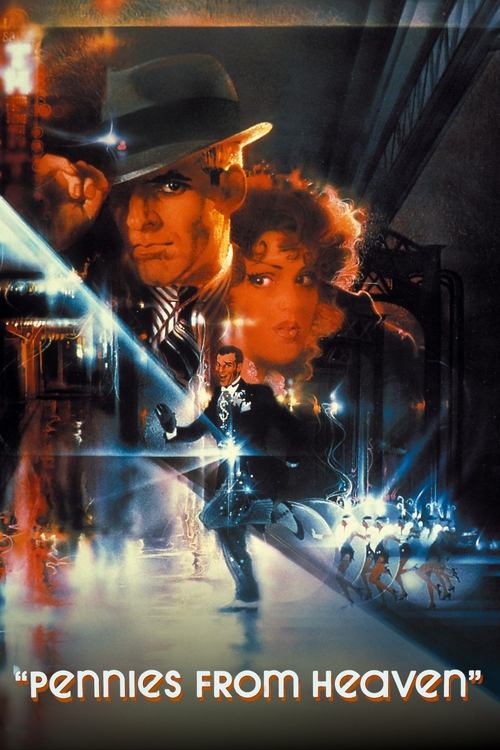
Pennies from Heaven1981
Steve Martin as a dreamer caught between Depression-era reality and fantasy sequences. It shares *A Matter of Time*'s structure of memory and imagination bleeding into each other, with production design that becomes almost a character.
But The tonal shifts between gritty realism and elaborate fantasy can feel jarring. It's darker than you'd expect from the setup.
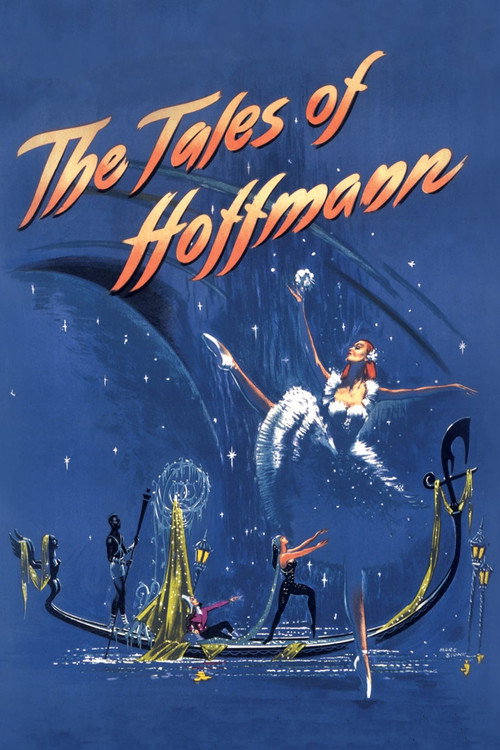
The Tales of Hoffmann1951
Powell and Pressburger's operatic, visually intoxicating film about artists and desire. Pure visual storytelling, dreamlike, with that same sense that beauty and fantasy matter as much as what's real.
But It's deliberately artificial and theatrical. If you want naturalism or plot momentum, the stylisation will read as cold.
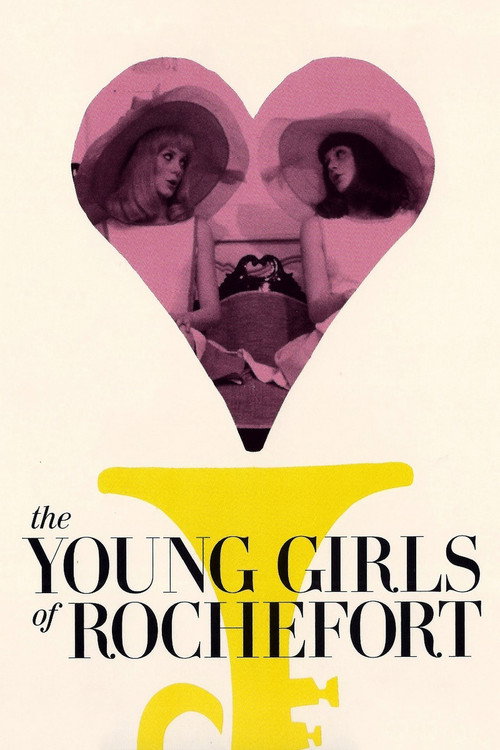
The Young Girls of Rochefort1967
Demy's musical fantasy about optimism, chance, and lives intersecting. Pastel-coloured, joyful, structured around memory and connection rather than plot, with an older generation's wisdom guiding younger characters forward.
But Deliberately lightweight and fairy-tale-like. No real conflict or stakes, which some find slight even as escapism.
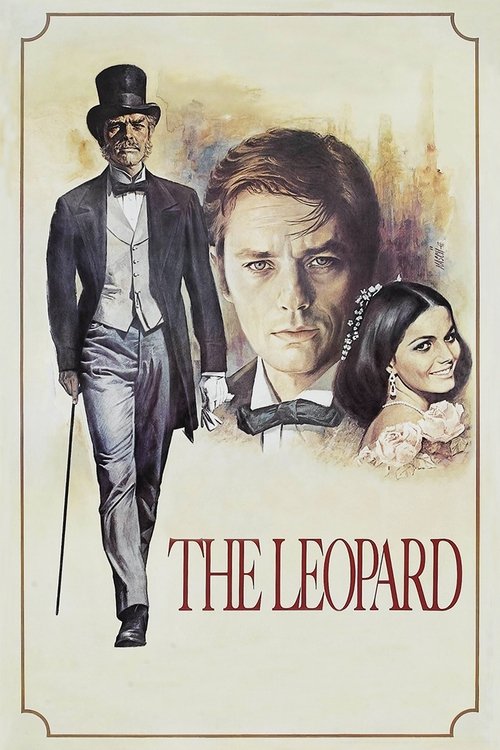
The Leopard1963
Both are Visconti-adjacent meditations on Italian elegance and old money. The Contessa's memories echo the Count's doomed world. One celebrates, the other elegises.
Visconti's operatic portrait of Italian aristocracy watching its world crumble. Burt Lancaster as a nobleman clinging to beauty and status as everything changes. It has *A Matter of Time*'s lush visual language and obsession with class, desire, and the past, but as tragic inevitability rather than fantasy.
But Nearly three hours, deliberately paced, in Italian. The melancholy is unrelenting—no magical escape routes, just decline.
Synecdoche, New York2008
Both explore how fantasy and memory become indistinguishable from reality. But where *A Matter of Time* floats dreamily, this suffocates in the weight of its own recursion.
Philip Seymour Hoffman as a theatre director whose art and life collapse into each other. It's about memory, fantasy, and the stories we tell ourselves to survive, with reality fragmenting into dream. Like *A Matter of Time*, it asks: how much of our life is the story we tell about it?
But Bewilderingly complex and deliberately difficult. No release, no clarity, deliberately fragmented. *A Matter of Time* is graceful; this is neurotically fractured.

People
Cast
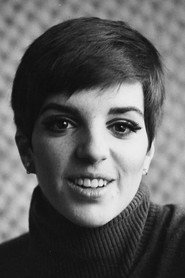 Liza MinnelliNina
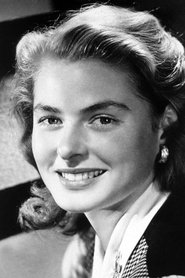 Ingrid BergmanContessa Sanziani
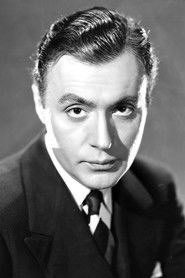 Charles BoyerCount Sanziani
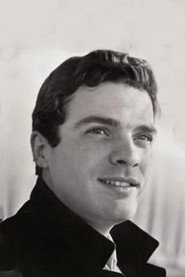 Spiros FocásMario Morello
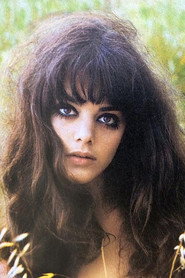 Tina AumontValentina
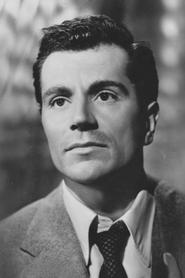 Gabriele FerzettiAntonio Vicari
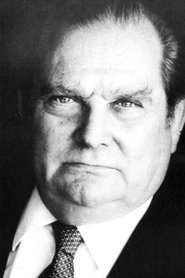 Geoffrey CoplestonHotel Manager
- DominotHotel Porter
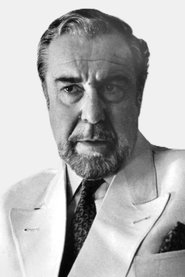 Fernando ReyCharles Van Maar
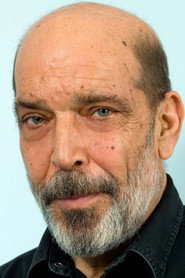 Orso Maria GuerriniGabriele d'Orazio
- Jean MasKaiser Wilhelm
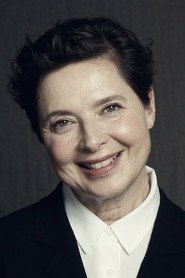 Isabella RosselliniSister Pia
Directing
- Vincente MinnelliDirector
Writing
- Fred EbbLyricist
- Maurice DruonNovel
- John GayScreenplay
Production
- Maria Grazia MarescalchiCasting
- Giulio SbarigiaExecutive Producer
- Samuel Z. ArkoffExecutive Producer
- Salvatore BillitteriPost Producer
- Edmund GraingerProducer
- Jack H. SkirballProducer
- Steve PrevinProduction Executive
- Orazio TassaraProduction Supervisor
Recommended by
Berkeley Square, The Great Waltz, Marriage Italian Style, Arabian Nights