
Film
A Page of Madness
- Drama
- Very dark
A 1926 silent film about guilt, madness, and family trauma. A man works as a janitor in the psychiatric hospital where his wife is institutionalized after a tragedy. When their daughter arrives with news of her engagement, the film dissolves into expressionist visions and fragmented memories. Deeply psychological, visually radical—less a plot than an emotional breakdown rendered in images.
Should you watch it?
Watch it if you are drawn to silent cinema that treats the camera as a nervous system, with rapid cuts, superimpositions and dancers set against a dark asylum, where mood matters more than plot.
Skip it if you need a conventional story with steady characters and clear dialogue to follow, since this is silent, fragmented and can leave you lost if your attention drifts.
What it asks of you: Seventy-one minutes, arriving in flashes: quick cuts, swirling superimposed images and long stretches of stillness that demand full attention and never pause to explain themselves.
Not sure? Find tonight's pick in a minute.
If you liked this
Nosferatu1922
German Expressionism at its most hypnotic. A vampire film that's really about dread, isolation, and the creeping sense that safety is always an illusion. If you loved the visual language of A Page of Madness, this is essential.
But It's silent and slow, and the pacing assumes patience. Some find early horror films more atmospheric than actively scary.

The Cabinet of Dr. Caligari1920
Warped sets, painted shadows, psychological terror. A film that distorts reality itself to show us a mind unraveling. It's the blueprint for how cinema can visualize madness, and it's as unsettling now as it was a century ago.
But The plot, honestly, is fairly thin. It's an experience rather than a story, which some find frustrating.

Sunrise: A Song of Two Humans1927
Made just a year after A Page of Madness, it's equally sophisticated about memory, desire, and guilt. A couple on the brink—seduction, temptation, the fragility of a marriage. Visually inventive in ways that feel almost modern.
But The emotional stakes are all internal. If you need external plot momentum, this will feel like it's barely moving.

Not sure tonight? Get a pick in a minute, starting from A Page of Madness
The wildcard
Something you would not have found on your own.
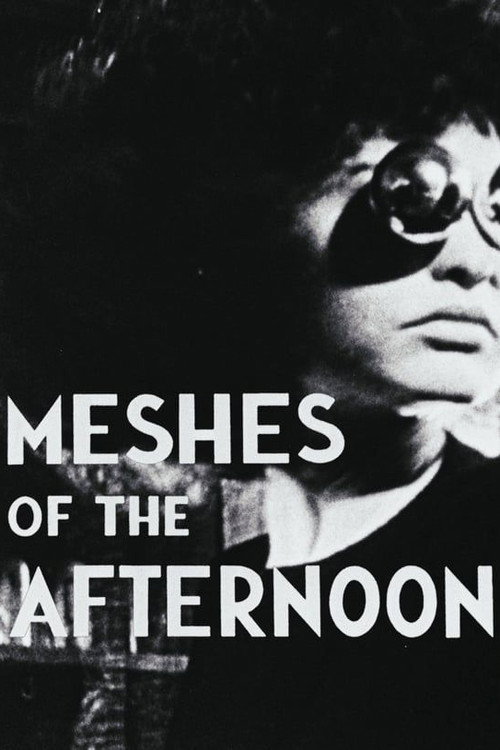
Meshes of the Afternoon1943
Both films use cinematic form—editing, distortion, repetition—to render the interior experience of a mind in crisis. They're not about madness; they're trying to show what madness feels like.
A 14-minute experimental film that does what A Page of Madness does—fragments reality, repeats and distorts memory, uses the camera itself as a tool of psychological dissolution. A woman enters her house and can't find her way out. Pure cinema.
But It's avant-garde and abstract. There's no dialogue, minimal plot, and it demands active interpretation rather than passive viewing.
More like this (8)
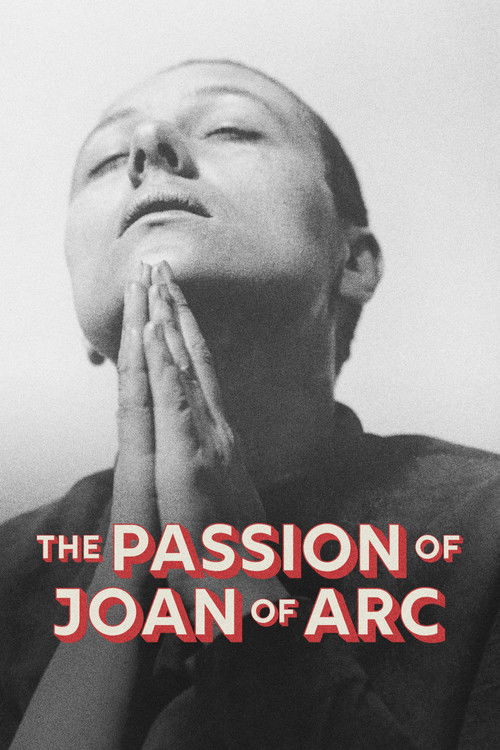
The Passion of Joan of Arc1928
Dreyer's masterpiece of inner torment rendered in extreme close-up. Renée Jeanne Falconetti's face becomes the entire film. It's about suffering, faith, and the absolute loneliness of conviction. Devastating.
But The trial format is repetitive by design. Long stretches of interrogation with minimal narrative change.
The Phantom Carriage1921
A Swedish ghost story that's really about regret and the weight of past actions. Visual effects that still hold up—ghosts moving through the world of the living, time collapsing. Morally searching and genuinely eerie.
But It's structured as a redemption narrative, which can feel sentimental if you're not in the mood for it.

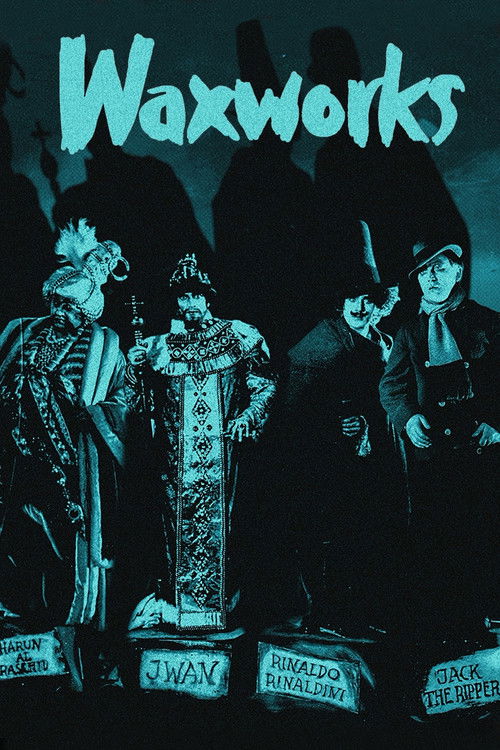
Waxworks1924
Three interconnected stories set in a wax museum, each one a descent into nightmare. German Expressionism in full flight—twisted architecture, shifting identity, the boundary between reality and artifice constantly collapsing.
But The omnibus structure means the emotional throughline is fractured. No single story has room to breathe.
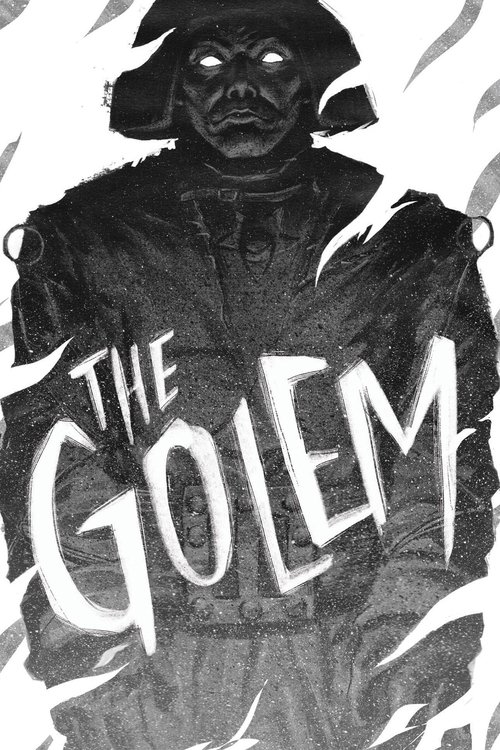
The Golem: How He Came into the World1920
Jewish mysticism, Prague, a creature animated by desperation. Slower and stranger than typical monster films, with real atmosphere and visual beauty. A horror film that takes its ideas seriously.
But The frame story feels like padding. Some scenes drag, and the pacing is uneven.
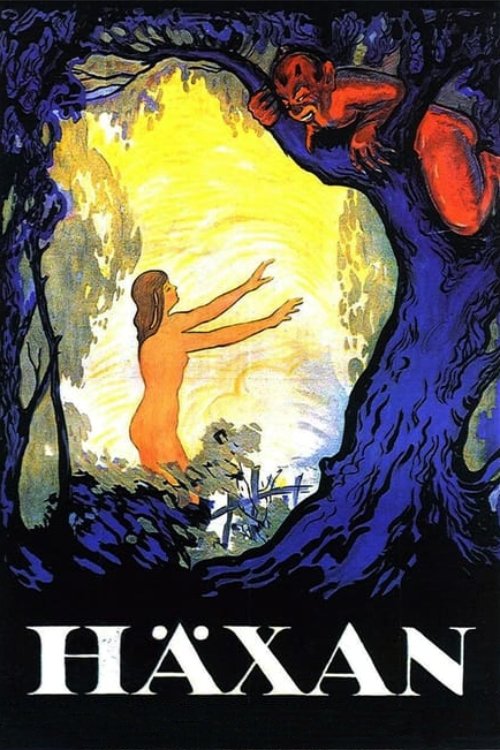
Häxan1922
A Swedish documentary about witchcraft that's actually a hallucinatory fever dream. Real archival material spliced with elaborate reconstructions and occult imagery. Bizarre, genuinely unsettling, like nothing else.
But It's not quite a film and not quite a documentary. The tonal shifts can feel jarring or incoherent.
The Last Laugh1924
A man loses his job and identity. No intertitles—the entire story told through image and performance. German Expressionism applied to everyday humiliation. Heartbreaking and formally radical.
But The ending is famously controversial and many find it undermines everything that came before.

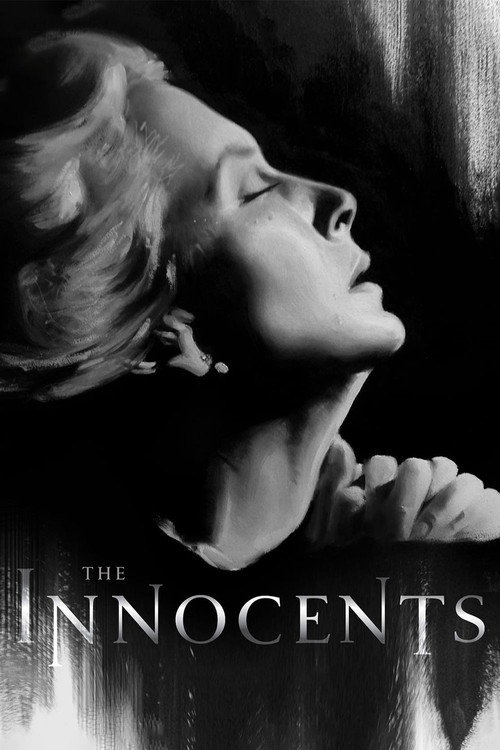
The Innocents1961
Both explore how guilt and grief distort perception. The viewer can't trust what they're seeing, just as the characters can't trust their own minds. Madness becomes a narrative technique.
A governess arrives at a country house where two children may be possessed by ghosts—or may simply be cruel. Brilliantly ambiguous, gorgeously shot in black and white, psychologically suffocating. The uncertainty is the horror.
But It's slow-burn and deliberately elliptical. If you need clarity, this will frustrate you.
Come and See1985
Both are about the destruction of innocence and the permanent psychological damage that follows. Both use fragmentation and sensory assault to make the viewer experience trauma rather than simply witness it.
A Soviet war film about a boy's initiation into hell. Visually and sonically overwhelming, deliberately uncinematic in its brutality. Not entertainment—it's an ordeal that rewires your nervous system. One of cinema's greatest achievements.
But It's relentlessly bleak and features real violence against animals. Some sequences are nearly unwatchable.

People
Cast
 Masao InoueCustodian
 Ayako IijimaDaughter
 Yoshie NakagawaCustodian's Wife
 Eiko MinamiDancer
- Misao SekiDoctor
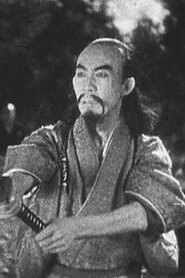 Minoru TakaseCrazy Man A
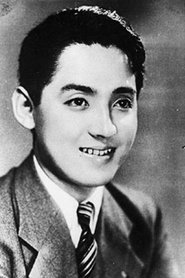
- Hiroshi NemotoYoung Man
- Kinnosuke TakamatsuCrazy Man B
- Tetsu TsuboiCrazy Man C
Directing
- Teinosuke KinugasaDirector
Writing
- Yasunari KawabataOriginal Story
- Bankô SawadaWriter
- Minoru InuzukaWriter
- Teinosuke KinugasaWriter
- Yasunari KawabataWriter
Production
- Teinosuke KinugasaProducer
Recommended by
The Last Command, The Farmer's Wife, The Great Waltz, Phantom, The Last Days of Pompeii, Madame DuBarry, The Ten Commandments, The Torture Chamber of Dr. Sadism, Tillie's Punctured Romance