
Film
Tillie's Punctured Romance
- Slapstick
- Romantic comedy
- Light-hearted
The first feature-length comedy ever made, this 1914 film is a gleeful con-game romp where a smooth-talking city slicker woos a gullible country girl, only to have his scheme spiral magnificently out of control. It's slapstick at its most inventive, with pratfalls and sight gags that still land, and a kind of anarchic energy that feels almost modern. Essential viewing for anyone curious about how comedy actually began.
If you liked this
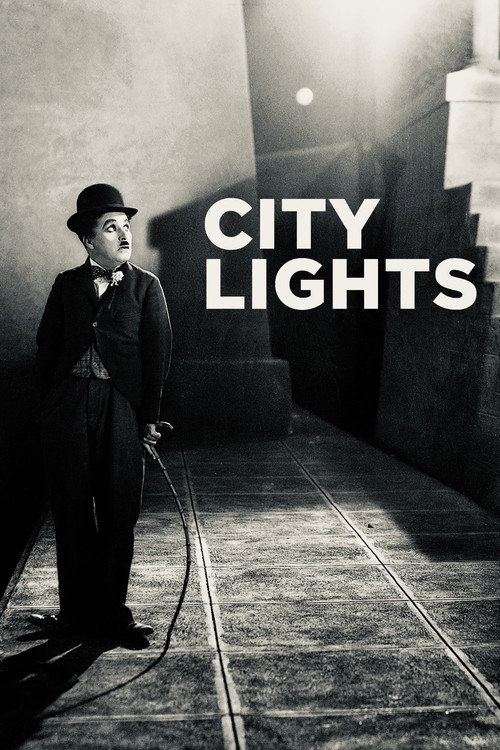
City Lights1931
Chaplin's wordless masterpiece about class, longing, and redemption. If you want to see what Chaplin became after silent comedy had its first rough experiments, this is the pinnacle—a film that breaks your heart while making you laugh.
But Eighty-seven minutes of pure pantomime can feel static if you're impatient. The ending is emotionally heavy in ways that don't feel comic.
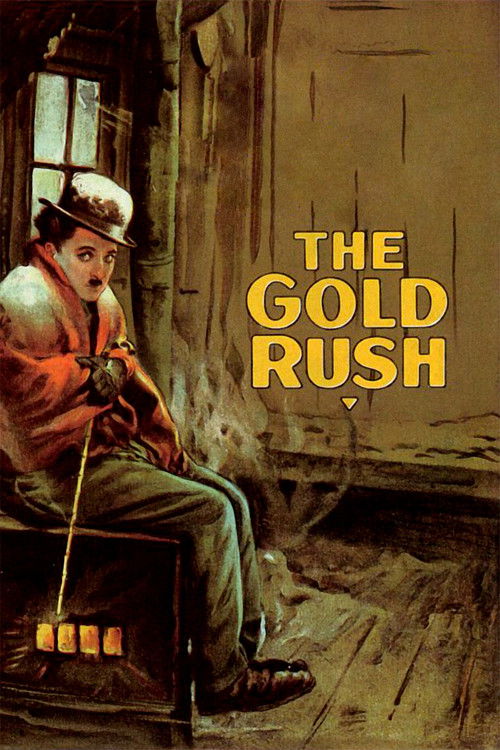
The Gold Rush1925
Chaplin marooned in the Yukon, starving, hallucinating, clinging to dignity while eating a boot. Every sequence is perfectly calibrated—comedy that comes from character and desperation, not just gags.
But The pacing is deliberate; it's not a ride, it's a meditation. Some scenes drag slightly even by 1925 standards.
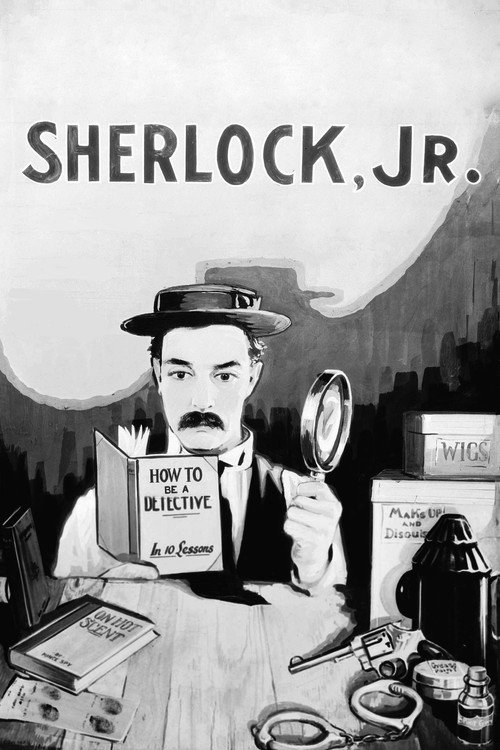
Sherlock Jr.1924
Buster Keaton's masterwork: a projectionist dreams himself into a movie and the physics go beautifully wrong. The technical innovation and the gags are inseparable—you're watching cinema invent itself.
But It's only 45 minutes. The dream logic might feel thin to modern audiences used to longer narrative buildup.
Not sure tonight? Get a pick in a minute, starting from Tillie's Punctured Romance
The wildcard
Something you would not have found on your own.
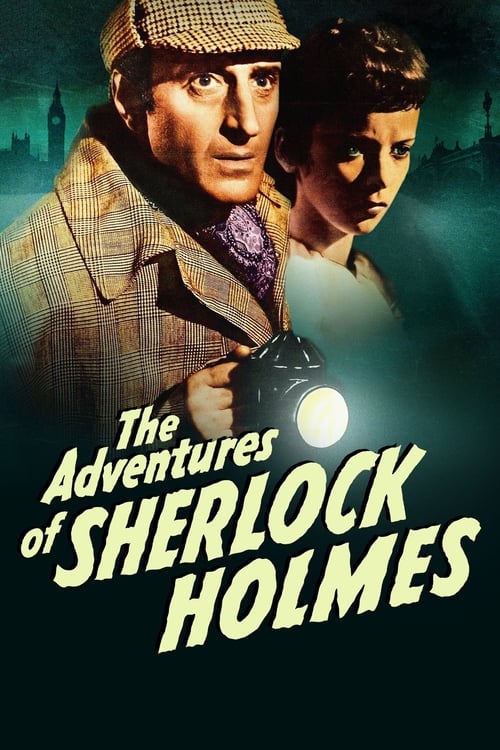
The Adventures of Sherlock Holmes1939
Both are feature-length comedies from the silent/early-sound era that treat their plots as blueprints for performance rather than realism. The characters exist to play, not to convince.
Basil Rathbone and Nigel Bruce's first outing as Holmes and Watson—a perfectly wound murder mystery played with wit and warmth. It's crime drama as a kind of elegant game, where deduction becomes entertainment.
But It's a straightforward mystery, not a character study. If you want psychological depth or moral ambiguity, this is cleaner and simpler than that.
More like this (8)
The Phantom Carriage1921
Swedish horror-comedy where a dying man is visited by ghostly coachmen on New Year's Eve. Gorgeously atmospheric, genuinely eerie, and funny in ways that feel earned rather than forced.
But It's a tonal tightrope; the mix of dread and whimsy won't work for everyone. The melodrama can feel overwrought.

Sunrise: A Song of Two Humans1927
A man tempted to drown his wife is instead seduced by the city itself in this visually ravishing German Expressionist film. Comedy, romance, terror, and redemption all tangled together with astonishing cinematography.
But It's heavy thematically and can feel ponderous. The comedy is subtle; don't expect laughs, expect to feel things.

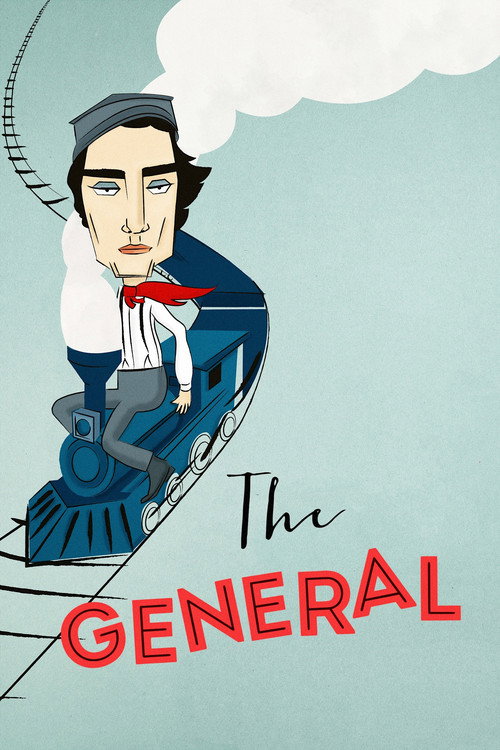
The General1926
Buster Keaton stealing a Confederate train during the Civil War with barely a change of expression. The action sequences are genuinely thrilling, the comedy flows from pure physics and timing.
But The Civil War setting is treated almost as decoration; the film has no political awareness whatsoever by modern standards.
Nosferatu1922
The first vampire film and still terrifying—a plague of undeath creeping across expressionistic townscapes. It's horror and fever dream and fairy tale compressed into 83 minutes of pure atmosphere.
But The plot is thin; it's essentially a vampire moves to town. The legal troubles that surrounded it mean no original intertitles survive, which affects pacing.

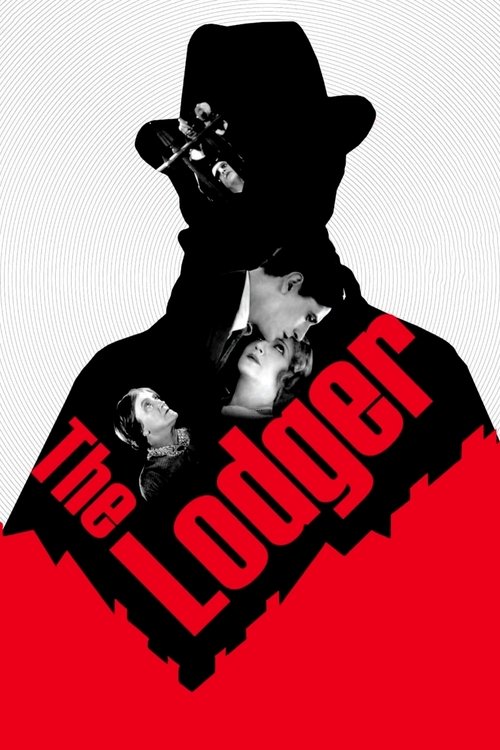
The Lodger: A Story of the London Fog1927
Hitchcock's first thriller about a mysterious tenant suspected of being a serial killer. Paranoia, class anxiety, and visual storytelling that already shows his genius for suspense from nothing.
But It's static by modern standards—a three-character psychological game in a boarding house. The intertitles do heavy lifting that dialogue would handle faster.
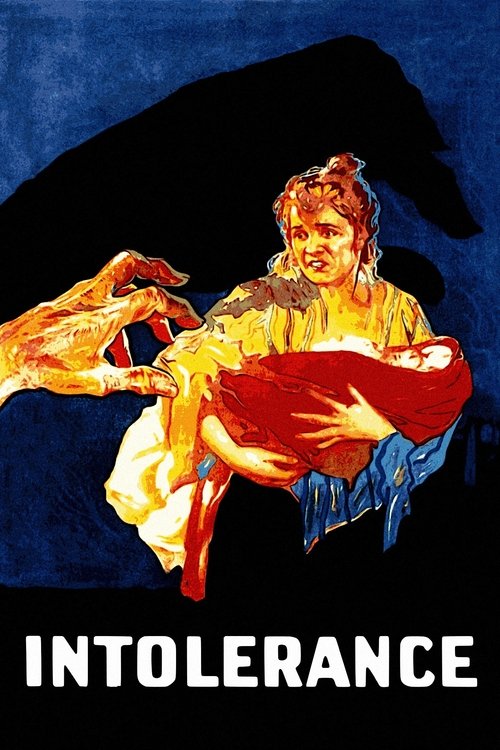
Intolerance: Love's Struggle Throughout the Ages1916
D.W. Griffith's audacious epic that cuts between four historical periods to argue against prejudice. It's wildly ambitious, visually staggering, and the sheer scale of the sets is almost hallucinogenic.
But Nearly four hours long and narratively confusing by design. The film's moral argument can feel preachy, and its racial politics are complicated given Griffith's history.
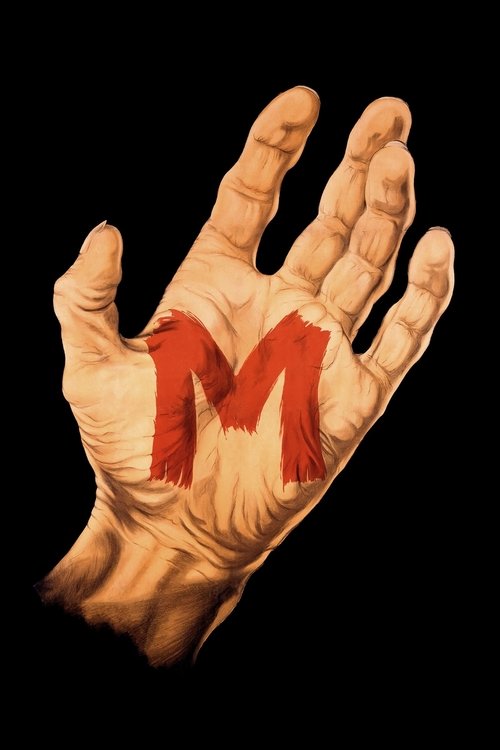
M1931
Where Tillie's Punctured Romance uses the city as a playground of schemes and reversals, M uses it as a labyrinth of guilt and social breakdown. Both make urban space the real antagonist.
Fritz Lang's German expressionist noir about a child murderer hunted by both police and criminals. It's visually hypnotic, morally complex, and uses the city as a character itself—every shadow matters.
But It's bleak and occasionally graphic by 1931 standards. The courtroom scenes are deliberately claustrophobic and uncomfortable to watch.
A Page of Madness1926
Both films trust the image completely and distrust language. But while Tillie's gags are built on recognition and expectation, Madness builds on disorientation and dream logic—it's slapstick inverted into surrealism.
Japanese avant-garde silent film set in an asylum, told without intertitles. Pure visual storytelling—movement, light, distortion, hallucination. It's like watching cinema from another planet.
But There's no plot to follow in any conventional sense. It's abstract and demanding; you have to surrender to the mood rather than track a story.

People
Cast
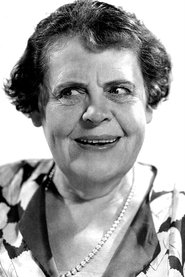 Marie DresslerTillie Banks
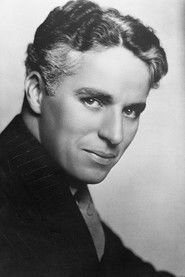 Charlie ChaplinThe City Guy
 Mabel NormandMabel
- Charles BennettUncle Donald Banks
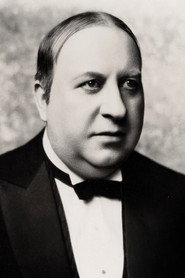 Mack SwainTillie's Father
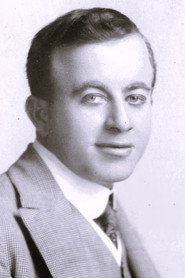 Chester ConklinMr. Whoozis (uncredited)
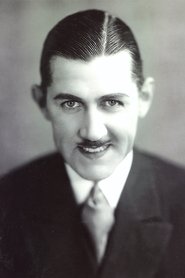 Charley ChaseStaring Man in Theater (uncredited)
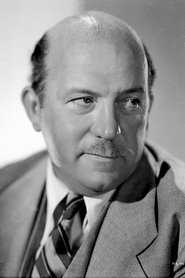 Edgar KennedyRestaurant Owner / Banks' Butler (uncredited)
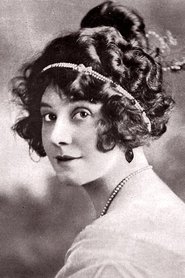 Minta DurfeeMaid (uncredited)
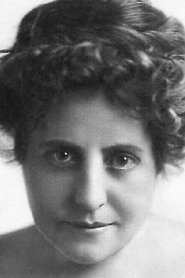 Alice DavenportGuest at Party (uncredited)
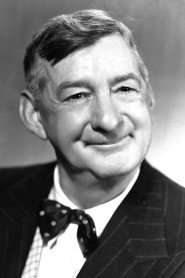 Slim SummervilleKeystone Kop / Guest in Restaurant (uncredited)
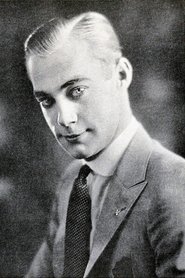 Al St. JohnKeystone Kop (uncredited)
Directing
- Mack SennettDirector
Writing
- Craig HutchinsonScreenplay
- Hampton Del RuthScreenplay
- Edgar SmithTheatre Play
Production
- Mack SennettProducer