
Film
Peck's Bad Boy
- Slapstick
- Light-hearted
A silent comedy following young Henry Peck's escalating schemes to get circus money, treating small-town authority figures and his own family as delightful obstacles. Jackie Coogan's mischief-making carries it—frenetic, physical, endlessly inventive within its sixty-four minutes. For fans of early silent comedy who want something sunnier than Chaplin's pathos.
Should you watch it?
Watch it if you love episodic, mischievous small-town comedy where a kid's scheming drives everything, and you don't mind silent-era pacing and broad physical gags.
Skip it if you need dialogue and a tight plot, since this is a silent film whose episodes wander, and its pranks can read as meaner than modern audiences expect.
What it asks of you: About an hour, at silent-film speed: you watch closely, read the intertitles, and let the slapstick build rather than rush ahead of it.
Not sure? Find tonight's pick in a minute.
If you liked this
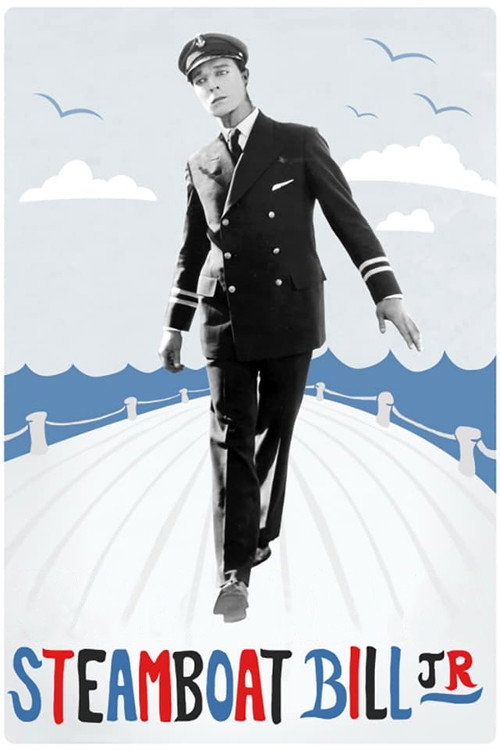
Steamboat Bill, Jr.1928
Buster Keaton plays another resourceful kid navigating impossible situations with deadpan ingenuity. The structural logic of his gags—each problem spawning the next—matches Henry's escalating chaos perfectly.
But Keaton's emotional register is colder than Coogan's warmth. If you want laughs rooted in family affection rather than pure mechanical invention, this might feel distant.
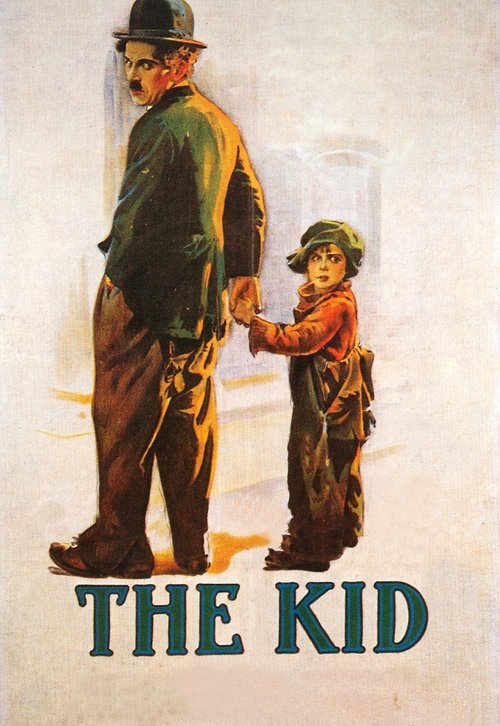
The Kid1921
Chaplin and child-actor Jackson in perfect sync, mining pathos and comedy from a boy-and-guardian relationship. Released the same year as Peck's Bad Boy, it shows how differently the era could treat childhood.
But Darker and more sentimental. The tone is elegiac where Henry Peck is gleeful—if you're here for pure fun, Chaplin's melancholy might weigh you down.
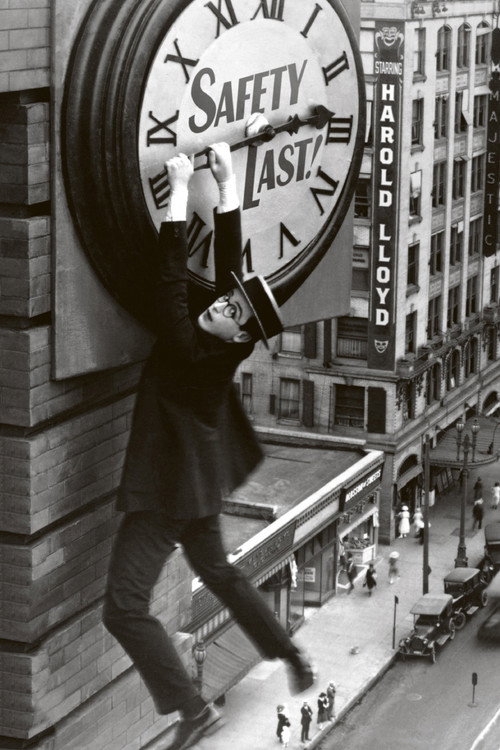
Safety Last!1923
Harold Lloyd's everyman energy tackles escalating impossibilities with the same cheerful desperation Henry brings to circus schemes. Iconic stunt work that still thrills, and Lloyd's optimism never wavers.
But Relies heavily on one spectacular set piece. The surrounding plot is thin, and if physical comedy isn't your language, sitting through seventy minutes for one sequence is a hard sell.
Not sure tonight? Get a pick in a minute, starting from Peck's Bad Boy
The wildcard
Something you would not have found on your own.
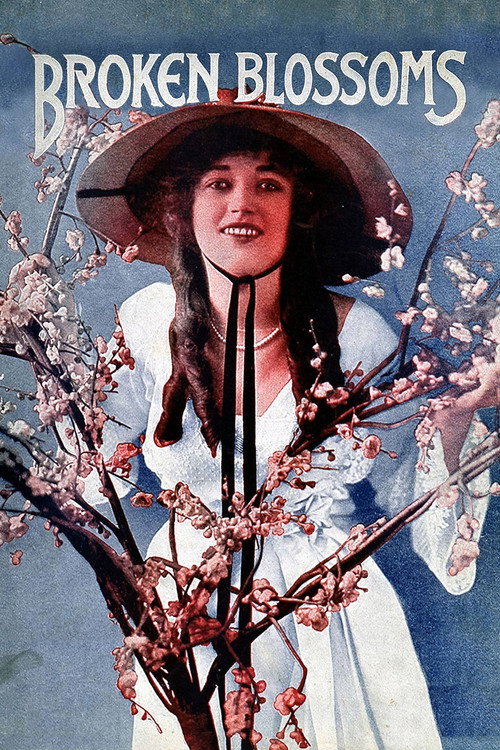
Broken Blossoms or The Yellow Man and the Girl1919
Both center on a child or childlike soul beneath the world's cruelty, but Griffith shows the cost where Coogan shows the resistance.
D.W. Griffith's tender tragedy of a Chinese man protecting a brutalized girl from her abusive father. The gentleness—the revolutionary *compassion*—is the connection: Henry's mischief springs from love, and so does this film's entire moral universe.
But It's 104 minutes of sorrow and delicate suffering. Going from Henry's comic mayhem to genuine tragedy will feel like a tonal cliff—some viewers find Griffith's pace glacial by modern standards.
More like this (6)
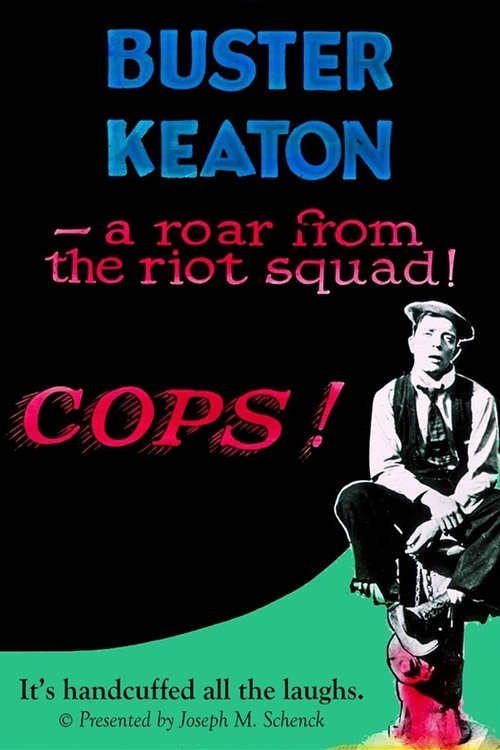
Cops1922
Keaton versus a hundred cops, each mishap generating the next in perfect sequence. It's structural brilliance disguised as slapstick—exactly what makes early comedy work when done right.
But Eighteen minutes of essentially one joke, however brilliant. Repetition isn't development; if you tire easily of a single premise, move on.
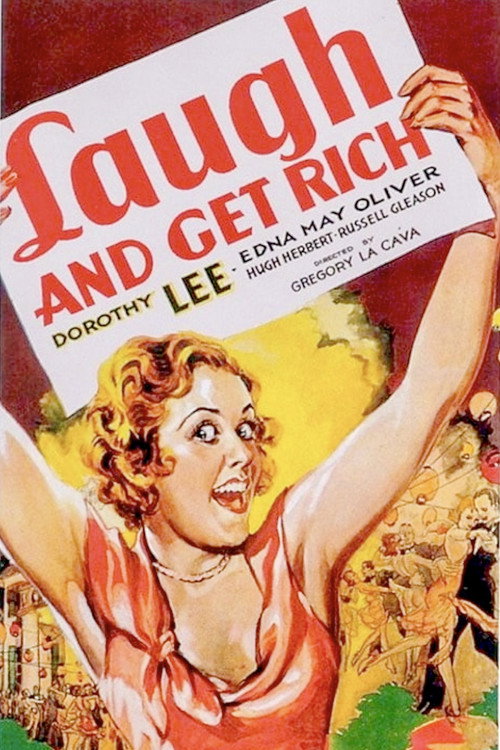
Laugh and Get Rich1931
Charlie Chase in a screwball scramble through get-rich schemes and minor deceptions. Faster-paced than much silents, with that same small-town scheming energy as Henry's exploits.
But Less iconic than Lloyd or Keaton, and it shows. The charm is real but uneven; supporting performers aren't always up to the tempo.
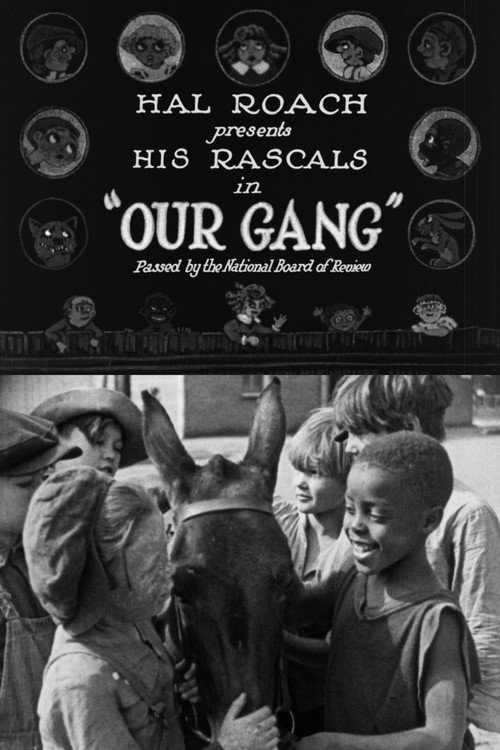
Our Gang1922
Kids solving their own problems through chaos and loyalty. Same era, same sensibility about childhood as mischief rather than innocence—Henry's relatives must recognize themselves here.
But Episodic and structurally loose compared to Peck's focused narrative. Comedy comes from character dynamics rather than plot architecture, which won't satisfy everyone.
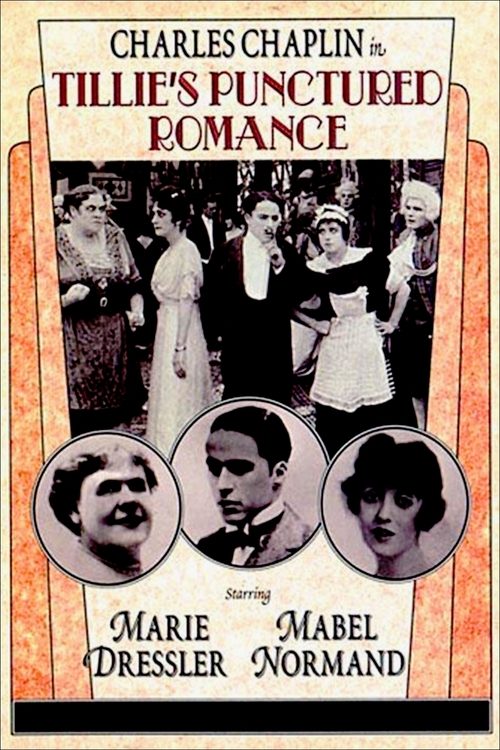
Tillie's Punctured Romance1914
Chaplin's first feature-length comedy and an actual story: a con man, a naive woman, a scheme that unravels brilliantly. Shows how early comedy could sustain narrative without sacrificing laughs.
But Chaplin in full charlatan mode—no warmth, all calculation. If you're attached to Henry's goodhearted mischief, this cynicism will feel cold.
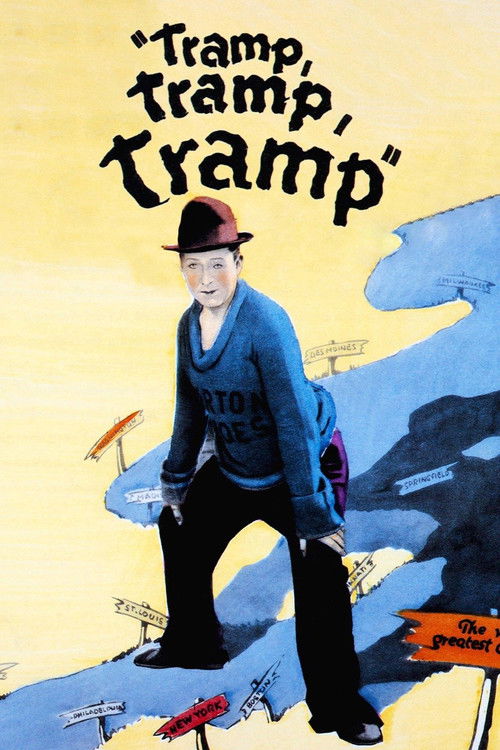
Tramp, Tramp, Tramp1926
Harry Langdon, the third great silent comic, races across America for love and money. Genuinely oddball sensibility—Langdon's cadence and timing are unlike anyone else, including Lloyd or Keaton.
But Langdon's persona is fragile and strange. It can feel mannered or precious; if you prefer comedy that wears its mechanics openly, this subtlety might seem limp.
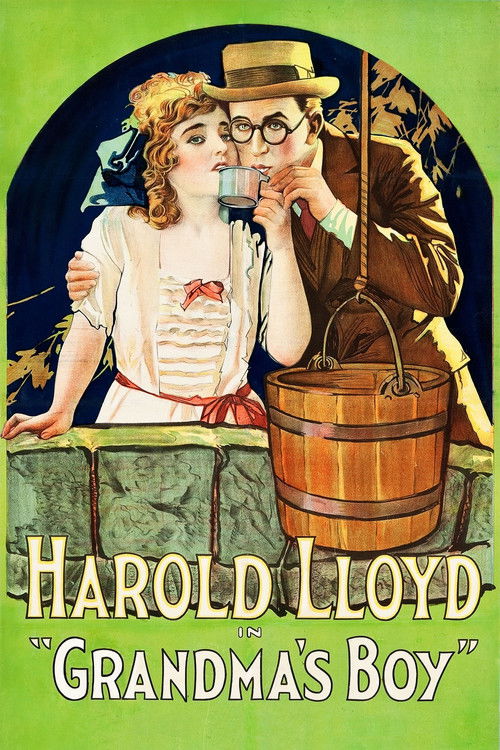
Grandma's Boy1922
Both trust that a boy's scheming and mischief can be profound because the stakes—belonging, family approval—are real.
Harold Lloyd's sweetest film: a shy boy helped by his grandmother through small-town obstacles to prove himself. It's Henry Peck's emotional DNA—schemes rooted in genuine stakes, family loyalty at the core, chaos as love.
But Lloyd's vulnerability is real and extended; the comedy hangs on sentiment rather than pure invention. If you want mechanical gags over character, this will feel slow.
People
Cast
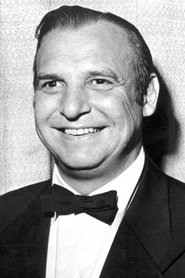 Jackie CooganHenry Peck
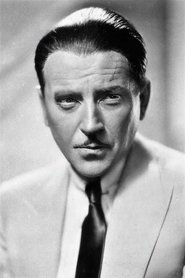 Wheeler OakmanDr. Jack Martin - the Man in the Case
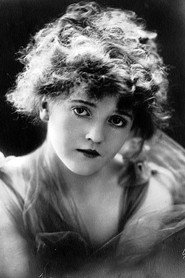 Doris MayLetty Peck - Henry's Sister
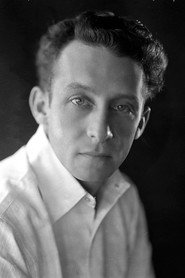 Raymond HattonThe Village Grocer
- James CorriganGeorge W. Peck - Henry's Pa
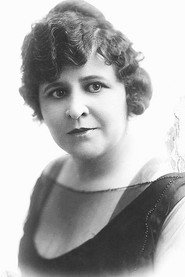 Lillian LeightonMrs. George W. Peck - Henry's Ma
- Charles HattonBuddy - Henry's Pal
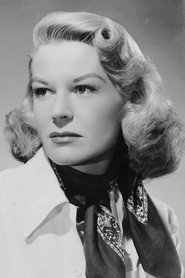 K.T. StevensHenry's Sweetheart
 Robert BrowerThe Minister
Directing
- Sam WoodDirector
Writing
- Sam WoodAdaptation
- George W. PeckStory