
Film
Tramp, Tramp, Tramp
- Action
- Light-hearted
A 1926 silent comedy where a cobbler's son enters a cross-country walking contest to save his father's business and pursue the girl of his dreams. Harry Langdon's endearing deadpan carries this breezy romantic adventure, complete with slapstick mishaps and genuine affection. It's a film that moves at silent comedy's pace—faster than you'd expect, gentler than you'd guess.
If you liked this
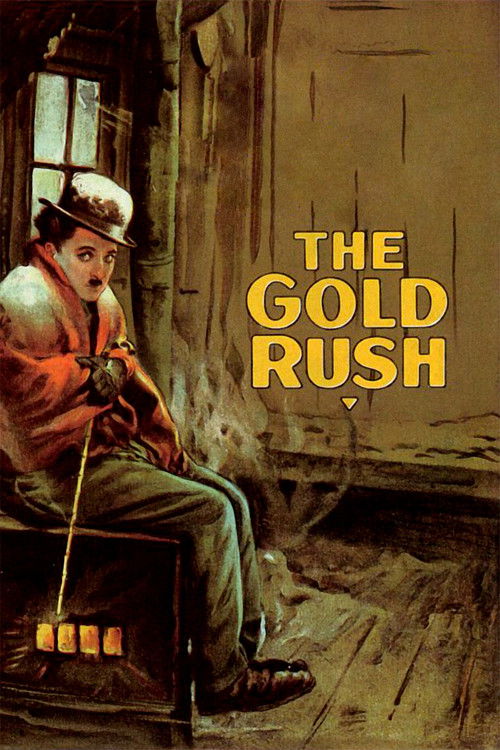
The Gold Rush1925
Chaplin's masterpiece about a prospector in the Yukon, mixing physical comedy with surprising tenderness. Both films prove silent comedy could be genuinely moving without losing its laugh.
But It's nearly two hours and in black and white, shot in a register that demands patience modern viewers don't always bring.
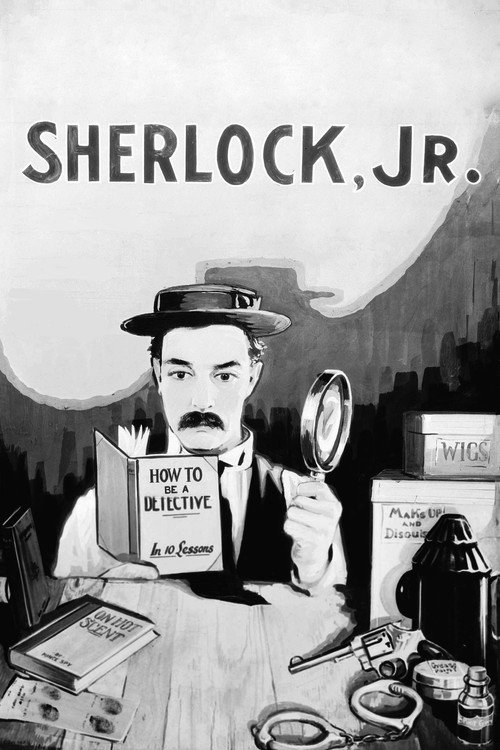
Sherlock Jr.1924
Buster Keaton's projectionist dreams his way into a murder mystery with stunts that still feel impossible. Like Tramp, Tramp, Tramp, it uses a simple premise to build genuine charm and spectacular physical comedy.
But The plot is thin and the pacing assumes you're used to silent film's rhythm. Some gags will whoosh past.
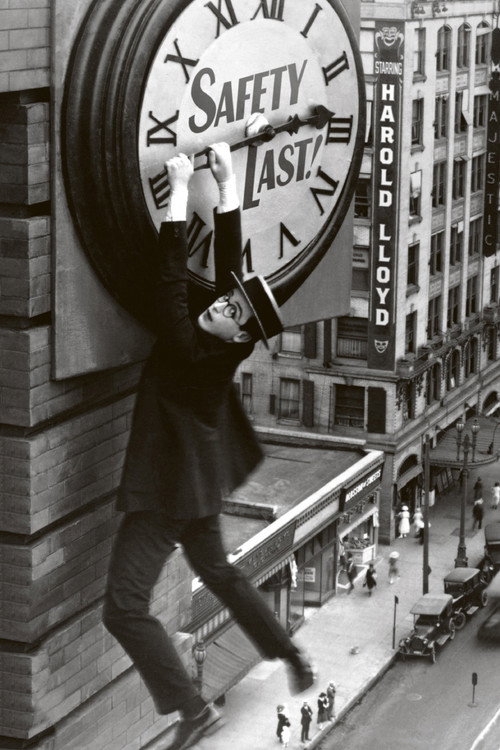
Safety Last!1923
Harold Lloyd climbs a skyscraper in this death-defying comedy. The anxiety and sweetness coexist exactly as they do in Tramp, Tramp, Tramp—funny because something real is at stake.
But It's a relic of 1920s film stock and image quality. The premise is simpler than modern comedy expects.
Not sure tonight? Get a pick in a minute, starting from Tramp, Tramp, Tramp
The wildcard
Something you would not have found on your own.
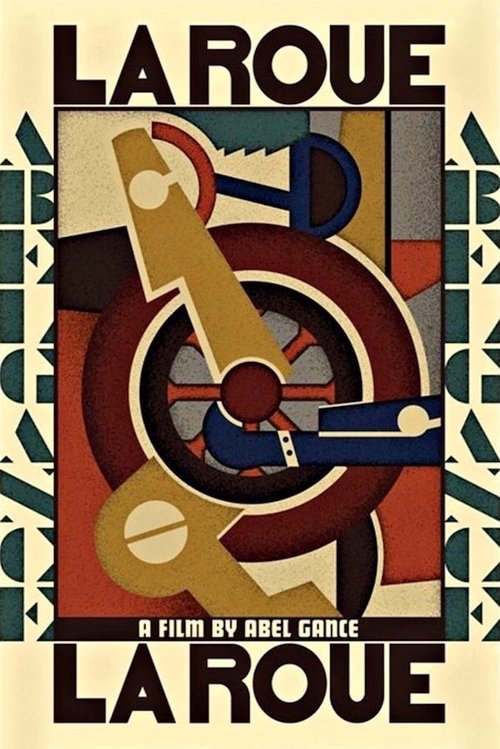
La Roue1923
Both are films about obsessive pursuit—Langdon chasing his girl across America, Gance's hero chasing redemption and love on the rails. Both prove silent cinema could sustain a journey narrative as both physical adventure and emotional search.
Abel Gance's experimental melodrama about a railway engineer and his adopted daughter uses rapid montage and visual abstraction that feels startlingly modern. It's the art film hiding inside a trashy love triangle.
But It's three and a half hours of intense emotional drama with virtually no humor. The narrative is thin and philosophical rather than plot-driven.
More like this (8)
The Phantom Carriage1921
A Swedish ghost story with visual sophistication that rivals anything Hollywood made. It proves silent cinema was capable of genuine darkness and emotional depth, not just knockabout fun.
But It's heavy and slow compared to Langdon's lightness. Some viewers find Scandinavian melodrama overwrought.

Sunrise: A Song of Two Humans1927
F.W. Murnau's masterwork about a marriage on the brink. It's silent cinema at its most formally inventive and emotionally overwhelming, with a romantic arc that resonates decades later.
But It's deliberately artistic and abstract at moments. The emotional weight demands real investment; you can't half-watch it.

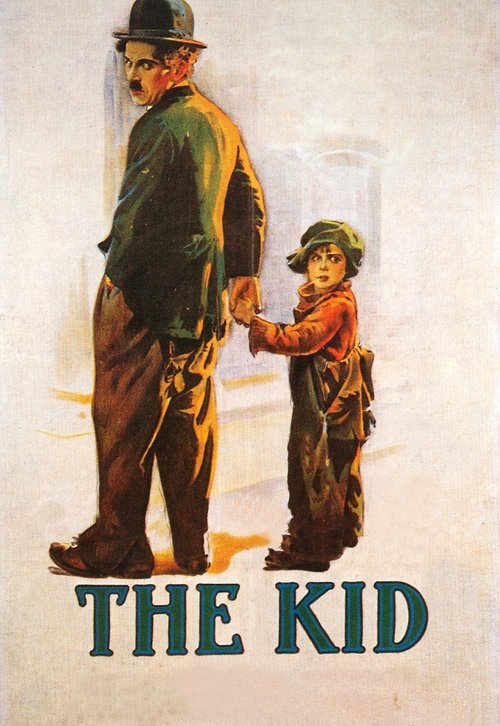
The Kid1921
Chaplin with child actor Jackie Coogan, balancing slapstick and genuine heartbreak. A perfect example of how silent comedies could contain real stakes without losing their playfulness.
But Chaplin's sentimentality will feel cloying if you're not in the mood for it. Some gags feel dated.
Nosferatu1922
German Expressionism's greatest vampire film, all shadows and dread and visual invention. It shows what silent cinema could do when aiming for genuine horror rather than laughs.
But It's genuinely unsettling and slow-paced. The image quality is compromised in most prints available today.

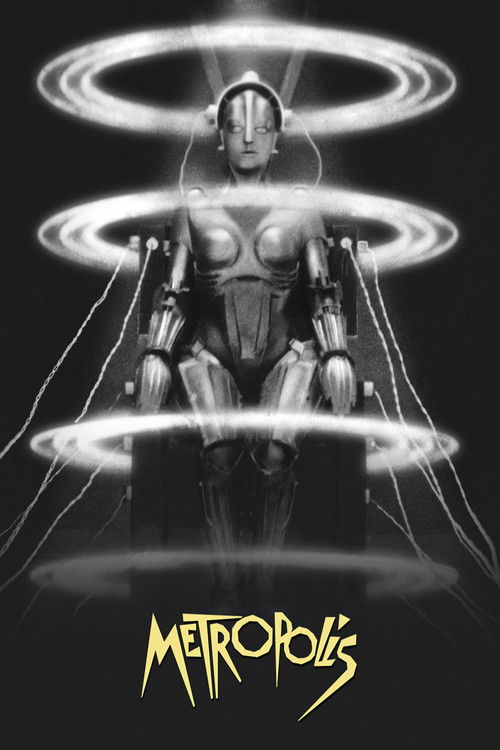
Metropolis1927
Fritz Lang's sci-fi epic about a divided city. Technically staggering for its era, it's a film that reminds you silent cinema could think as ambitiously as it could move.
But The dialogue cards are heavy and the restored versions still have pacing issues. It's a commitment, not an evening.
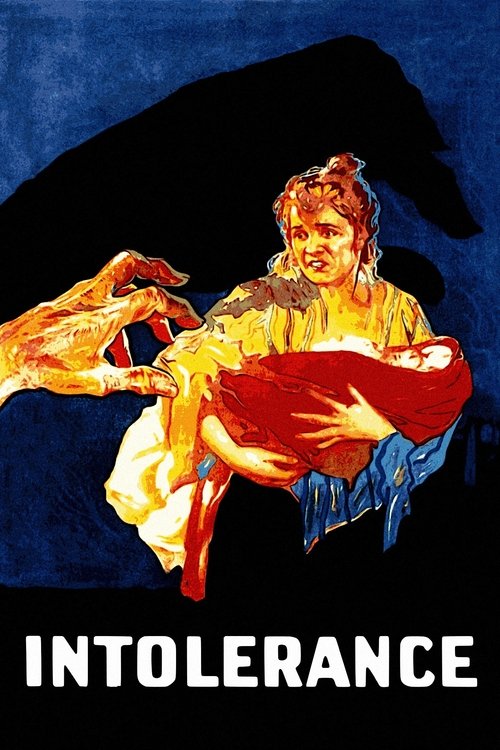
Intolerance: Love's Struggle Throughout the Ages1916
D.W. Griffith's sprawling epic cutting between four historical periods to meditate on social division. Technically innovative and morally serious in ways that challenge what you thought silent film could attempt.
But It's nearly four hours, the plot threads are dense, and Griffith's politics are complicated and sometimes ugly. It's demanding without being fun.
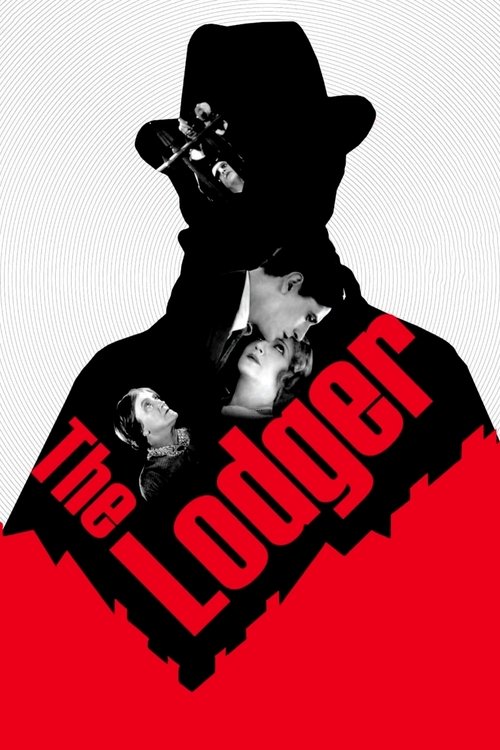
The Lodger: A Story of the London Fog1927
Both feature ordinary men driven by circumstances beyond their control—Langdon by love and economics, Hitchcock's lodger by suspicion and fate. Both use the setting as a character that shapes the hero's journey.
Hitchcock's London thriller about a mysterious tenant suspected of being a serial killer. It's tense, beautifully shot, and shows how silent cinema could build suspense through visual storytelling alone.
But It's a thriller, not a comedy, and the pacing is slow by modern standards. The Jack the Ripper premise will feel dated.
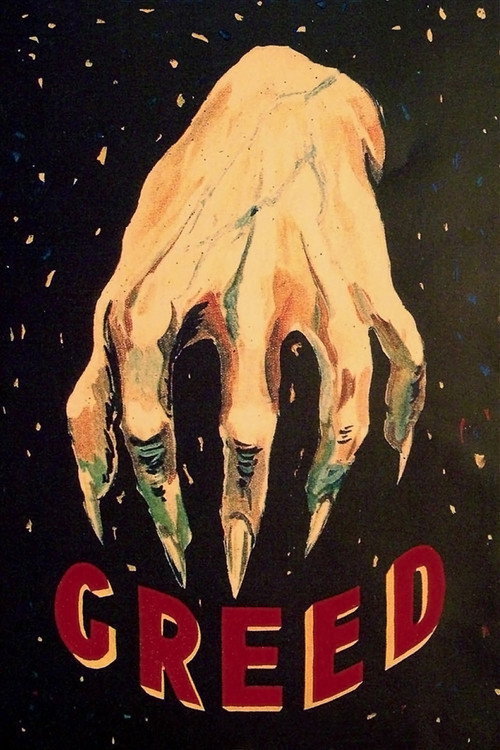
Greed1924
Both are cross-country journeys that strip their protagonists down to essentials, but where Langdon's tramp finds grace through hardship and love, von Stroheim's couple finds only the worst in themselves and each other. They're opposite answers to the same question about what America's open road reveals.
Erich von Stroheim's naturalistic epic about a San Francisco couple destroyed by greed follows them across Death Valley in the film's final act. It's a silent film of almost unbearable psychological realism, proving the medium could do serious social critique.
But It's 2.5 hours of relentless decline and misery. The characters are unlikeable and the film offers no comfort. It's an endurance test, not an escape.
People
Cast
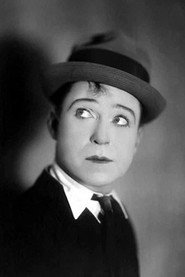 Harry LangdonHarry Logan
 Joan CrawfordBetty Burton
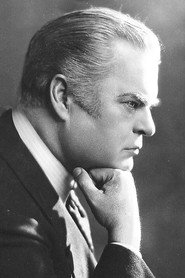 Edwards DavisJohn Burton
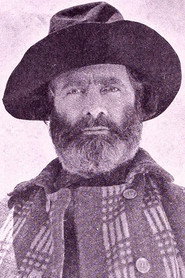 Tom MurrayNick Kargas
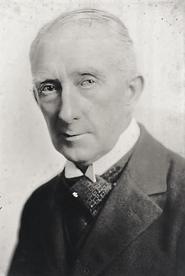 Alec B. FrancisAmos Logan
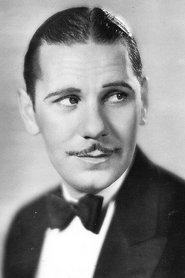 Brooks BenedictTaxi Driver
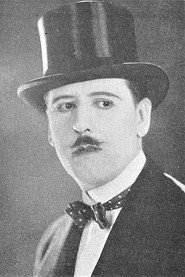 Carlton GriffinRoger Caldwell (uncredited)
Directing
- Harry EdwardsDirector
Writing
- Arthur RipleyStory
- Gerald C. DuffyStory
- Hal ConklinStory
- Harry LangdonStory
- J. Frank HollidayStory
- Murray RothStory
- Tim WhelanStory
- Frank CapraWriter
Production
- Harry LangdonProducer