
Film
La Roue
Abel Gance's silent epic is a melodrama of impossible longing and railway-set destiny, told across nearly seven hours with hypnotic editing and emotional force that feels modern still. Montage-mad, visually daring, and absolutely committed to the pain of loving someone you cannot have. For anyone who thinks silent film might move them.
If you liked this
Sunrise: A Song of Two Humans1927
F.W. Murnau's masterpiece about a man tempted to murder his wife shares Gance's belief that cinema can make the inner world visible through rhythm, light, and symbolic landscape. Hypnotic and devastating.
But Slower than you expect, and the happy ending might feel like a betrayal of the moral weight that came before it.

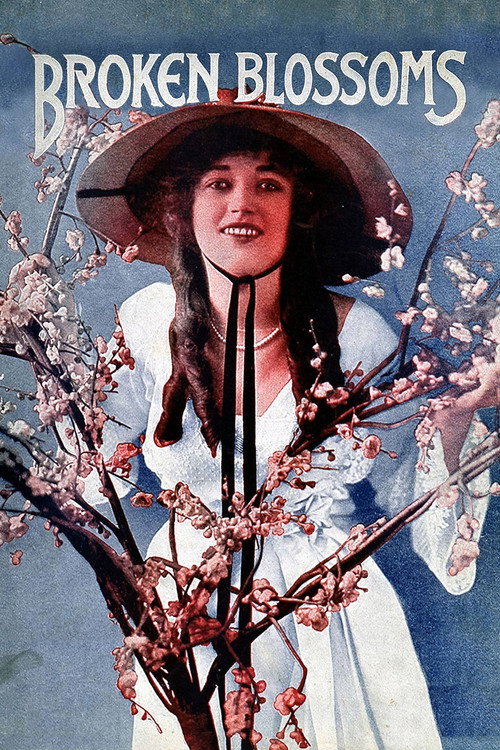
Broken Blossoms or The Yellow Man and the Girl1919
D.W. Griffith's intimate tragedy about impossible love across social divides has the same tender, aching quality as La Roue, and proved that close-ups and restraint could be as powerful as spectacle.
But The racial politics, though contextual to the era, have not aged well and remain uncomfortable to watch.
The Phantom Carriage1921
Sjöström's Swedish ghost story uses visual effects and doubling to explore guilt and redemption with the same dreamlike intensity Gance brings to La Roue. Profound without ever being ponderous.
But The pacing is measured to the point of stillness; modern viewers often find it tedious.

Not sure tonight? Get a pick in a minute, starting from La Roue
The wildcard
Something you would not have found on your own.
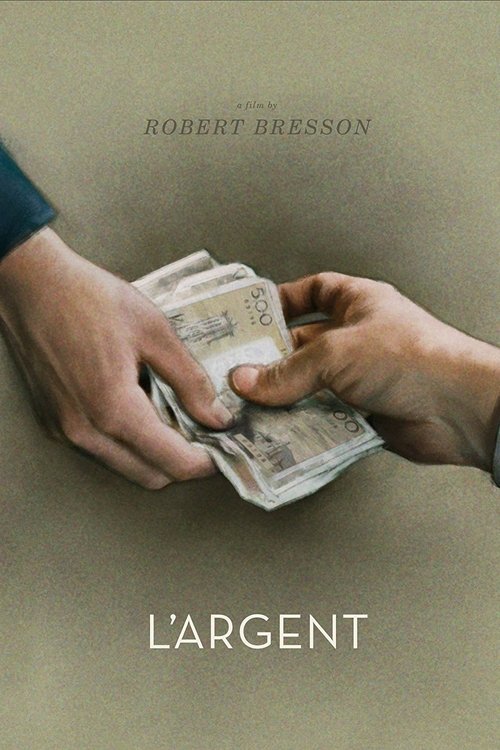
L'Argent1983
Both Gance and Bresson use montage to suggest forces larger than the individual—fate in La Roue, providence and determinism in L'Argent—and both believe that the greatest power of cinema is not to show feeling but to make it impossible to look away from suffering.
Bresson's final film traces a banknote through lives it corrupts, using the same glacial montage and profound belief in visual abstraction as Gance, but without sentiment. It is cinema of pure consequence: every cut is a judgment.
But Bresson's austerity can feel punishing; there is no warmth, no music beyond sparse sound design, and the characters are abstractions rather than people you can love.
More like this (6)
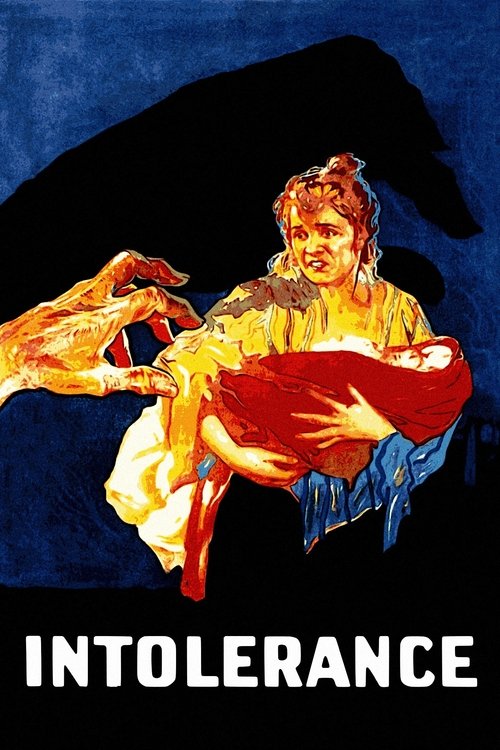
Intolerance: Love's Struggle Throughout the Ages1916
Griffith's four-story epic about how prejudice destroys lives across centuries is audacious in scale and montage—a clear ancestor to Gance's formal ambitions, even if La Roue is more intimate.
But At over three hours with intertitles, it demands patience; many find the Babylon sequence goes on forever.
Nosferatu1922
Murnau's vampire film is a contemporary of La Roue and shares its use of German Expressionist shadows and psychological dread to explore desire as something monstrous and inescapable.
But The horror imagery is crude by modern standards, and some viewers find the pacing glacial.

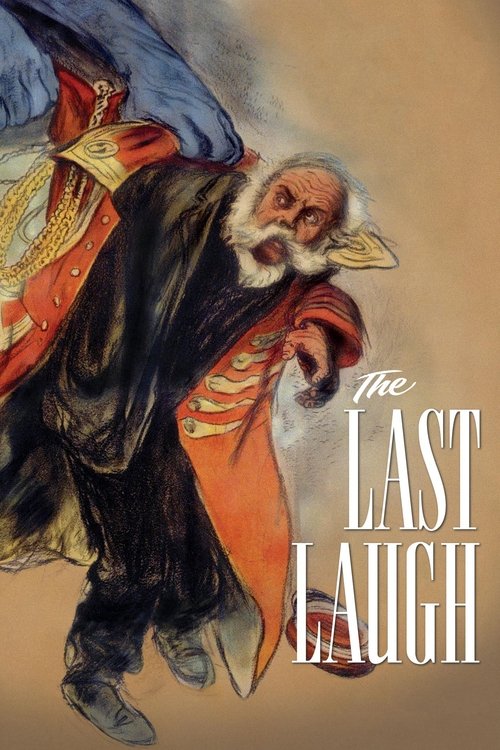
The Last Laugh1924
Murnau's tale of a hotel doorman's humiliation uses camera movement and subjective perspective to tell its story almost without intertitles—a formal innovation that matches La Roue's visual daring.
But The sentimentality of the ending undercuts the earlier social critique, and the handheld camera can feel disorienting.
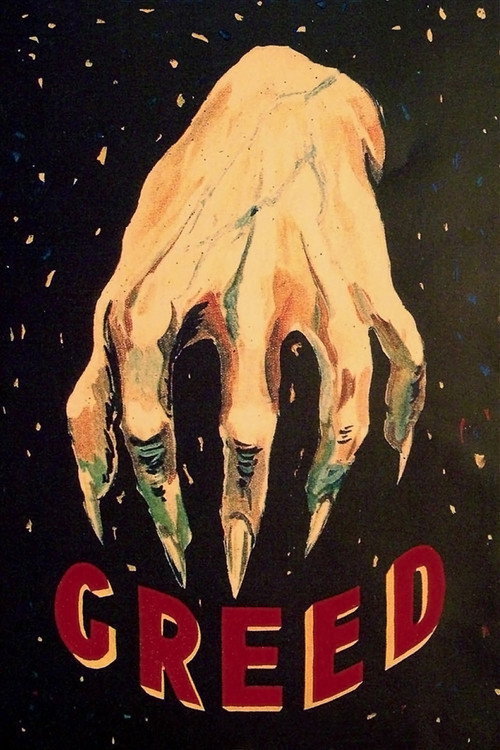
Greed1924
Erich von Stroheim's adaptation of McTeague is as visually obsessive as La Roue and driven by the same belief that cinema should make moral and psychological truth visible through image.
But The surviving cut is a fraction of Stroheim's intended vision, and the available versions are incomplete; it's hard to know what you're really watching.
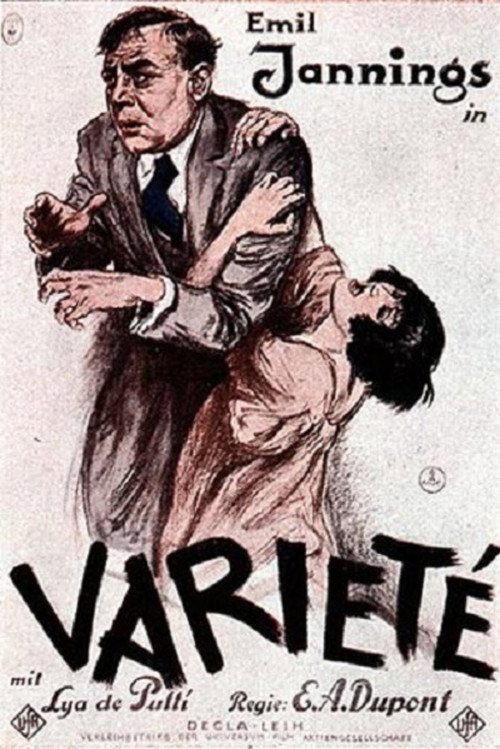
Variety1925
E.A. Dupont's trapeze melodrama uses dazzling camerawork and montage to create visual poetry from jealousy and betrayal—Gance's techniques applied to a different story with equal brilliance.
But The plot is straightforward to the point of simplicity, so the film relies entirely on style; if that doesn't move you, there's not much underneath.
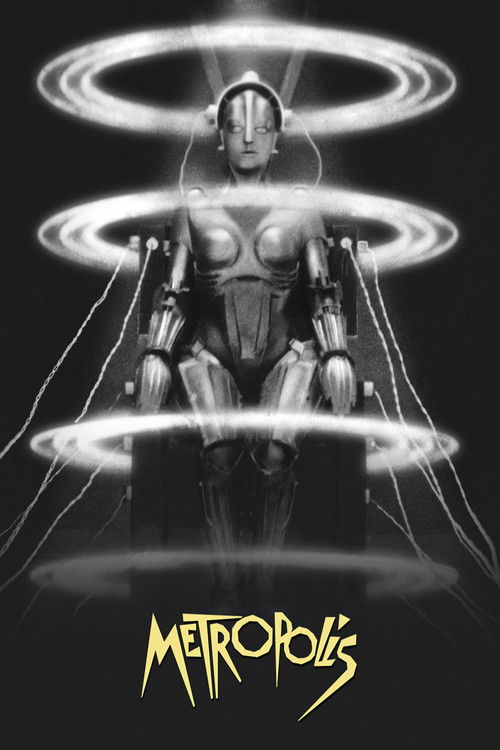
Metropolis1927
Lang's science-fiction epic shares La Roue's ambition to use cinema as a form of mass art, and its concern with class, exploitation, and whether love can bridge impossible divides echoes Gance's themes.
But The surviving versions are compromised by cuts and restorations; the definitive Metropolis does not exist, and the restored scenes feel tonally jarring.
People
Cast
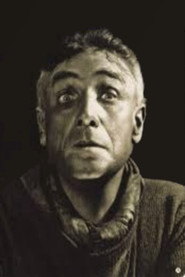 Séverin-MarsSisif
 Ivy CloseNorma
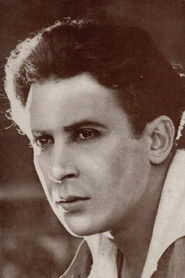
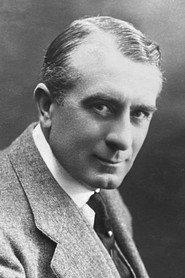 Pierre MagnierJacques de Hersan
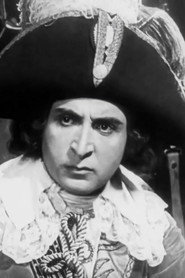 Max MaxudianLe minéralogiste Kalatikascopoulos
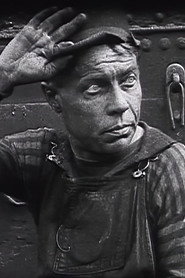 Georges TérofMachefer
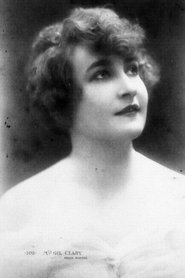 Gil ClaryDalilah
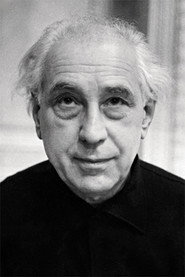 Abel GanceSelf
Directing
- Blaise CendrarsAssistant Director
- Abel GanceDirector
Writing
- Abel GanceWriter
Production
- Abel GanceProducer
- Charles PathéProducer