
Film
Under Two Flags
Other titles called Under Two Flags: the 1912 film, the 1936 film.
A 1922 melodrama of honor, exile, and impossible love set in the French Foreign Legion. Priscilla Dean commands the screen as Cigarette, a spirited camp follower caught between two men in the Algerian desert. It's sweeping, emotional, and genuinely moving—a reminder that silent cinema could break your heart as easily as any modern drama.
If you liked this
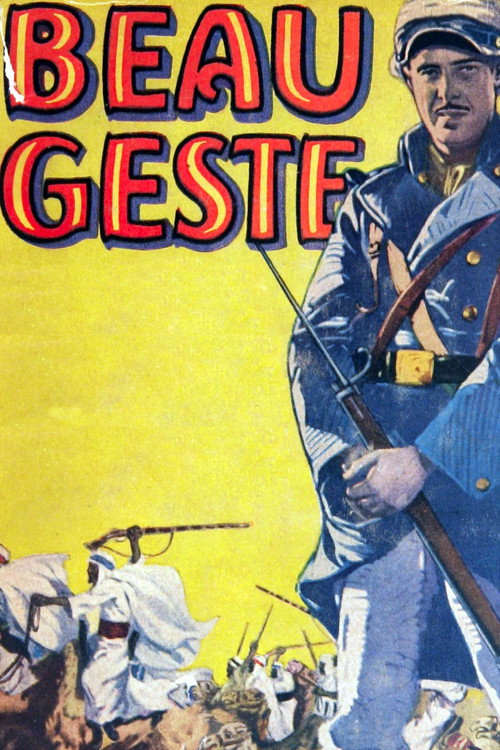
Beau Geste1926
Another Foreign Legion epic with the same blend of adventure, honor, and tragic romance. Ronald Colman gives himself entirely to a man running from his past, and the desert sequences rival anything in Under Two Flags.
But The pacing is episodic and the plot meanders. Some of the emotional beats feel overwrought by modern standards.
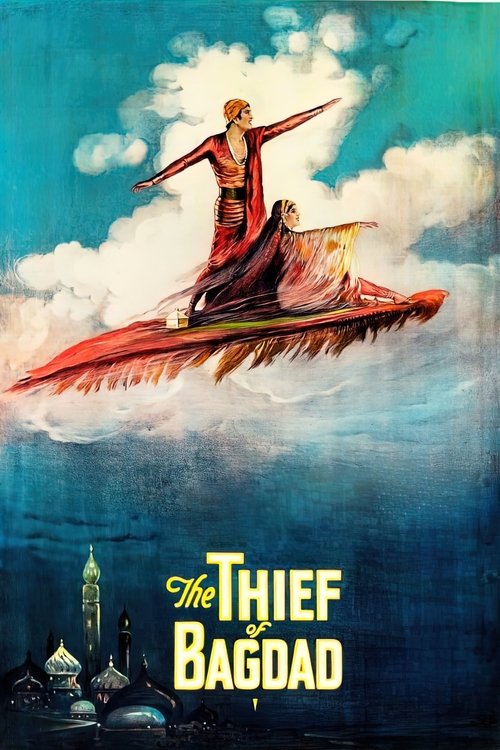
The Thief of Bagdad1924
Douglas Fairbanks in an exuberant adventure that shares Under Two Flags' sense of spectacle and romantic yearning. The production design is stunning, and the stunt work still astounds. A pure joy to watch.
But It's much lighter and more whimsical—if you're after the emotional depth of Under Two Flags, this pivots toward fantasy adventure.
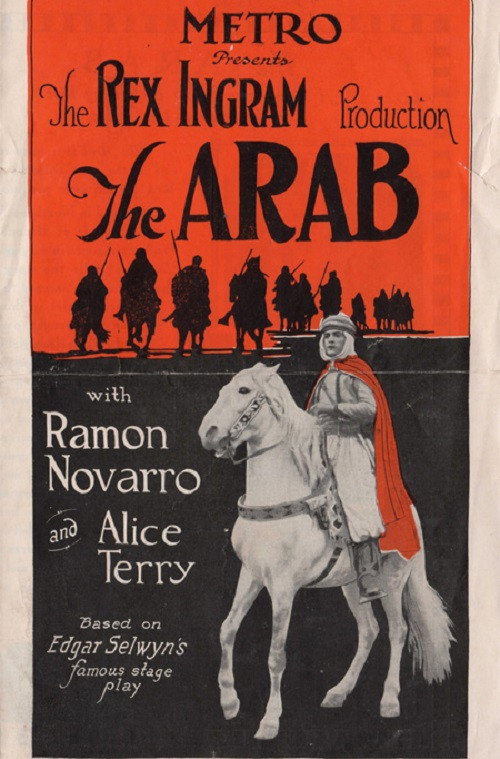
The Arab1924
Another Priscilla Dean vehicle with similar themes of devotion and self-sacrifice in an exotic setting. Dean's presence is magnetic, and the romantic entanglement has genuine stakes and complexity.
But The orientalist framing is dated and uncomfortable by today's standards. The pacing drags in places.
Not sure tonight? Get a pick in a minute, starting from Under Two Flags
The wildcard
Something you would not have found on your own.
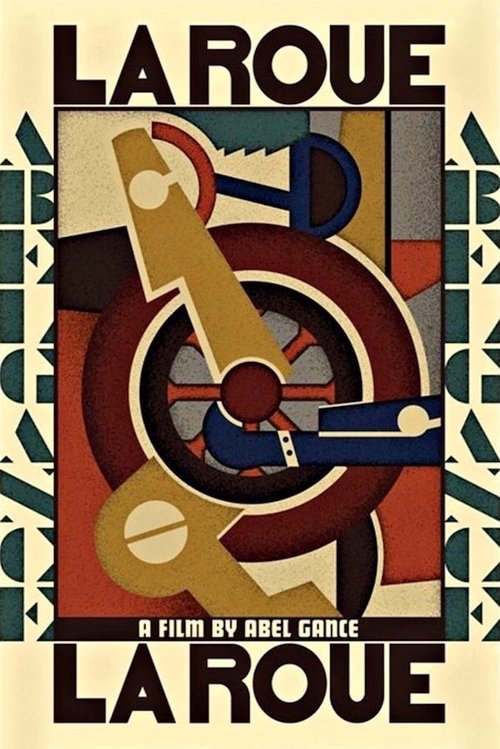
La Roue1923
Both are narratives of structured devotion—the railway worker's father-love mirrors Cigarette's unconditional loyalty. Both explore how love becomes a form of sacrifice that consumes the giver, and both do this through purely cinematic means.
Abel Gance's masterpiece about a railway engineer's paternal obsession, made with a visual language that was decades ahead of its time. The emotional devastation is modern; the filmmaking innovation is revolutionary. Gance understood cinema as purely visual storytelling.
But It runs nearly five and a half hours across multiple parts, requires real attention, and the intertitles are sparse. This is a commitment, not a casual watch.
More like this (6)
The Phantom Carriage1921
A Swedish masterpiece about guilt, redemption, and love that transcends its supernatural frame. Visually inventive, emotionally devastating, and proof that silent cinema could achieve profound psychological depth.
But It's slower and more introspective than Under Two Flags. The supernatural elements won't appeal if you prefer grounded drama.

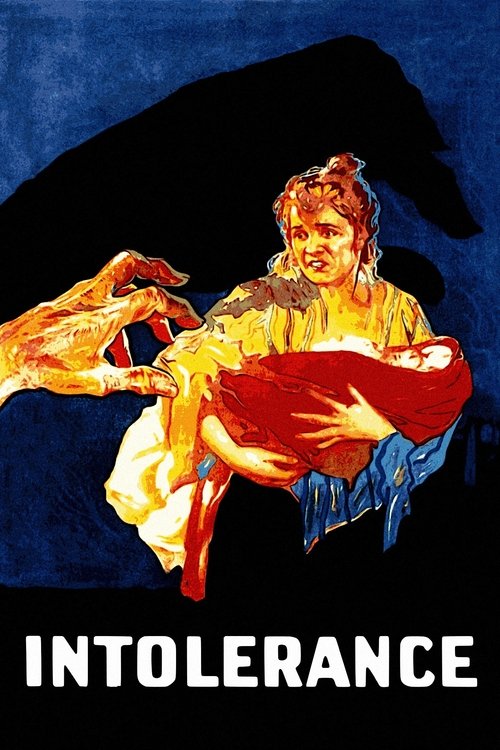
Intolerance: Love's Struggle Throughout the Ages1916
D.W. Griffith's epic, ambitious attempt to weave love stories across four historical periods. The scale is breathtaking, and the emotional trajectories mirror Under Two Flags' themes of impossible romance against larger forces.
But It's nearly four hours long and structurally complex. The narrative can feel scattered, and the pacing tests patience.
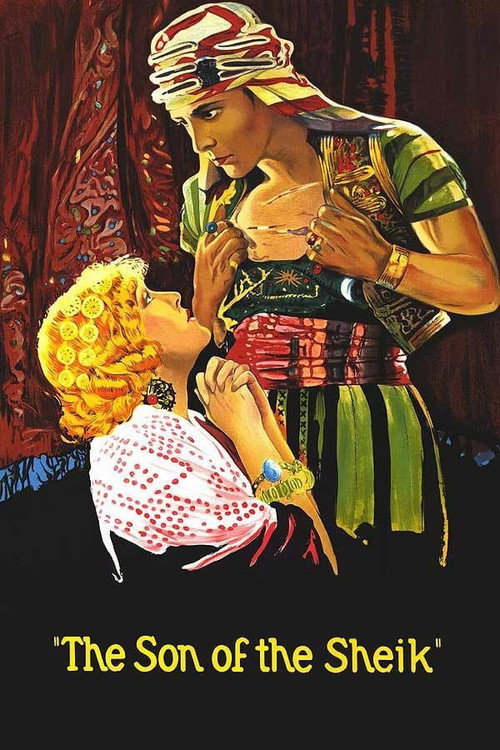
The Son of the Sheik1926
Rudolph Valentino in his final role, a sequel that stands alone as a gorgeous, sensual romance set in the desert. The chemistry between Valentino and Vilma Banky crackles, and the action sequences are inventive.
But Valentino's star power overwhelms the story in places. Some viewers find his persona dated or overwrought.
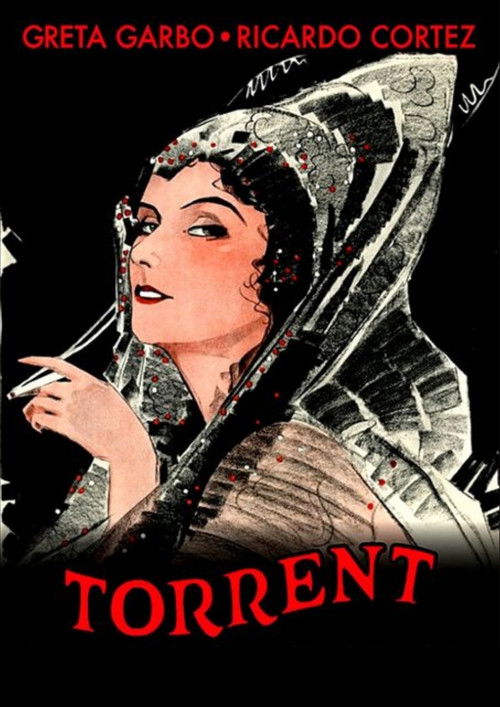
Torrent1926
Greta Garbo's first American role, playing a woman whose passion derails two men's lives. It has the romantic intensity and class conflict of Under Two Flags, shot with European sensibility.
But Garbo's reserve can feel cold even when playing passionate characters. The supporting cast is thin compared to the leads.
Sunrise: A Song of Two Humans1927
Both explore the tension between duty and desire, between the safe love of one person and the dangerous attraction of another. Both understand that the most tragic love stories are about the wrong choice made for the right reasons.
F.W. Murnau's masterpiece about a man drawn away from his wife by another woman, told with dreamlike visual poetry. The emotional precision is devastating, and the cinematography remains one of cinema's greatest achievements.
But The narrative is simple to the point of seeming thin on plot. Some find Murnau's visual intensity exhausting rather than beautiful.

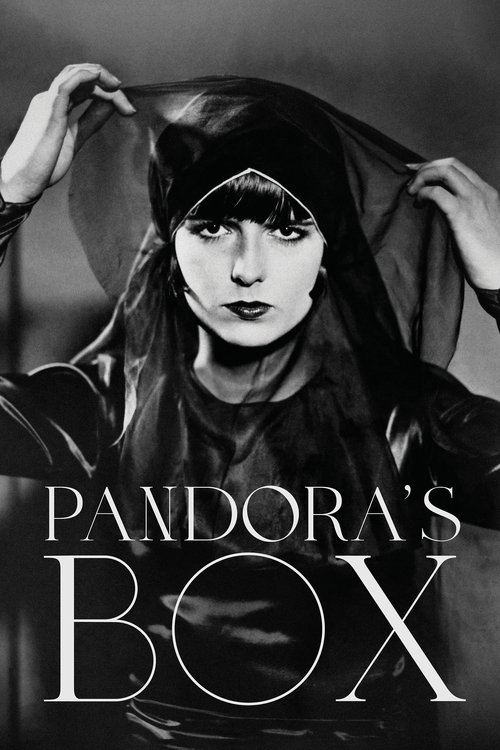
Pandora's Box1929
Both feature a figure at the center of male desire and conflict—but where Cigarette sacrifices herself, Lulu consumes. Both explore how a woman becomes a symbol onto which men project need, and how that projection destroys her. Both are love stories about how love itself can be destructive.
G.W. Pabst's German masterpiece with Louise Brooks as Lulu, a woman whose sexuality and freedom destroy the men around her. It's Under Two Flags inverted—the woman at the center is amoral rather than selfless, yet equally magnetic and doomed.
But It's expressionist and discomfiting. Lulu is not sympathetic, and the film treats sex and destruction with a frankness that can feel bleak or nihilistic.
People
Cast
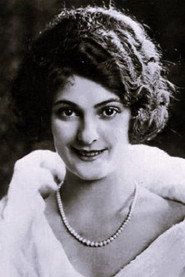 Priscilla DeanCigarette
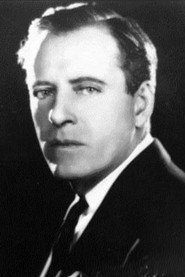 James KirkwoodJames Kirkwood
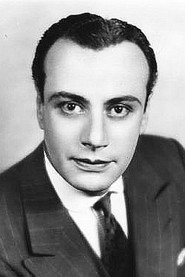 John DavidsonSheik Ben Ali Hammed
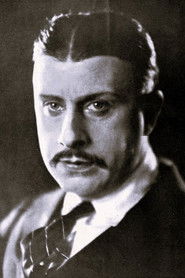 Stuart HolmesMarquis de Chateauroy
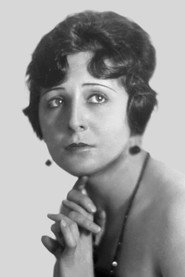 Ethel Grey TerryPrincess Corona d'Arague
- Bobbie MackRake (as Robert Mack)
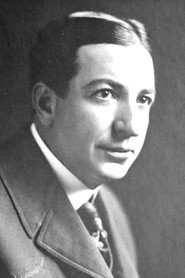 Burton LawSheik's Aide
- Albert PolletCapt. Tollaire
- W.H. BainbridgeThe Colonel
Directing
- Tod BrowningDirector
Writing
- Edward T. Lowe Jr.Writer
- Elliott J. ClawsonWriter
- Tod BrowningWriter