
Film
Under Two Flags
Other titles called Under Two Flags: the 1922 film, the 1936 film.
A 1912 adaptation of Ouida's romantic adventure novel, this early silent film captures the melodrama and spectacle of late-Victorian storytelling. Swiftly paced and gorgeously composed for its era, it's essential viewing for anyone curious about how cinema learned to tell complex stories, or who loves period romance with real stakes and practical stunts.
Should you watch it?
Watch it if you enjoy early screen adventure built on romantic melodrama, where the pleasure lies in stock gestures, swooning devotion and the tug of a sprawling Victorian plot told in silent images.
Skip it if you need fast cutting, naturalistic acting or a modern edit, since this early silent belongs to its date, with gestures and pacing unmistakably of 1912.
What it asks of you: Silent storytelling runs at its own unhurried pace, leaning on intertitles, broad faces and long held glances rather than dialogue or quick cuts.
Not sure? Find tonight's pick in a minute.
If you liked this
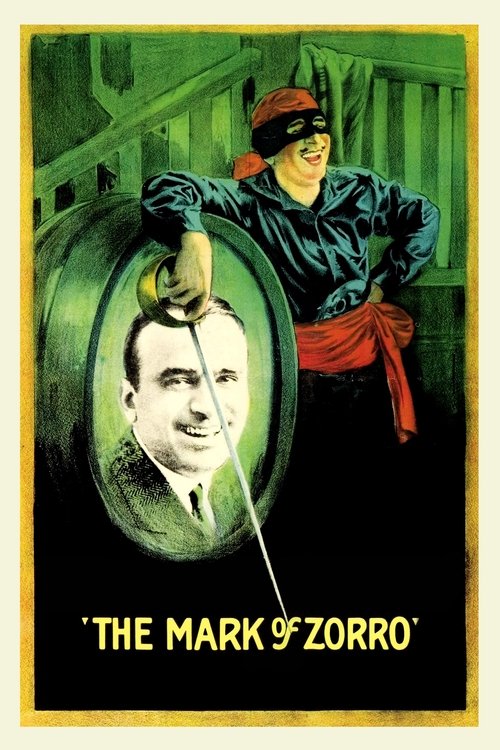
The Mark of Zorro1920
Douglas Fairbanks at peak physical brilliance: sword fights, rooftop chases, and genuine wit. A masterclass in how silent film could thrill without dialogue, with a hero as clever as he is athletic.
But The plot is straightforward and predictable; if you want narrative surprise over spectacle and charm, you'll find it thin.
Intolerance: Love's Struggle Throughout the Ages1916
D.W. Griffith's audacious epic intercuts four stories across millennia. Massive sets, thousands of extras, and ambition that makes most modern films look cautious. Pure cinema invention.
But At three and a half hours with no dialogue to carry meaning, it demands active watching. The symbolism can feel overwrought, and the pacing uneven by modern standards.

The Phantom Carriage1921
A Swedish ghost story that invents visual storytelling techniques decades ahead of its time—overlapping images, innovative lighting, genuine dread. Eerie and formally brilliant.
But The moral framework is deeply Christian and can feel preachy. Silent film's slowness tests patience, even when the images are striking.

Not sure tonight? Get a pick in a minute, starting from Under Two Flags
The wildcard
Something you would not have found on your own.
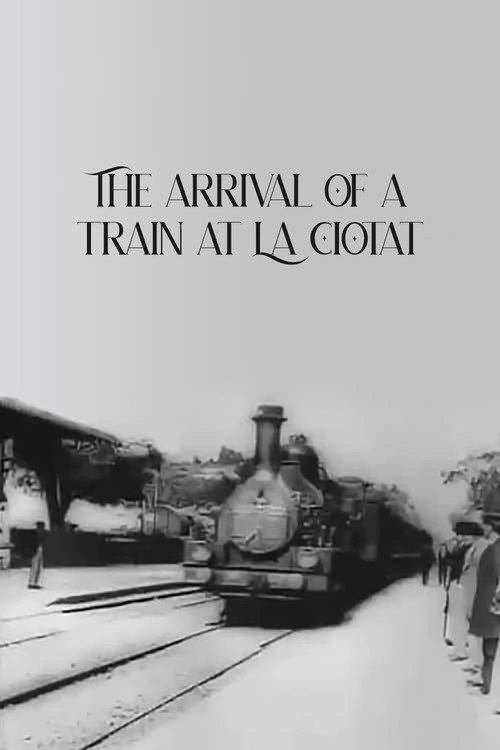
The Arrival of a Train at La Ciotat1896
Both are early cinema learning to capture spectacle and movement as drama. Under Two Flags builds what L'Arrivée invented—that the image itself, beautifully composed and in motion, carries emotional weight.
The Lumière brothers' 45-second film of a train arriving at a station. This *is* cinema's origin point—the moment moving images became real. Essential to understand what watching did to people.
But There is no story, no plot, no characters. It's literally a train. If you need narrative, this will seem impossibly thin, though that's precisely the point.
More like this (8)
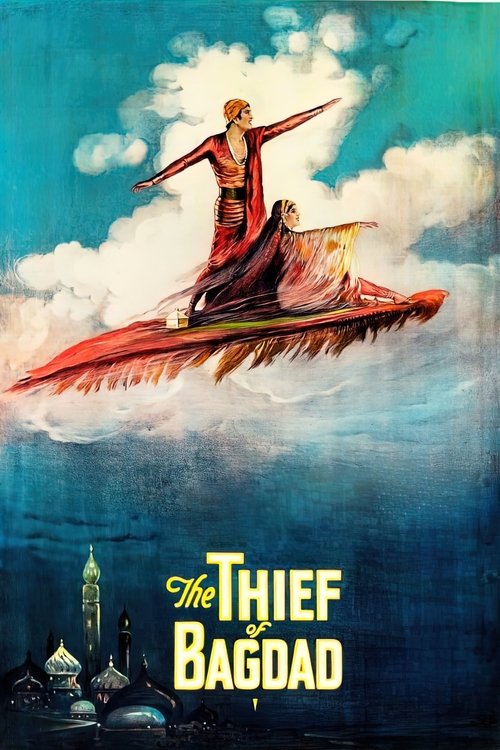
The Thief of Bagdad1924
Raoul Walsh's adventure fantasy built on practical ingenuity: flying carpets, trick photography, impossible landscapes. Pure imaginative cinema, swashbuckling and strange.
But The fantasy logic is dreamlike rather than coherent; if you need plot to hold together, this will frustrate you. Some prints are damaged or shortened.
Nosferatu1922
German Expressionism's masterpiece: a vampire film that's genuinely unsettling even now, with visuals so striking they've been copied for a century. High stakes, real atmosphere.
But The pace is deliberate; horror here is about dread and suggestion, not action. The misogyny is period-authentic and uncomfortable.

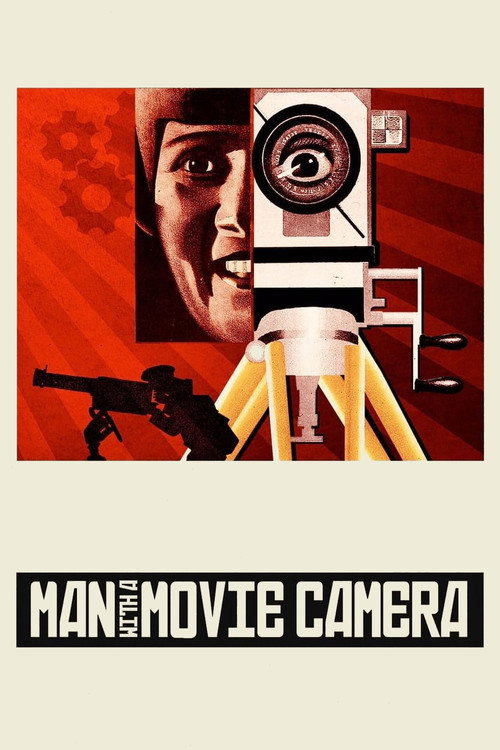
Man with a Movie Camera1929
Soviet montage cinema at its peak—a documentary of urban life turned into visual poetry through editing alone. Exhilarating, formally revolutionary, deeply human beneath the technique.
But There's no conventional narrative or characters to follow. It's an experience of pure form, which some find exhausting rather than liberating.
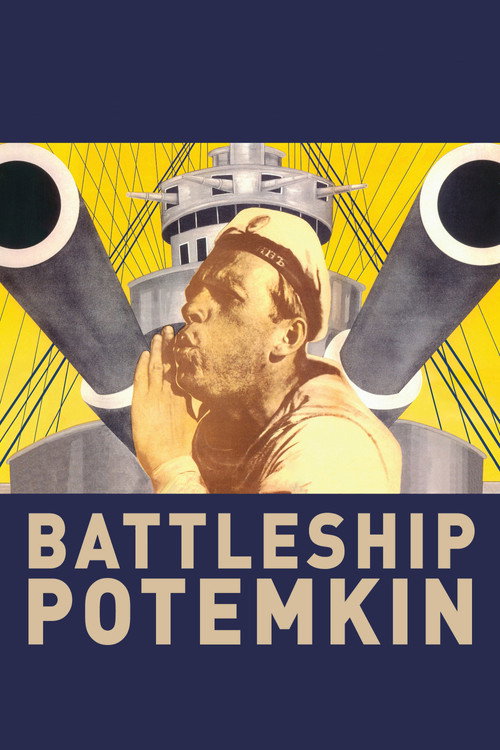
Battleship Potemkin1925
Sergei Eisenstein's masterpiece about revolution: every shot is composed like a painting, every cut a moral argument. The Odessa Steps sequence alone changed cinema forever.
But It's overtly propagandistic and can feel heavy-handed. If you want nuance or character development, Soviet montage cinema offers neither.
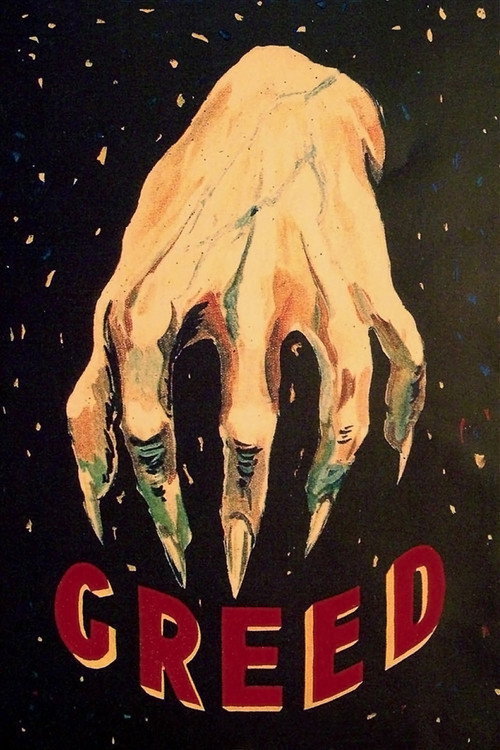
Greed1924
Erich von Stroheim's obsessive examination of how money corrupts: slow-burn psychological deterioration, real locations, raw performances. American cinema's most uncompromising vision.
But It was cut drastically by studio executives; what remains is a fragment of a longer work. The narrative can feel repetitive and punishing.
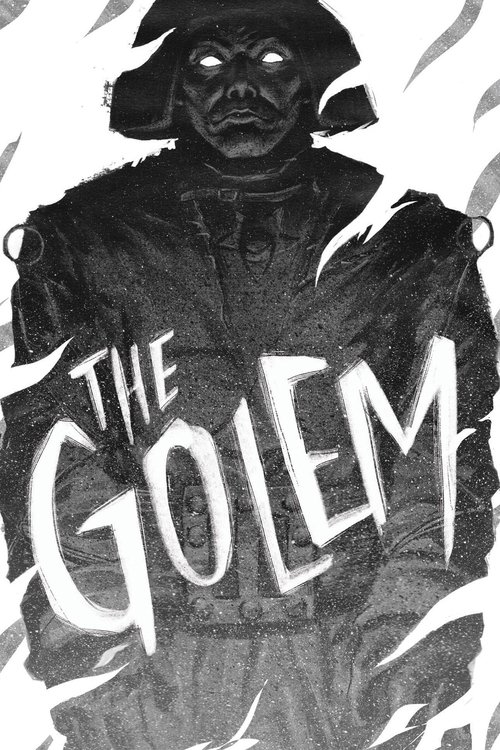
The Golem: How He Came into the World1920
A German-Jewish production that blends folklore, architecture, and atmosphere into something uncanny and formally striking. Gothic without melodrama, strange without being silly.
But The supernatural logic is oblique. If you need clear cause-and-effect, the dream-logic storytelling will feel elliptical and unclear.
Sunrise: A Song of Two Humans1927
Both center romantic triangles where class, duty, and desire collide violently. But where Under Two Flags resolves through external adventure, Sunrise does it through psychological and moral crisis—the same engine, entirely different register.
F.W. Murnau's final American film: a rural couple nearly destroyed by temptation, filmed with such visual sophistication and emotional depth that it feels modern. German Expressionism meets American melodrama perfectly.
But The gender politics are troubling—the woman is punished for her own temptation, and there's victim-blaming built into the moral structure. Emotionally manipulative in ways that feel dated.

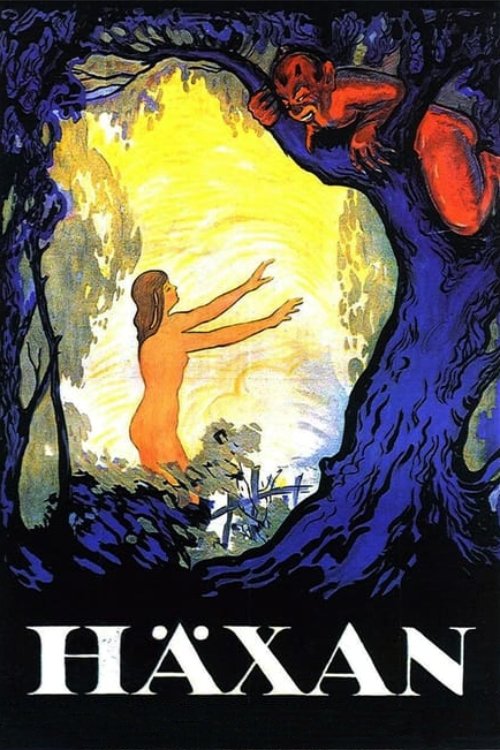
Häxan1922
An adventure told through spectacle and atmosphere rather than plot. But where Under Two Flags is Victorian romance externalized as action, Häxan is historical horror internalized as psychological projection—both use cinema's visual power to make the invisible visible, but in opposite registers.
Benjamin Christensen's Swedish documentary-fantasia about witch hunts: part educational, part horror film, part fever dream. Baroque, transgressive, wildly visual, genuinely disturbing without being exploitative.
But It meanders; the structure is essayistic rather than narrative. Some sequences are grotesquely violent and sexual. It's peculiar in ways that can feel alienating rather than engaging.
People
Cast
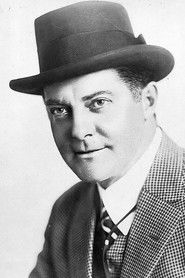 Herschel MayallBertie Cecil
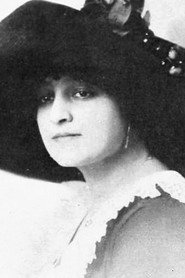 Vivian PrescottCigarette
- Janet SalisburyLady Genevieve
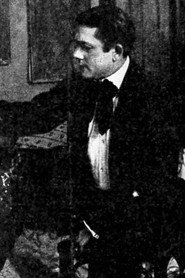 Charles PerleyBerkeley Cecil - Bertie's Brother
Directing
- George NicholsDirector
Writing
- OuidaStory
Recommended by
The Miracle Man, The Charge of the Light Brigade, Morocco, Blackbeard, the Pirate, Daughter of the Dragon, Kidnapped, Captain Kidd, Heritage of the Desert