
Film
Captain Kidd
A 1945 swashbuckler where Charles Laughton's charming pirate infiltrates the English court to legitimise himself, only to face the son of a man he destroyed. It's theatrical, playful villainy meets straightforward adventure—the kind of film that luxuriates in costumes, double-crosses, and moral ambiguity. Perfect for anyone who loves colourful rogues and Technicolor seas.
If you liked this
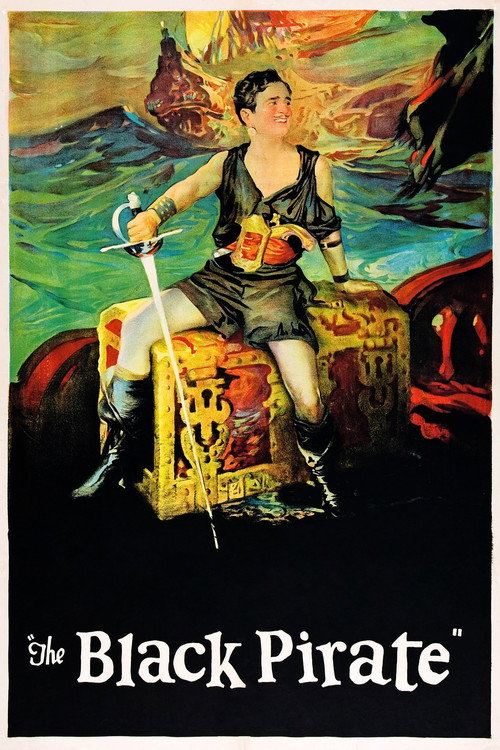
The Black Pirate1926
Douglas Fairbanks as a nobleman-turned-pirate in an earlier era of swashbuckling. It has the same DNA: a charismatic protagonist operating in moral grey zones, stunts that still impress, and pure physical storytelling that predates the talkies' chattiness.
But Silent film pacing feels glacial now, and the plot is almost non-existent—it's really just a series of set pieces strung together. Black-and-white, of course.
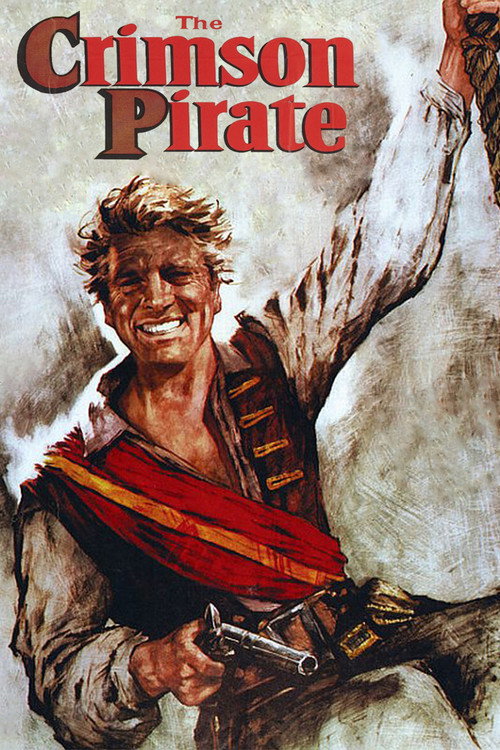
The Crimson Pirate1952
Burt Lancaster as a roguish pirate captain who's honestly funnier and more acrobatic than Kidd, with better fight choreography and actual warmth between characters. Same era, same appetite for costumed adventure, better execution.
But It's broader and campier—if you want grittiness, this pivots hard toward entertainment. Some find it too silly; others find that exactly the point.
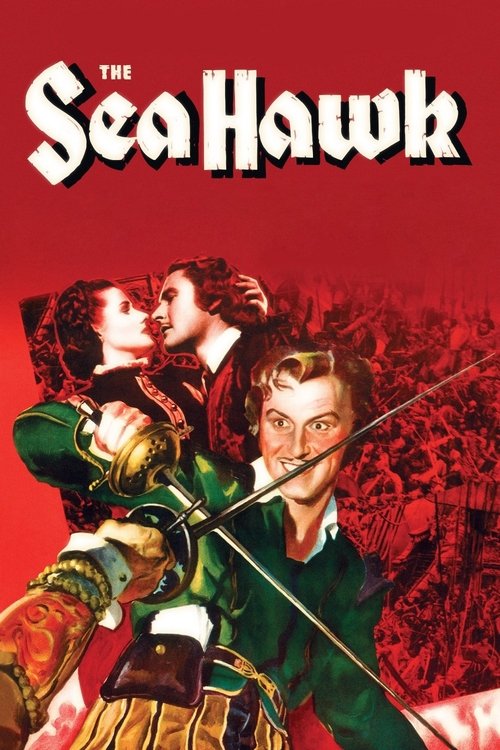
The Sea Hawk1940
Errol Flynn as a privateer plotting against Spanish fascism with Technicolor spectacle, swordplay, and patriotic spine. Released just before Kidd, it shares the same studio polish and adventure-film DNA—slightly more serious, still deeply romantic.
But The politics feel dated and the romance sidelines every female character. It's also nearly two hours of plot you can predict from the opening titles.
Not sure tonight? Get a pick in a minute, starting from Captain Kidd
The wildcard
Something you would not have found on your own.
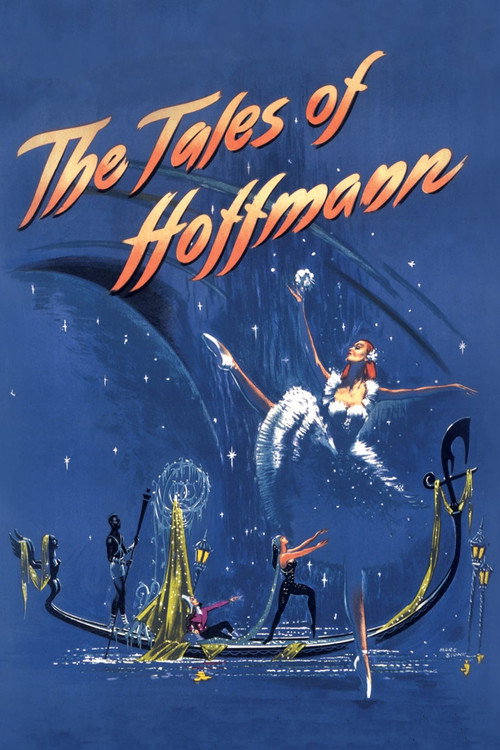
The Tales of Hoffmann1951
Both are celebrations of theatrical excess and charisma as a force that reshapes reality; both Laughton performances understand that charm and villainy are rooted in performance itself.
Powell and Pressburger's operatic fever dream. Laughton himself appears; the whole film is theatrical artifice meeting genuine visual genius. If you loved Laughton's outsized performance in Kidd, see him in a world made entirely of performance and grand gesture.
But It's not an adventure film at all—it's modernist opera-cinema, deliberately artificial, narratively abstract. If you want plot clarity, you will be frustrated.
More like this (8)
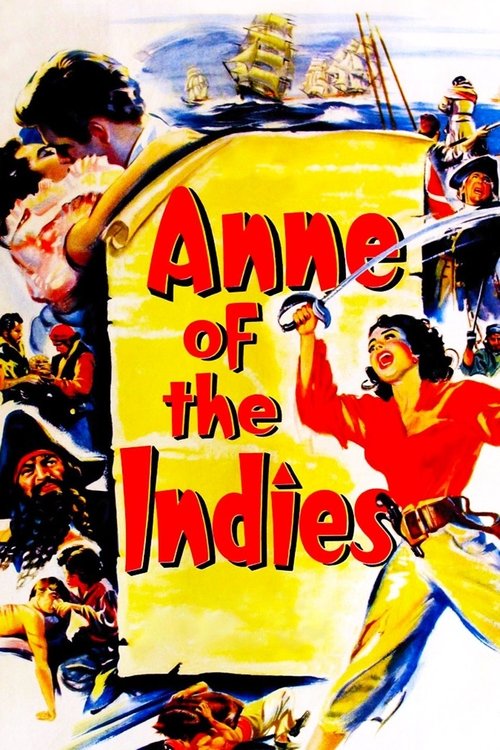
Anne of the Indies1951
Jean Peters as a female pirate captain in a film that genuinely explores piracy's moral rot rather than romanticising it. It sits in the same world but asks harder questions about loyalty, violence, and what respectability actually costs.
But It's slower and more melodramatic than Kidd, with less action and more psychological brooding. The love plot overshadows the piracy plot by the third act.
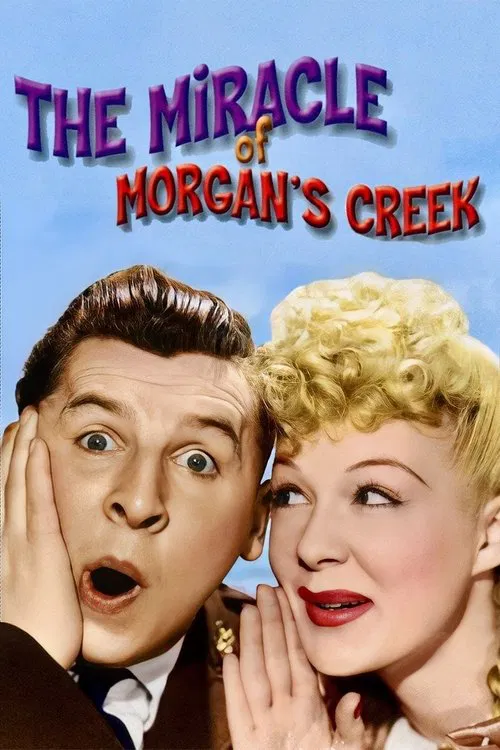
The Miracle of Morgan's Creek1944
Henry Morgan, another privateer-turned-respectable-man story, exploring the exact tension Kidd does: can you wash blood away with a crown? Similar historical-adventure framework, comparable runtime, equally theatrical.
But It's genuinely obscure now—not widely available, and the pacing stumbles. The story gets lost in its own moral handwringing.
Under Two Flags1912
A Ouida adventure adapted multiple times; this silent version has Ronald Colman as a man reinventing himself through deception and daring. It's the spiritual ancestor of Kidd's setup: identity, performance, redemption questioned.
But It's silent, very early cinema, and the plot relies on conventions you'll need to surrender to completely. The action is minimal by modern standards.
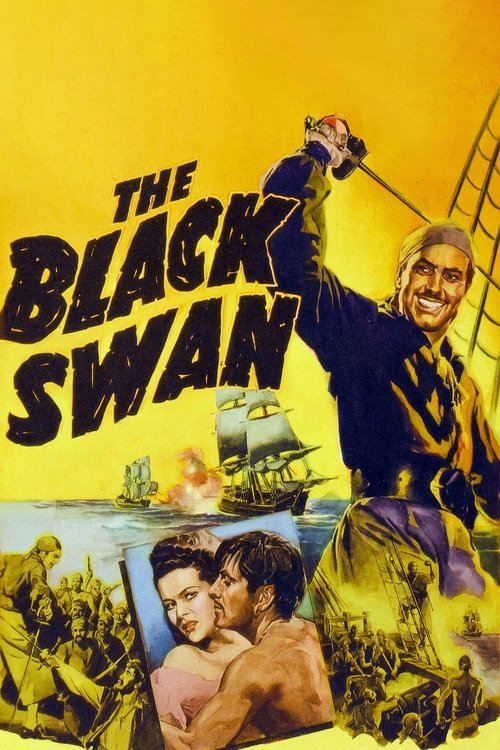
The Black Swan1942
Tyrone Power as a Caribbean pirate opposite Henry Fonda, in lush Technicolor with sword-work and naval action. It's the closest contemporary to Kidd's tone and budget—equally committed to looking expensive and moving quickly.
But The plot is genuinely thin, padding its running time with romance montages. The action bursts are thrilling, but long stretches feel like marking time.
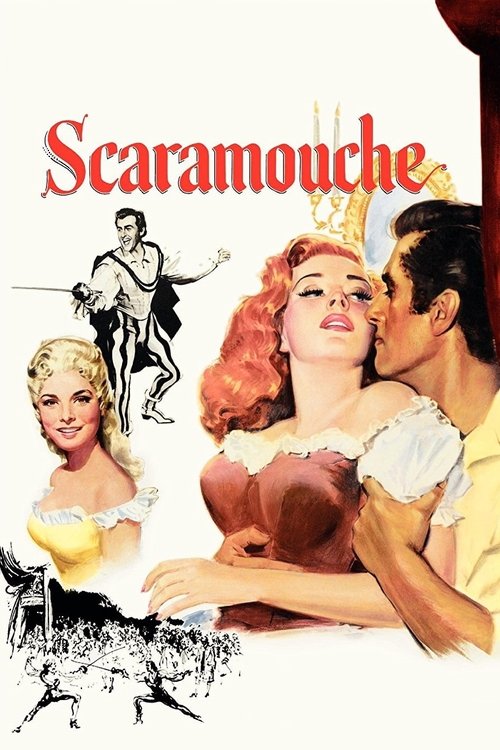
Scaramouche1952
Stewart Granger as a man using wit, disguise, and swordplay to infiltrate power structures and get revenge. Same theme as Kidd—the con artist moving through court—but with more intelligence and better pacing.
But It's longer and more diffuse, and the political intrigue gets tangled. Some find it too talky for an adventure film.
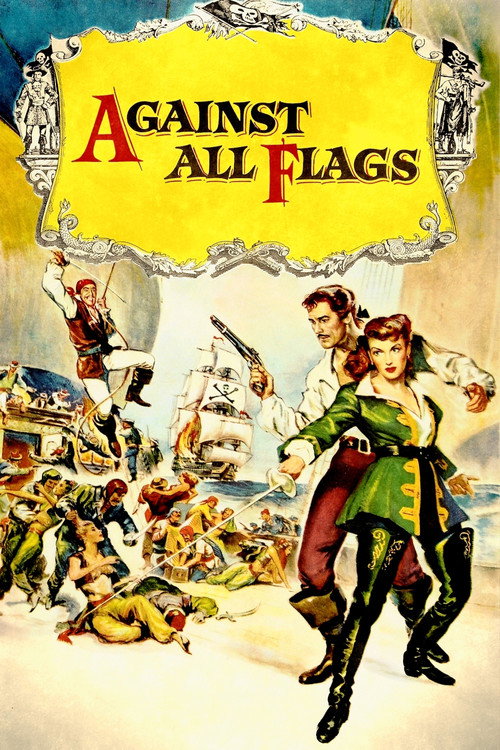
Against All Flags1952
Errol Flynn again, but as a spy infiltrating a pirate stronghold. The framing mirrors Kidd perfectly: a man playing a role, navigating between worlds, his deception slowly exposed. Lighter in tone, faster-moving.
But It's episodic and thin, more a series of encounters than a cohesive plot. The ending wraps up very quickly, as if the script ran out of ideas.
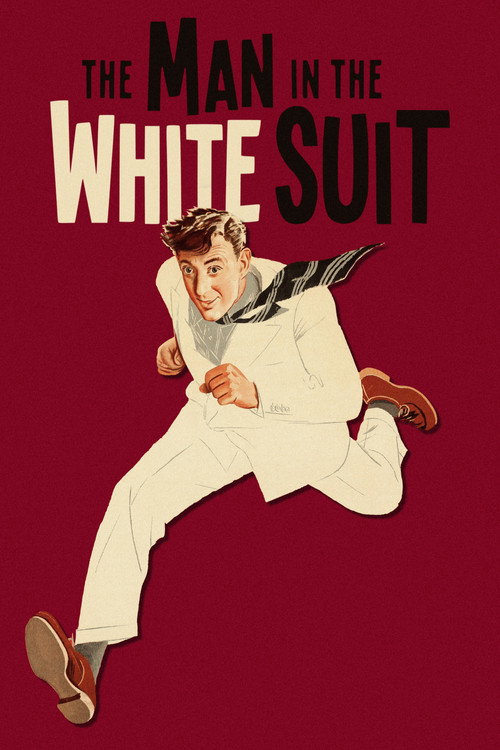
The Man in the White Suit1951
Both explore what happens when a charismatic outsider tries to infiltrate a system that will destroy him if he lets it; both suggest that such infiltration is impossible—the system always wins, or the man remains fundamentally separate.
Alec Guinness as a scientist whose invention makes him simultaneously powerful and hunted by everyone with vested interests. A crackling British comedy-thriller that shares Kidd's core DNA: a clever man outmaneuvering society, except it's tragic instead of triumphant.
But It's not an adventure film—it's dry, cerebral, and deeply unglamorous. There are no swords or ships, and the hero loses everything. It's also black-and-white postwar British realism, which plays nothing like 1945 Technicolor adventure.
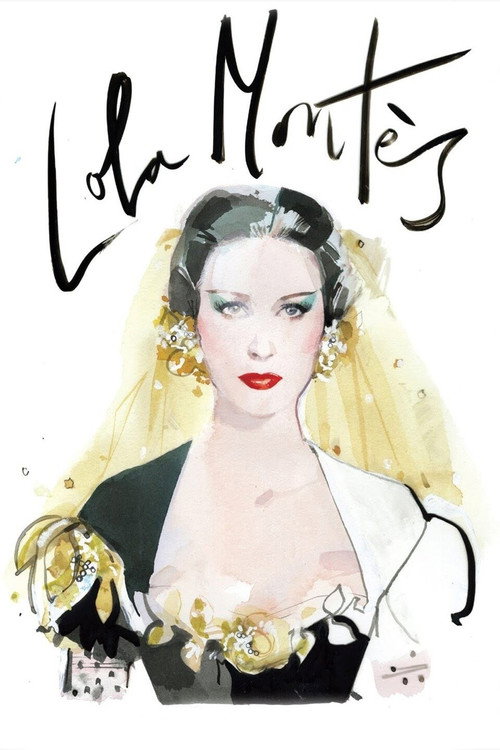
Lola Montès1955
Where Kidd celebrates Laughton's charming rogue successfully conning the court, Lola Montès shows the exact inverse: a beautiful performer consumed by the systems she thought she was playing. Both films are obsessed with performance as survival, but they reach opposite conclusions.
Max Ophüls' final film, a circus-framed biography where a famous courtesan is degraded by the men who loved her. It's Technicolor, costume-heavy, and about performance and disguise as Kidd is, but it dismantles the romance entirely—showing the con from inside.
But It's baroque, structurally fragmented, and deeply pessimistic. The 'adventure' is watching a woman systematically destroyed by her own legend. It requires patience and will break your heart.
People
Cast
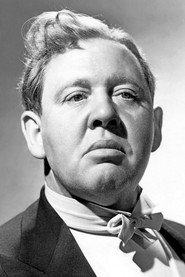 Charles LaughtonCaptain Kidd
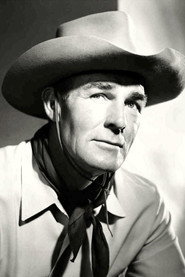 Randolph ScottAdam Mercy / Adam Blayne
 Barbara BrittonLady Anne Dunstan
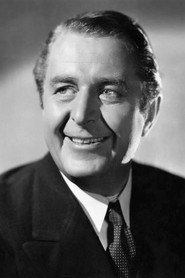 Reginald OwenCary Shadwell
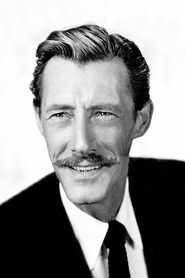 John CarradineOrange Povey
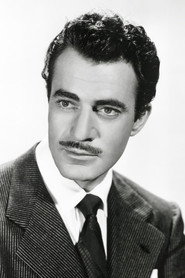 Gilbert RolandJose Lorenzo
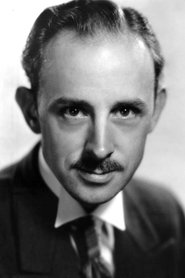 John QualenBart Blivens
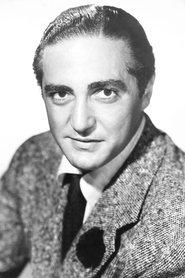 Sheldon LeonardCyprian Boyle
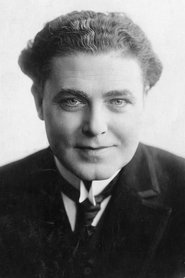 William FarnumCapt. Rawson
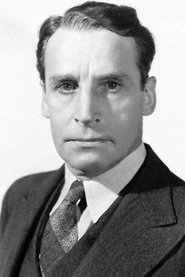 Henry DaniellKing William III
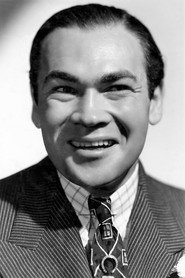 Abner BibermanTheodore Blades (uncredited)
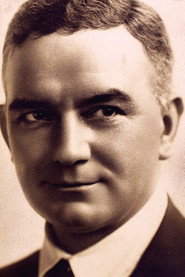 Clifford Brooke(uncredited)
Directing
- Joseph DepewAssistant Director
- Rowland V. LeeDirector
Writing
- Norman Reilly RaineScreenplay
- Robert N. LeeStory
Production
- James NasserExecutive Producer
- Benedict BogeausProducer
- Carley HarrimanProducer's Assistant