
Film
The Miracle of Morgan's Creek
- Screwball comedy
- Romantic comedy
- Light-hearted
Preston Sturges's 1944 screwball masterpiece about a small-town girl who wakes married to a soldier she can't recall. Anarchic, sexually frank for its era, bursting with overlapping dialogue and controlled chaos. It's comedy as pure velocity—the plot barely matters next to the sheer delight of watching skilled actors careen through absurdity. For anyone who loves dialogue-driven comedy or cinema history.
Should you watch it?
Watch it if you enjoy screwball comedy at full speed, where the dialogue tumbles over itself and a small-town scandal is treated as a farce rather than a tragedy, in the spirit of Preston Sturges's sharpest work.
Skip it if you want your comedy gentle or your plots tidy, since this one piles complication onto complication in a frantic, talky rush that some viewers will find exhausting rather than exhilarating.
What it asks of you: Ninety-eight minutes of rapid-fire chatter and pratfalls with little breathing room, so you need to keep up with overlapping voices and shifting schemes from the first scene onward.
Not sure? Find tonight's pick in a minute.
If you liked this
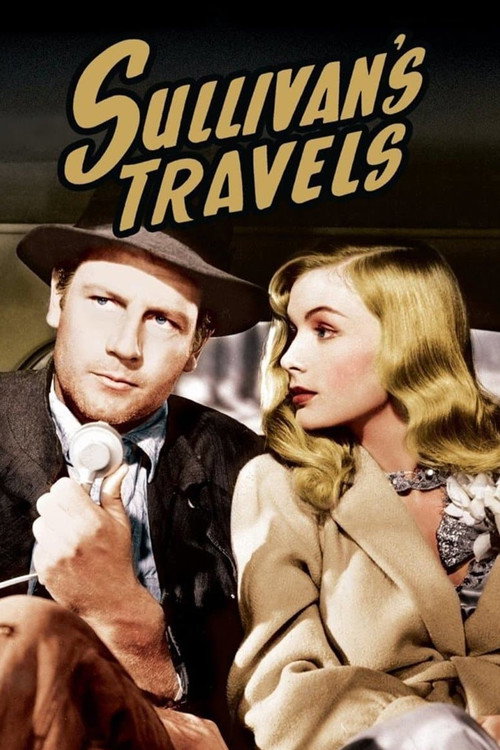
Sullivan's Travels1941
Sturges's own earlier masterpiece about a Hollywood director seeking real life. The same director working at peak invention, building elaborate comedy around moral questions. A perfect companion piece.
But It shifts tone halfway through, moving from broad comedy toward something darker. The tonal whiplash might feel jarring if you want pure silliness throughout.
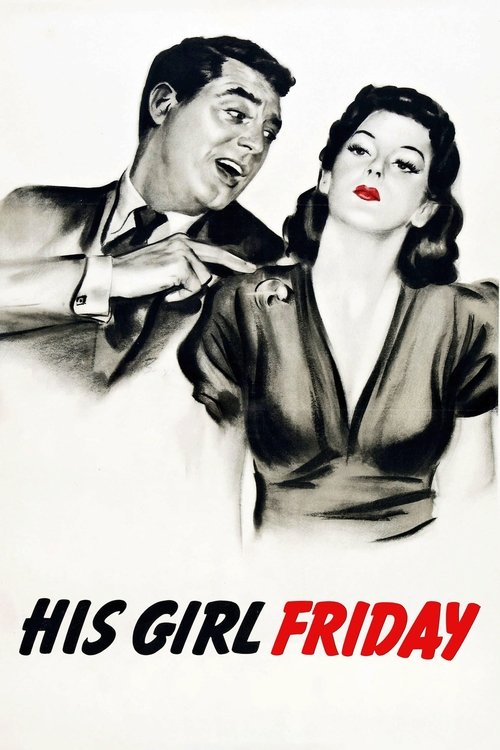
His Girl Friday1940
Rapid-fire overlapping dialogue between two leads, screwball energy, and a plot that barely matters because the point is the verbal sparring. Cary Grant and Rosalind Russell at peak wit. Essential viewing for anyone who loves Morgan's Creek's approach.
But The rhythm takes adjustment if you're not used to 1940s fast-talking comedies. Easy to miss jokes if you're not keeping up. Subtitles help.
It Happened One Night1934
The ur-screwball romance: two leads forced together, verbal sparring evolves into genuine connection. It invented the template that Sturges perfected. Clark Gable and Claudette Colbert have chemistry that still crackles.
But The pacing and attitudes feel distinctly pre-war now. Some elements haven't aged smoothly. It's more sentimental about marriage than Morgan's Creek dares to be.

Not sure tonight? Get a pick in a minute, starting from The Miracle of Morgan's Creek
The wildcard
Something you would not have found on your own.
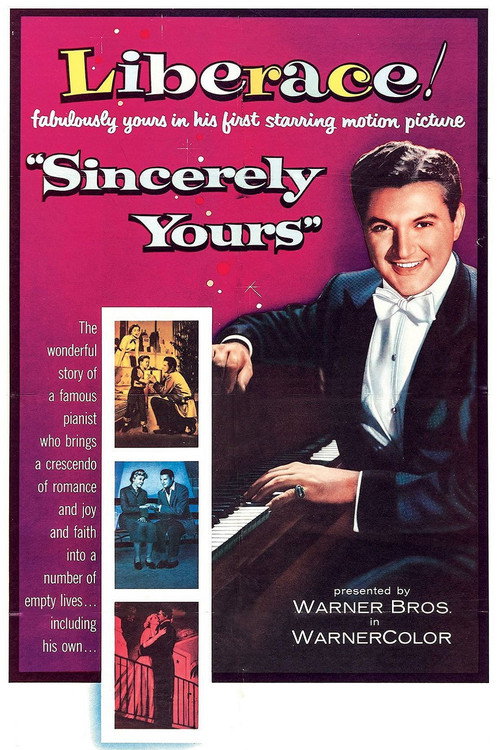
Sincerely Yours1955
Both films are obsessed with characters hearing and mishearing each other, and how misunderstandings avalanche. Both love American provincial types. Both trust the audience to laugh at the ridiculousness of watching people create chaos through sheer confusion and earnestness.
A postwar melodrama about a deaf pianist (Liberace) who overhears conversations and meddles in strangers' lives. It shares Morgan's Creek's delight in small-town types and misunderstandings driving the plot, but transmutes screwball into Technicolor schmaltz. A fascinating register shift.
But Liberace is the lead and he's not an actor. The film is genuinely bizarre rather than conventionally entertaining. It will feel deeply strange if you're not prepared for high-camp sincerity.
More like this (8)
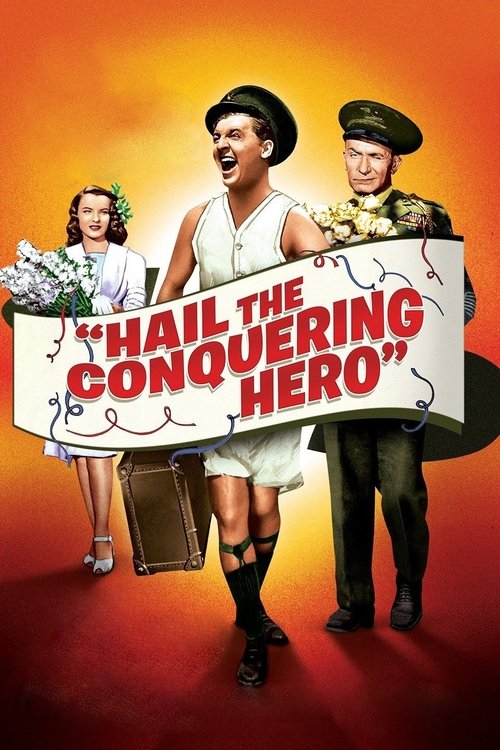
Hail the Conquering Hero1944
Sturges again that same year, mining small-town American types and military life for comedy. Eddie Bracken stars again, and the film has the same anarchic energy and surprisingly trenchant social observations.
But It's the other Sturges masterpiece from 1944, so it risks feeling repetitive if watched back-to-back. Similar comedic sensibility, similar Americana setting.
The Philadelphia Story1940
Screwball royalty: three-way romance with the greatest cast ever assembled, crackling dialogue, and the same sense that anything might happen. Cary Grant, Katharine Hepburn, and James Stewart. Pure comedy craft.
But The politics of female sexuality are more conservative than Morgan's Creek's. Hepburn's character must be punished for her independence before true love can arrive. It looks backward instead of forward.

Singin' in the Rain1952
Later Hollywood comedy at its absolute peak: inventive, joyful, technically ambitious. A completely different kind of film but the same generosity of spirit and commitment to making every moment delight the audience.
But It's a musical, so if that's not your world, all the singing and dancing might deflate comedy you're seeking. Also much sweeter and less cynical than Sturges.

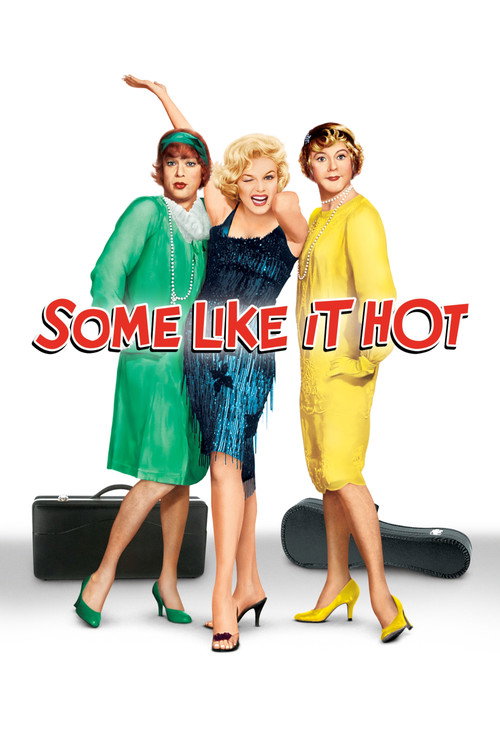
Some Like It Hot1959
Billy Wilder's masterpiece about gender, identity, and disguise. Sexually frank in ways that echo Morgan's Creek's boldness, wildly funny, and built on a solid premise executed with mathematical precision. Tony Curtis and Jack Lemmon at their best.
But The plot becomes increasingly elaborate and contrived. The ending's resolution feels almost thrown away after all the setup. Some find it overrated.
Breakfast at Tiffany's1961
Audrey Hepburn in a sophisticated comedy that's funny and melancholy at once. It's lighter and more romantic than Morgan's Creek, but shares the fascination with female characters who don't fit easy categories.
But The racial caricature is deeply uncomfortable. The ending feels slightly saccharine compared to Sturges's harder edge. It's glossier and less anarchic.

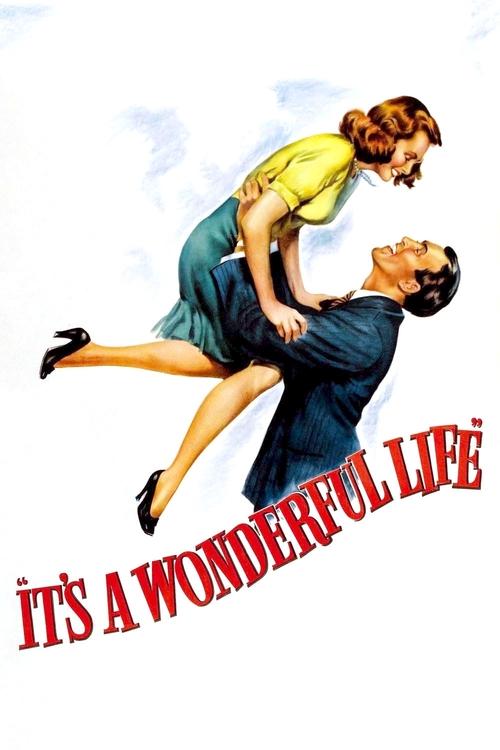
It's a Wonderful Life1946
Another film obsessed with small-town American life, with Frank Capra's warmth balancing darker undercurrents. Jimmy Stewart plays a decent man trapped by circumstance, which echoes Bracken's hapless decency.
But It's sentimental where Morgan's Creek is cynical. The politics are explicitly conservative. And it's become so culturally inescapable that approaching it fresh is almost impossible now.
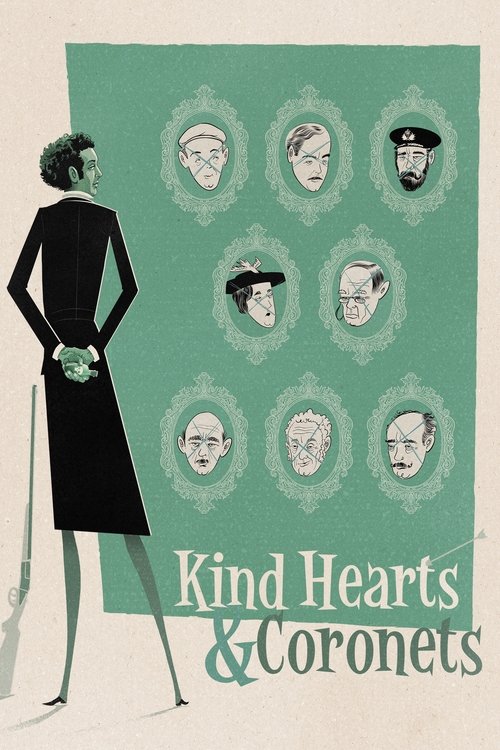
Kind Hearts and Coronets1949
Both films rest on the principle that the plot barely matters because the real comedy is watching characters lie, deceive, and stumble through consequences. Both have that perfect Ealing/Sturges quality of being outrageous but morally clear-eyed about human weakness.
An Ealing comedy where one actor (Alec Guinness) plays eight roles across a family tree, and a charming nobody murders his way to a dukedom. British, darker, more elegant than Morgan's Creek, but the same engine: ordinary people behaving badly and the universe responding with chaos.
But It's genuinely cynical about class and morality. The black-and-white cinematography is sometimes murky. British comedic sensibility is quite different from American screwball velocity.
The Phantom Carriage1921
Both films hinge on a protagonist trying to understand what actually happened the night before. But where Morgan's Creek uses that confusion for farce, Phantom Carriage uses it for moral reckoning. Watching them together shows how the same structural idea—lost night, uncertain memory—can generate wildly different kinds of cinema.
A Swedish silent ghost story where a dying man confronts his wasted life and has a chance at redemption. Spiritually the opposite of Morgan's Creek's anarchic mayhem—it's haunting and serious. But both films use their central confusions (mistaken identity, memory, the truth about what actually happened) to explore character.
But It's silent and slow and mournful. No comedy here at all—it's existential dread. If you want anything like the energy or pace of Morgan's Creek, this will feel glacial and grave.

People
Cast
 Eddie BrackenNorval Jones
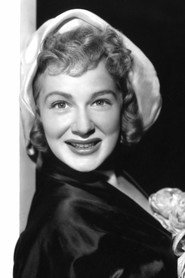 Betty HuttonTrudy Kockenlocker
 Diana LynnEmmy Kockenlocker
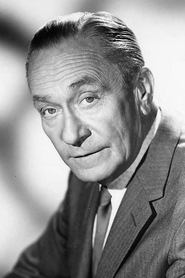 William DemarestConstable Edmund Kockenlocker
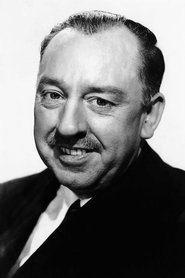 Porter HallJacob Woodson, Justice of the Peace
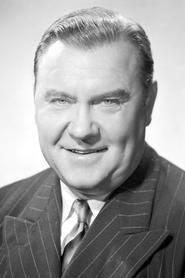 Emory ParnellMr. Tuerck
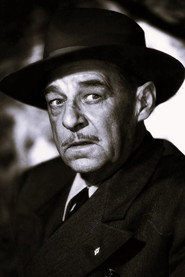 Al BridgeMr. Johnson
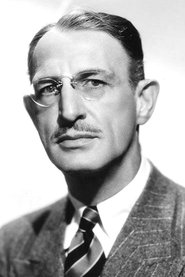 Julius TannenMr. Rafferty
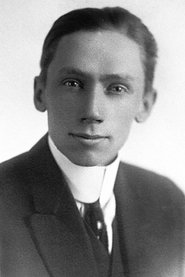 Victor PotelNewspaper Editor
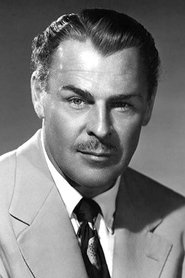 Brian DonlevyGovernor McGinty
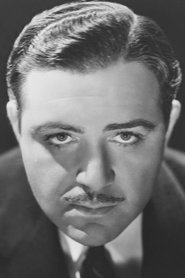 Akim TamiroffThe Boss
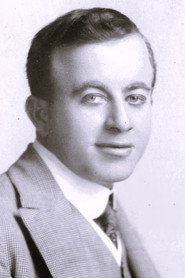 Chester ConklinPete (uncredited)
Directing
- Preston SturgesDirector
Writing
- Preston SturgesWriter
Production
- Norman LaceyLocation Manager
- Preston SturgesProducer