
Film
It Happened Tomorrow
- Fantasy
- Light-hearted
A 1944 screwball fantasy where a newspaper reporter gains access to tomorrow's edition, discovering that knowing the future isn't the gift he imagined. Dick Powell charms through a premise that feels like a live-action cartoon—manic, inventive, endlessly busy. Perfect if you love old Hollywood's willingness to be completely silly about magic and the mechanics of fate.
Should you watch it?
Watch it if you enjoy light screwball romance with a fantasy hook, where the comedy comes from a clever premise worked out with brisk, good-humored logic rather than from slapstick.
Skip it if you want fantasy with real stakes or a sharp modern edge; this is a gentle, old-fashioned lark whose charm depends on warmth and wit more than on any sense of danger.
What it asks of you: About an hour and a half of easy, chatty attention, with a light touch throughout and no heavy darkness to sit through, just a steady run of banter and cheerful complications.
Not sure? Find tonight's pick in a minute.
If you liked this
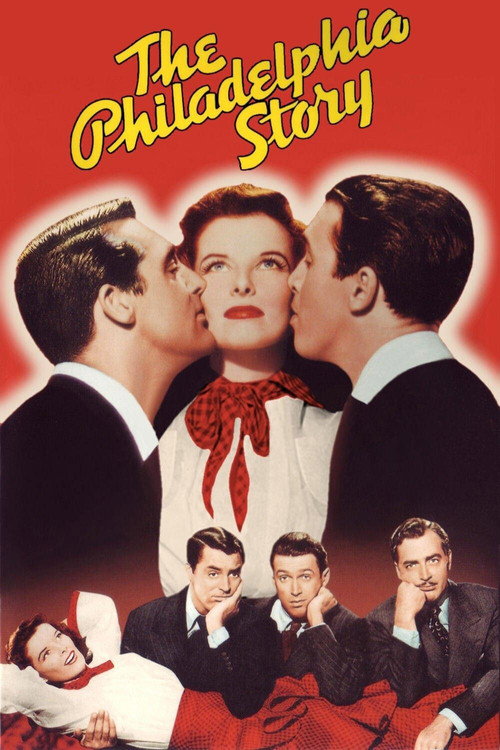
The Philadelphia Story1940
Effortless romantic comedy with a stellar cast (Grant, Stewart, Hepburn) playing off each other like they invented the form. Witty, romantic, and moves like a machine that never skips a beat.
But If you find 1940s dialogue too theatrical or prefer comedy with a modern rhythm, this theatrical-bred script might feel mannered.
Singin' in the Rain1952
A musical about movies and ambition where every frame delights. Gene Kelly, Donald O'Connor, and Debbie Reynolds in something that feels perpetually alive, shot through with genuine affection for the medium itself.
But Heavy on musical numbers; if you're not willing to surrender to song-and-dance sequences, you'll hit a wall fast.

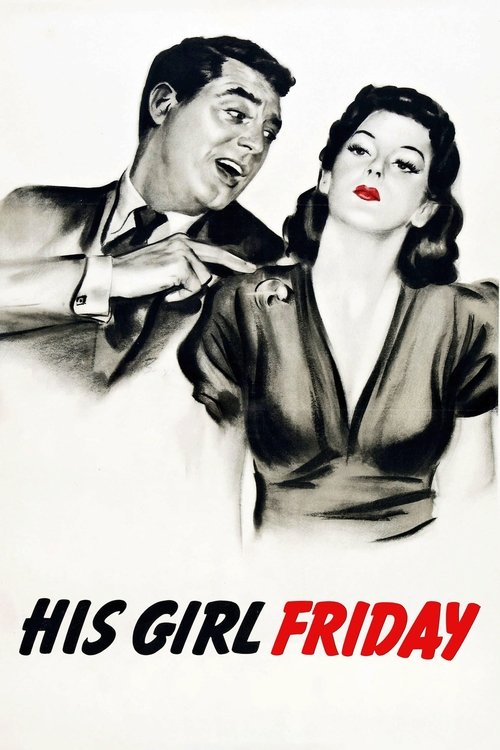
His Girl Friday1940
Screwball reporting romance where dialogue comes at you like rapid fire. Cary Grant and Rosalind Russell verbally duel with infectious energy; the whole film is built on velocity and wit colliding.
But The pacing is relentless and the overlap of dialogue can make it hard to catch every line—exhausting rather than fun for some viewers.
Not sure tonight? Get a pick in a minute, starting from It Happened Tomorrow
The wildcard
Something you would not have found on your own.
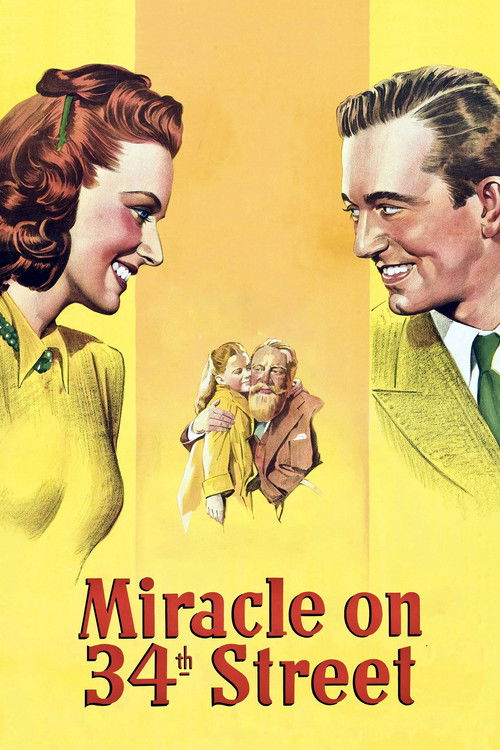
Miracle on 34th Street1947
Both are fantasies set in recognizable reality, treating impossible things as ordinary plot complications. But where Tomorrow is about selfish gain from foreknowledge, Miracle is about the value of belief in a skeptical world.
A department store Santa claims to be the real thing. Unlike Tomorrow, it's earnest and heartfelt—a fantasy about belief and kindness rather than advantage. Same era, same whimsy, completely different emotional register. Perfect if you want the magic without the con-artist edge.
But Leans hard on sentiment and faith; if you prefer cynicism or find Americana charm cloying, it will feel saccharine.
More like this (7)
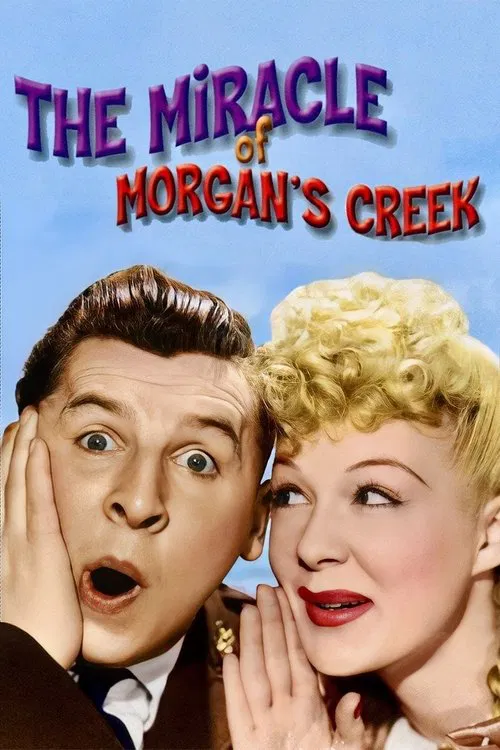
The Miracle of Morgan's Creek1944
Preston Sturges at his anarchic best: a wartime fantasy-comedy about a young woman who wakes up married with no memory of the groom. Absurd, fast, and astonishingly clever about American small-town life.
But The plot hinges on sexual innuendo that was daring for 1944 and might feel confused or dated to modern viewers unfamiliar with the era's coded language.
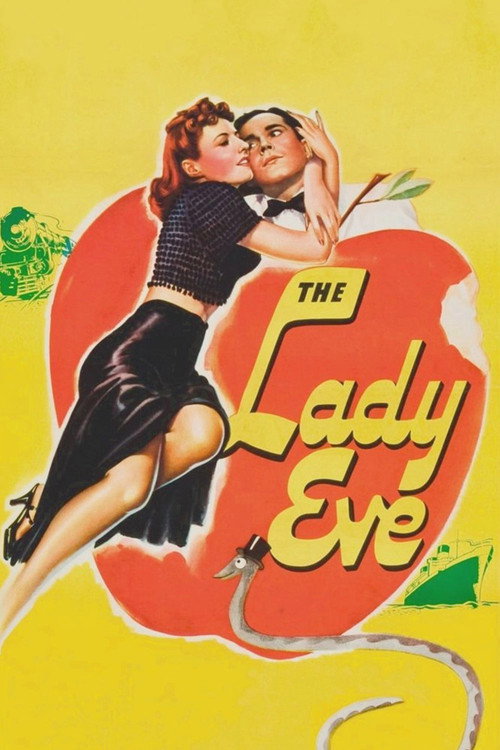
The Lady Eve1941
Barbara Stanwyck as a con artist boards a cruise ship; Henry Fonda as her mark is perfect prey. Romantic comedy as a series of elaborate con games, with genuine pathos underneath the games.
But Slower than you might expect for a con film, with long sequences that invite you to watch people talk rather than scheme.
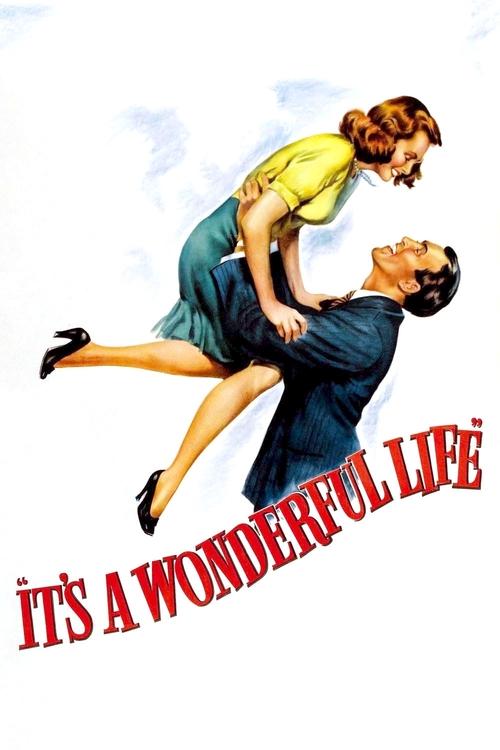
It's a Wonderful Life1946
A man contemplates suicide and is shown a vision of what his town would be without him. Fantasy structure like Tomorrow's, but swings between comedy, dread, and genuine emotional weight. Perennially moving.
But The sentimentality builds; if you resist emotional manipulation or dislike Jimmy Stewart's wholesomeness, the final act can feel cloying.
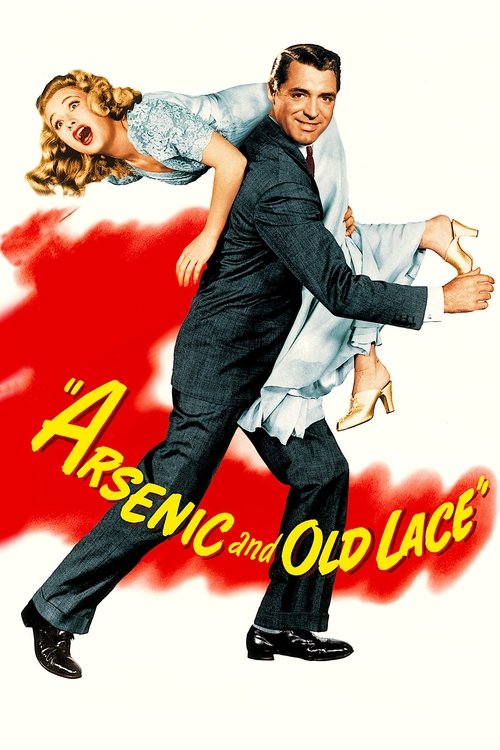
Arsenic and Old Lace1944
Cary Grant arrives at his house to discover his aunts are serial killers. A stage play filmed at top speed with manic energy, dark humor, and Grant's face doing most of the work. Genuinely deranged fun.
But The theatricality is extreme and the pacing assumes you're on the wavelength of 1940s stage comedy—some find it exhausting rather than funny.
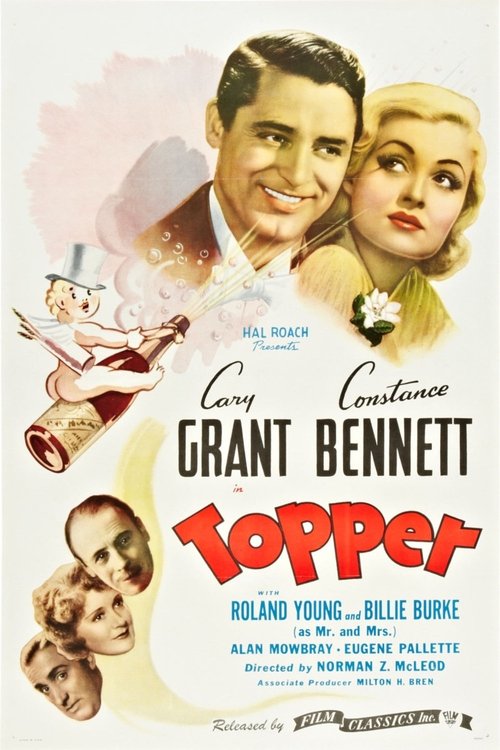
Topper1937
A stuffy banker is haunted by the ghosts of a fun-loving married couple, desperate to corrupt him. A fantasy-comedy that plays with invisible characters and slapstick mayhem; cheerful and genuinely clever.
But Special effects showing the ghosts can look cheesy by modern standards, and the humor relies on physical comedy that doesn't always land.
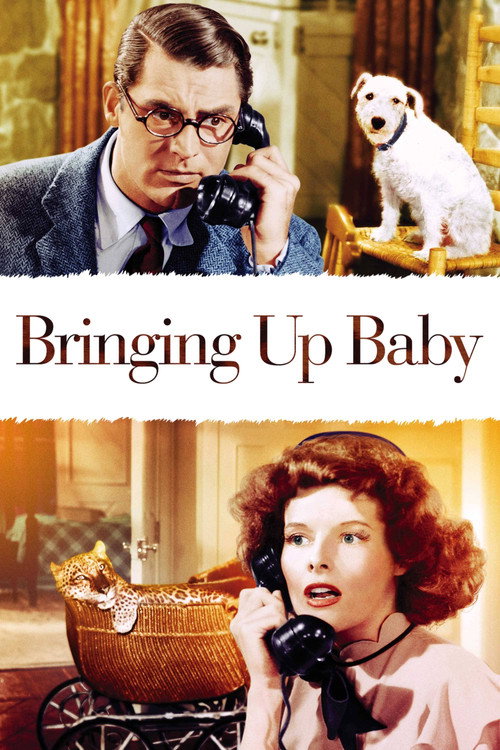
Bringing Up Baby1938
Cary Grant and Katharine Hepburn tangle over a leopard, dinosaur bones, and chaos. Often called the greatest screwball comedy ever made—relentless, precise, and built entirely on escalating absurdity.
But Some viewers find the manic energy exhausting rather than exhilarating, and the plot is deliberately flimsy as a pretext for comedy.
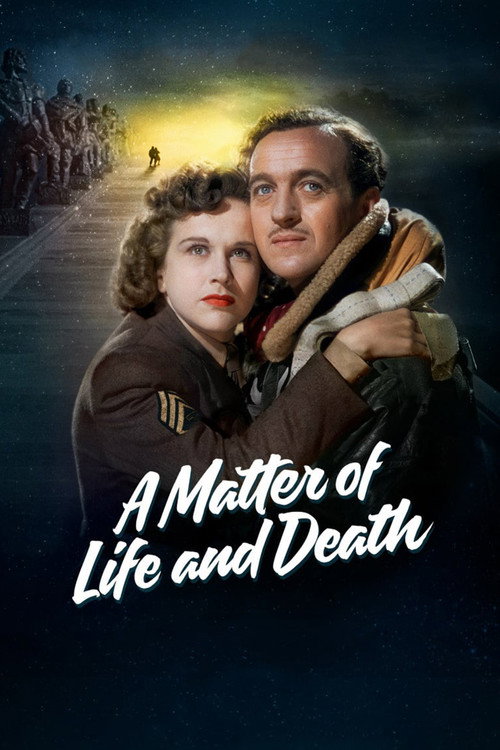
A Matter of Life and Death1946
Both play with time and fate in a mechanical way—time as a plot device rather than metaphor. But where Tomorrow is earthbound screwball, this floats into metaphysics and visual poetry.
A RAF pilot is supposed to die but falls in love instead, then must defend his right to live in a surreal courtroom in the afterlife. British Technicolor fantasy that operates like a dream. Visually stunning and genuinely strange—nothing else quite feels like it.
But The second half turns into a trial sequence that is narratively diffuse and philosophically heavy; patience with oddness required.
People
Cast
 Dick PowellLawrence 'Larry' Stevens
 Linda DarnellSylvia Smith-Stevens
 Jack OakieUncle Oscar Smith
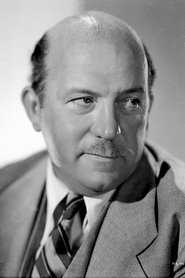 Edgar KennedyInsp. Mulrooney
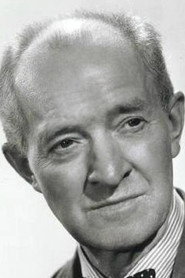 John PhilliberPop Benson
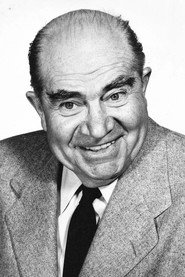 Edward BrophyJake Shomberg
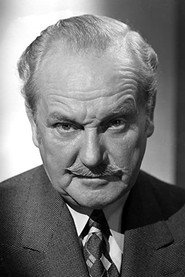 George ClevelandMr. Gordon
 Sig RumanMr. Beckstein
 Paul GuilfoyleShep
 Eddie AcuffJim
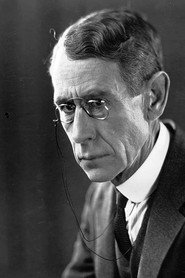 Robert DudleyJustice of the Peace (uncredited)
Directing
- Henry S. KeslerAssistant Director
- René ClairDirector
Writing
- Dudley NicholsAdaptation
- René ClairAdaptation
- Helene FraenkelDialogue
- Lewis R. FosterIdea
- Howard SnyderNovel
- Dudley NicholsScreenplay
- René ClairScreenplay
- Hugh Wedlock Jr.Story
- Lord DunsanyTheatre Play
Production
- Theo. W. BaumfeldAssociate Producer
- Arnold PressburgerProducer
- Carley HarrimanProducer's Assistant
Recommended by
State Fair, Hail the Conquering Hero, Wonder Man, Seven Days Ashore, The Man in the Mirror, Let's Make Music