
Film
Wonder Man
A 1945 Technicolor romp where Danny Kaye plays bookish twins—one murdered, one haunted—in a ghost comedy that's part screwball mystery, part vaudeville showcase. It's bright, loose, and unapologetically silly, built entirely around Kaye's gift for physical comedy and rapid-fire patter. For anyone who loves old Hollywood entertainment that doesn't take itself seriously.
Should you watch it?
Watch it if you enjoy 1940s screwball comedy with song numbers, a split-personality role that lets Danny Kaye's rubber-faced mugging run wild, and a ghost story played for laughs rather than chills.
Skip it if you want a tight, plot-driven mystery; the detective business is thin, and the musical numbers can stop the story cold more often than they serve it.
What it asks of you: Ninety-eight minutes, moving quickly, with little downtime; it wants you to accept a ghost in a park and a double role played for broad slapstick and song.
Not sure? Find tonight's pick in a minute.
If you liked this
Singin' in the Rain1952
The gold standard of Hollywood musicals: joyful, inventive, and built on genuine chemistry. Gene Kelly and Donald O'Connor deliver unforgettable set pieces that prove entertainment can be both spectacular and intimate.
But It's very much of its era—some of the romantic beats feel dated now, and the plot is gossamer-thin. If you need narrative substance, this won't provide it.

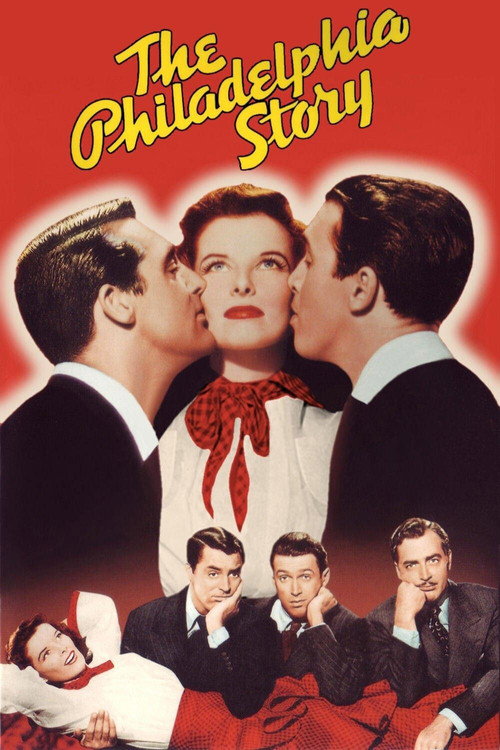
The Philadelphia Story1940
A romantic comedy so perfectly calibrated it barely feels like a movie: Cary Grant, Katharine Hepburn, and James Stewart riffing in black and white. Witty, elegant, and endlessly rewatchable.
But It's a drawing-room comedy about wealthy people's problems. If screwball banter isn't your thing, the lack of plot momentum will test your patience.
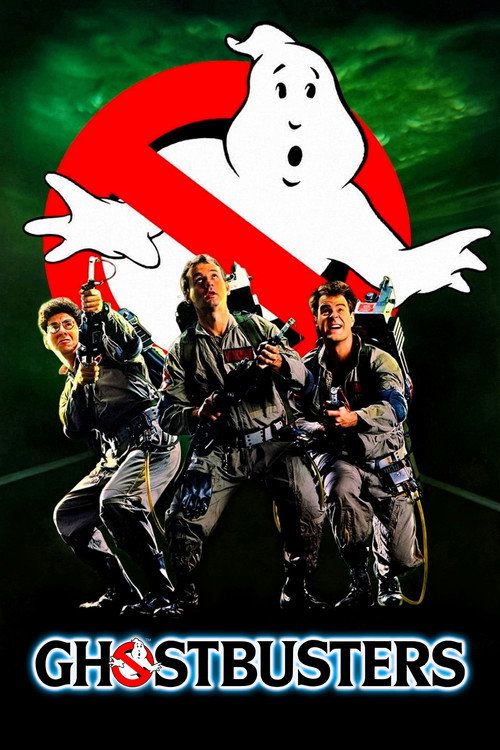
Ghostbusters1984
A ghost comedy that actually works because it grounds the absurd in genuine charm and chemistry. Bill Murray, Dan Aykroyd, and the ensemble make the supernatural feel both funny and oddly touching.
But It's more cynical and less theatrical than Wonder Man, and the effects are dated. Some people find Murray's deadpan exhausting rather than charming.
Not sure tonight? Get a pick in a minute, starting from Wonder Man
The wildcard
Something you would not have found on your own.
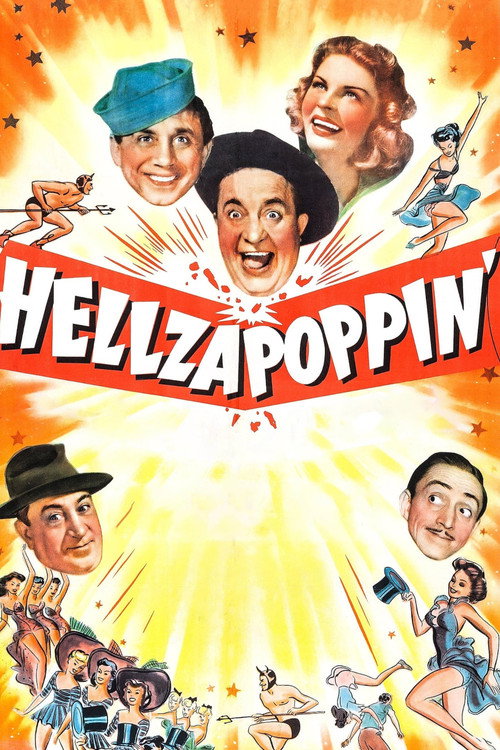
Hellzapoppin'1941
Both films treat plot as an afterthought and exist primarily as showcases for a performer's gifts—they're vaudeville entertainment trapped in celluloid, built to display personality rather than story.
Ole Olsen and Chic Johnson's anarchic vaudeville show turned into a film that barely pretends to have a plot. It's pure variety entertainment—song, dance, slapstick, surrealism—that anticipates postmodern comedy by decades.
But It's genuinely formless and relies entirely on the charm of the performers. If you need narrative or thematic coherence, this is chaos masquerading as a movie.
More like this (8)
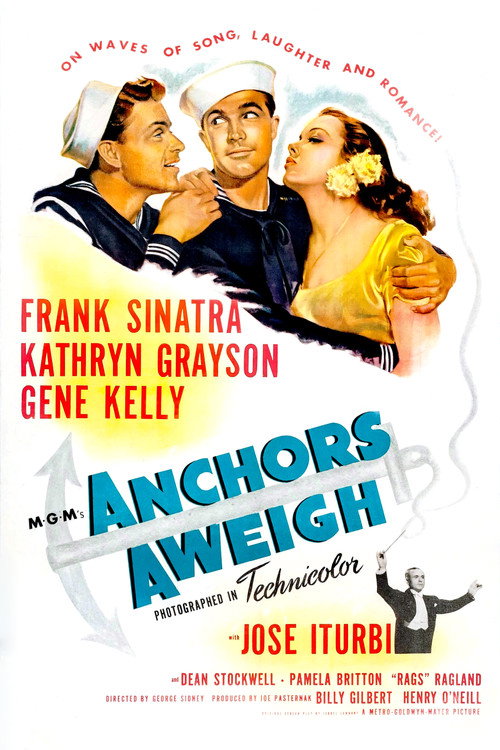
Anchors Aweigh1945
Another Technicolor musical from Wonder Man's moment, with Gene Kelly's exuberance and Frank Sinatra's croon. The dance sequences are inventive, the songs are breezy, and it captures that specific wartime entertainment energy.
But The plot is even thinner than Wonder Man's, and some of it hasn't aged well. It's pure escapism with no dramatic weight whatsoever.
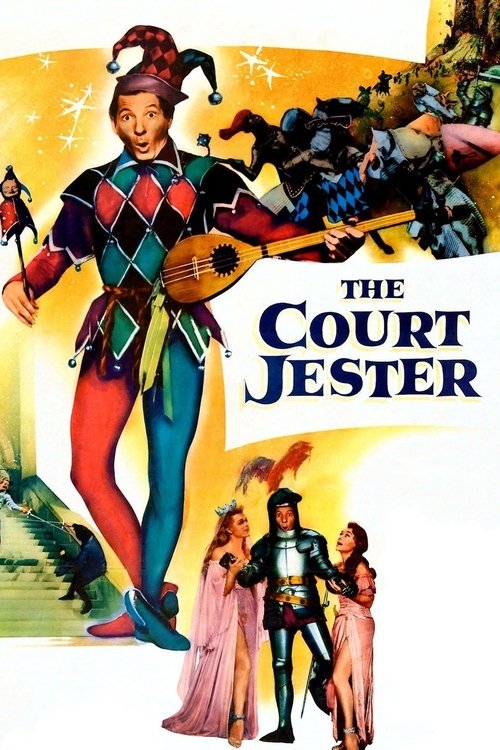
The Court Jester1955
Danny Kaye at his peak in a Technicolor fantasy-comedy where he plays a circus performer roped into a royal plot. It's virtuosic physical comedy with genuine warmth and Vera-Ellen dancing beside him.
But It's very broad and very silly in the same register as Wonder Man. If you found that exhausting, this won't convince you.
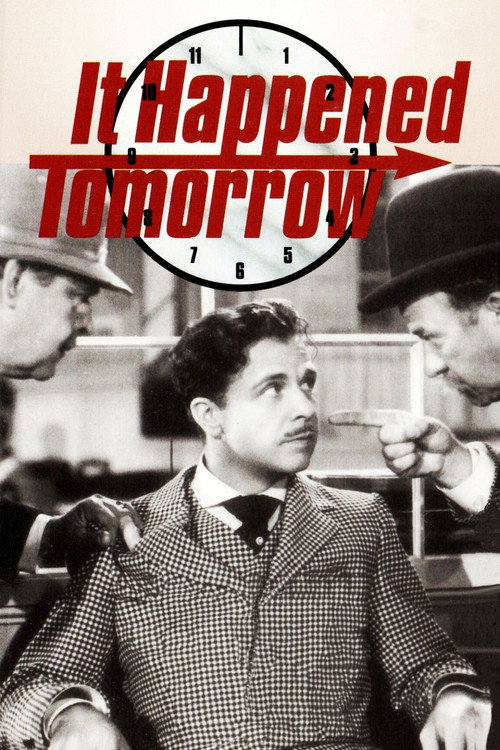
It Happened Tomorrow1944
A fantasy-comedy where Fred MacMurray reads tomorrow's newspaper today. It's clever, doesn't overstay its welcome at 83 minutes, and has a genuine sweetness under the premise.
But It's less flashy than Wonder Man and more dependent on plot logic. If you're coming for vaudeville energy, you'll be disappointed.
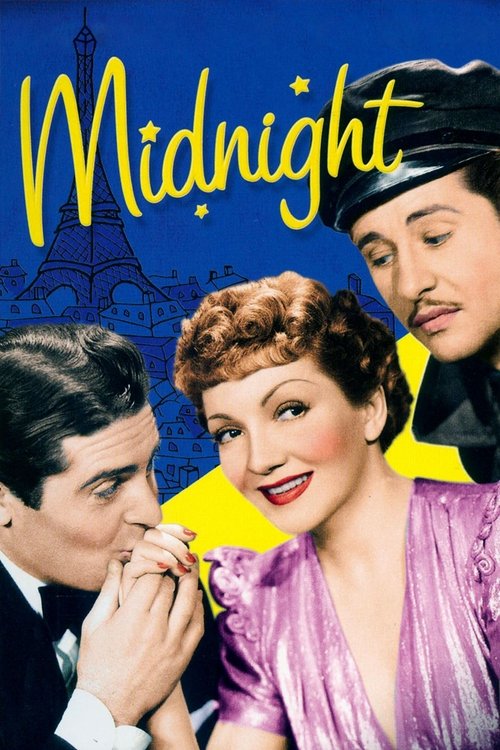
Midnight1939
Billy Wilder's Parisian screwball masterpiece: Claudette Colbert, Don Ameche, and John Barrymore in a comedy of errors that moves with such precision it feels both intricate and effortless.
But It's in black and white and entirely dependent on dialogue and timing. If you prefer spectacle to wit, this is all substance and no flash.
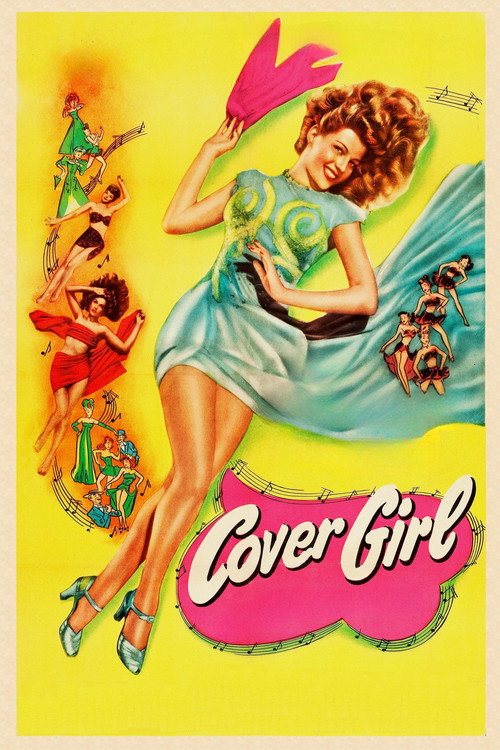
Cover Girl1944
Rita Hayworth and Gene Kelly in a Technicolor musical with production numbers designed by Vincente Minnelli. It's gorgeous, energetic, and surprisingly touching about artistic ambition.
But The plot is thin and the gender politics are retrograde even by 1944 standards. It's a movie you watch for how it looks, not what it says.
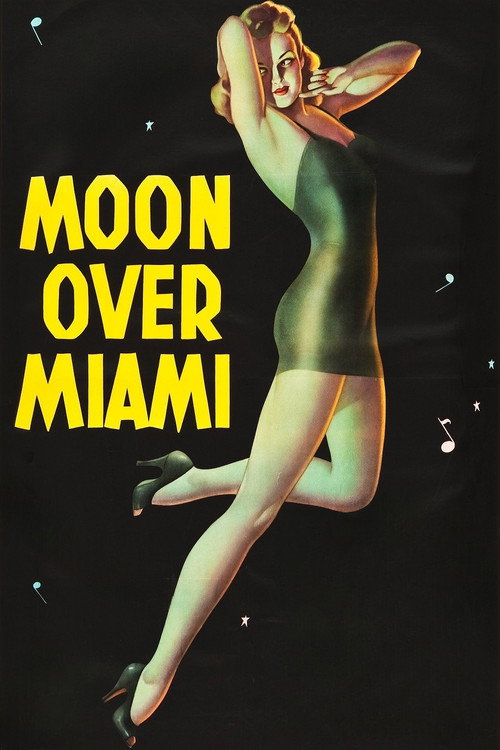
Moon Over Miami1941
Betty Grable in glorious Technicolor, with Don Ameche and Robert Cummings caught in a golddigger comedy. It's lightweight, cheerful, and perfectly pleasant if you're in the mood for undemanding entertainment.
But It's genuinely thin on character and story, even by the standards of 1941. Some viewers will find it merely pleasant rather than delightful.
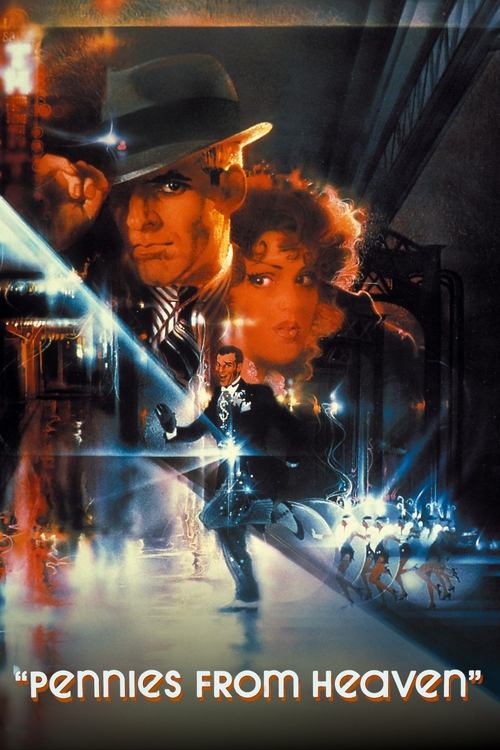
Pennies from Heaven1981
Both use ghosts, fantasy, and musical performance as their language, but Pennies turns those tools inside-out—where Wonder Man celebrates escapism, Pennies weaponizes it to show how escapism fails.
Steve Martin in a Depression-era musical that's actually a tragedy about desperation, fantasy, and the gap between how we dream and how we live. It's strange, unexpectedly dark, and uses musical numbers to complicate rather than resolve emotion.
But It's bleak and sincere in ways Wonder Man actively avoids. The musical numbers are intrusions rather than celebrations, and the whole thing feels like watching someone's private pain.
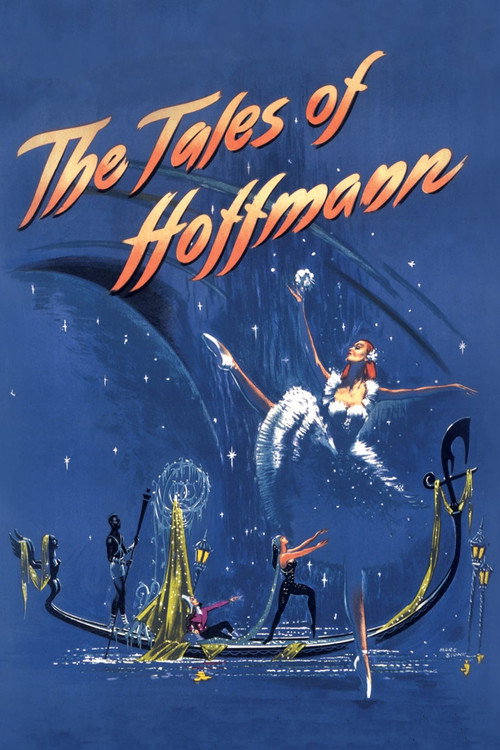
The Tales of Hoffmann1951
Both films prioritize the visual and performative spectacle of Technicolor over narrative, and both are essentially extended fantasy sequences where the real world is just scaffolding for entertainment.
Michael Powell and Emeric Pressburger's operatic fantasy in vivid Technicolor: a story told almost entirely through Offenbach's music and dance, with minimal dialogue. It's theatrical, visually ecstatic, and genuinely otherworldly.
But It's a ballet film with no plot in any conventional sense, performed by classical dancers rather than movie stars. If you need spoken narrative and character development, you'll be lost.
People
Cast
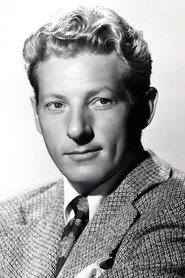 Danny KayeEdwin Dingle / Buzzy Bellew
 Virginia MayoEllen Shanley
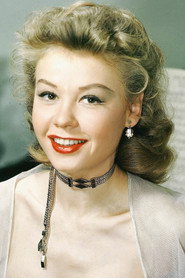 Vera-EllenMidge Mallon
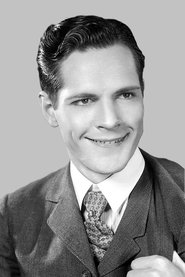 Donald WoodsMonte Rossen
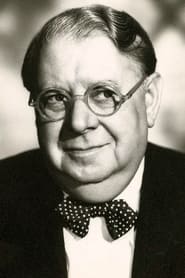 S.Z. SakallSchmidt
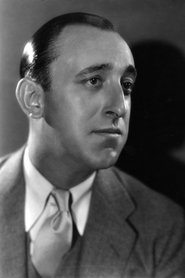 Allen JenkinsChimp
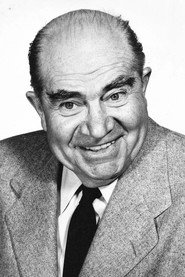 Edward BrophyTorso
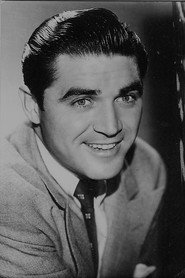 Steve CochranTen Grand Jackson
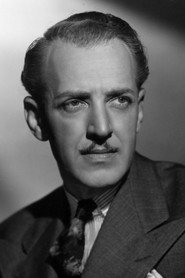 Otto KrugerDistrict Attorney
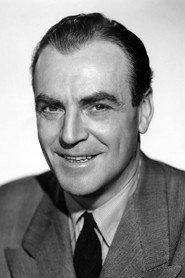 Richard LaneAssistant District Attorney
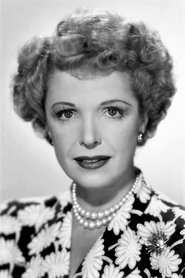 Natalie SchaferMrs. Hume
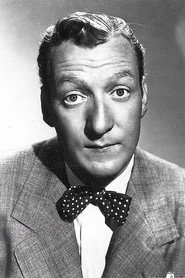 Huntz HallSailor
Directing
- H. Bruce HumberstoneDirector
Writing
- Eddie MoranAdaptation
- Jack JevneAdaptation
- Sylvia FineLyricist
- Arthur SheekmanOriginal Story
- Don HartmanScreenplay
- Melville ShavelsonScreenplay
- Philip RappScreenplay
Production
- Samuel GoldwynProducer