
Film
Cover Girl
- Romantic comedy
- Light-hearted
A 1944 Technicolor musical romance in which Rita Hayworth's nightclub dancer becomes a cover girl model, leaving Gene Kelly's choreographer boyfriend in the dust. It's pure escapist spectacle: lavish production numbers, effortless charm, and chemistry that crackles even as the plot trundles through its predictable arc. For anyone who loves the golden age of Hollywood musicals or wants to see two of the era's greatest dancers in their prime.
If you liked this
Singin' in the Rain1952
The gold standard of Hollywood musicals. Gene Kelly at peak vitality, Donald O'Connor's rubber-limbed brilliance, and production numbers so joyful they feel almost transgressive. A film that understands why dancing matters.
But The plot is tissue-thin and the pacing occasionally drags between numbers. Some of the comic bits haven't aged as gracefully as the dance sequences.

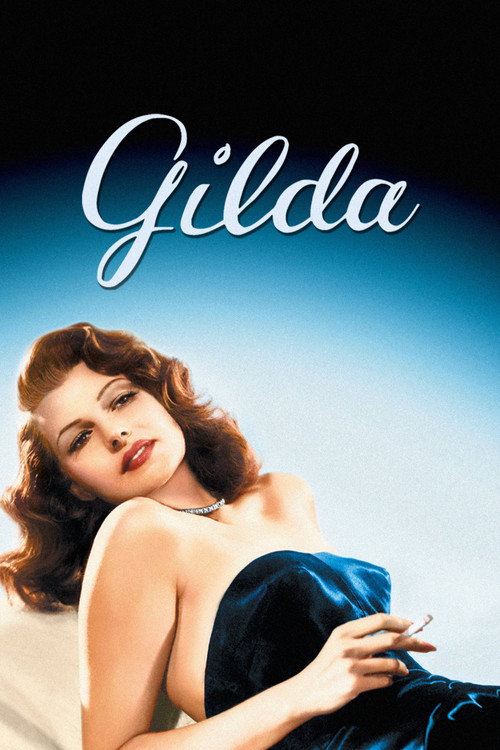
Gilda1946
Rita Hayworth in her most iconic role, all sultry glamour and that unforgettable "Put the Blame on Mame" number. The chemistry with Glenn Ford is electric, and the Technicolor cinematography is absolutely sumptuous.
But The post-war gender politics are uncomfortable to watch. The narrative punishes female desire in ways that feel genuinely unpleasant beneath the gloss.
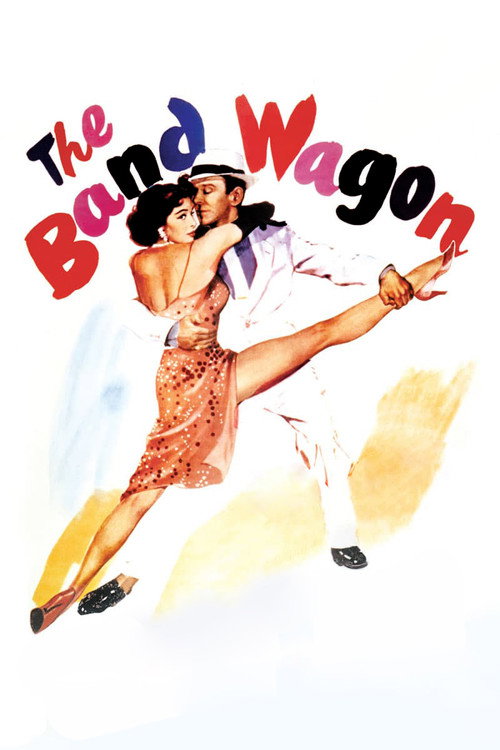
The Band Wagon1953
Fred Astaire and Cyd Charisse in a backstage musical that knows exactly what it is. The choreography is inventive, the songs are genuinely witty, and the movie moves with total confidence and charm.
But It's very much a product of its moment—the gender dynamics and some comedic asides feel dated. Astaire was nearly sixty when he made it, which won't bother some but might be a distraction.
Not sure tonight? Get a pick in a minute, starting from Cover Girl
The wildcard
Something you would not have found on your own.
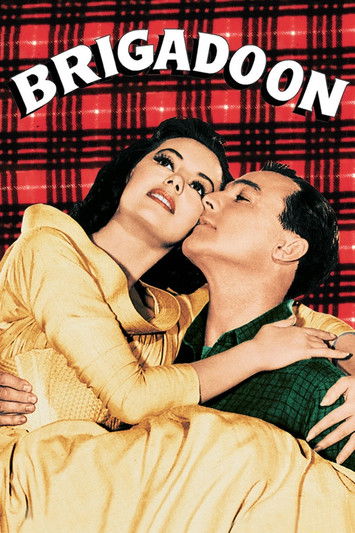
Brigadoon1954
Like Cover Girl, it uses the fantasy of Technicolor and dancing to explore what success actually costs—whether modeling, stardom, or a magical village. Both films are love stories where the wrong choice looks better under lights.
A painted backlot Scotland, Gene Kelly in a kilt, and a musical that asks: what do you want from your life? It's Vincente Minnelli at his most visually audacious, with Cyd Charisse and a score that builds something genuinely moving inside the artifice.
But The fantasy conceit is precious and the ending might feel saccharine. It also sits uneasily between realism and pure fantasy in ways that sometimes jar.
More like this (7)
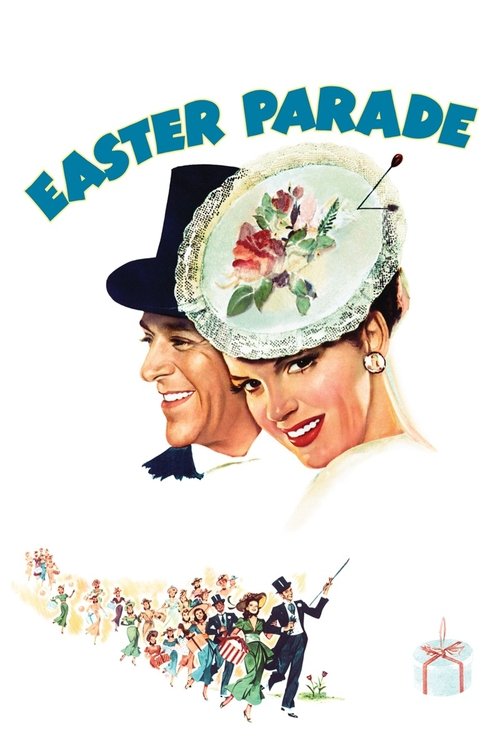
Easter Parade1948
Fred Astaire and Judy Garland together, performing Irving Berlin songs. It's lighter than you might expect, full of small delightful moments and dancing that reminds you why these two are treasures.
But The plot is essentially a love triangle where everyone behaves badly. The film has an unfinished quality—Astaire's original partner was injured and Garland replaced her mid-production.
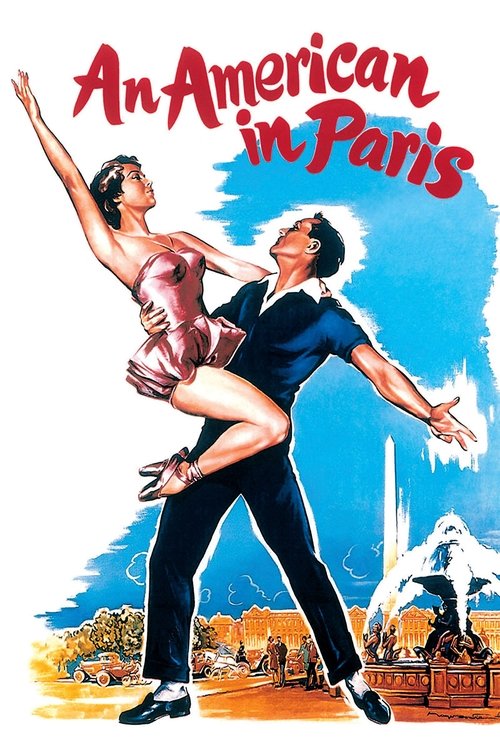
An American in Paris1951
Gene Kelly in Paris with Leslie Caron. It's ambitious, romantic, and features one of cinema's great extended dance sequences. The production design is gorgeous and the score is Gershwin.
But It's slow by modern standards, and the romance takes a long time to develop. The ballet sequence, while stunning, is genuinely long and might test patience.
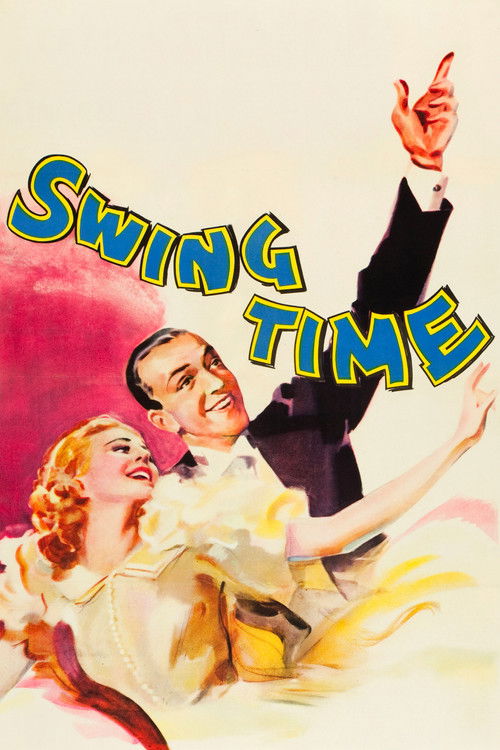
Swing Time1936
Fred Astaire and Ginger Rogers at their peak, with Jerome Kern songs and dancing that feels effortless and perfect. It's the template that most later musicals followed.
But The plot stops dead whenever a number starts, and the romantic resolution feels tacked on. Some of the racial attitudes in supporting scenes are jarring.
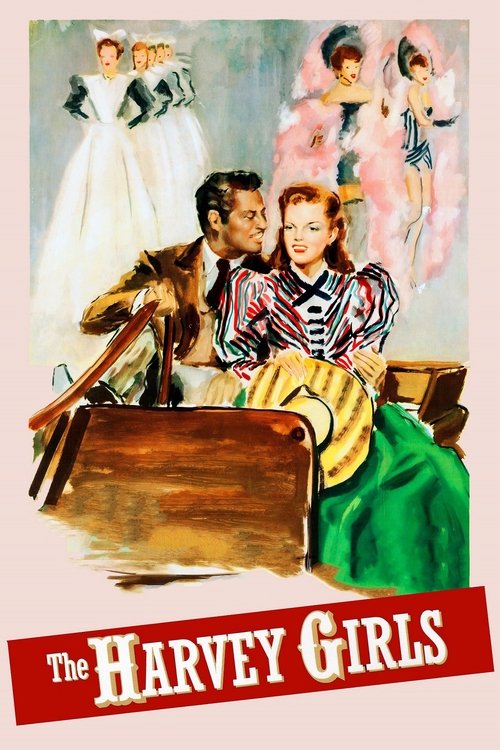
The Harvey Girls1946
Judy Garland, Cyd Charisse, Ray Bolger, and a western setting. It's colorful and energetic with genuinely inventive musical numbers and a cast having obvious fun.
But It's essentially a showcase without much narrative momentum. The western setting sometimes feels like a thin coat of paint over a standard backstage formula.
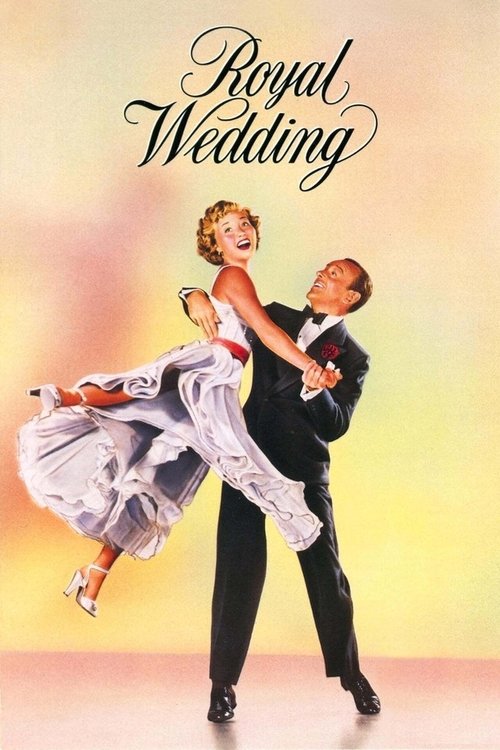
Royal Wedding1951
Fred Astaire dancing a number against the gravity of a rotating room set. The film itself is charming Technicolor entertainment with Jane Powell and some genuinely inventive choreographic ideas.
But The central romance is generic and the plot meanders. There's an awkward age-gap courtship subplot that hasn't improved with time.
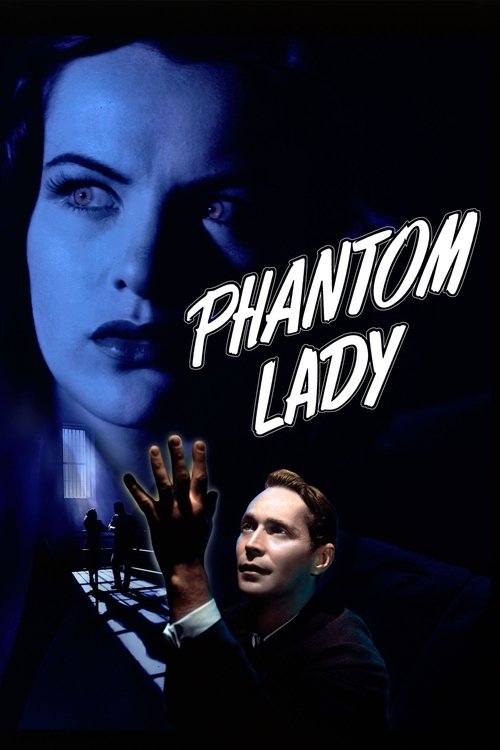
Phantom Lady1944
A suspense thriller from the same year as Cover Girl, featuring Ella Raines and Franchot Tone. It's got style, intrigue, and a wonderful nightclub sequence that shows what 1940s Hollywood could do with mood and danger.
But It's a B-picture in sensibility and sometimes feels slow compared to modern thrillers. The plot mechanics are more intricate than they're worth by the end.
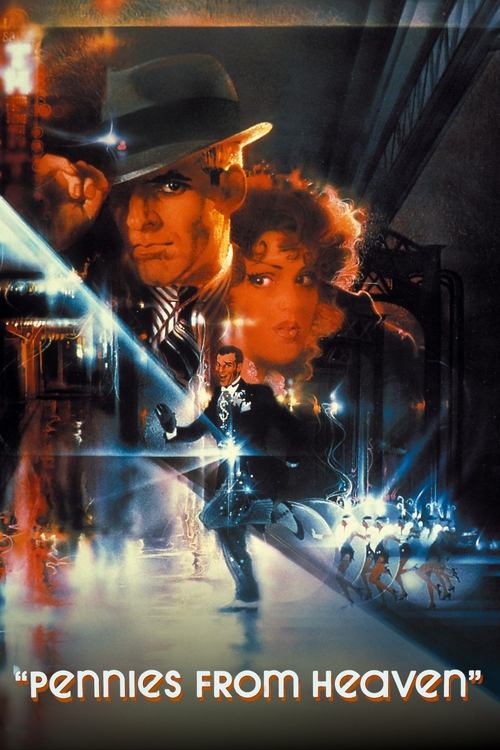
Pennies from Heaven1981
Both use performance and fantasy as escape from economic reality, but Pennies interrogates that escape rather than celebrating it. It's what happens when you make a 1944 musical with 1981 cynicism—both beautiful and disturbing in ways that mirror each other.
Steve Martin and Bernadette Peters in a Depression-era musical that's genuinely strange: it uses old song and dance numbers to reflect impossible romantic longings. It's melancholy, sexy, and completely unlike anything else you've seen.
But It's a commercial failure for good reason—the tonal mixture is unsettling and some viewers find it depressing rather than transcendent. There are elements that read as predatory by modern standards.
People
Cast
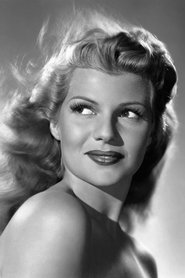 Rita HayworthRusty Parker / Maribelle Hicks (flashback)
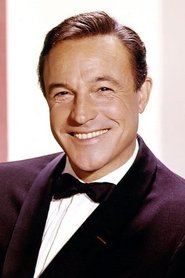 Gene KellyDanny McGuire
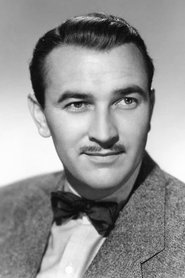 Lee BowmanNoel Wheaton
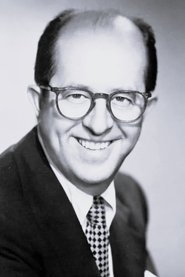 Phil SilversGenius
 Jinx FalkenburgJinx Falkenburg
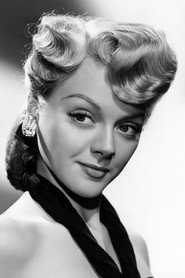 Leslie BrooksMaurine Martin
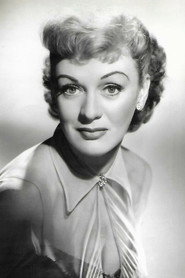 Eve ArdenCornelia 'Stonewall' Jackson
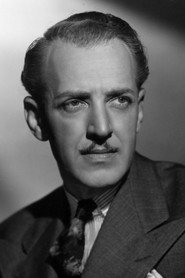 Otto KrugerJohn Coudair
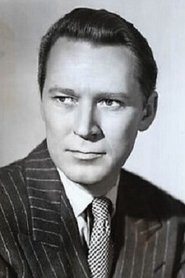 Jess BarkerJohn Coudair as a Young Man
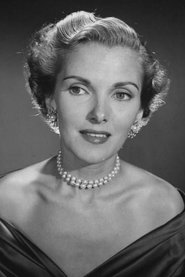 Anita ColbyMiss Colby
 Curt BoisChef at Danny McGuire's
- Jean ColleranCover Girl: American Magazine
Directing
- Budd BoetticherAssistant Director
- Charles VidorDirector
Writing
- Marion ParsonnetAdaptation
- Paul GangelinAdaptation
- E.Y. HarburgLyricist
- Fred W. LeighLyricist
- Henry E. PetherLyricist
- Ira GershwinLyricist
- Erwin S. GelseyStory
- Virginia Van UppWriter
Production
- Norman DemingOther
- Arthur SchwartzProducer
Recommended by
Hollywood Canteen, Ziegfeld Follies, Born to Dance, You Were Never Lovelier, Reveille with Beverly, Gold Diggers of 1935, Living in a Big Way, The Gang's All Here, Wonder Man, Hi, Beautiful, Earl Carroll Sketchbook, Brazil, Broadway Melody of 1938, Thousands Cheer, Music in My Heart, Down to Earth, Hello, Frisco, Hello, Coney Island