
Film
Ziegfeld Follies
- Musical
- Light-hearted
A 1945 revue imagining what Ziegfeld would create from heaven: a parade of musical numbers, comedy sketches, and dance sequences strung together by the thinnest plot. It's a visual banquet that asks nothing of you except to sit still and enjoy the talent. For anyone who loves watching virtuosos work.
Should you watch it?
Watch it if you love old-fashioned stagecraft, a parade of lavish sets and bright sketches where the pleasure lies in the showmanship rather than a through-line.
Skip it if you need a single story pulling you along, since this is a loose run of unconnected numbers and skits whose quality swings from dazzling to fiddly.
What it asks of you: Long at 110 minutes and built from separate turns, it wants patience, and it takes its dated sentiment and theatrical excess on its own terms.
Not sure? Find tonight's pick in a minute.
If you liked this
Singin' in the Rain1952
The gold standard of movie musicals, with Gene Kelly and Donald O'Connor delivering infectious charm, jaw-dropping dance, and actual narrative momentum. Every number feels essential.
But If pure spectacle without emotional stakes leaves you cold, the plot is gossamer-thin and exists only to hang songs on.

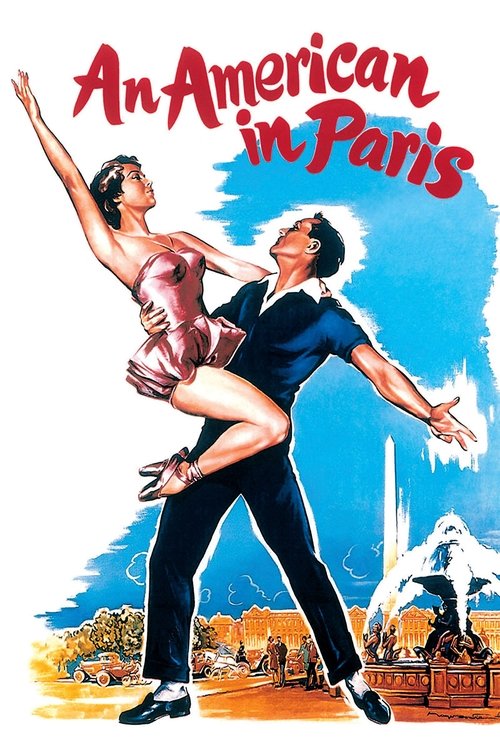
An American in Paris1951
Gershwin's genius, Leslie Caron's elegance, and Gene Kelly at his peak dancing through a gorgeously realized Paris. The finale is a full-length ballet that justifies the entire enterprise.
But It's very long and sometimes pauses for extended stretches of pure dance when you might want the story to move.
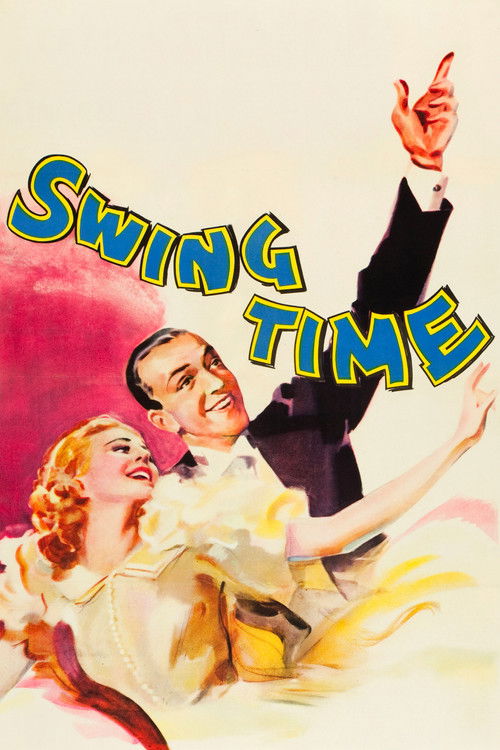
Swing Time1936
Fred Astaire and Ginger Rogers in their element: witty banter, impeccable dancing, and a soundtrack by Kern and Berlin. Proof that musicals can be genuinely funny and romantic at once.
But The story is fluff, and the racial politics of the 1930s haven't aged well—there's a blackface number that will make you wince.
Not sure tonight? Get a pick in a minute, starting from Ziegfeld Follies
The wildcard
Something you would not have found on your own.
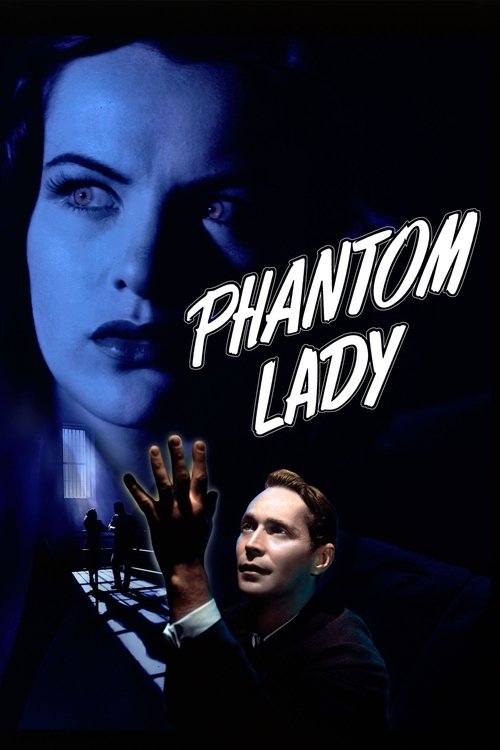
Phantom Lady1944
Same year, same studio (MGM), same era—but Phantom Lady shows the noir shadow behind the musical revue's bright surface. Both traffic in artifice and performance, but one uses it to seduce you and one uses it to confuse you.
A noir thriller with one of cinema's great set pieces: a wild-eyed drum solo in a jazz club that turns into sexual tension and murder plot. Robert Siodmak directed; Ella Raines is magnetic.
But It's genuinely dark and cynical—nothing like the bright spectacle of Ziegfeld—and the plot, while gripping, hinges on a woman's trauma and gaslighting.
More like this (8)
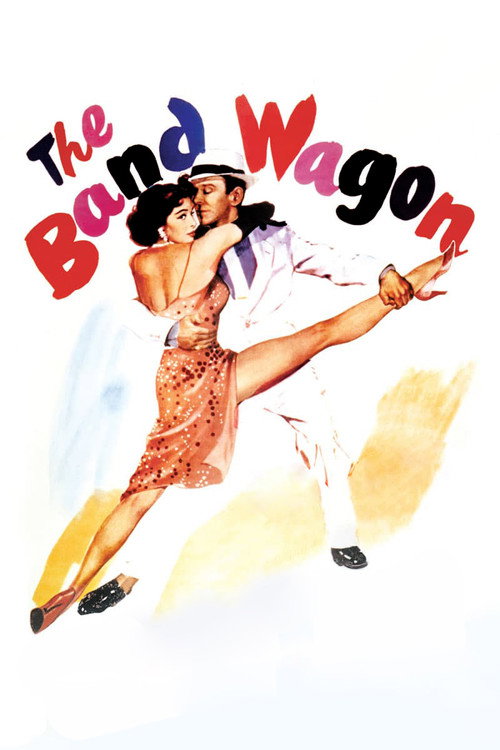
The Band Wagon1953
Fred Astaire again, alongside Cyd Charisse in numbers that are dizzyingly inventive. The self-aware humor about Broadway works better than it has any right to.
But The middle sags under a plot nobody cares about, and some comedy bits land softer than others.
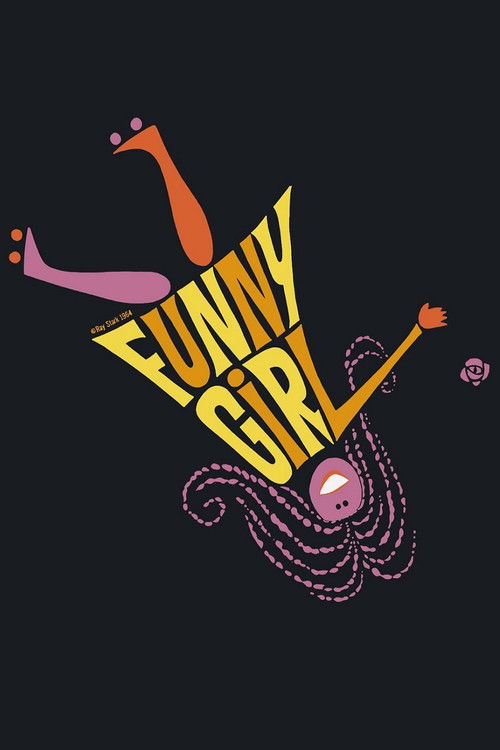
Funny Girl1968
Barbra Streisand's film debut, playing real entertainer Fanny Brice with force and vulnerability. The numbers crackle, and she commands every frame.
But The second half pivots into dramedy about a failing marriage, abandoning the musical energy you came for.
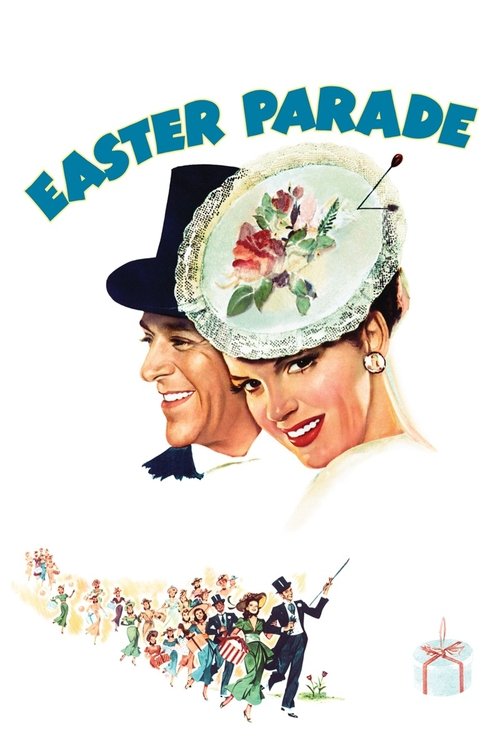
Easter Parade1948
Fred Astaire and Judy Garland together, Irving Berlin songs, and enough tap dancing and charm to sustain two hours. Lightweight but irresistible.
But It's thin even by revue standards, and hasn't aged as gracefully as other Astaire films.
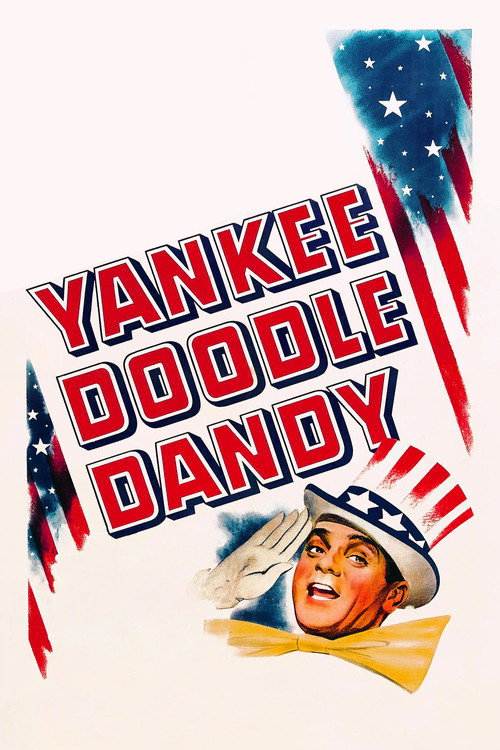
Yankee Doodle Dandy1942
James Cagney playing George M. Cohan with electrifying energy and genuine theatrical savvy. It's a biopic with a pulse, shot through with performance.
But Cohan himself was a difficult man, and the film elides that in favor of pure celebration.
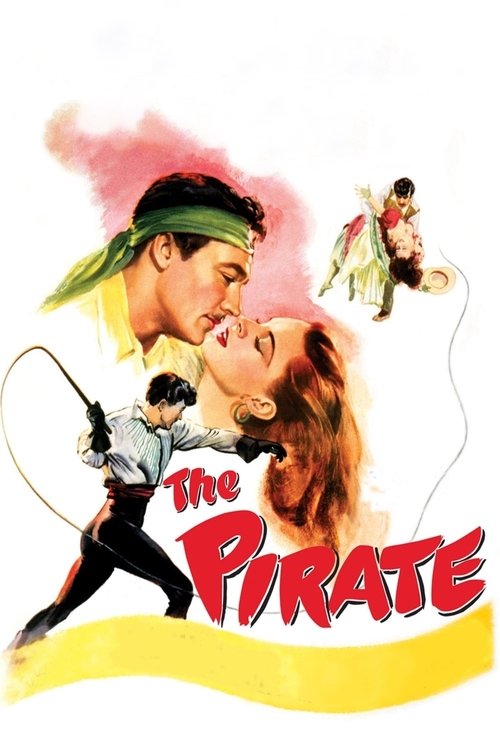
The Pirate1948
Gene Kelly and Judy Garland with Cole Porter songs and a weirdly experimental approach to the musical—high-concept, playful, sometimes surreal.
But The experimentalism doesn't always work, and the tone whipsaws between camp and sentimentality.
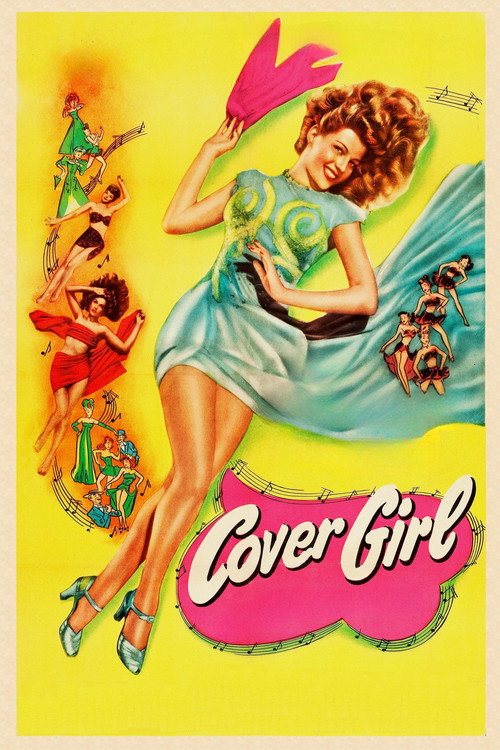
Cover Girl1944
Rita Hayworth, Phil Silvers, and Rita's own dancing in a Technicolor romance set in the world of fashion magazines. Pure escapism.
But It's a thin romantic plot, and Hayworth's not a natural actress—the film survives on her presence alone.
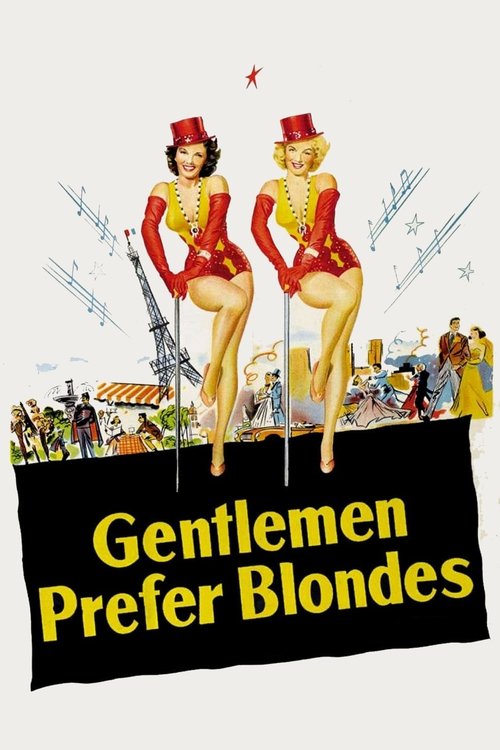
Gentlemen Prefer Blondes1953
Ziegfeld Follies and Gentlemen Prefer Blondes are both revues where the plot barely exists—but Gentlemen Prefer Blondes is sharper, meaner, and more self-aware about what its spectacle is selling.
Jane Russell and Marilyn Monroe in what is essentially a revue disguised as a plot, with musical numbers staged as pure fantasy. Monroe's 'Diamonds Are a Girl's Best Friend' is canonical.
But The humor is broad and sometimes relies on stereotypes of women. It can feel more knowing about its own objectification than critical of it.
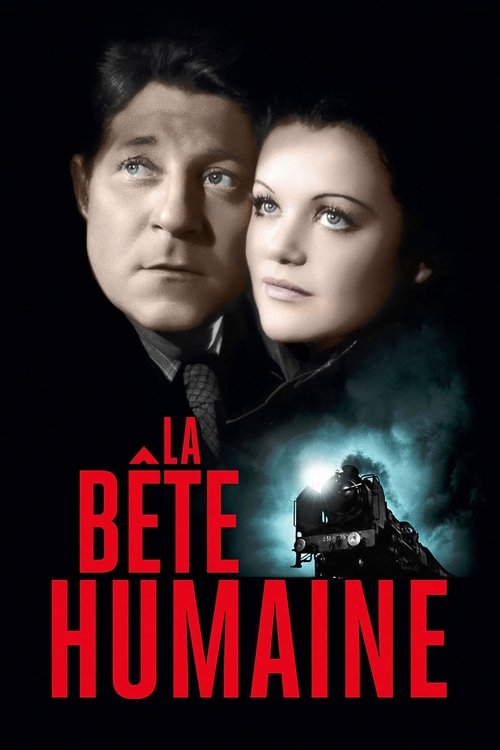
La Bête Humaine1938
Both 1940s entertainment films, but Renoir's is what happens when you apply the intensity of real desire and real stakes to Ziegfeld's world of surfaces. It's the darkness underneath the song and dance.
Jean Renoir's masterpiece: a railway noir where passion and class collide. Simone Simon and Jean Gabin smolder with real erotic charge; the film moves like a express train.
But It's in French, it moves at 1938 pace, and it ends in genuine tragedy—about as far from escapist revue as cinema goes.
People
Cast
 William PowellFlorenz Ziegfeld Jr.
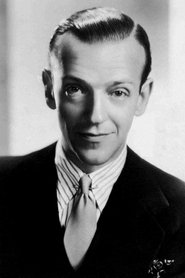 Fred AstaireFred Astaire / Raffles / Tai Long / Gentleman
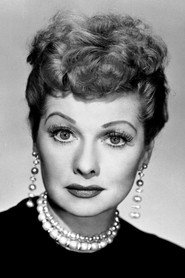 Lucille BallLucille Ball (segment "Here's to the Ladies")
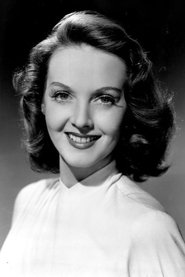 Lucille BremerPrincess ("This Heart of Mine") / Moy Ling ("Limehouse Blues")
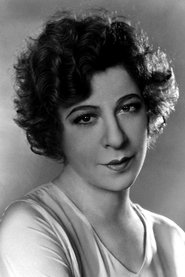 Fanny BriceNorma Edelman (segment "A Sweepstakes Ticket")
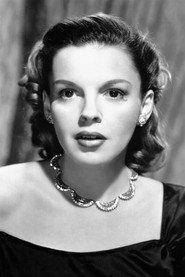 Judy GarlandStar (segment "A Great Lady Has an Interview")
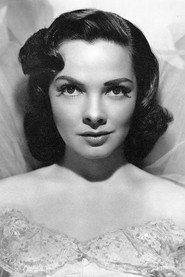 Kathryn GraysonKathryn Grayson (segment "Beauty")
 Lena HorneLena Horne (segment "Love")
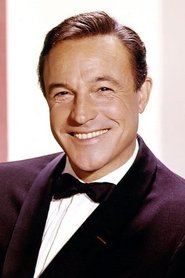 Gene KellyGentleman (segment "The Babbit and the Bromide")
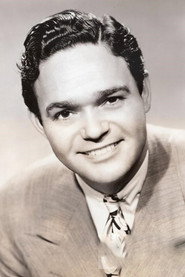 James MeltonAlfredo (segment "La Traviata")
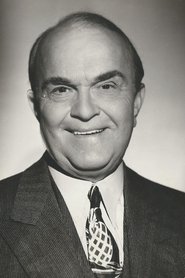 Victor MooreLawyer's Client (segment "Pay the Two Dollars")
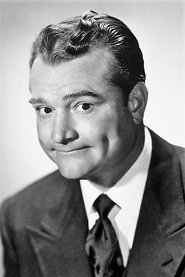 Red SkeltonJ. Newton Numbskull (segment "When Television Comes")
Directing
- Al ShenbergAssistant Director
- Jack GreenwoodAssistant Director
- George SidneyDirector
- Lemuel AyersDirector
- Robert LewisDirector
- Roy Del RuthDirector
- Vincente MinnelliDirector
Writing
- Arthur FreedLyricist
- David FreedmanWriter
- Hugh MartinWriter
- Ralph BlaneWriter
Production
- Arthur FreedProducer
Recommended by
Stormy Weather, It's Great to Be Young, Thousands Cheer, Underneath the Arches, Coney Island