
Film
Thousands Cheer
- Comedy
- Light-hearted
A 1943 MGM musical comedy about an acrobat-soldier romancing the colonel's daughter while preparing for an elaborate army variety show. It's a cheerful, lightweight film designed primarily as a vehicle for the studio's star power, with Gene Kelly doing what he does best. Think of it as pure wartime escapism—the plot is a thin excuse for musical numbers and glamour.
If you liked this
Singin' in the Rain1952
Gene Kelly at his absolute peak, executing dance sequences of such joy and invention that they feel like they're happening in real time. The musical numbers don't pause the story—they ARE the story.
But If you find yourself impatient with plot that exists only to connect songs, or if classic Hollywood's bright primary colors feel artificial to you, this may test your patience.

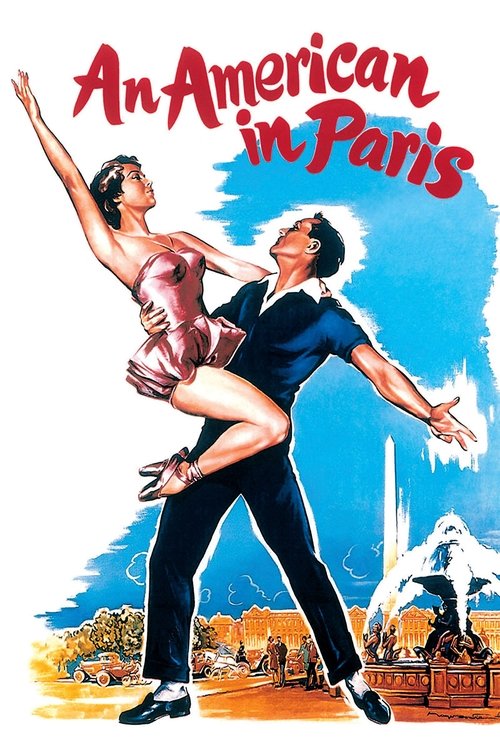
An American in Paris1951
Another Kelly triumph in the same MGM tradition, but with a richer emotional core and a Paris setting that lets the production design soar. The extended ballet sequence is worth the ticket alone.
But It's a long film, and the romantic plot is genuinely thin. The spectacle carries it, but that won't work for everyone.
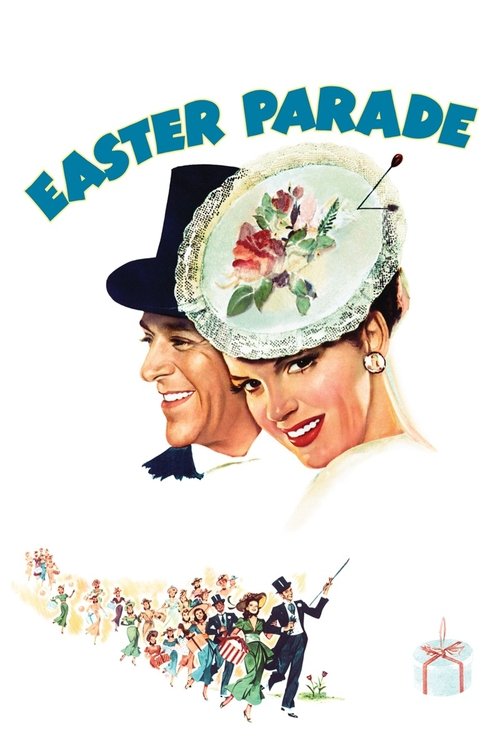
Easter Parade1948
Fred Astaire and Judy Garland together is reason enough, but it's also a breezier, more intimate musical than Thousands Cheer. The Irving Berlin songs are genuinely excellent.
But It's slight, even by musical standards. There's not much beneath the dancing and the charm, and if you need substance, you won't find it here.
Not sure tonight? Get a pick in a minute, starting from Thousands Cheer
The wildcard
Something you would not have found on your own.
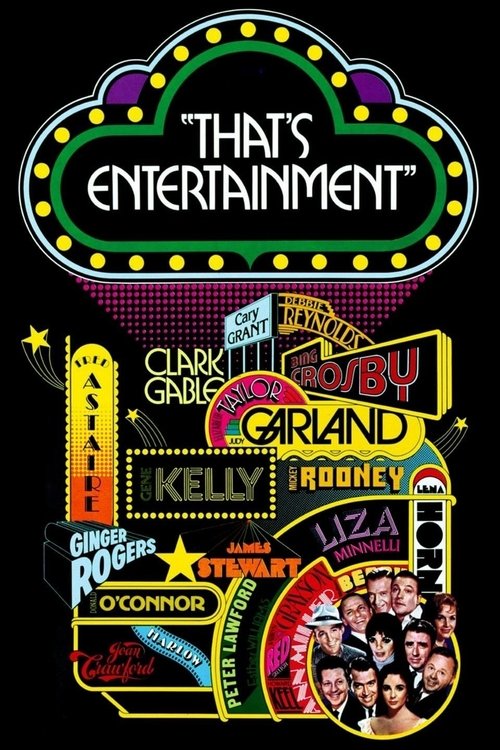
That's Entertainment!1974
It's the institutional memory of the same studio system that made Thousands Cheer, showing you where that film sits in the larger machinery of wartime escapism.
A documentary-collage built from MGM musical footage, including sequences from Thousands Cheer itself. It's a love letter to exactly what you're watching, but seen through the eyes of someone who lived through the whole era and can reflect on what it meant.
But It's a clip show, so you're watching fragments rather than complete performances. It also presupposes some knowledge of MGM's catalogue to fully land its in-jokes.
More like this (8)
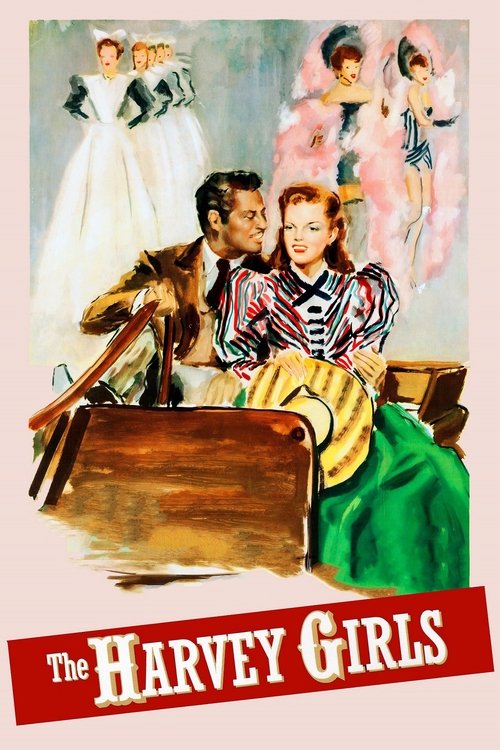
The Harvey Girls1946
Judy Garland leading an ensemble cast in another colorful MGM production number spectacular. It has more narrative propulsion than Thousands Cheer and a western setting that gives it visual flavor.
But The politics of the era sit uneasily with modern sensibilities, and the plot is even thinner than you'd expect. It's pure spectacle, which isn't for everyone.
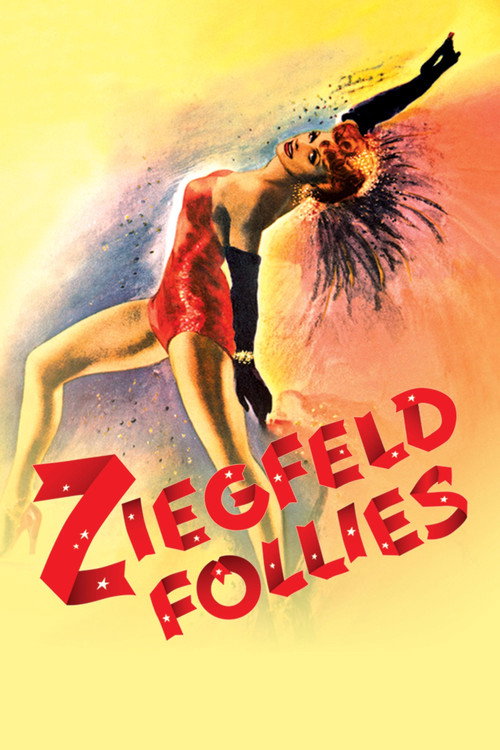
Ziegfeld Follies1945
An even more naked excuse for showcasing MGM talent—basically a revue of musical numbers with minimal plot. If you love the idea of Thousands Cheer but want MORE spectacle and LESS story, this is it.
But There is almost no narrative to hold onto. It's essentially a two-hour variety show, and if that sounds exhausting rather than delightful, skip it.
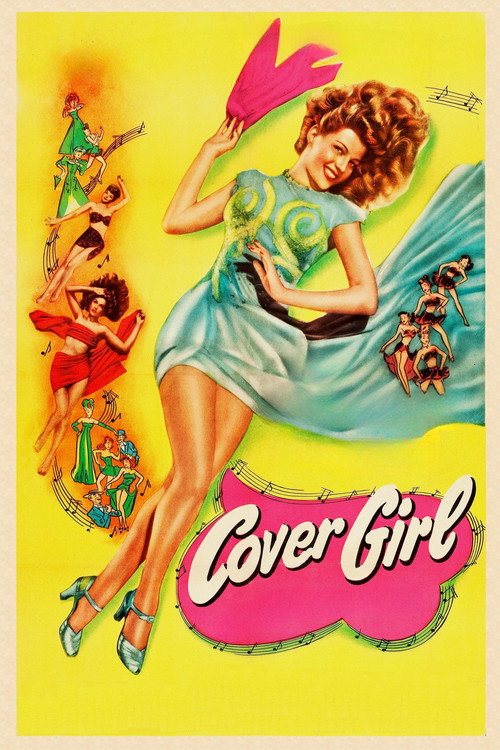
Cover Girl1944
Rita Hayworth and Gene Kelly together in a slightly more grounded musical romance. It has better music and better dancing than most of its contemporaries, and the chemistry between leads is genuine.
But It's still a thin plot wrapped around musical numbers, and some of the supporting performances feel dated. The Technicolor occasionally overwhelms the story.
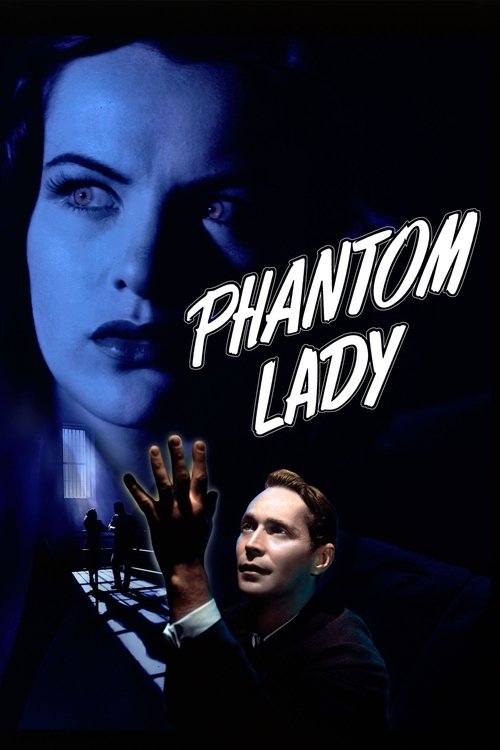
Phantom Lady1944
A 1940s film with real darkness and atmosphere—a murder mystery with genuine suspense and a nightclub sequence that's visually stunning. It shows what Hollywood could do when it wasn't just making escapism.
But It's not a musical, so it's tonal whiplash if you're coming straight from Thousands Cheer. The plot is occasionally convoluted and the pacing uneven.
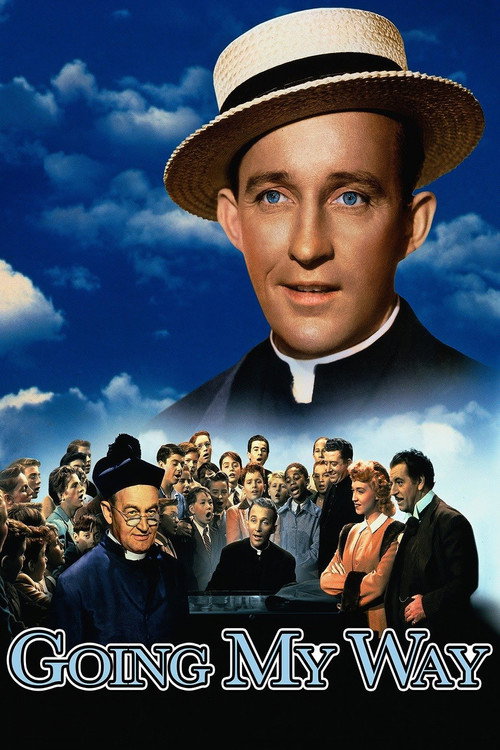
Going My Way1944
Bing Crosby's charming, lightweight vehicle about a young priest winning over a parish. It has musical numbers, warmth, and genuine humor without ever taxing your brain. Pure comfort viewing.
But The religious messaging may feel heavy-handed or dated depending on your tolerance. It's aggressively wholesome in a way that can feel cloying.
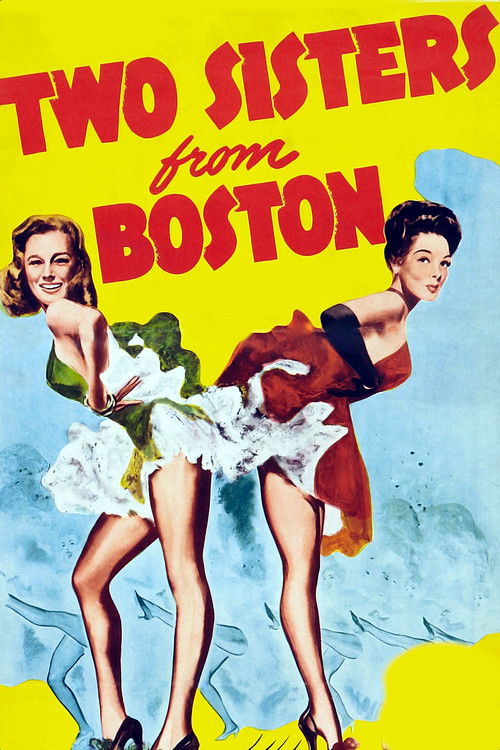
Two Sisters from Boston1946
Kathryn Grayson (who plays the female lead in Thousands Cheer) gets to carry more of the film here, performing opposite Jimmy Durante. It's a backstage musical with more character work than pure spectacle.
But It's obscure for a reason—pleasant but forgettable, and even by the standards of 1940s musicals, it doesn't quite sing. You're watching it more for completion than revelation.
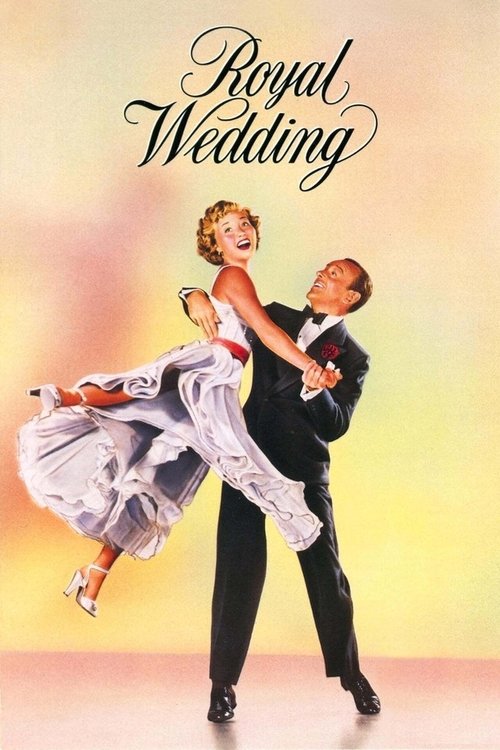
Royal Wedding1951
Another studio-system musical that uses the premise of a theatrical act as scaffolding for musical numbers, but executed with more style and darker undertones beneath the gloss.
Fred Astaire dancing on the ceiling and walls in a sequence that defied special-effects logic at the time. It's a musical comedy about a brother-sister song-and-dance team, and it has genuine wit alongside the spectacle.
But Jane Powell is charming but no match for Astaire, so the romantic plot drags. The film also has some uncomfortable racial politics that will jar you.
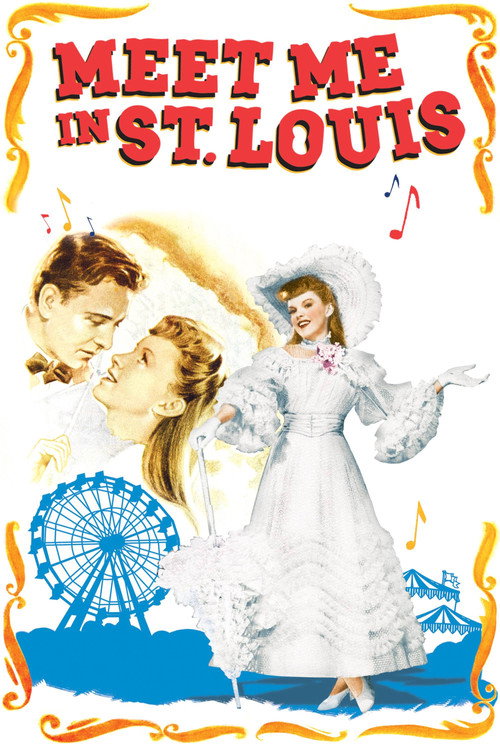
Meet Me in St. Louis1944
Same era, same studio, same production values, but a completely different register—proof that the musical form could contain complexity and feeling, not just spectacle and flirtation.
Judy Garland in what might be the most emotionally intelligent musical ever made. It's still colorful and spectacular, but it has genuine melancholy, real family dynamics, and songs that deepen character rather than interrupt it.
But It moves slowly by modern standards, and the emotional textures are subtle. If you want plot momentum and big laughs, this meditative approach will feel glacial.
People
Cast
 Kathryn GraysonKathryn Jones
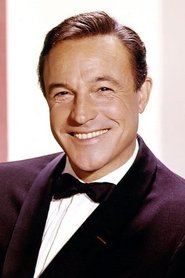 Gene KellyEddie Marsh
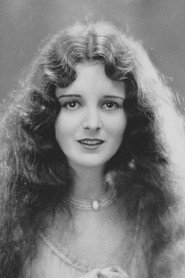 Mary AstorHyllary Jones
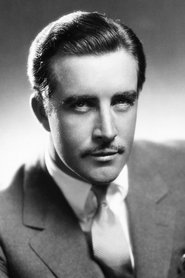 John BolesBill Jones
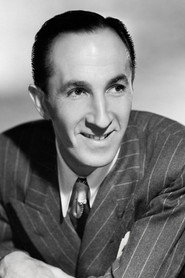 Ben BlueChuck Polansky
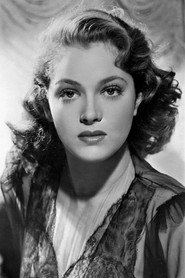 Frances RaffertyMarie Corbino
- Mary ElliottHelen Corbino
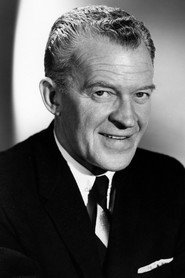 Frank JenksSergeant Koslack
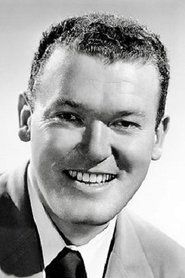 Frank SullyAlan
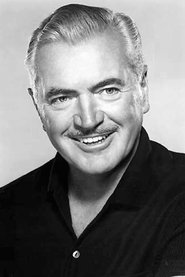 Dick SimmonsFred Avery
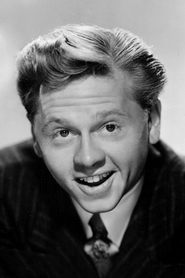 Mickey RooneyMickey Rooney
 Judy GarlandJudy Garland
Directing
- George SidneyDirector
Writing
- Paul JarricoScreenplay
- Richard CollinsScreenplay
- Paul JarricoStory
- Richard CollinsStory
Production
- Joe PasternakProducer