
Film
Easter Parade
- Backstage musical
- Romance
- Light-hearted
A 1948 musical romance where Fred Astaire remakes himself as a mentor after romantic rejection, discovering something unexpected in the process. It's a glittering, fleet-footed film about transformation and teaching—the dancing is immaculate, the songs linger, and there's real tenderness underneath the tap shoes. For anyone who loves the golden age of Hollywood musicals, or who wants to see Astaire and Garland doing what they do best.
Should you watch it?
Watch it if you love old-fashioned Hollywood musicals where the charm lives in buoyant song-and-dance numbers, bright Technicolor frames, and a light, teasing romance between two performers.
Skip it if your patience for plot runs thin, since the story is a slight, gently sentimental frame that exists mainly to hang the musical numbers on.
What it asks of you: Settle in for a leisurely hundred-odd minutes, with long stretches between numbers where the pace drifts, and a sunny, unhurried tone throughout.
Not sure? Find tonight's pick in a minute.
If you liked this
Singin' in the Rain1952
The pinnacle of the 1950s musical: a story about entertainment and ambition built on Gene Kelly's genius, with humor, heartbreak, and dancing that remains thrilling. If you love the lightness of *Easter Parade*, this deepens everything.
But Nearly three hours, and some of the comedy feels dated in specific ways. The film can feel vast and occasionally indulgent.

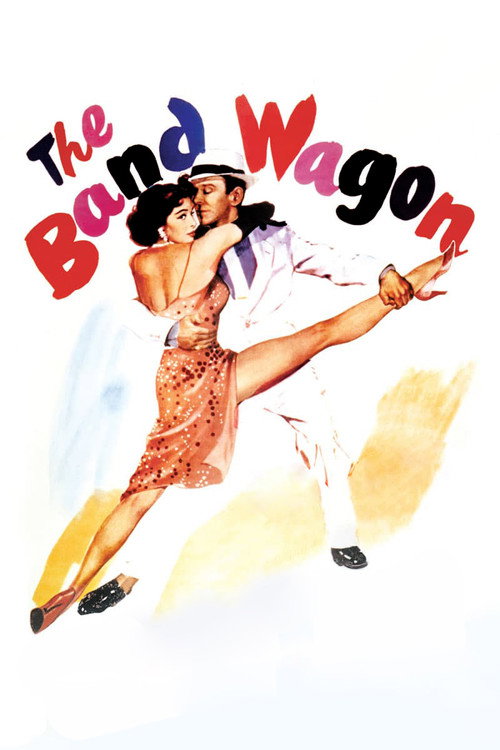
The Band Wagon1953
Fred Astaire again, but older and more damaged—playing a washed-up star trying to prove himself in a new medium. The dancing is less about virtuosity and more about character, which is darker and richer.
But The central plot about a theatrical production can feel slow if you're coming for pure dancing. Some segments feel padded.
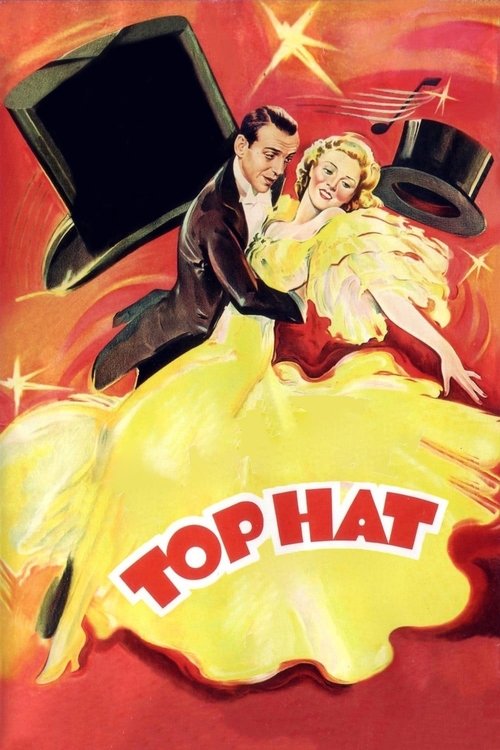
Top Hat1935
The Astaire-Rogers standard: effortless sophistication, a romantic entanglement that spirals beautifully, and dancing that defines the form. It's why *Easter Parade* exists at all. Essential.
But The gender dynamics and some plot devices feel quite dated. It's a museum piece as much as a living film.
Not sure tonight? Get a pick in a minute, starting from Easter Parade
The wildcard
Something you would not have found on your own.
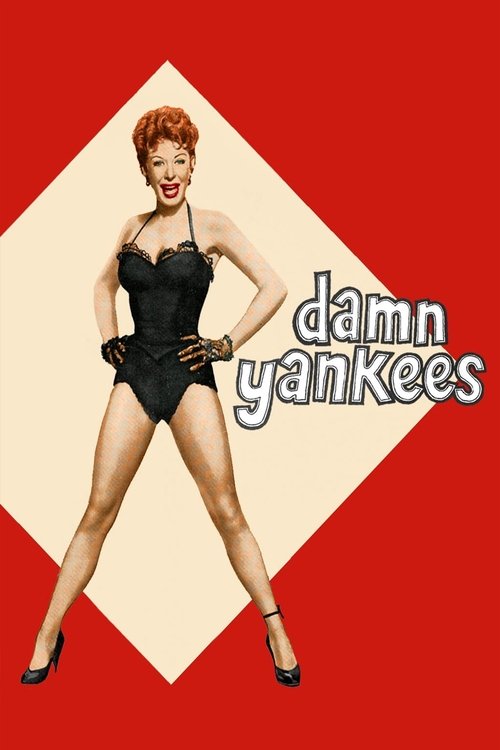
Damn Yankees1958
Both films use the mentorship narrative to hide a love story; both discover that changing someone reveals what you actually want.
The structure is identical—a mentor figures out that the person they're transforming means more to them than they thought—but here it's a Faustian baseball comedy with Gwen Verdon and Tab Hunter. The dancing is explosive and sexual in ways *Easter Parade* could never be.
But It's brasher and noisier, and the satire can feel heavy-handed. Baseball fandom helps but isn't required; the absence of it stings.
More like this (7)
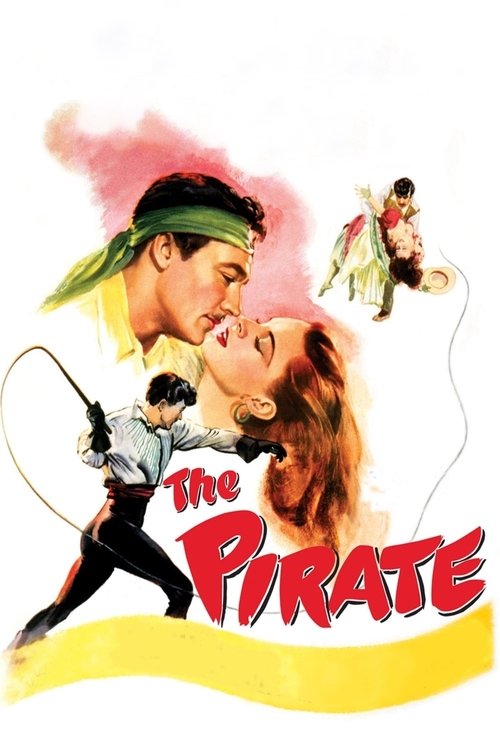
The Pirate1948
Judy Garland in her full power, swinging wildly between comedy and pathos in a wildly theatrical story. Gene Kelly directs and stars. It's utterly unhinged and genuinely moving.
But The tone is erratic—what works as mood-setting can feel indulgent fast. Some viewers find it exhausting rather than charming.
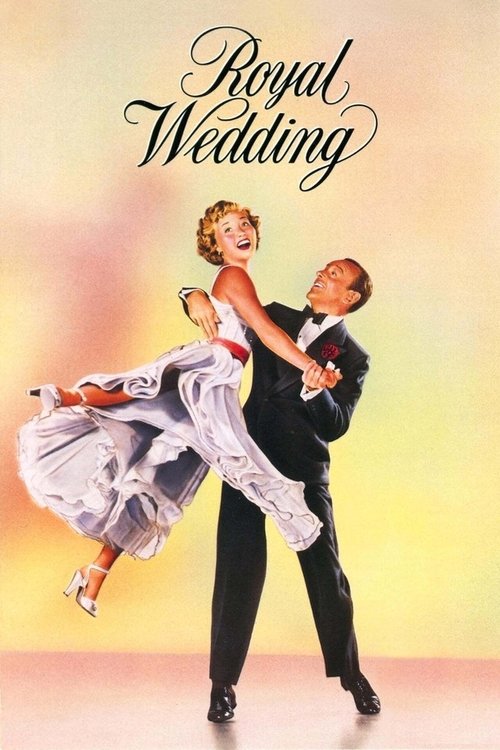
Royal Wedding1951
Fred Astaire in another romance-in-transformation narrative, with Jane Powell and a famous gravity-defying dance sequence that's genuinely astonishing. The melody work is exquisite.
But It's slighter than the best musicals—pretty to watch but emotionally thin. The supporting story is perfunctory.
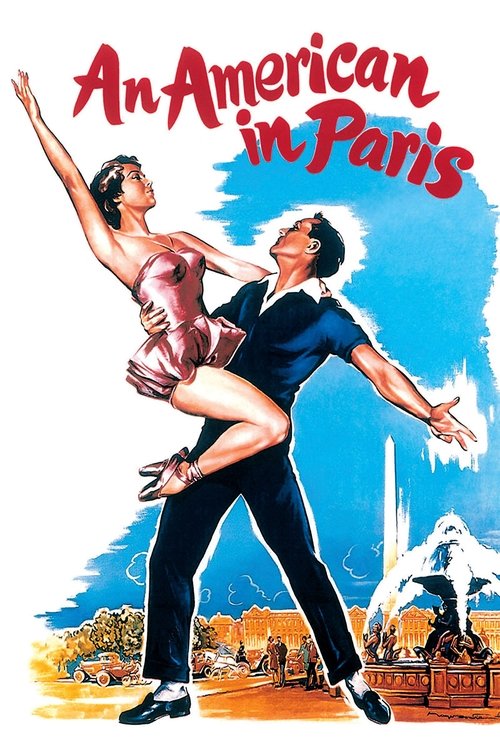
An American in Paris1951
A lavish, intelligent musical about art and ambition set against Paris. The dancing is extraordinary, the orchestration is sophisticated, and it won Best Picture for good reason.
But It's long, stately, and sometimes feels more like a painting than a story. The romance is secondary to the spectacle.
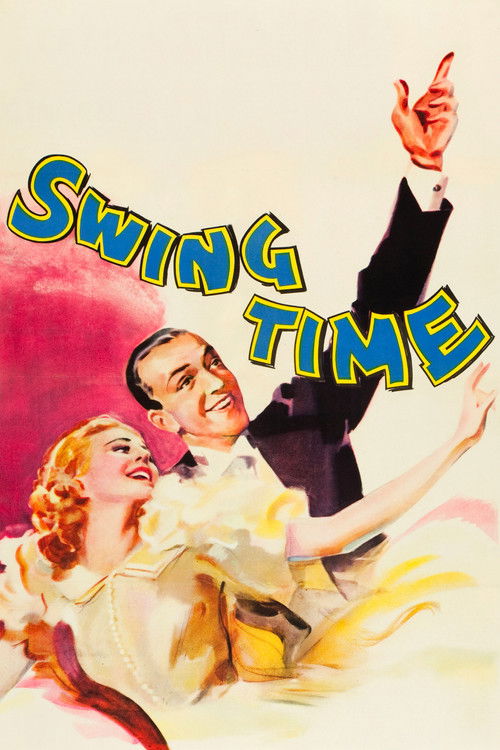
Swing Time1936
Astaire and Rogers at their most chemically perfect, with a plot about reinvention and the cost of ambition. The dancing is almost unbearably beautiful, and the film respects both of them.
But The racial politics and some supporting performances haven't worn well. It's a period piece in ways that can sting.
Pennies from Heaven1936
A Depression-era musical with real darkness underneath—it's about loss and survival, not just falling in love. Fred Astaire dancing to hopelessness is something you've never quite seen.
But The tonal whiplash between the songs and the story can feel jarring. Some find the sadness overwhelming.
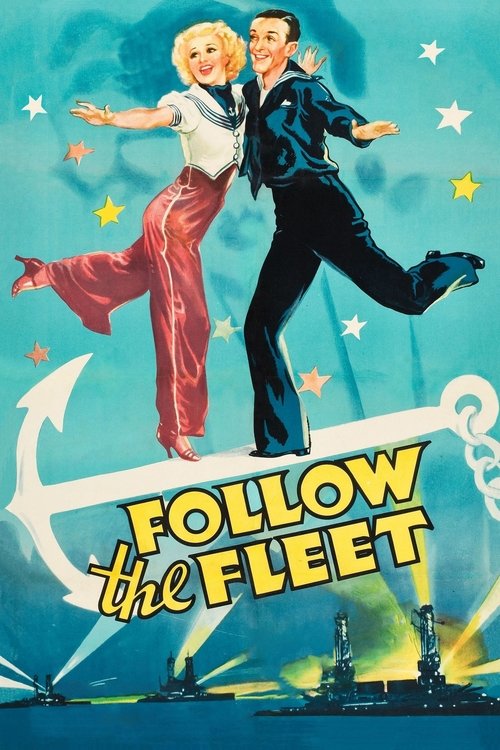
Follow the Fleet1936
A naval musical with Astaire and Rogers that's looser and friendlier than their formal masterpieces, with some of their warmest dancing. It's joy, essentially.
But It's frothy and slight—there's not much beneath the surface. Some numbers drag, and the story barely exists.
The Red Shoes1948
Both films believe that dance can tell truth that dialogue cannot, and both center on a performer's transformation. But *Red Shoes* asks what that transformation costs.
Made the same year as *Easter Parade*, this British ballet film uses dance as the engine of a tragedy about ambition and sacrifice. It's sumptuous, surreal, and devastating in ways Hollywood musicals weren't allowed to be.
But It's operatic and European—if you want bright tap dancing and one-liners, this is the opposite. It's also genuinely tragic, which some find too heavy for evening entertainment.

People
Cast
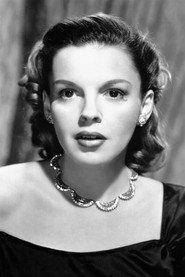 Judy GarlandHannah Brown
 Fred AstaireDon Hewes
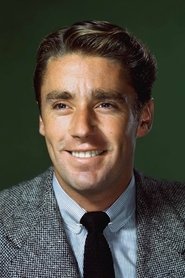 Peter LawfordJonathan Harrow III
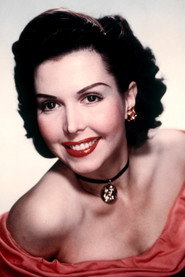 Ann MillerNadine Hale
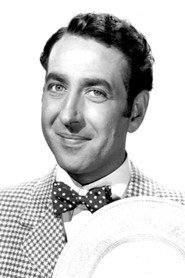 Jules MunshinFrançois
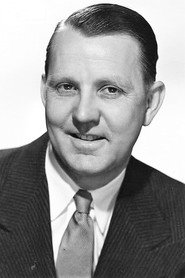 Clinton SundbergMike
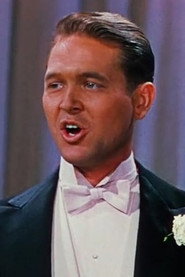 Richard BeaversSinger
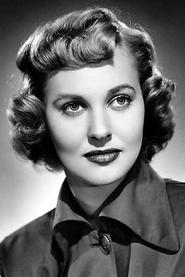 Lola AlbrightHat Model / Showgirl (uncredited)
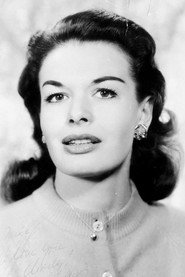 Shirley BallardShowgirl (uncredited)
- Edward BibyAudience Member (uncredited)
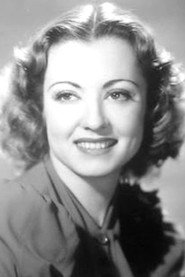 June Gale(uncredited)
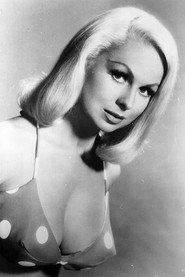 Joi LansingHat Model / Showgirl (uncredited)
Directing
- Wallace Worsley Jr.Assistant Director
- Charles WaltersDirector
- Carl RoupSecond Assistant Director
Writing
- Irving BerlinLyricist
- Albert HackettOriginal Story
- Frances GoodrichOriginal Story
- Albert HackettScreenplay
- Frances GoodrichScreenplay
- Sidney SheldonScreenplay
- Guy BoltonWriter
Production
- Arthur FreedProducer
Recommended by
Meet Me in St. Louis, White Christmas, The Pirate, On the Town, The Gay Divorcee, Shall We Dance, The Judy Garland Show, Abie's Irish Rose, State Fair, Show Boat, Holiday Inn, In the Good Old Summertime, That's Entertainment!, Ziegfeld Follies, Please Don't Eat the Daisies, Follow the Fleet, Born to Dance, Reveille with Beverly, Two Sisters from Boston, Daddy Long Legs, A Song Is Born, The Best Things in Life Are Free, The Harvey Girls, Lovely to Look At, Summer Stock, The Barkleys of Broadway, I Love Melvin, Living in a Big Way, Swing Parade of 1946, Follow the Boys, Strike Up the Band, Sweethearts, Three Little Words, Bells Are Ringing, Tropicana, Two Girls and a Sailor, Call Me Madam, Cover Girl, Lullaby of Broadway, Orchestra Wives, Springtime in the Rockies, Presenting Lily Mars, Summer Holiday, Good News, Higher and Higher, Best Foot Forward, Neptune's Daughter, Babes in Arms, Babes on Broadway, Broadway Melody of 1940, The Time, The Place and The Girl, Broadway Melody of 1936, Holiday in Mexico, Down Argentine Way, There's No Business Like Show Business, Let's Make Music, Keeping Company, Broadway Melody of 1938, Music for Millions, Thousands Cheer, Down to Earth, Dance Hall, The Belle of New York, Hello, Frisco, Hello, A Date with Judy, Life Begins for Andy Hardy, The Story of Vernon and Irene Castle, Coney Island