
Film
Dance Hall
- Romantic comedy
- Light-hearted
A breezy 1941 musical romance that trades on the charm of its cast rather than plot sophistication. Carole Landis plays a singer caught between a smooth-talking dance hall manager and a earnest composer. It's the kind of film that knows exactly what it is: a vehicle for music, wisecracks, and the pleasure of watching attractive people flirt. Lean, unpretentious, fun.
If you liked this
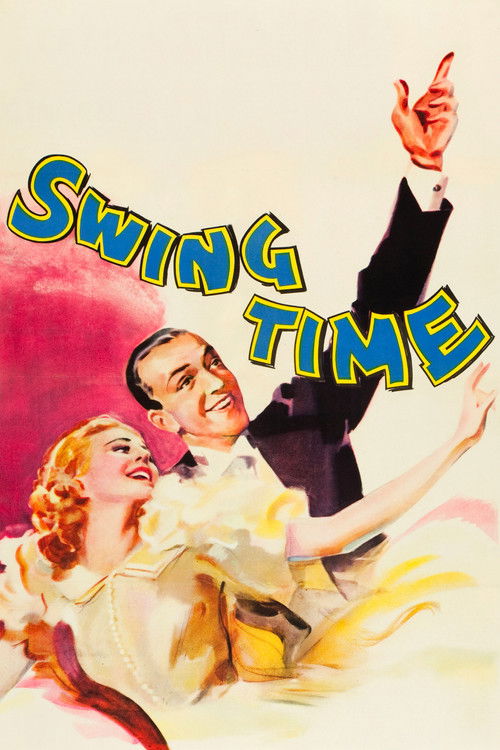
Swing Time1936
Fred Astaire and Ginger Rogers at their peak, with Cole Porter songs and a plot so slight it barely matters. The dancing is the point, and the point is perfect. You watch this for joy.
But If you don't care about dance, 103 minutes of plot-lite romance may feel thin. The gender dynamics are very much of its era.
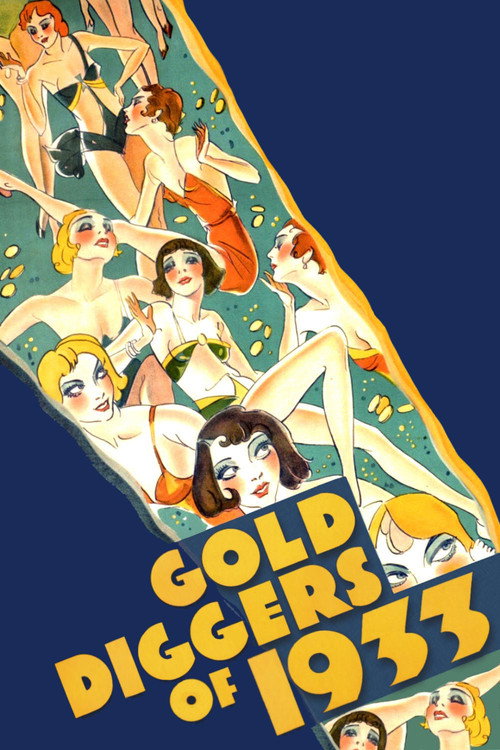
Gold Diggers of 19331933
Depression-era musical with real humor, genuine sexual tension between the leads, and Busby Berkeley choreography that still astonishes. It understands what audiences actually want from a musical comedy.
But The plot is negligible and the pace uneven. Some of the comedy now lands as broad or uncomfortable.
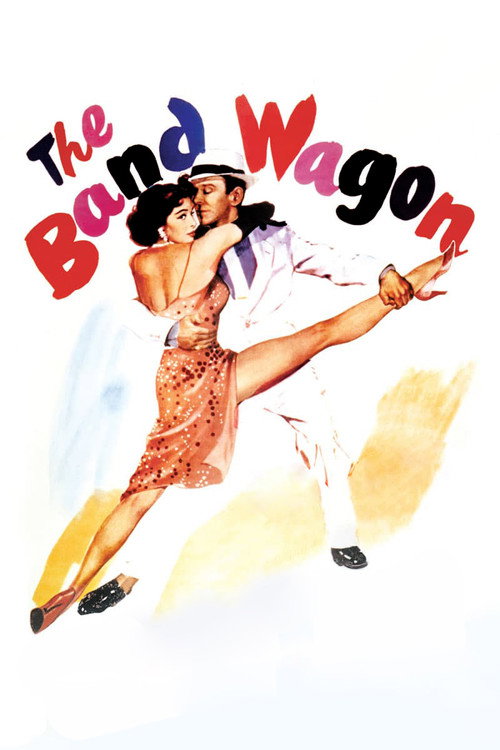
The Band Wagon1953
Astaire again, but with Cyd Charisse and better songs. It's a love letter to Broadway wrapped in a love story wrapped in dance. Sophisticated, witty, endlessly rewatchable.
But The central romance is secondary to the musical numbers, which won't appeal if you want character development over spectacle.
Not sure tonight? Get a pick in a minute, starting from Dance Hall
The wildcard
Something you would not have found on your own.
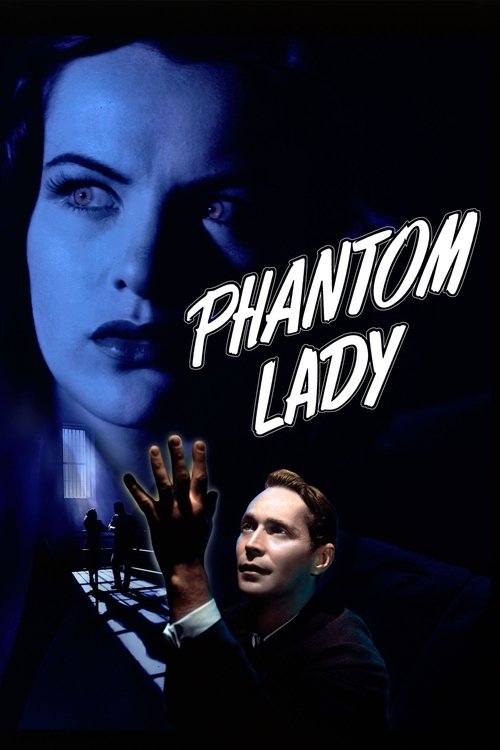
Phantom Lady1944
Both are 1940s Hollywood entertainments, but this one chose shadow and suspense over wisecracks and waltzes—proof the same studio system could make wildly different things.
Film noir with Ella Raines and Franchot Tone, where a woman proves her boyfriend innocent of murder. It's tense, visually stunning, and genuinely erotic—the drum solo scene is extraordinary. Same era, entirely different temperature.
But It's dark and sometimes brutal in ways 1941 musicals never are. The pacing can feel uneven to modern viewers used to faster cutting.
More like this (8)
Singin' in the Rain1952
Gene Kelly, Donald O'Connor, and a script that actually has something to say about Hollywood and artistic integrity. It's the musical that transcends the form because it understands the form completely.
But It's so beloved that expectations can work against you. And if you don't connect with the lead performances, there's not much else to grab onto.

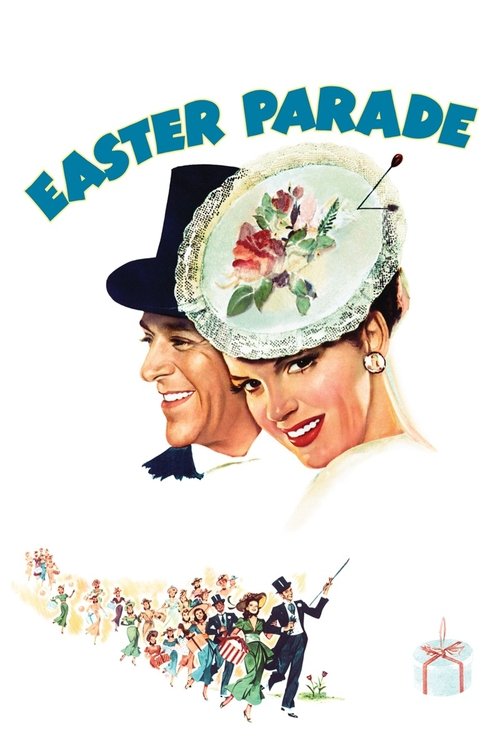
Easter Parade1948
Astaire with Judy Garland instead of Rogers, Irving Berlin songs, and a lighter touch than you'd expect. The chemistry is different but real, and the film enjoys its own frivolousness.
But It's essentially a series of musical numbers connected by the thinnest plot. The supporting cast is forgettable.
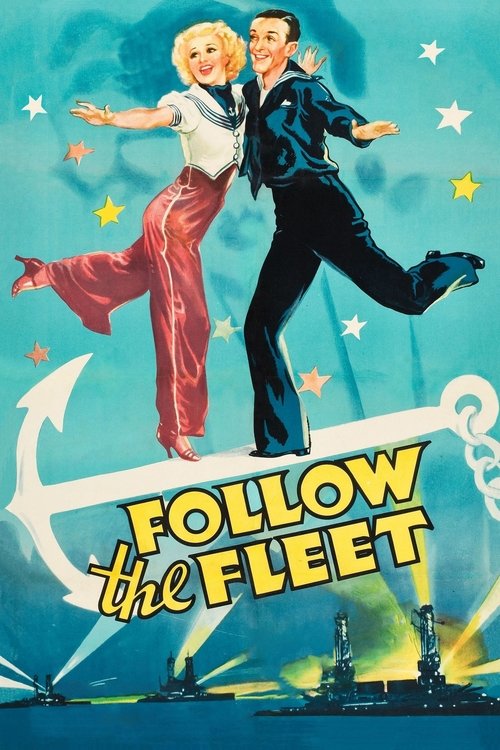
Follow the Fleet1936
Astaire and Rogers as a dancing sailor and the girl he left behind. It's looser and warmer than their harder-edged vehicles, with excellent Berlin songs and genuine romantic warmth.
But The film around the dancing is genuinely slack. The patriotic naval subplot is well-intentioned but dragging.
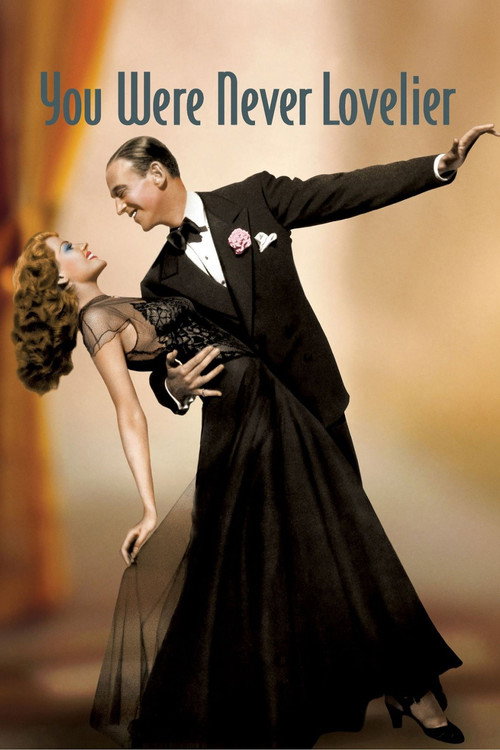
You Were Never Lovelier1942
Rita Hayworth and Fred Astaire with Jerome Kern songs. Lush, romantic, beautifully shot, and the dancing has real passion. It's more interested in romance than comedy but that's no bad thing.
But It's slow by modern standards and the plot is pure nonsense. Hayworth's singing was dubbed, which dulls some moments.
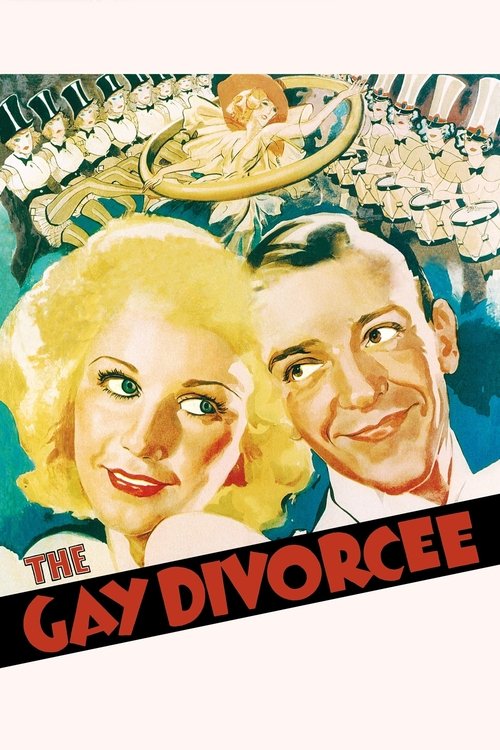
The Gay Divorcee1934
Astaire and Rogers' first film together, dancing to Cole Porter in a plot about mistaken identity. It's the chemistry test that changed cinema. Sparkling, witty, alive.
But The comedy now reads as dated and the female lead is sidelined more than you might expect. The first half is plot-heavy and slow.
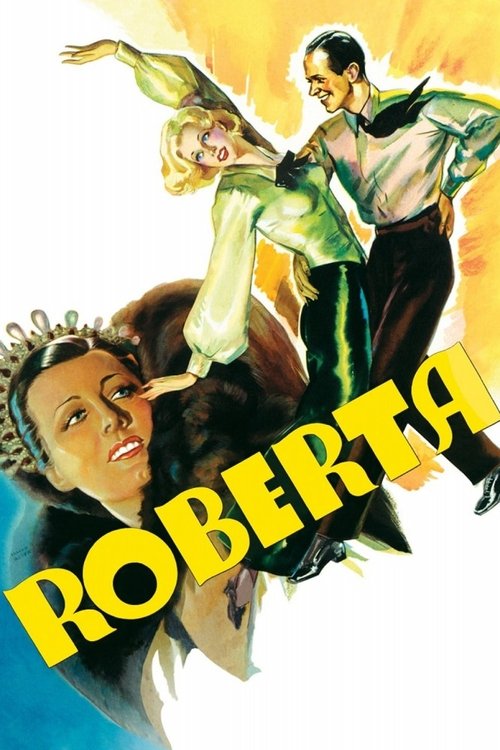
Roberta1935
Astaire and Rogers in a fashion-world romance with Jerome Kern songs. It's lighter and more genuinely funny than you'd expect, with excellent supporting comedians and real style.
But The plot is genuinely confusing and the pacing meanders. The fashion elements feel like they're from a different, duller film.
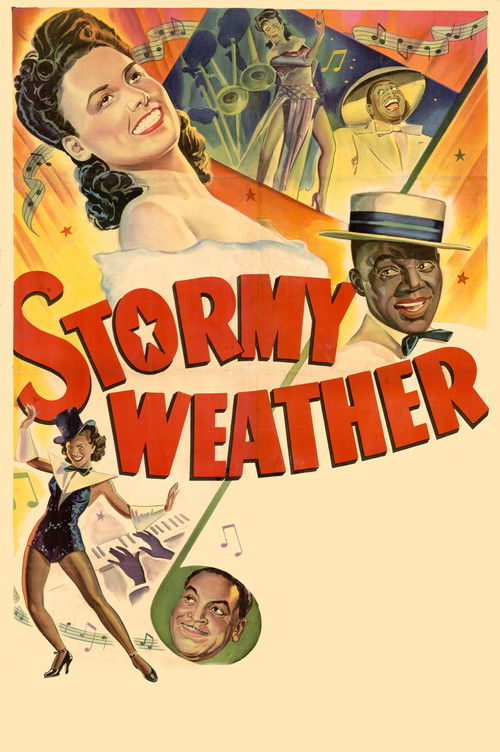
Stormy Weather1943
Same decade, same medium, same dreams of talent and stardom—but made by and for a different audience, with different stakes and a different kind of magic.
Lena Horne and Bill Robinson in a musical revue that is essentially a greatest-hits of Black entertainment. It's visually stunning, the dancing is incandescent, and it crackles with energy Dance Hall never reaches.
But It's structured as a series of performance pieces rather than a plot, which some find frustrating. The framing story is thin and sometimes uncomfortable by modern eyes.
The Red Shoes1948
Both stories trap women between two men, but this one refuses the happy ending—it asks what art actually costs, making Dance Hall's cheerful resolution feel like a different kind of story entirely.
Powell and Pressburger's masterpiece about a dancer torn between love and art. The final seventeen-minute ballet is the most beautiful sequence ever filmed. It's what happens when you take dance deadly seriously.
But It's a serious tragedy dressed in beauty, not a light romance. The pacing is deliberate. If you want entertainment, not art, this demands too much.

People
Cast
 Carole LandisLili Brown
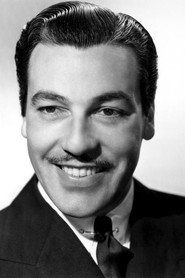 Cesar RomeroDuke McKay
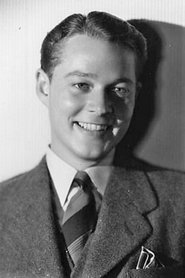 William HenryJoe Brooks
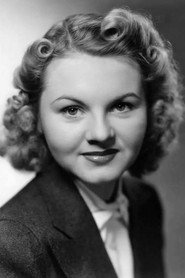 June StoreyAda
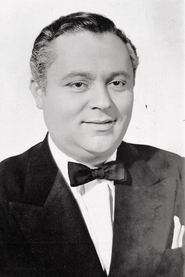 J. Edward BrombergMax Brandon
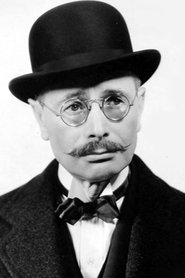 Charles HaltonMr. Frederick Newmeyer
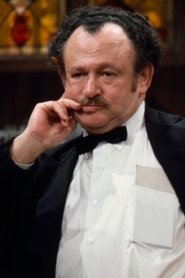 Shimen RuskinCharles 'Limpy' Larkin
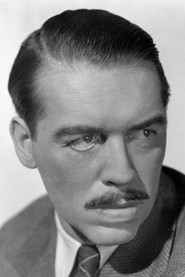 William HaadeMoon
- Trudi MarsdonVivian
- Russ ClarkCook
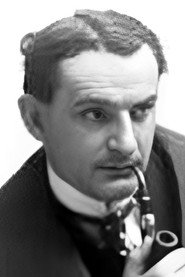 Frank FanningTurnkey
 Bonnie BannonWoman
Directing
- Irving PichelDirector