
Film
Gold Diggers of 1933
A Depression-era musical comedy where three showgirls con a wealthy man to save their Broadway show. It's bright, fast-talking, and genuinely funny—the pre-Code wit crackles. Musical numbers are integrated into the story rather than stopping it dead. Perfect for anyone who thinks old musicals are stuffy: this one fizzes with energy and female scheming.
Should you watch it?
Watch it if you like snappy, wisecracking backstage comedy where the songs arrive as bursts of showmanship and Depression hardship is met with a joke and a shrug.
Skip it if you need a smooth, modern musical; the story is thin, the romance plot is perfunctory, and the rough, old-studio energy can feel creaky.
What it asks of you: Ninety-seven minutes that move briskly, switching between wisecracks and staged numbers, and it asks you to accept stagey artifice and a light touch on hard times.
Not sure? Find tonight's pick in a minute.
If you liked this
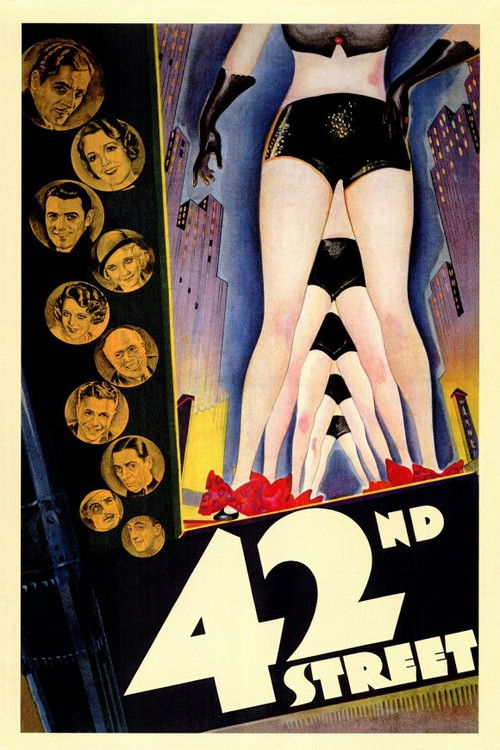
42nd Street1933
The spiritual companion to Gold Diggers: another 1933 musical about putting on a show during hard times. Busby Berkeley's kaleidoscopic choreography is astonishing, and the backstage drama feels surprisingly real.
But If you want a tight plot, the story is thin and sometimes stops dead for production numbers. The pacing feels strange to modern eyes.
Singin' in the Rain1952
The gold standard of movie musicals: witty, confident, and genuinely joyful. Gene Kelly, Donald O'Connor, and Debbie Reynolds have chemistry that crackles, and the songs are instantly memorable.
But It's so beloved and frequently broadcast that it can feel overfamiliar. Some find the tone relentlessly upbeat rather than substantive.

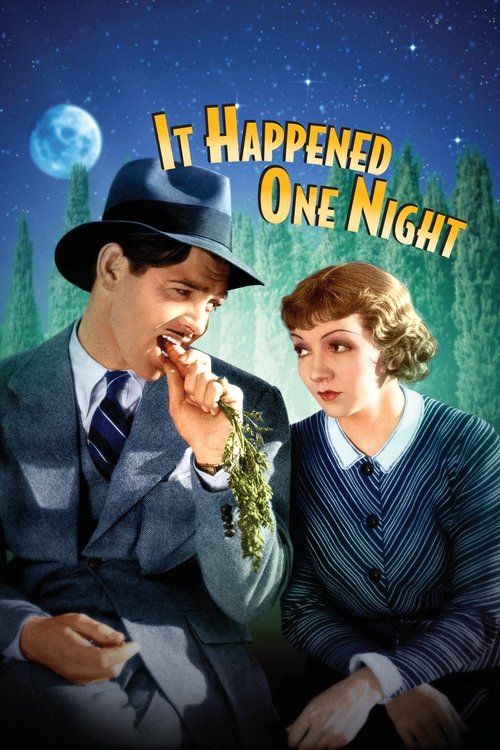
It Happened One Night1934
Made just a year after Gold Diggers, this romantic comedy has the same scrappy Depression energy and rapid-fire dialogue. Clark Gable and Claudette Colbert are terrific together, and it's endlessly inventive.
But The romance unfolds slowly if you're expecting constant movement. Some dated attitudes toward gender dynamics will feel uncomfortable.
Not sure tonight? Get a pick in a minute, starting from Gold Diggers of 1933
The wildcard
Something you would not have found on your own.
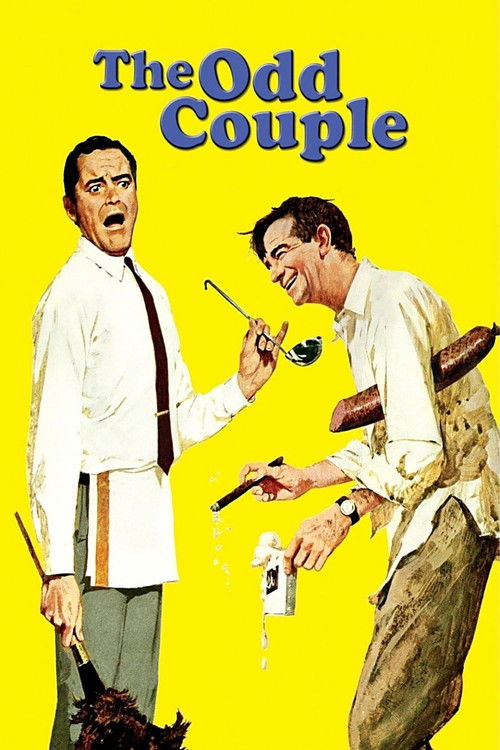
The Odd Couple1968
Both films are built on the mechanics of con artists and misfits improvising their way through financial desperation using charm and quick thinking. The comedy comes from watching smart people talk their way out of trouble.
Neil Simon adapted his own play, and it captures that same rapid-fire, rhythmic dialogue where characters volley jokes at each other. The mismatched pair scheme and bicker their way through life on limited means, just with different stakes and sensibilities.
But It's deeply of the 1960s in ways that haven't always aged well. The marital attitudes and gender dynamics feel constrained by their era.
More like this (8)
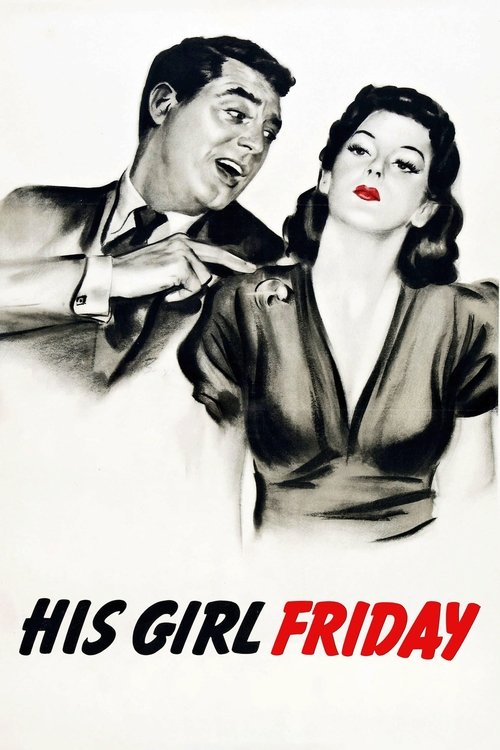
His Girl Friday1940
Rapid-fire, witty, and deeply funny—the verbal energy matches Gold Diggers exactly. Cary Grant and Rosalind Russell trade insults and flirtation so quickly you might miss a line if you blink.
But The overlapping dialogue and breakneck pace can be exhausting rather than exhilarating if you're not in the mood for it.
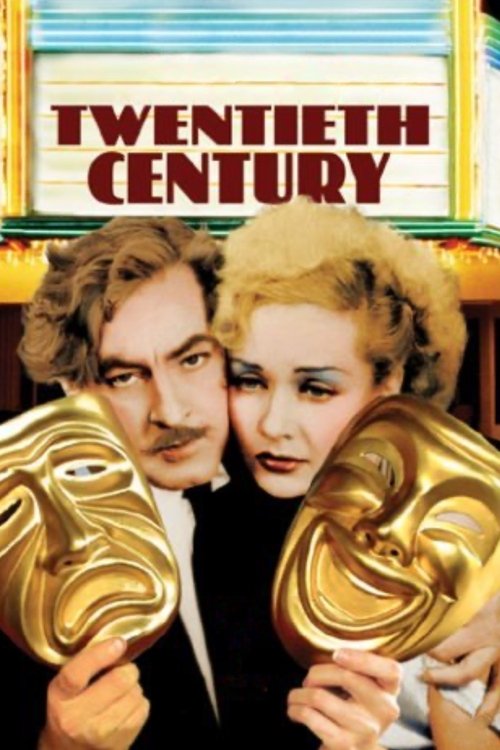
Twentieth Century1934
Another screwball from the same era: theatre people, grand absurdity, and Carole Lombard at her unhinged best. It's chaotic in the best way—characters behaving badly and hilarious.
But The plot is deliberately silly and repetitive. If you need a story with stakes, this won't deliver them.
The Philadelphia Story1940
Cary Grant, James Stewart, and Grace Kelly sparring over money, love, and class. It's elegant and funny, with a script so crisp you could cut yourself on it.
But The wealthy characters solving their problems feels disconnected from actual struggle. Some find it too breezy about serious subjects.

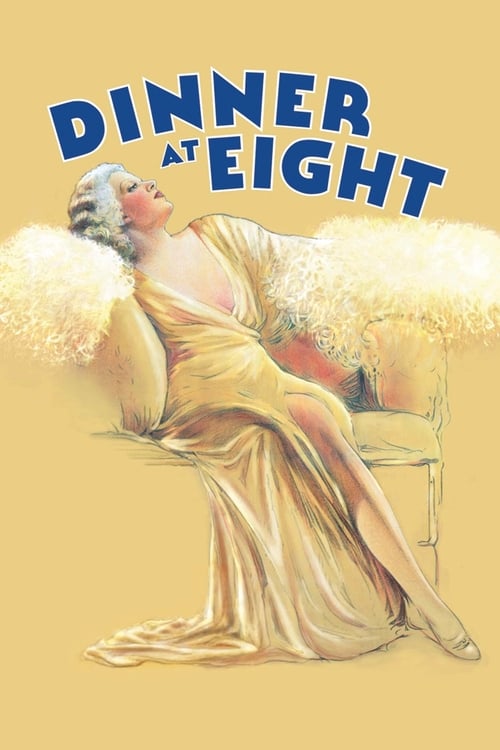
Dinner at Eight1933
An all-star ensemble comedy-drama where everyone's secrets collide before a dinner party. The dialogue is sharp, the cast is extraordinary, and it captures the mixture of comedy and real anxiety that Gold Diggers balances.
But Multiple storylines mean no single character dominates, which some find scattered rather than engaging.
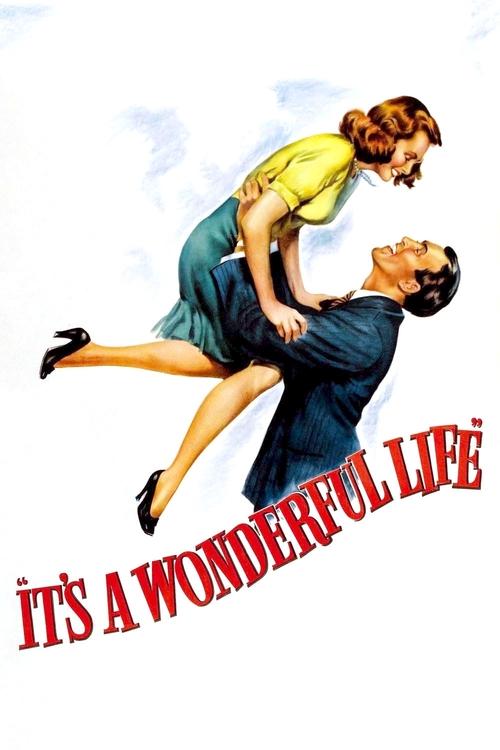
It's a Wonderful Life1946
Frank Capra captures that same Depression-era warmth and ingenuity—ordinary people doing extraordinary things to help each other. It has both the humor and the heart that Gold Diggers contains.
But It's been sentimentalized into ubiquity. The earnestness can feel suffocating if you approach it cynically.
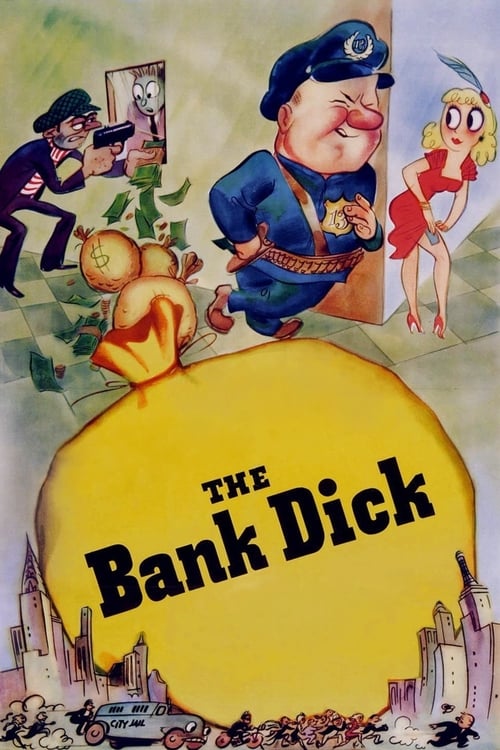
The Bank Dick1940
W.C. Fields at his most cantankerous and inventive, scheming through Depression-era small-town life with anarchic energy. It's looser and weirder than Gold Diggers but shares the resourceful-underdog spirit.
But Fields' persona dominates entirely; there's no plot, just chaos. If you need narrative structure, you'll find it frustrating.
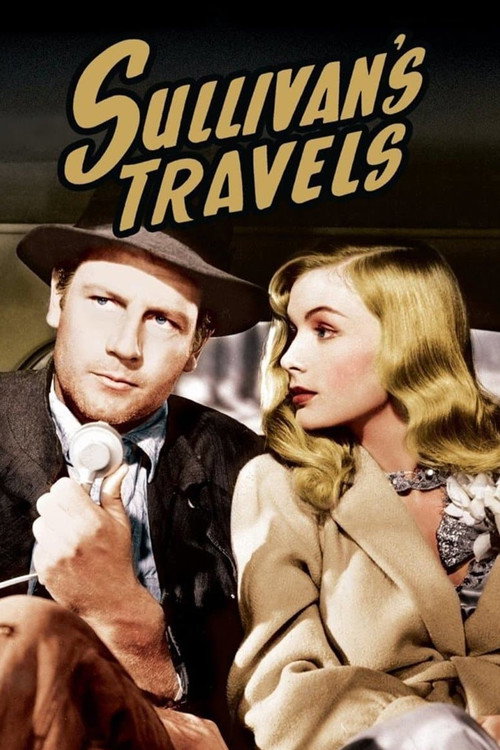
Sullivan's Travels1941
Both films are love letters to performance and theatre as survival tools for the desperate. They argue that making people laugh isn't frivolous—it's essential. Gold Diggers does it lightly; Sullivan's Travels makes it an argument.
Preston Sturges made a film about a director who leaves Hollywood to experience real poverty, only to get tangled in actual consequences. It's funny, complex, and argues passionately for the exact value of escape that Gold Diggers provides—that entertainment matters.
But It shifts tone significantly in the second half, moving from comedy into darker territory. Some find the tonal shift jarring rather than deepening.
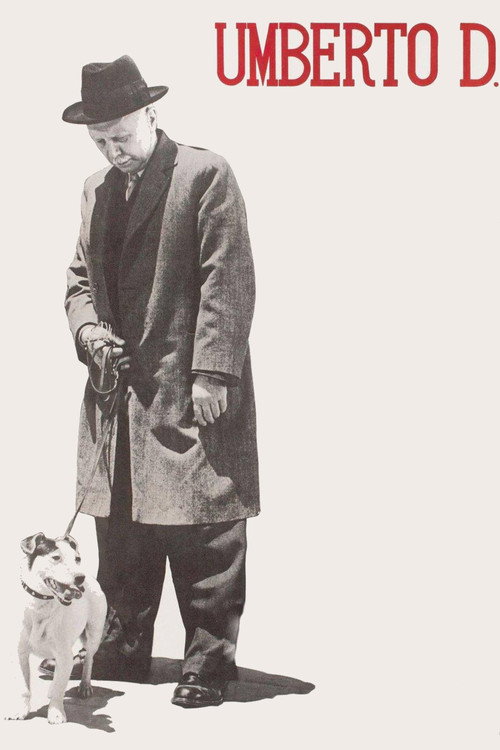
Umberto D.1952
Both were made in eras of acute economic crisis. Gold Diggers dances around survival; Umberto D. shows what survival actually looks like for someone without youth, connections, or marketable charm. They're the same historical moment seen from entirely different angles.
A brutal Italian neorealist film about an elderly pensioner and his dog surviving the streets of Rome on almost nothing. It has zero musicality and no jokes—yet it's spiritually the Depression film Gold Diggers could never be. Both show the same era through opposite lenses.
But It's slow, bleak, and offers no comfort. Watching genuine poverty without irony or resolution is difficult. Nothing is resolved or escaped.
People
Cast
 Warren WilliamLawrence
 Joan BlondellCarol
 Aline MacMahonTrixie
 Ruby KeelerPolly
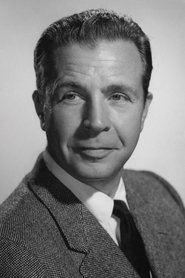 Dick PowellBrad
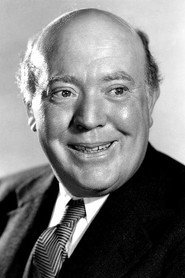 Guy KibbeePeabody
 Ned SparksBarney

 Etta Moten'Remember My Forgotten Man' Singer (uncredited)
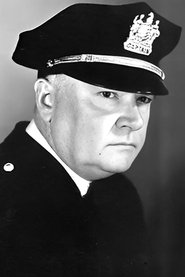 Charles Cahill WilsonDeputy (uncredited)
 Busby BerkeleyCall Boy (uncredited)
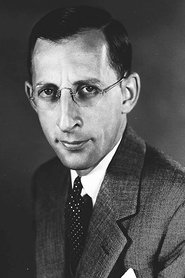 Charles LaneSociety Reporter (uncredited)
Directing
- Mervyn LeRoyDirector
- Arthur LuekerSecond Assistant Director
Writing
- Ben MarksonDialogue
- David BoehmDialogue
- Al DubinLyricist
- Harry WarrenLyricist
- Erwin S. GelseyScreenplay
- James SeymourScreenplay
- Avery HopwoodTheatre Play
Production
- Raymond GriffithAssociate Producer
- Jack L. WarnerProducer
- Robert LordProducer
- Robert LordProduction Supervisor
Recommended by
The Broadway Melody, 42nd Street, Footlight Parade, Bombshell, Pigskin Parade, Dames, Flying Down to Rio, Reckless, Here Comes the Band, Ziegfeld Girl, Moon Over Miami, I'm No Angel, Goin' to Town, We're Not Dressing, Palmy Days, Sweet Adeline, Cab Calloway's Hi-De-Ho, Dance Hall, The Greeks Had a Word for Them, Sunny, Whoopee!, Sing Me a Love Song