
Film
We're Not Dressing
- Comedy
- Light-hearted
A 1934 musical comedy where high-society snobs shipwrecked on an island learn to depend on a resourceful, charming sailor. Bing Crosby sings, everyone bickers, and the plot resolves exactly as you'd expect—but the cast's chemistry and snappy dialogue make the familiar formula feel effortless. It's pure escapism: short, cheerful, and designed to make you smile without demanding much in return.
If you liked this
It Happened One Night1934
Capra's screwball masterpiece about class collision and romance between a reporter and a runaway heiress. Released the same year, it perfected the formula that We're Not Dressing playfully dabbles in.
But The pacing feels leisurely by modern standards, and some of the Depression-era gender dynamics read oddly now.

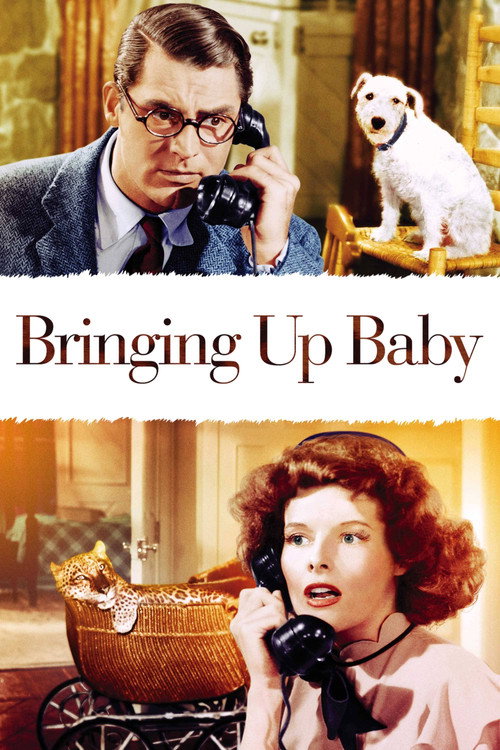
Bringing Up Baby1938
Hawks' anarchic comedy with Cary Grant and Katharine Hepburn, where chaos and wit never stop colliding. Same DNA as We're Not Dressing—smart people made stupid by circumstance and desire.
But It's controlled pandemonium; if you find slapstick exhausting, this will tire you out.
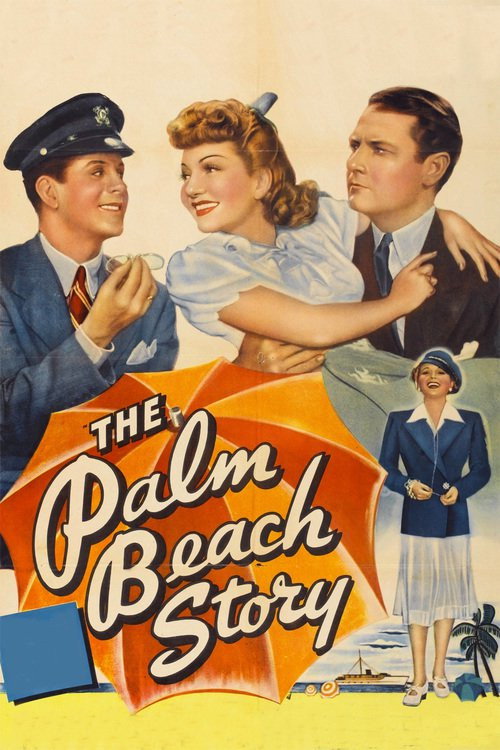
The Palm Beach Story1942
Preston Sturges's witty, fast-talking romp about marriage, money, and tropical escapes. The dialogue sparkles, the absurdity is intentional, and Joel McCrea and Claudette Colbert are sublime together.
But Sturges moves so fast that some jokes disappear before you've quite landed on them.
Not sure tonight? Get a pick in a minute, starting from We're Not Dressing
The wildcard
Something you would not have found on your own.
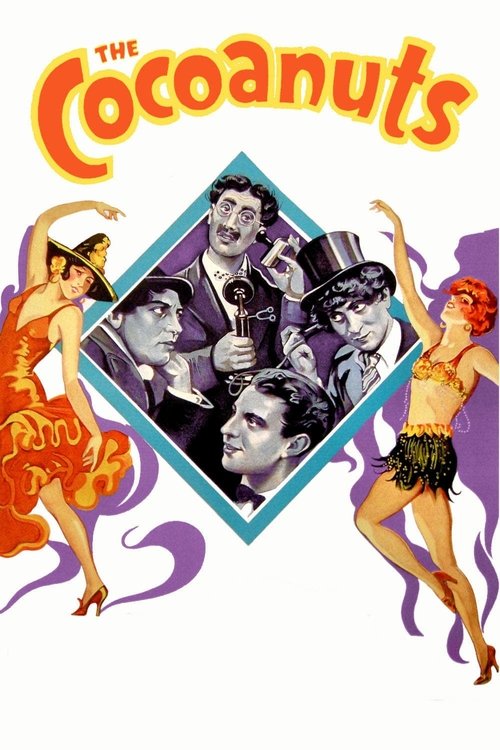
The Cocoanuts1929
Both are musical comedies built around an exotic escape fantasy, but where We're Not Dressing is orderly chaos, this is pure disorder—the Marx Brothers as proof that comedy didn't need logic to work.
Marx Brothers' first film, where Groucho, Chico, and Harpo wreak havoc on a Florida resort. The anarchic energy and disregard for plot logic make it feel from another planet—yet it shares We're Not Dressing's escape fantasy and resort setting.
But The pacing is chaotic, dialogue often overlaps indecipherably, and the slapstick can feel aimless. It's also in primitive early sound, which takes adjustment.
More like this (8)
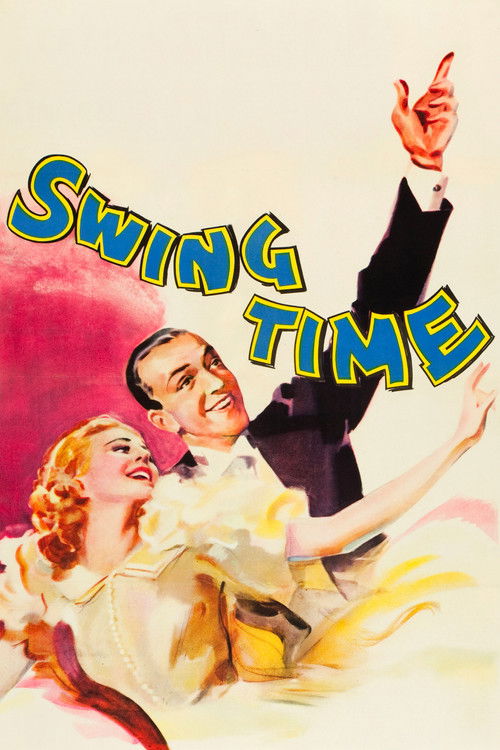
Swing Time1936
Astaire and Rogers at peak form, with songs and dances that justify every minute. If you love Crosby's musical numbers, you need to see how dance can function as plot.
But It's a backstage musical, so plot takes a backseat to spectacle. If you're indifferent to dance, it won't convert you.
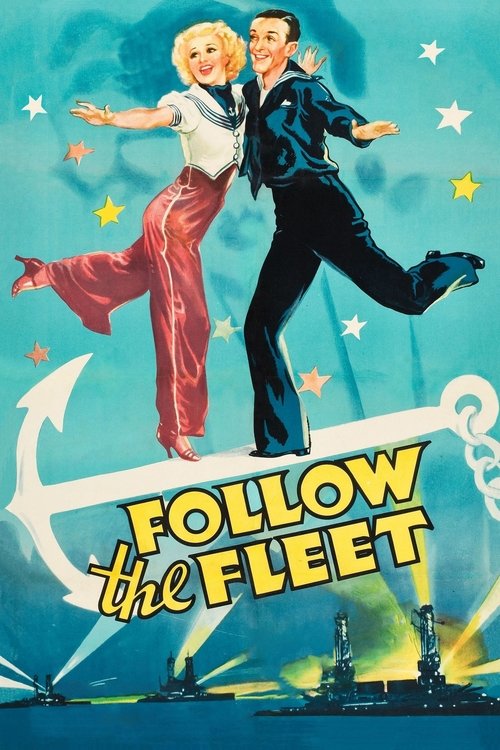
Follow the Fleet1936
Another Astaire-Rogers musical with a military/seafaring setting. It has the same breezy charm and musical interludes, plus genuine warmth beneath the tap-dancing.
But The romantic subplot is thin even by 1930s standards, and it occasionally feels like filler between dances.
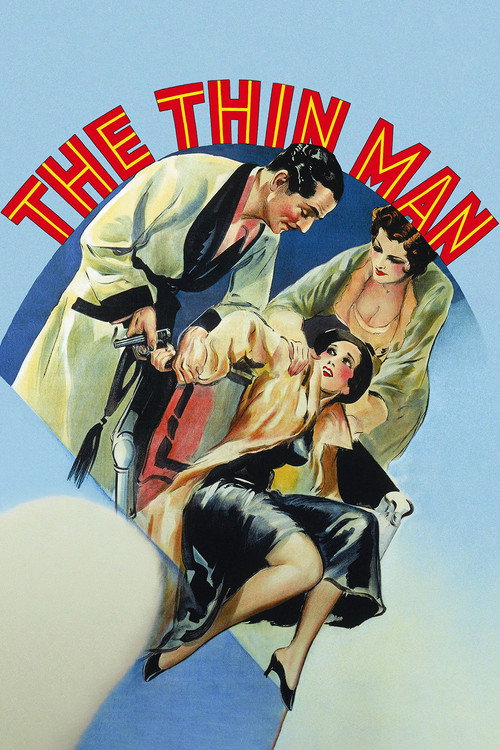
The Thin Man1934
Witty murder mystery with William Powell and Myrna Loy as a married couple solving crimes. The dialogue crackles with the same screwball energy and sophisticated charm as We're Not Dressing.
But If you're after straightforward mystery logic, the plot's twists can feel convenient or muddled.
Gold Diggers of 19331933
Warner Bros. musical about chorus girls and gold-digging schemes, with Berkeley's famous production numbers. It captures the same Depression-era optimism and musical exuberance.
But The plot is paper-thin, and some of the humor relies on stereotypes that haven't aged well.

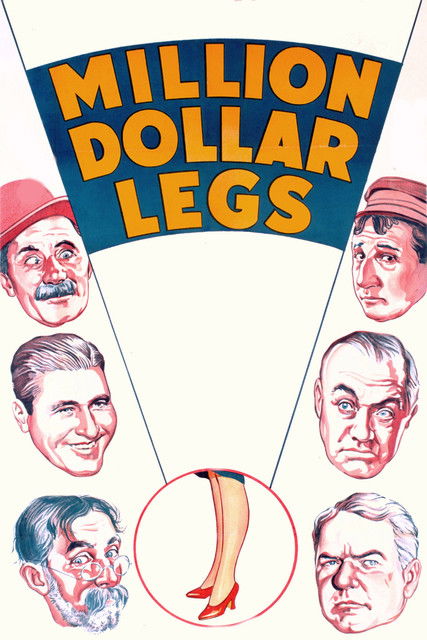
Million Dollar Legs1932
W.C. Fields leads this absurdist sports comedy that's surreal and funny in ways most 1930s comedies aren't. Pure comedic anarchy dressed up as Olympic hijinks.
But The surrealism means plot coherence isn't a priority; it's bewildering if you need narrative logic.
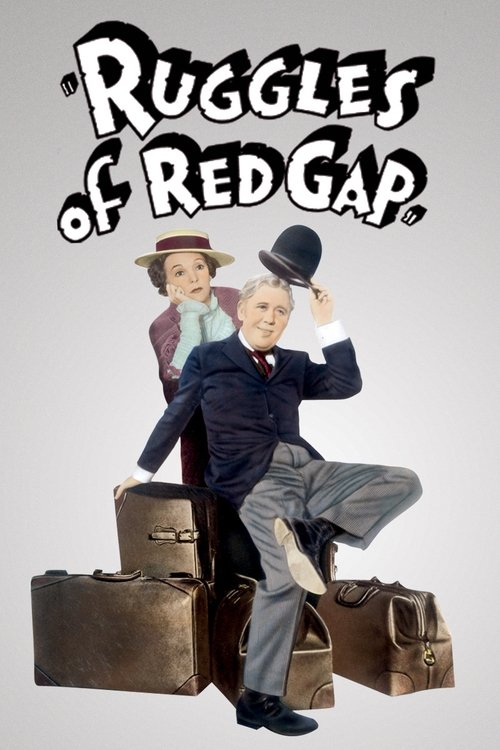
Ruggles of Red Gap1935
Charles Laughton as a proper English valet transplanted to the American frontier. A gentler comedy about class and belonging, with warmth and genuine character development beneath the humor.
But It's slower and more sentimental than We're Not Dressing, and the humor is dryer and less frequent.
Singin' in the Rain1952
Both believe in the power of a good song to make an impossible situation bearable, but Singin' in the Rain perfected what We're Not Dressing only sketched—turning a musical number into the very reason for the film's existence.
Gene Kelly and Donald O'Connor in Hollywood's greatest musical, where the dancing isn't decoration but the whole point. The joy is infectious, the execution flawless, and it towers over every musical ever made.
But If the 1930s charm of Crosby's era matters to you, this 1952 Technicolor extravaganza will feel too polished and modern.

Cast Away2000
Both hinge on survival and the gap between the practical and the privileged, but We're Not Dressing resolves that gap through charm and romance, while Cast Away insists it's a genuine trial that changes you fundamentally.
Tom Hanks alone on an island, learning survival skills and fighting despair. It takes the shipwreck premise seriously—stranded-on-island but with all lightness removed, forcing you to feel the weight of isolation and resourcefulness.
But It's deliberately bleak and repetitive; there's minimal dialogue and no humor to cushion the loneliness. If you want We're Not Dressing's warmth, this is its anti-thesis.

People
Cast
 Bing CrosbyStephen Jones
 Carole LombardDoris Worthington
 George BurnsGeorge
 Gracie AllenGracie
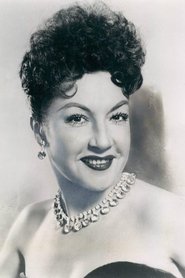 Ethel MermanEdith
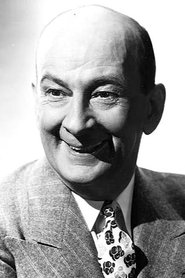 Leon ErrolHubert
 Ray MillandPrince Michael (as Raymond Milland)
- Jay HenryPrince Alexander
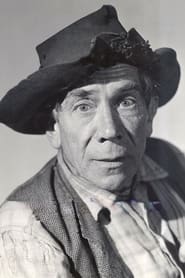 Ernie AdamsSailor Tossing Cards (uncredited)
 Sam AshCaption of the Trona (uncredited)
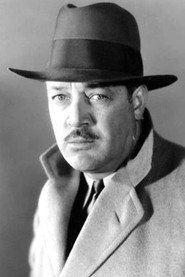 Stanley BlystoneShip's Officer on the Doris (uncredited)
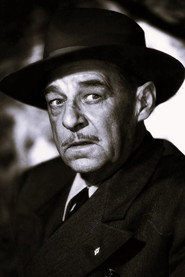 Al BridgeShip's Officer in Rescue Party (uncredited)
Directing
- Norman TaurogDirector
Writing
- Francis MartinScreenplay
- George Marion Jr.Screenplay
- Horace JacksonScreenplay
- Benjamin GlazerStory
- Walton Hall SmithStory
Production
- Joe EgliCasting Assistant
- Mel BallerinoCasting Assistant
- Fred A. DatigCasting Director
- Emanuel CohenExecutive Producer
- Benjamin GlazerProducer