
Film
Ruggles of Red Gap
- Comedy
- Light-hearted
A proper English butler gambled away to an American cattle baron must navigate the frontier West in 1935. It's a gentle, witty collision of manners and informality—sentimental without turning syrupy, funny without cheap shots. Charles Laughton brings dignity and pathos to a man learning that American chaos might contain something worth having. A film about belonging for people who feel foreign everywhere.
If you liked this
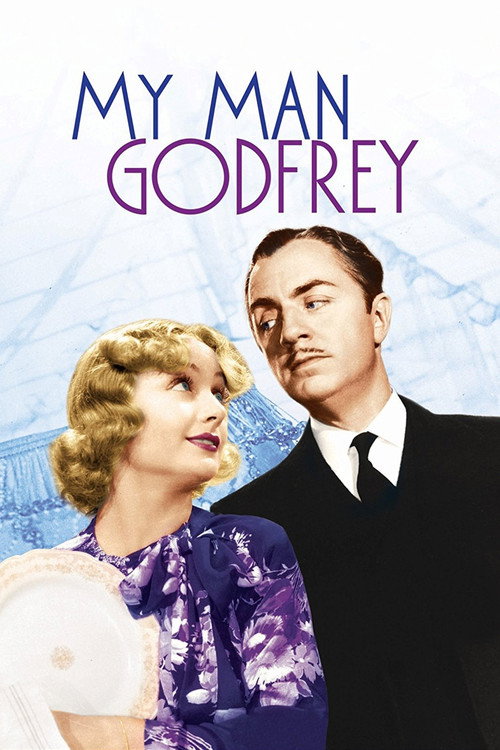
My Man Godfrey1936
A screwball comedy about class and kindness, built on the same principle: a outsider disrupts a household and everyone gets better. Carole Lombard is radiant, William Powell is impeccable, and the script knows exactly when to turn sincere.
But Screwball can feel dated fast—the rapid-fire delivery wears thin if you're not in the mood, and some romantic plot mechanics feel creaky now.
It Happened One Night1934
A runaway heiress and a cynical reporter, crossing class lines and falling in love. The screenplay is immaculate, the chemistry electric, and it has that same warmth underneath the banter that makes *Ruggles* so enduring.
But It's very much a product of its era—the gender politics and the newspaper-man archetype feel more stuck in 1934 than *Ruggles* does.

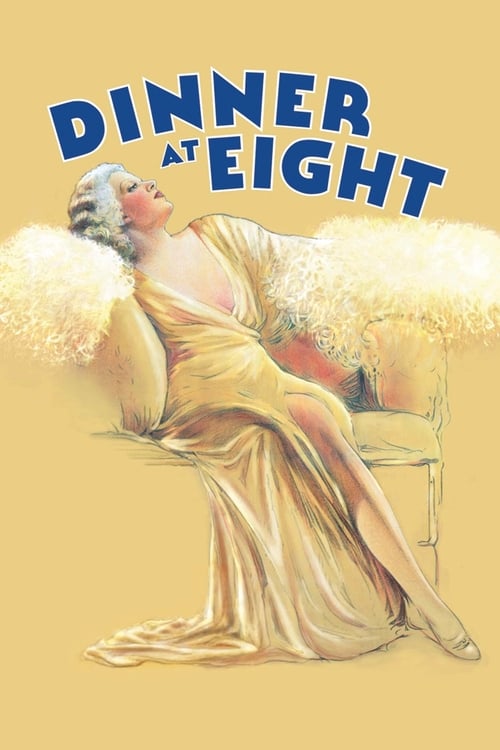
Dinner at Eight1933
Ensemble comedy about collision and pretense, with a cast of characters rubbing against each other. It's sharper and more cynical than *Ruggles*, but shares that fascination with what happens when people from different worlds collide at a table.
But Darker in tone and much less romantic. If you want the warmth of *Ruggles*, this substitutes acidity.
Not sure tonight? Get a pick in a minute, starting from Ruggles of Red Gap
The wildcard
Something you would not have found on your own.
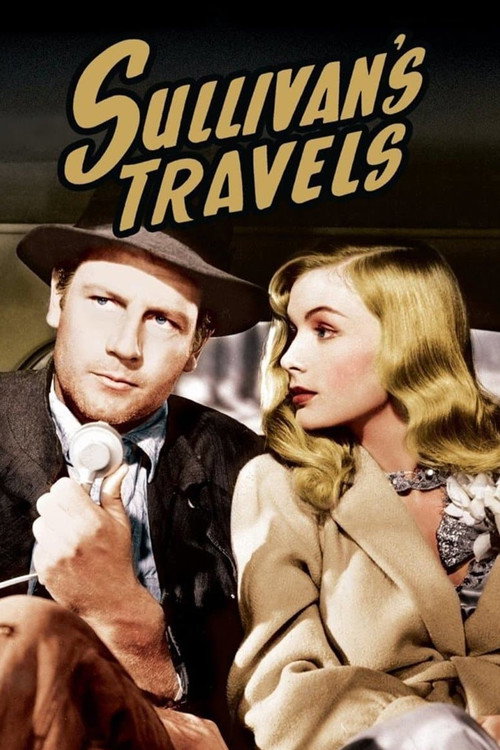
Sullivan's Travels1941
Both are about discovering that formality and class are masks, and that real belonging comes from being truly seen. Both use comedy to explore something genuine underneath.
Preston Sturges made a film about a Hollywood director who pretends to be poor to understand suffering, then accidentally becomes poor for real. It's *Ruggles* inverted and turbocharged—same theme of class and genuine connection, but darkly funny and more ambitious.
But The tonal shifts are dramatic; it starts as screwball and ends as something close to tragedy. Some find the second half unsettlingly serious.
More like this (8)
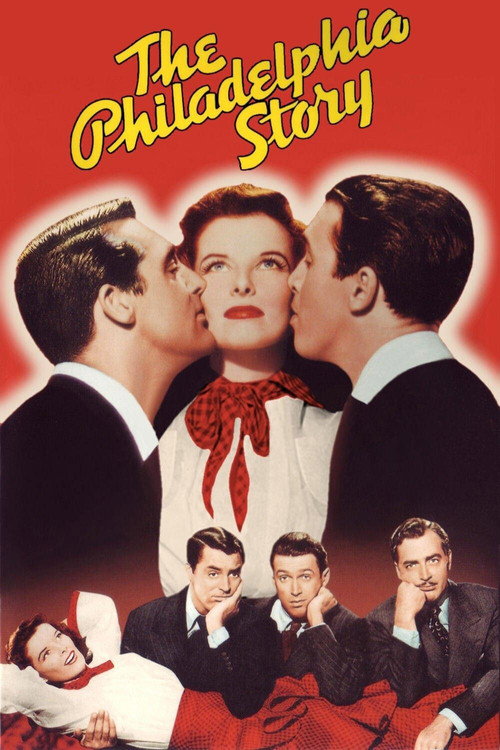
The Philadelphia Story1940
Another comedy about class and outsiders, but inverted—this time the upper-class woman is the one who needs taking down a peg. James Stewart, Cary Grant, and Katharine Hepburn are all perfect; it's endlessly rewatchable.
But At two hours-plus it's longer than you'd expect, and the third act feels like it's negotiating three different romantic outcomes.
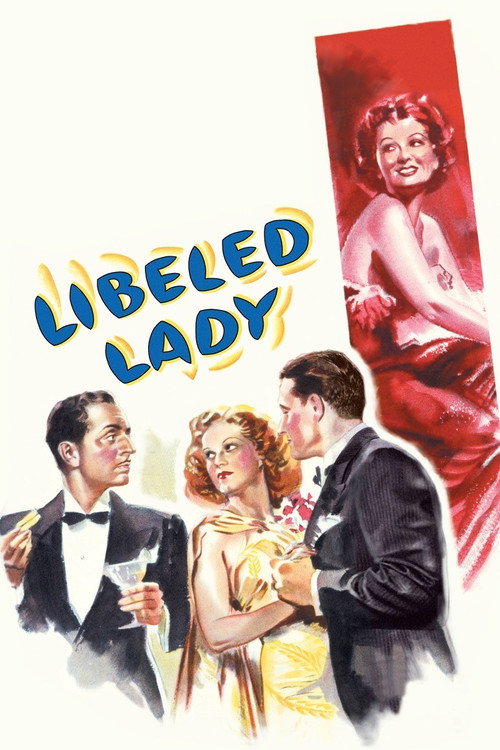
Libeled Lady1936
A screwball ensemble where a newspaper reporter, his fiancée, a heiress, and a corporate attorney end up tangled together. It moves like a Swiss watch and the chemistry between Spencer Tracy and Jean Harlow is surprising and real.
But The plot is pure nonsense and doesn't hold up to much scrutiny—you have to let go and enjoy the ride.
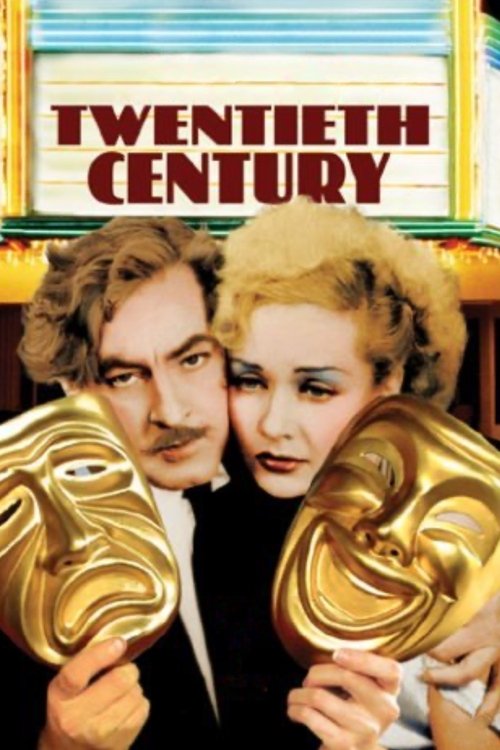
Twentieth Century1934
John Barrymore and Carole Lombard on a cross-country train, colliding and sparring. It's faster and wilder than *Ruggles*, with a theatrical frenzy that's exhilarating if you catch its wavelength.
But The pacing is relentless and the humour very broad—if you prefer subtlety, this will feel exhausting.
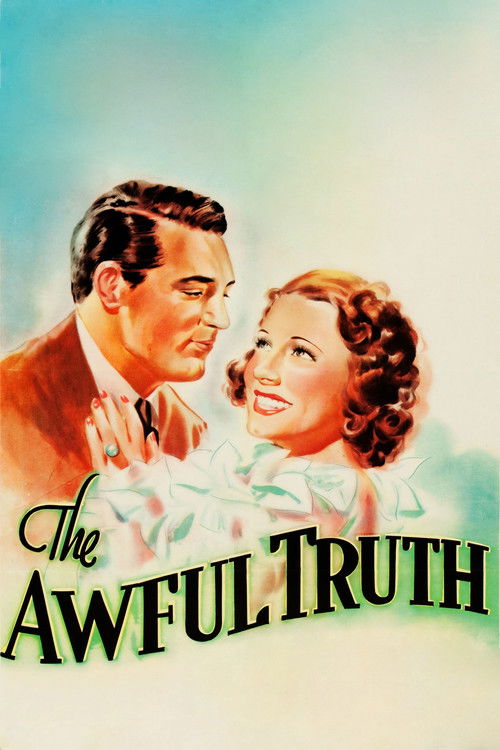
The Awful Truth1937
Cary Grant and Irene Dunne divorcing and competing for each other's attention. It's loose and improvisational, built on pure chemistry and a script that trusts the actors to find the comedy.
But Some of the physical comedy is broad enough to miss, and the emotional stakes are thinner than in *Ruggles*.
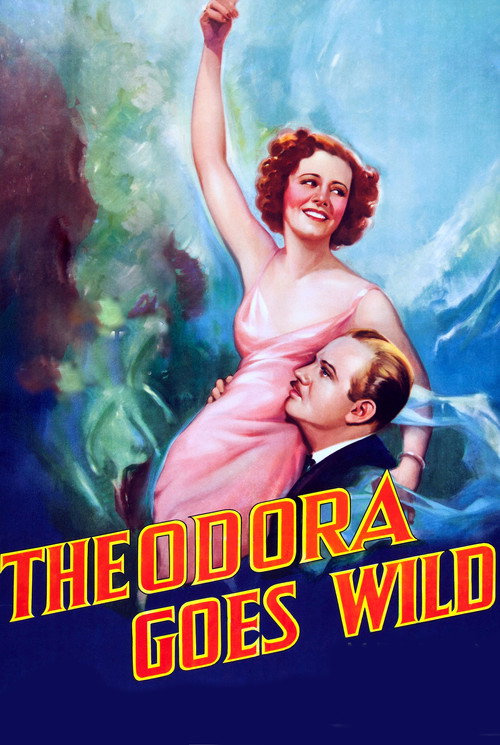
Theodora Goes Wild1936
Irene Dunne as a prim small-town woman with a secret wild side, loosened up by Melvyn Douglas. It's got charm, real warmth, and that same theme of someone discovering life is bigger than their assumptions.
But Less energetic than the best screwballs of the era—it aims for gentle rather than manic.
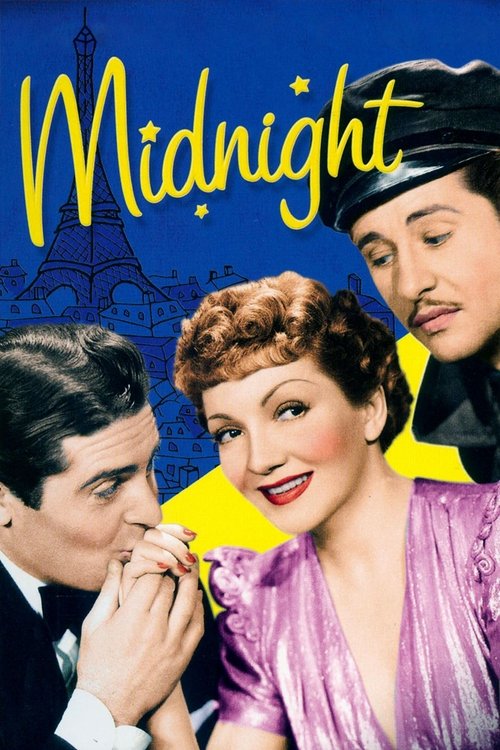
Midnight1939
A chorus girl and a taxi driver caught in a Paris high-society con. Billy Wilder's first American film is elegant and clever, with Claudette Colbert bringing both vulnerability and scheming brilliance.
But It's intricate enough that the plotting can distract from the romance, and the ending feels a touch rushed.
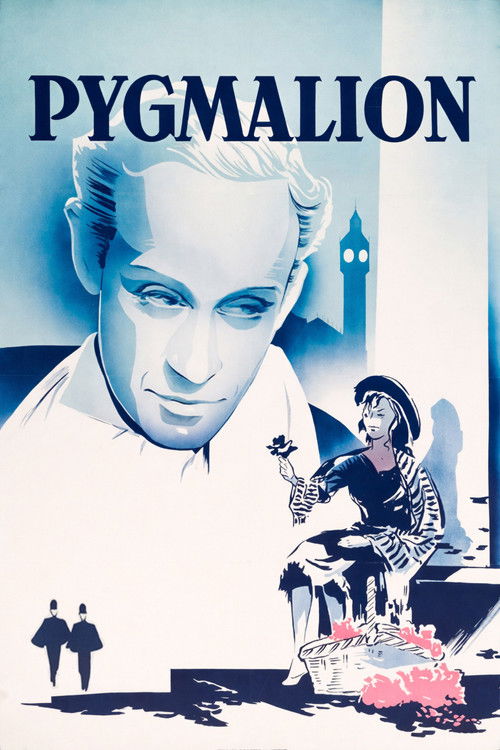
Pygmalion1938
Both explore the idea that accent and manner are learned, not innate—and that teaching someone to 'belong' is more complicated than the rules suggest.
Shaw's play about a phonetics professor teaching a flower girl to speak like a duchess. It's a closer literary ancestor to *Ruggles*—the same game of manners and transformation, but in reverse, with Wendy Hiller luminous and Leslie Howard perfectly rigid.
But It's stagy and rather British in its rhythms. The film feels like a stage play being filmed, which some will find theatrical and others will find slow.
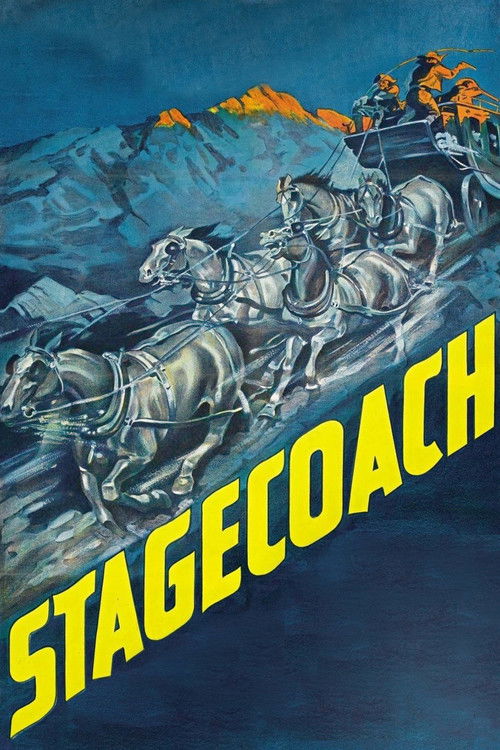
Stagecoach1939
Both place an outsider in unfamiliar terrain and ask what belonging really means. Both find unexpected dignity in the 'barbaric' and unexpected brittleness in the 'civilized.'
John Ford's masterpiece about a disparate group trapped together on a stagecoach crossing Apache territory. It's *Ruggles* translated into Western action—same collision of types and classes, same discovery that the crude American is often kinder than the refined, same moral reckoning.
But It's a Western, so violence and danger are real. It's also much more formally ambitious than *Ruggles*—the filmmaking itself becomes part of the story.
People
Cast
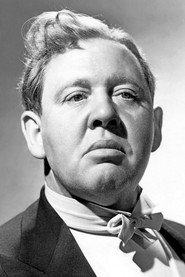 Charles LaughtonMarmaduke Ruggles
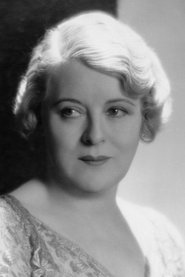 Mary BolandEffie Floud
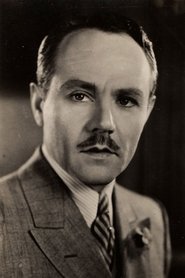 Charles RugglesEgbert Floud
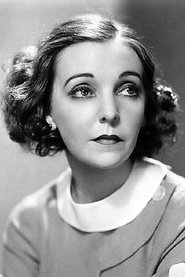 Zasu PittsMrs. Judson
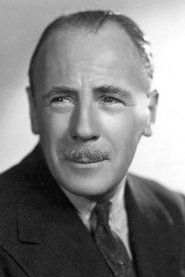 Roland YoungEarl of Burnstead
 Leila HyamsNell Kenner
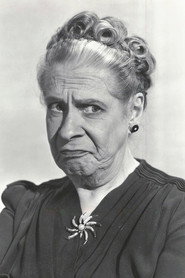 Maude Eburne'Ma' Pettingill
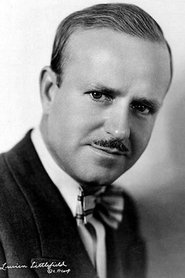 Lucien LittlefieldCharles Belknap-Jackson
 Leota LorraineMrs. Belknap-Jackson
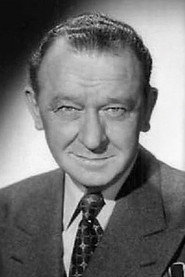 James BurkeJeff Tuttle
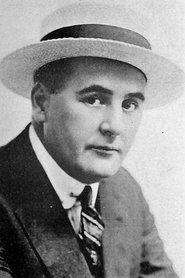
 Clarence WilsonJake Henshaw
Directing
- Leo McCareyDirector
Writing
- Harry Leon WilsonNovel
- Harlan ThompsonScreenplay
- Walter DeLeonScreenplay
Production
- Arthur Hornblow Jr.Producer
Recommended by
A Midsummer Night's Dream, The Big Broadcast of 1938, College Humor, We're Not Dressing, Laugh and Get Rich