
Film
Laugh and Get Rich
- Comedy
- Light-hearted
A 1931 comedy about mistaken wealth and domestic chaos. An inventor and his wife think they've struck it rich on an oil well, triggering a cascade of small-town shenanigans and delusions of grandeur. It's brisk, plot-driven, and built on the fundamental absurdity of people behaving badly when money seems to arrive. Perfect if you love pre-Code screwball energy and character-driven farce.
If you liked this
It Happened One Night1934
Capra's masterpiece about ordinary people in extraordinary circumstances, built on snappy dialogue, physical comedy, and the genuine chemistry between leads. It's the template that works.
But The romance subplot will feel dated if you're only here for laughs; it slows the machinery occasionally.

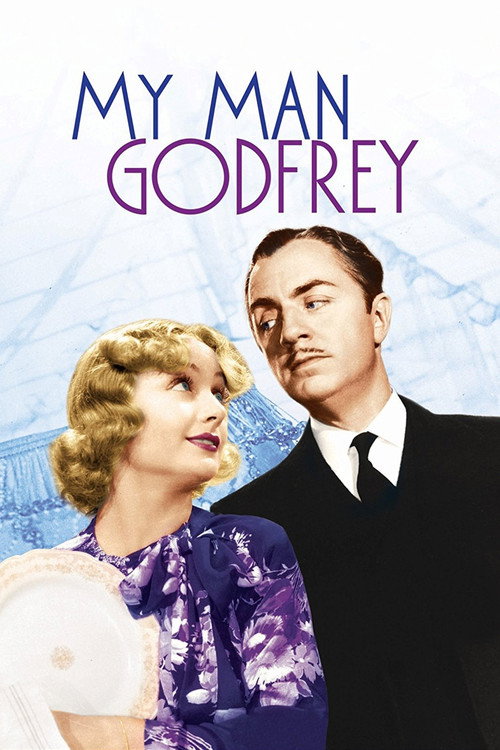
My Man Godfrey1936
Depression-era screwball with Carole Lombard and William Powell that mines comedy from economic absurdity and class collision. Sharp, inventive, and genuinely funny without trying too hard.
But The tone wobbles between satire and sentiment; some audiences find the shift between jokes and heart uneven.
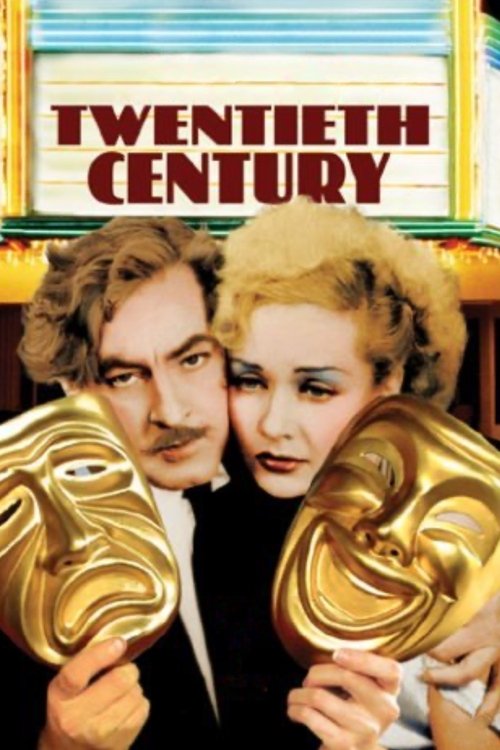
Twentieth Century1934
Hawks' theatrical farce with John Barrymore and Carole Lombard aboard a train. Manic, dialogue-rich, and structured like a perfectly wound clock. Comedy as pure craft.
But The relentless pace and overlapping dialogue can feel exhausting if you want to coast; you have to keep up.
Not sure tonight? Get a pick in a minute, starting from Laugh and Get Rich
The wildcard
Something you would not have found on your own.
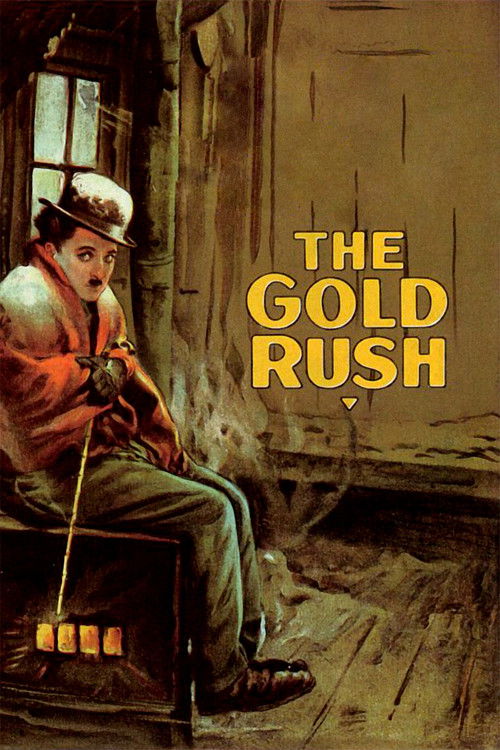
The Gold Rush1925
Both are built on the absurdity of ordinary people suddenly believing they're rich and the chaos that follows—one tragic-comic, one farcical, same engine.
Chaplin's silent feature about a tramp in the Klondike pursuing wealth and love. Comedy, pathos, and visual storytelling at their peak. It's the ancestor of every underdog-chasing-money story; watching it reminds you what the form can be.
But Silent film requires patience and engagement with a different grammar of comedy; intertitles and pantomime aren't for everyone.
More like this (8)
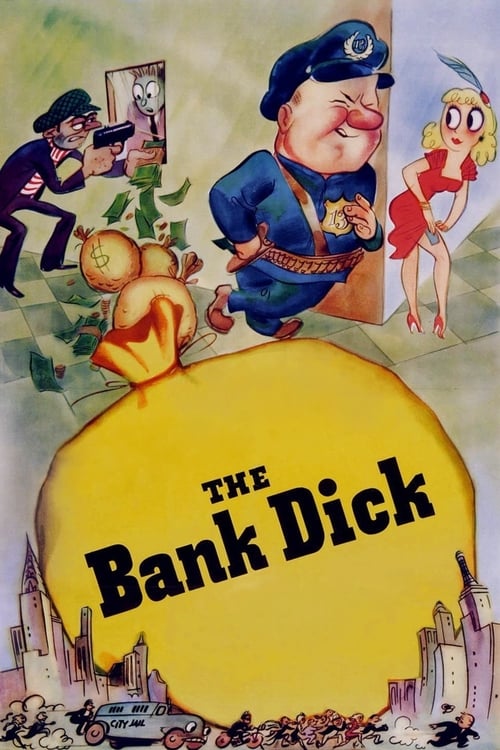
The Bank Dick1940
W.C. Fields as an unemployed drunk mistaken for a bank detective. Anarchic, plotless, built entirely on Fields' timing and misanthropic persona. Comedy freed from needing to make sense.
But The plot genuinely doesn't matter and the narrative sprawls; if you need structure, this is frustrating.
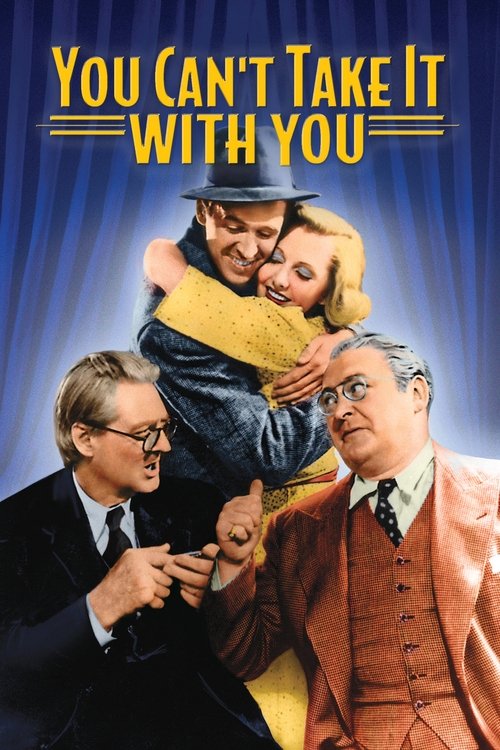
You Can't Take It with You1938
Capra's warm-hearted farce about a chaotic family and inherited money. Ensemble comedy where the eccentricity feels genuine, not performed. Funny and oddly moving.
But The sentimentality intensifies as it goes; by the end, it's more about goodness than laughs.
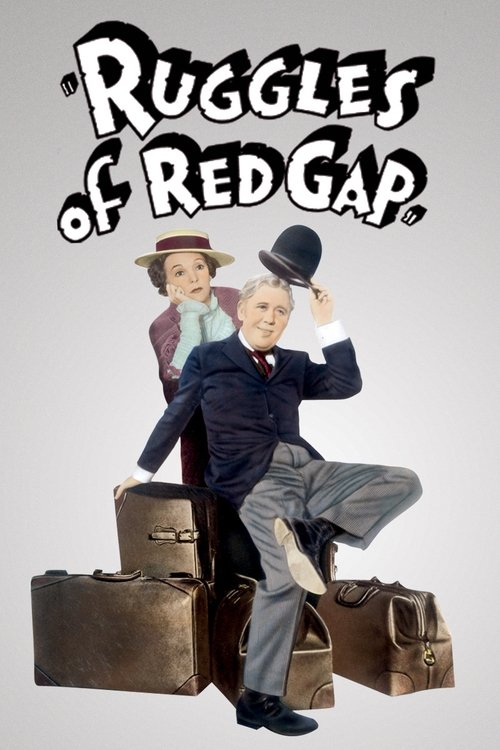
Ruggles of Red Gap1935
Charles Laughton as a British valet transplanted to the American West. High-low class comedy executed with tremendous warmth. Genuinely clever about American democracy and British reserve.
But It's gentler and more sentimental than other era comedies; the laughs are wry rather than explosive.
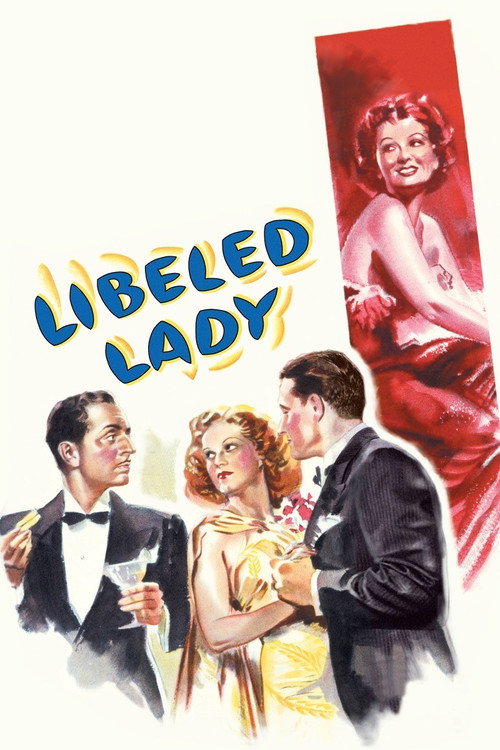
Libeled Lady1936
A reporter, his fiancée, and a heiress entangle in a plot about a lawsuit and mistaken identities. Spencer Tracy and Jean Harlow trade quips at machine-gun speed. Effortless ensemble chemistry.
But The plot is deliberately convoluted; if you need clarity, the mechanics will drive you mad.
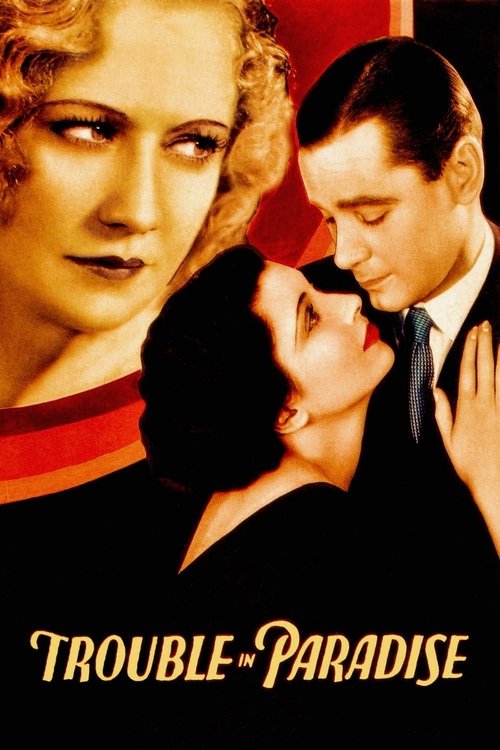
Trouble in Paradise1932
Lubitsch's sophisticated comedy about jewel thieves and the widow they seduce. European elegance applied to American screwball. Comedy for people who value wit as much as pratfalls.
But The sophistication means it's quieter and less slapstick; if you want broad physical comedy, this is too refined.
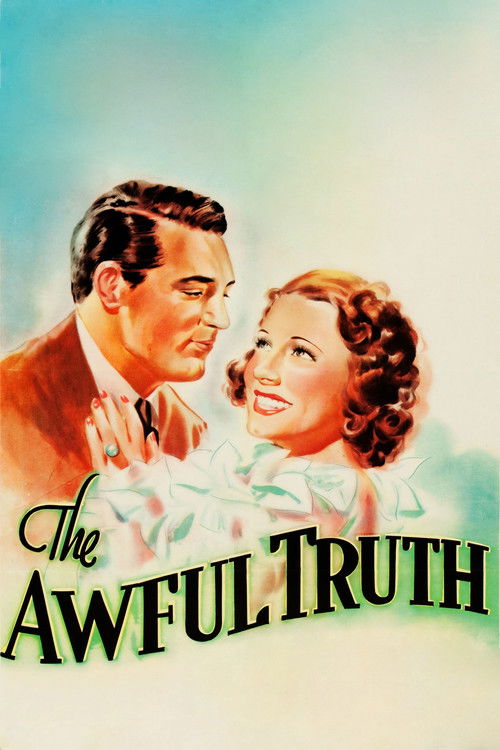
The Awful Truth1937
Cary Grant and Irene Dunne as a divorcing couple who discover they're still in love. Leo McCarey's direction finds comedy in emotional sincerity. A template for romantic screwball that still holds.
But The divorce-and-reconciliation plot is familiar now; the film has been homaged to death, which softens its originality.
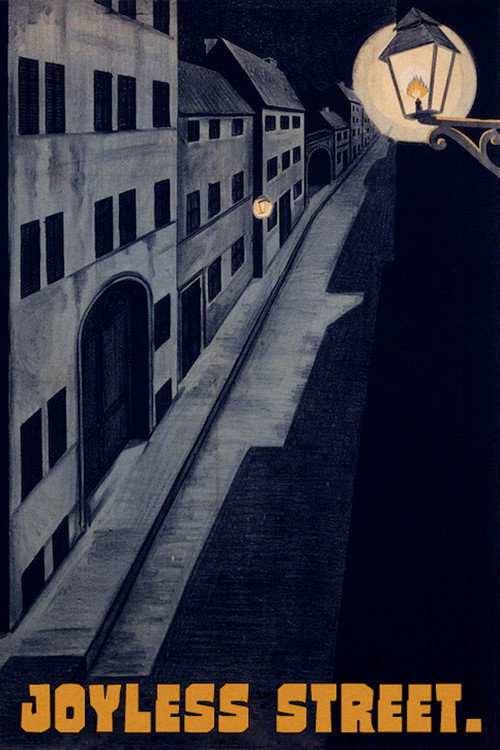
Joyless Street1925
The flip side of the same coin: where Laugh and Get Rich finds farce in sudden wealth, this finds tragedy in its absence and the desperation that follows. Same historical moment, opposite registers.
G.W. Pabst's Weimar expressionist drama about poverty, greed, and economic collapse in post-war Vienna. Asta Nielsen and Greta Garbo navigating a world where money means survival. Visually stunning and emotionally devastating.
But It's bleak, slow, and offers no laughs; the moral weight is crushing. Not entertainment in the way 1931 comedies understood it.
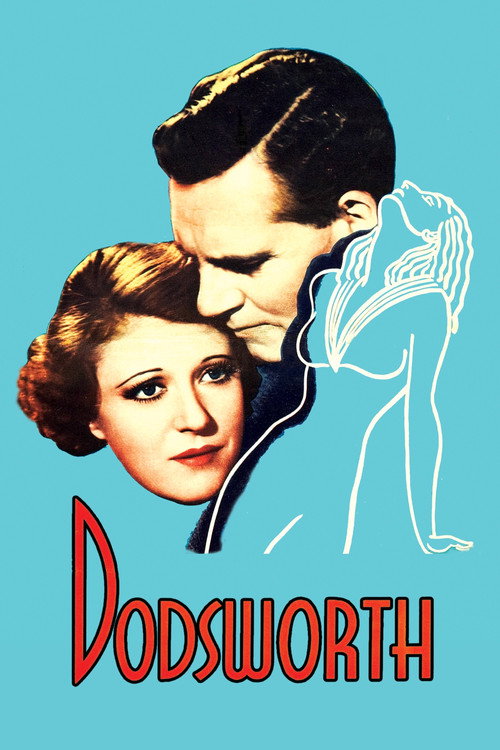
Dodsworth1936
A wealthy marriage unraveling reveals who people are when money supposedly solves nothing. Same question as Laugh and Get Rich—what does money do to us?—but asked as tragedy instead of farce.
William Wyler's drama about a retired industrialist and his wife traveling Europe, discovering their marriage is built on illusion. Languid, character-driven, gorgeously shot. Comedy's serious cousin examining the same domestic dynamics.
But It's genuinely sad underneath; the humor is in the irony of self-deception, not in gags. If you want lightness, this will feel heavy.
People
Cast
 Edna May OliverSarah Cranston Austin
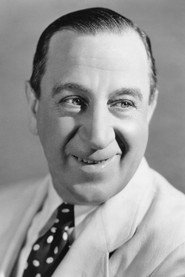 Hugh HerbertJoe Austin
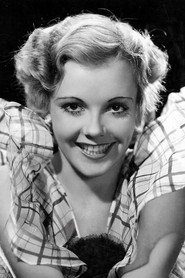 Dorothy LeeAlice Austin
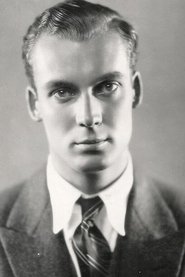 Russell GleasonLarry Owens
 John HarronBill Hepburn
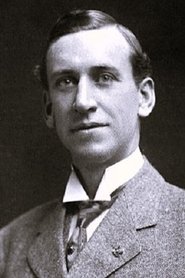 Charles SellonBiddle
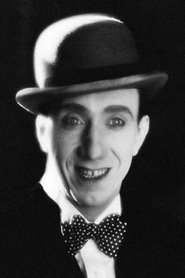 George DavisVincentini
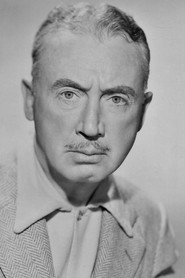 Robert Emmett KeanePhelps
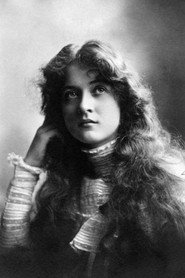 Maude FealyMiss Teasdale
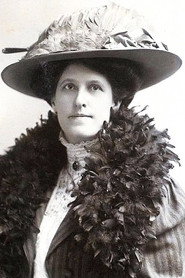 Louise MackintoshSarah's Sister
 Lita ChevretSilent Party Guest
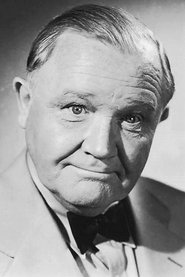 Wade BotelerDetective Flannery (uncredited)
Directing
- Gregory La CavaDirector
Writing
- Gregory La CavaScreenplay
- Douglas MacLeanWriter
Production
- Douglas MacLeanAssociate Producer
- William LeBaronProducer