
Film
College Humor
- Comedy
- Light-hearted
A 1933 comedy-musical where a college professor and star football player compete for the same woman's affection. Bing Crosby sings, George Burns and Gracie Allen crack wise, and the whole thing moves at the frantic pace of early sound comedy. It's earnest about romance but cheerfully silly about everything else—think of it as a musical farce that knows exactly what it is.
If you liked this
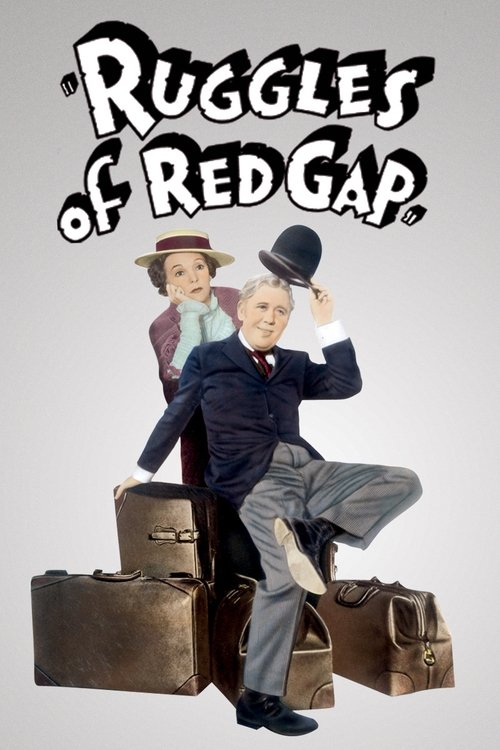
Ruggles of Red Gap1935
Another Bing Crosby vehicle that balances heart with absurdity. A British valet arrives in the American West and culture clash becomes both touching and hilarious. Sharp writing and genuine warmth underneath the gags.
But The pacing assumes you have a tolerance for 1930s comedic rhythms—fast but not quite frenetic, lots of long takes. Some will find it draggy.
It's a Gift1934
W.C. Fields at his finest: a man trying to escape small-town life for a California orange grove. The comedy is harder-edged than College Humor but built the same way—character comedy escalating into chaos.
But Fields is an acquired taste; his misanthropy doesn't charm everyone. The whole thing is fundamentally darker than you might expect.

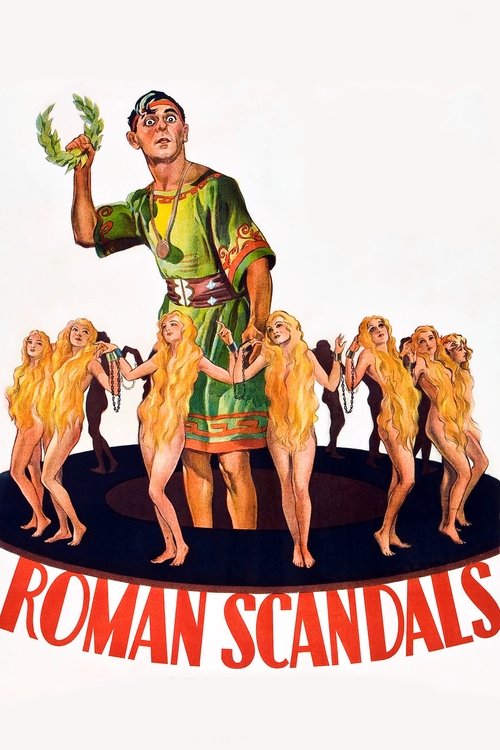
Roman Scandals1933
Eddie Cantor in an ancient Rome musical romp with Busby Berkeley dance numbers and the same spirit of chaos. Music, dancing, joke pacing, and a plot that's really just an excuse to stage increasingly elaborate set pieces.
But If you're not invested in Cantor's particular brand of physical comedy and singing, the film coasts on it entirely. And the ancient Rome stuff is never remotely accurate.
Not sure tonight? Get a pick in a minute, starting from College Humor
The wildcard
Something you would not have found on your own.
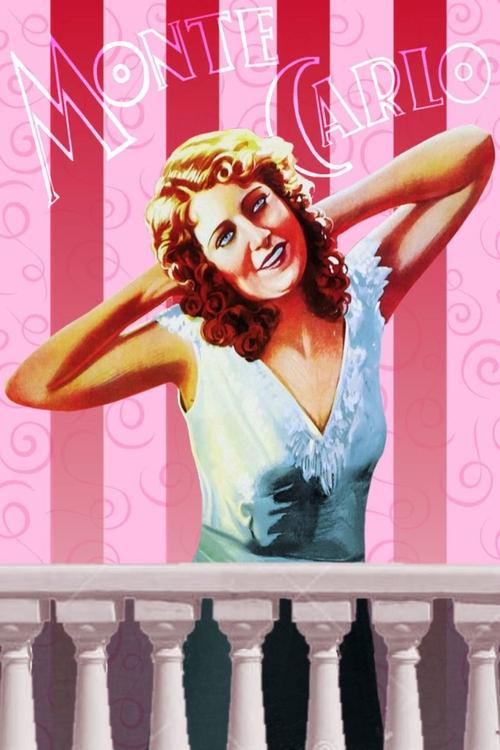
Monte Carlo1930
Both are college-set or youth-oriented romances of 1930-1933, but Lubitsch treats the same material with European restraint where College Humor goes American slapstick. Same DNA, opposite temperaments.
Ernst Lubitsch's masterpiece about a countess and a gambler, built entirely on suggestion, elegance, and the "Lubitsch Touch"—comedy that whispers instead of shouting. Zero cynicism, infinite sophistication.
But It requires your complete attention and rewards patience over laughs-per-minute. If you want constant gags and noise, this feels glacial.
More like this (8)
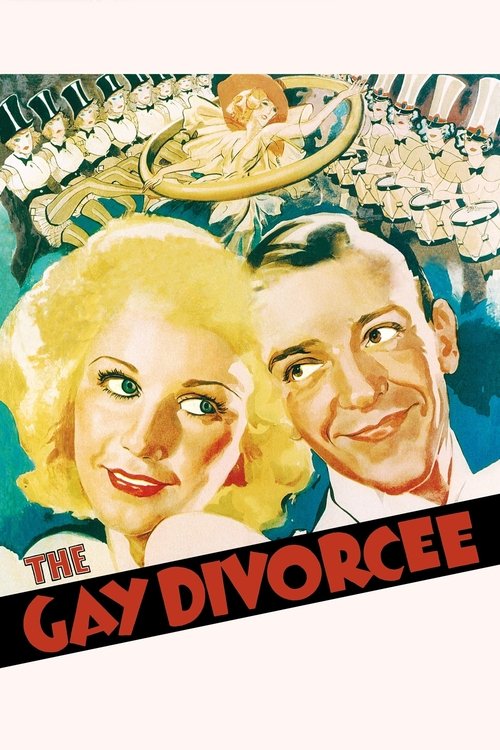
The Gay Divorcee1934
Fred Astaire and Ginger Rogers in a romantic comedy built around mistaken identity. The dancing is transcendent, but the script is also genuinely clever—situations escalate with real wit, not just pratfalls.
But If you're not there for the dance numbers, the plot machinery feels creaky. Some viewers find the romance dated, though it holds up better than you'd think.
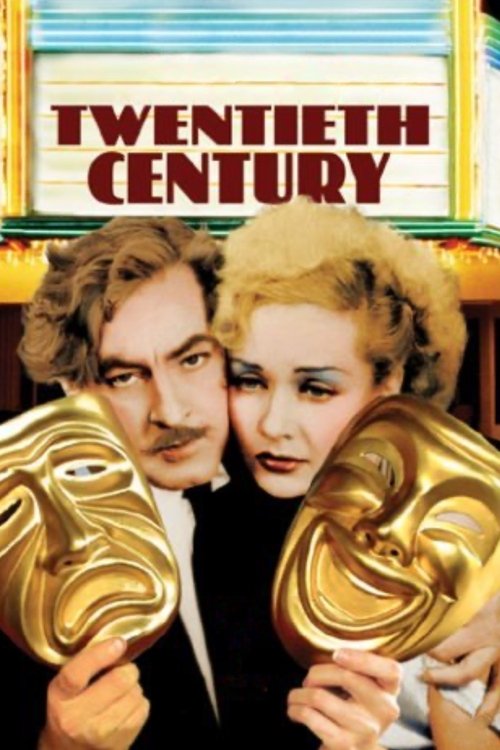
Twentieth Century1934
John Barrymore and Carole Lombard in a screwball masterpiece. A theatrical producer and his ex-lover reunion on a train; the dialogue is machine-gun fast and the characters are delightfully unhinged. Screwball comedy perfected.
But Barrymore chews scenery like it owes him money. If you need subtlety or naturalism, this will exhaust you inside five minutes.
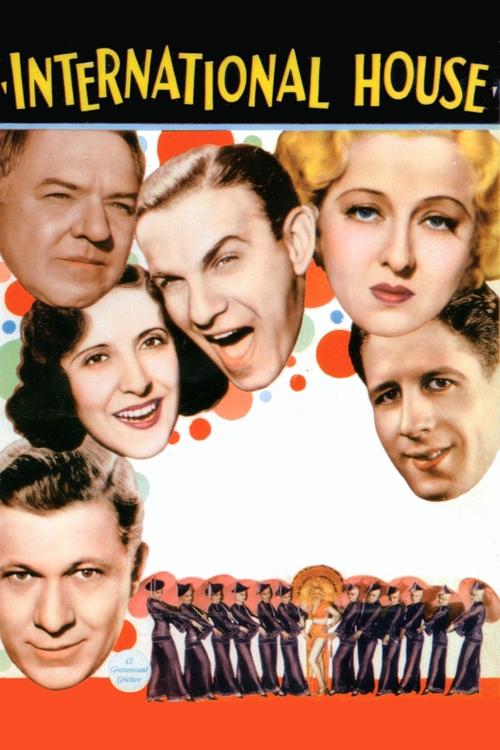
International House1933
A wild ensemble comedy with W.C. Fields, Cab Calloway, and a hotel full of international guests during a radio invention demonstration. It's essentially a sketch show disguised as a narrative—absurd and frequently brilliant.
But It's a mess structurally and sometimes cringe by modern standards. The whole thing feels held together by duct tape and Calloway's charm.
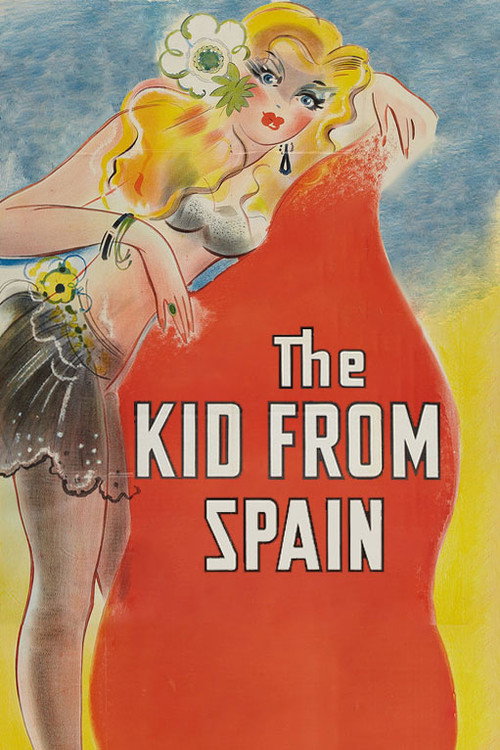
The Kid from Spain1932
Eddie Cantor as a college student mistaken for a matador. Absurdist premise, Busby Berkeley choreography, and that particular 1930s energy where the plot is genuinely secondary to the entertainment.
But Cantor is an extremely demanding performer to enjoy. If his voice and physical comedy don't land for you, there's not much underneath.
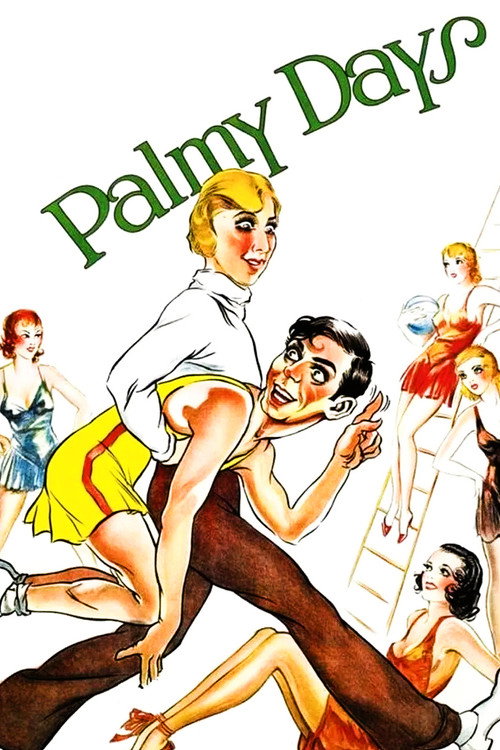
Palmy Days1931
Eddie Cantor again—he was enormously prolific—but this time on a farm. More of the same energy, great music, and choreography. If you loved Roman Scandals, this scratches the same itch with slightly different scenery.
But It's extremely repetitive with his other work from the period. If you've seen two Cantor films already, this offers diminishing returns.
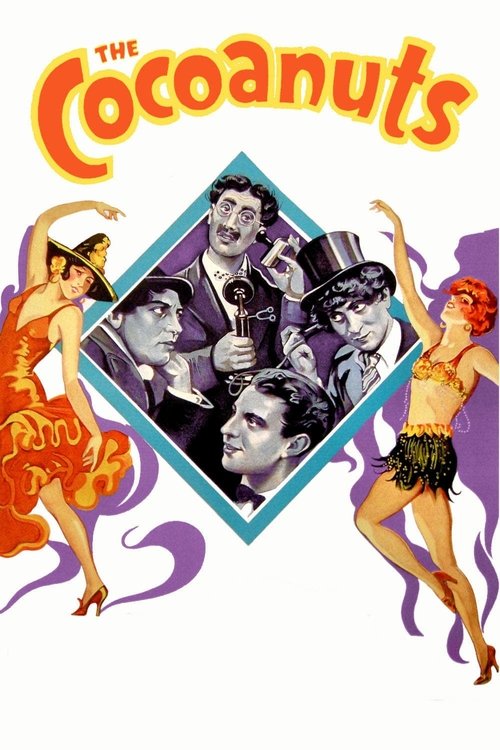
The Cocoanuts1929
The Marx Brothers' first film, set in a Florida hotel during the boom. Groucho, Chico, and Harpo do their thing with their characteristic anarchic brilliance, and it's fascinating to see the early version of their act on screen.
But The print quality is rough, the sound is tinny, and the plot barely exists. It's more artifact than finished film, even if the comedy sparkles through.
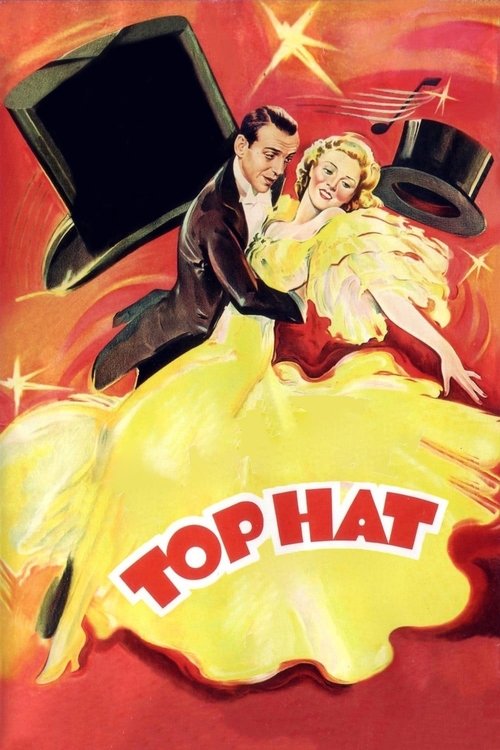
Top Hat1935
Both feature musical comedy teams and romantic triangles, but College Humor is collegiate scrappiness and improvisation where Top Hat is polished, elegant artifice—the difference between a college show and Broadway.
Astaire and Rogers in a musical comedy about mistaken identity and transatlantic romance. The dancing is the whole event, but the screenplay is genuinely clever and the production is sumptuous. It's what College Humor aspired to with better resources and talent.
But Plot-wise it's thin and the pacing assumes you're as invested in the romance as the dancing. Some modern viewers find it stiff or old-fashioned despite its brilliance.
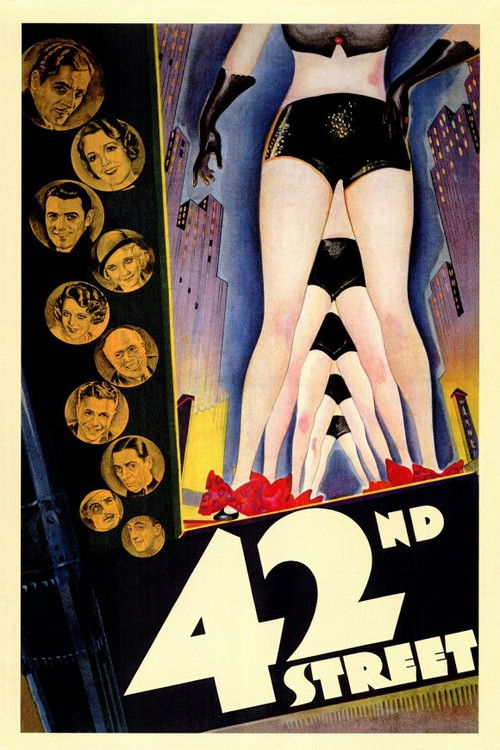
42nd Street1933
Both are 1933 entertainment optimism—Depression-era escapism—but where College Humor is plot-driven comedy with music, 42nd Street is music-driven spectacle with plot. Different approach to the same question: how do you make people forget their troubles?
Backstage musical with Busby Berkeley choreography that redefined what dance on film could be. It's also a story about ambition, competition, and putting on a show. Raw energy, genuine stakes, and the musical numbers are architectural.
But The dramatic elements are thin and the framing feels dated. You're really there for the production numbers; if spectacle doesn't move you, nothing else will.
People
Cast
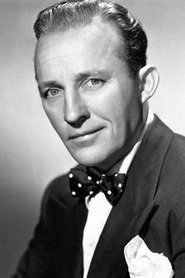 Bing CrosbyProfessor Frederick Danvers
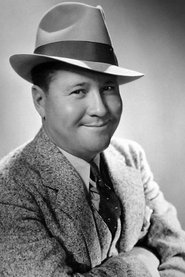 Jack OakieBarney Shirrel
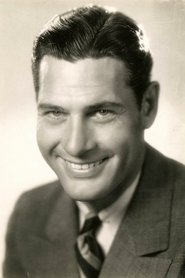 Richard ArlenMondrake
 Mary CarlisleBarbara Shirrel
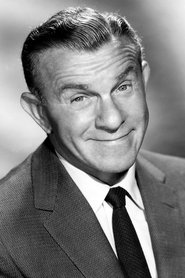 George BurnsGeorge
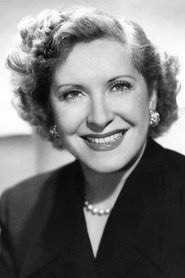 Gracie AllenGracie
 Mary KornmanAmber Davis
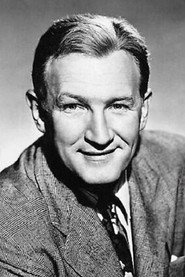 Joe SawyerTex Roust (as Joseph Sauers)
 Lona AndreGinger
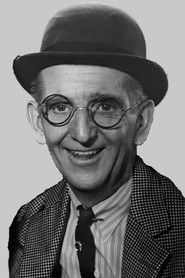 Jimmy ConlinDr. Mandel
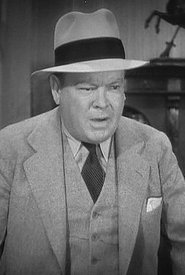 James DonlanMarcus Lafflin
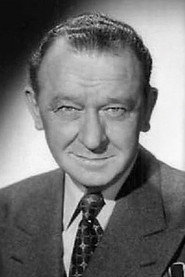 James BurkeCromwell Dexter
Directing
- Wesley RugglesDirector
Writing
- Dean FalesStory
- Claude BinyonWriter
- Frank ButlerWriter
Production
- William LeBaronProducer