
Film
Roman Scandals
- Comedy
- Light-hearted
A 1933 musical comedy where Eddie Cantor plays a small-town nobody who dreams himself into ancient Rome. It's a vehicle for vaudeville-style comedy, elaborate production numbers, and Cantor's particular brand of energetic, pun-filled performance. It's for anyone who loves old Hollywood spectacle and doesn't mind when the plot takes a backseat to the next big musical number.
If you liked this
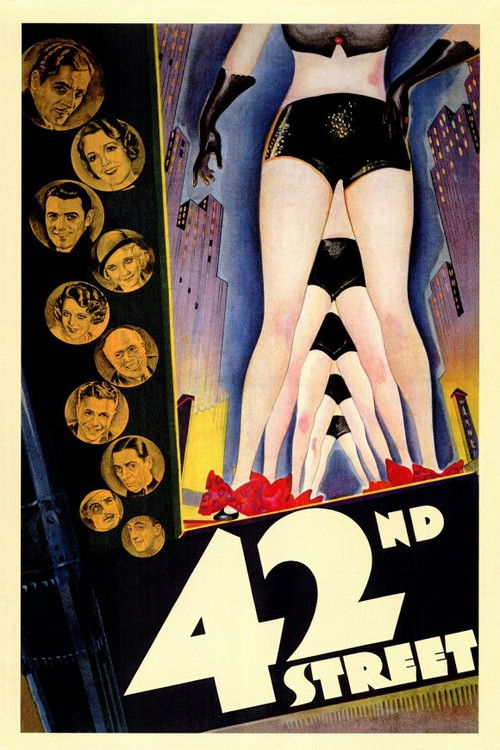
42nd Street1933
The same year as Roman Scandals, this Depression-era backstage musical has genuine wit, memorable songs, and Busby Berkeley's revolutionary choreography. It's got that same infectious energy but with a sharper script.
But The plot is thin and the pacing occasionally drags between numbers. Some of the humour feels dated in ways that don't land as charming.
It Happened One Night1934
A screwball comedy that proves early 1930s filmmaking could be genuinely funny without relying on slapstick. The chemistry between Gable and Colbert is electric, and it holds up better than most comedies from the era.
But It's romantic rather than musical, so if you're specifically chasing Cantor's vaudeville energy, you won't find it here.

Singin' in the Rain1952
The greatest Hollywood musical ever made. If you want that same joy in production and performance but with better songs, sharper writing, and choreography that still astonishes, this is it.
But It's from nearly 20 years later, so it'll show you how much filmmaking improved—which means Roman Scandals will look even more creaky by comparison.

Not sure tonight? Get a pick in a minute, starting from Roman Scandals
The wildcard
Something you would not have found on your own.
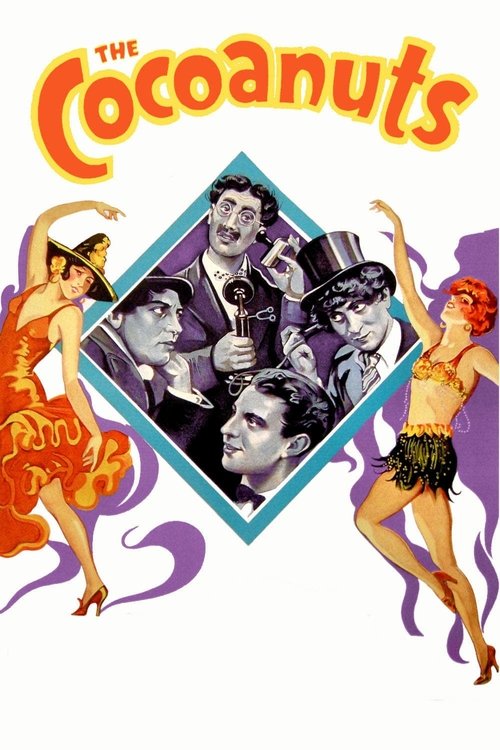
The Cocoanuts1929
Both are early 1930s comedies built around a lead performer's personality, but where Cantor's comedy is earnest and energetic, the Marx Brothers' is deliberately nonsensical and anarchic. Roman Scandals shows you Cantor; The Cocoanuts shows you what happened when comedy gave up on logic altogether.
The Marx Brothers' first sound film, where Groucho, Chico, and Harpo wreak havoc on a Florida real-estate scheme. It's anarchic, quotable, and proves that early 1930s comedy could be genuinely subversive—absurdist humour that still stings.
But It's stagy and the film quality is poor. Some gags go on too long, and there's an awful blackface sequence that's deeply uncomfortable. The pacing is slack by modern standards.
More like this (7)
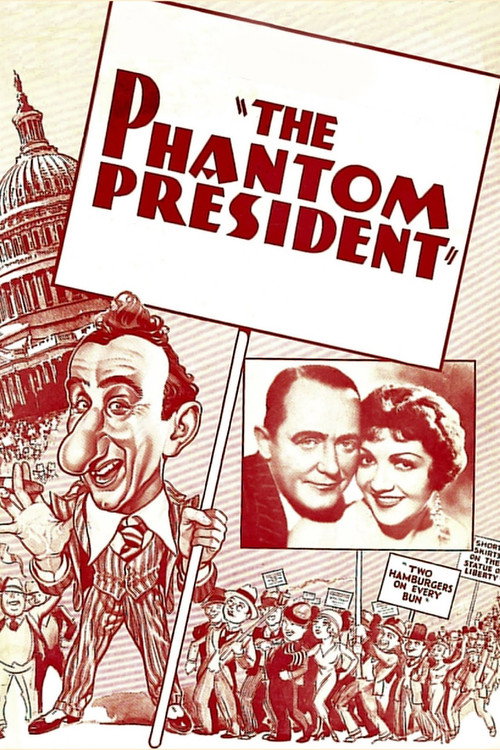
The Phantom President1932
George M. Cohan leading a political satire musical comedy. It's got that same cheerful absurdism and pre-Code willingness to mock authority that Cantor brings to Roman Scandals.
But It's rarely revived and for good reason—the satire is blunt and the songs aren't memorable. It feels like a curiosity rather than a fully realized film.
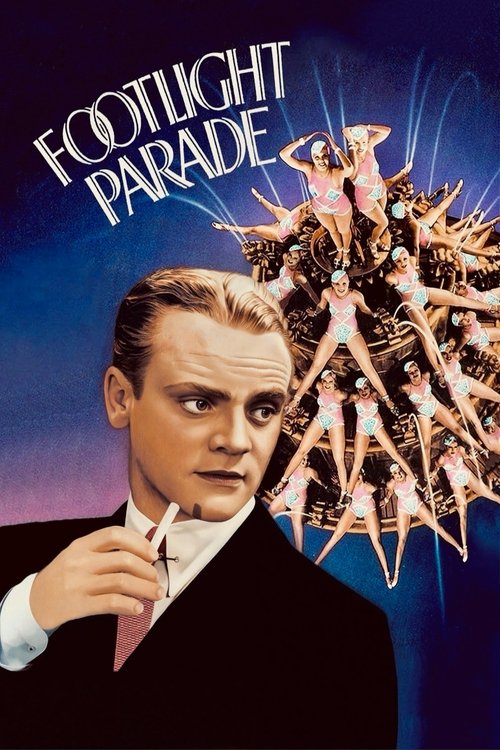
Footlight Parade1933
James Cagney as a harried director staging musical numbers. It's got more plot than Roman Scandals, tighter comedy, and Busby Berkeley at his most ambitious with the production design.
But It's over two hours and sags in the middle with plot mechanics that don't matter. The opening feels sluggish compared to the musical payoff.
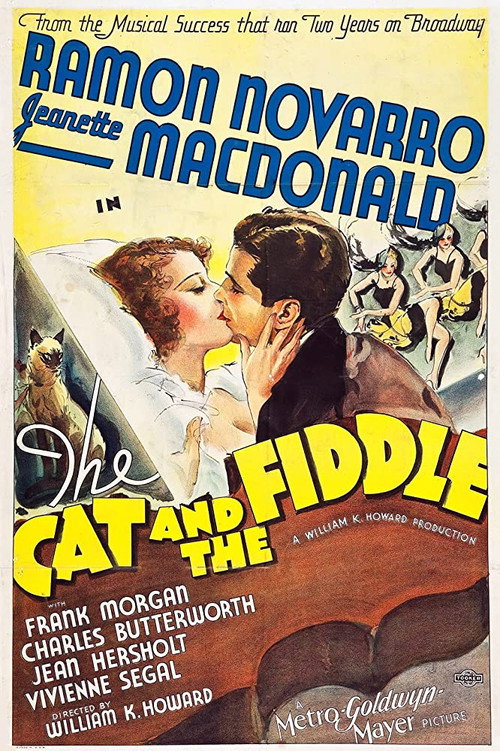
The Cat and the Fiddle1934
A musical romance with Jeanette MacDonald and Ramon Novarro that leans into the fantastical dream-logic of storytelling. It's lighter than Roman Scandals but has genuine charm and some lovely musical moments.
But The romance is treacly, the plot is gossamer-thin, and it doesn't have the comedic punch that makes Cantor films worth the runtime.
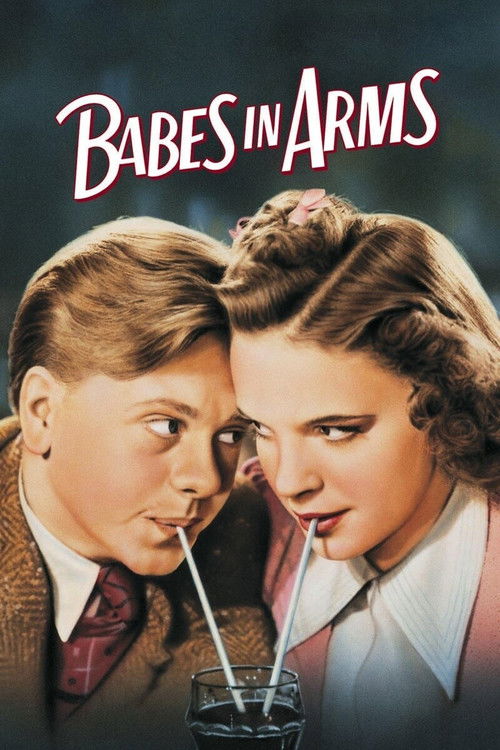
Babes in Arms1939
Judy Garland and Mickey Rooney in a musical where young performers put on a show. It's got energy, charm, and songs that actually matter. It shows how the musical could evolve while keeping that Depression-era spirit.
But By 1939 standards it's a bit saccharine, and Rooney's mugging can overshadow Garland. The patriotic finale feels forced.
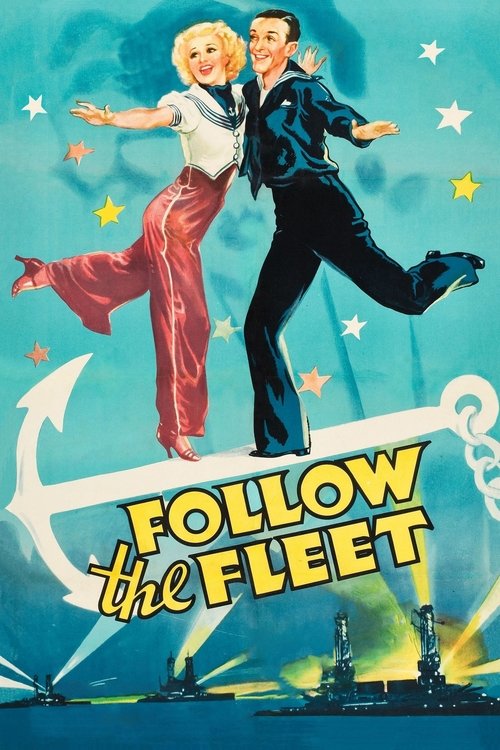
Follow the Fleet1936
Fred Astaire and Ginger Rogers in a naval-themed musical. Rogers even gets to be funny as well as beautiful, and the dance numbers are precise and joyful without being ostentatious.
But The plot is weightless even by musical standards, and the patriotic military angle hasn't aged well. It's mostly here because Astaire and Rogers work.
Trip to Mars1924
Both use dreams as a premise to shed the constraints of the real world and stage elaborate fantasy sequences. But where Roman Scandals uses that freedom for spectacle and period slapstick, A Trip to Mars uses it for something closer to surrealism. Watching them back-to-back shows you two different answers to the question: what can you do with a dream?
An obscure silent comedy where a dreamer falls asleep and ends up on Mars. It's got the same dream-logic structure as Roman Scandals but with sci-fi rather than historical settings, and it's lean—just 40 minutes of pure invention without padding.
But It's silent, so you're reading intertitles. The image quality is rough. The effects are primitive. If you need sound and colour and a narrative that coherently resolves, you won't find it here.
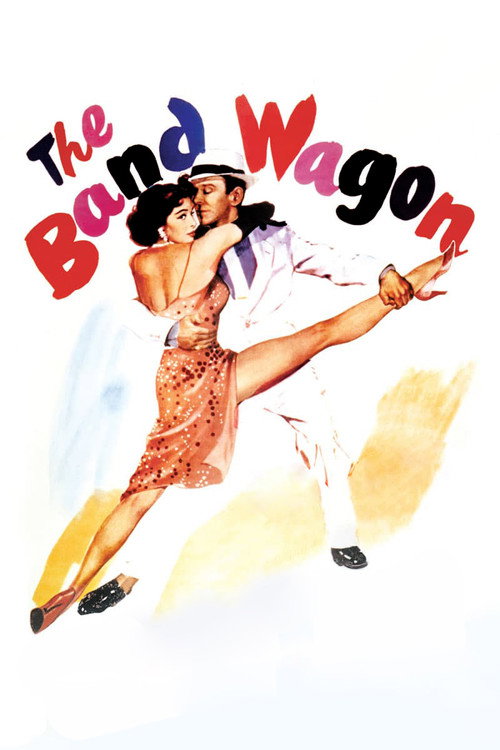
The Band Wagon1953
Both are about performers and showbiz, but The Band Wagon is the sophisticated evolution of everything Roman Scandals is attempting. Watching this first would spoil Roman Scandals' pleasures; watching Roman Scandals first and then this shows you exactly how much more skillful the form became. The Band Wagon is what you get when you have the craft to match Cantor's earnestness.
Fred Astaire and Cyd Charisse in what might be the perfect Hollywood musical. It's self-aware, funny, beautifully shot, and the dancing is transcendent. Every element serves the whole.
But It's a direct contrast to Roman Scandals' charm-over-craft approach. If you want lo-fi spectacle and earnest silliness, this will make Roman Scandals look like rough drafts. It's also 20 years later, so standards had evolved enormously.
People
Cast
 Eddie CantorEddie aka Oedipus
 Ruth EttingOlga
 Gloria StuartPrincess Sylvia
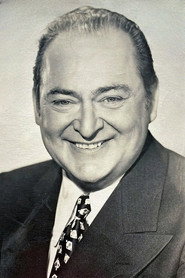 Edward ArnoldEmperor Valerius
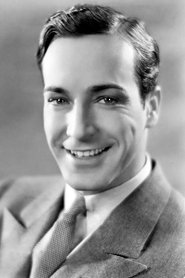 David MannersJosephus
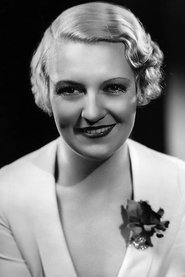 Verree TeasdaleEmpress Agrippa
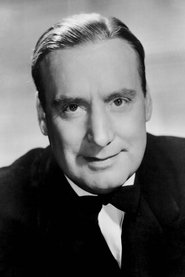 Alan MowbrayMajordomo
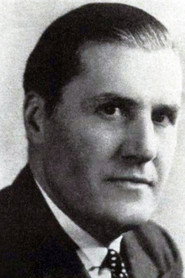 Jack RutherfordManius (as John Rutherford)
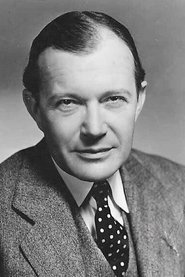 Willard RobertsonWarren Finley Cooper
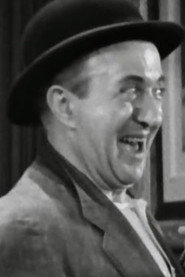 Lee KohlmarStorekeeper
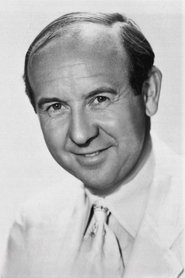 Charles ArntCaius - the Food Taster (uncredited)
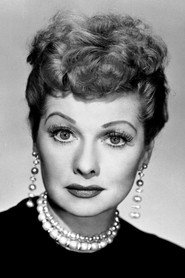 Lucille BallGoldwyn Girl (uncredited)
Directing
- Frank TuttleDirector
Writing
- William Anthony McGuireAdaptation
- Al DubinLyricist
- George S. KaufmanStory
- Robert E. SherwoodStory
Production
- Samuel GoldwynProducer
Recommended by
Just Imagine, The Princess and the Pirate, College Humor, Palmy Days, Sweet Adeline