
Film
Just Imagine
- Dystopian sci-fi
- Comedy
- Light-hearted
- Strange
A 1930 musical comedy where a 1920s man wakes up in a dystopian 1980 New York of flying cars, numbered citizens, and pill meals. He tags along on a trip to Mars, where scantily-clad dancers perform Busby Berkeley routines. It's earnest, bizarre, and fascinating—for anyone curious how early Hollywood imagined the future, or simply hunting oddities.
If you liked this
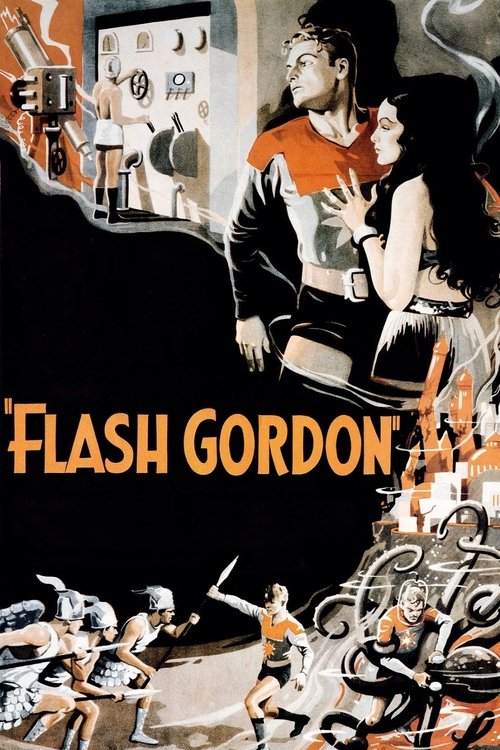
Flash Gordon1936
A serial space adventure with the same earnest B-movie energy and practical-effects charm. Ming the Merciless and his planet are gloriously gaudy, and the whole thing moves with unironic conviction into its own absurdity.
But It's episodic rather than a single story, and the pacing assumes you're watching in chunks across weeks. Some of the racism in these serials hasn't aged well either.
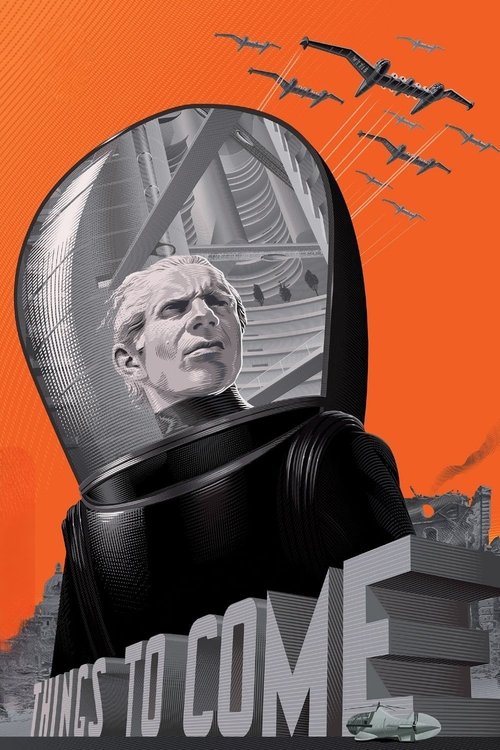
Things to Come1936
Another '30s utopian vision, but played straight and grandiose—H.G. Wells adapted his own book. The production design is stunning, and it thinks seriously about what a technological future means, even as it looks completely wrong.
But It's sober and talky where Just Imagine is fluff. Some will find its utopianism preachy, others will be bored by static scenes of people explaining progress.
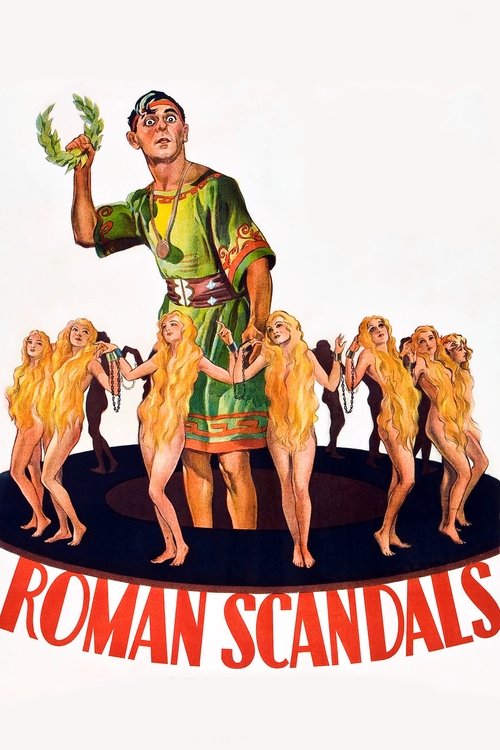
Roman Scandals1933
Eddie Cantor in a time-travel comedy with enormous dance numbers staged by Busby Berkeley himself. It has the same collision of ancient world and contemporary wisecracks, plus the visual spectacle without the sci-fi pretension.
But Cantor's comic style is very of its moment—high-pitched, manic, relentless. The blackface numbers are shocking and ugly by any standard.
Not sure tonight? Get a pick in a minute, starting from Just Imagine
The wildcard
Something you would not have found on your own.
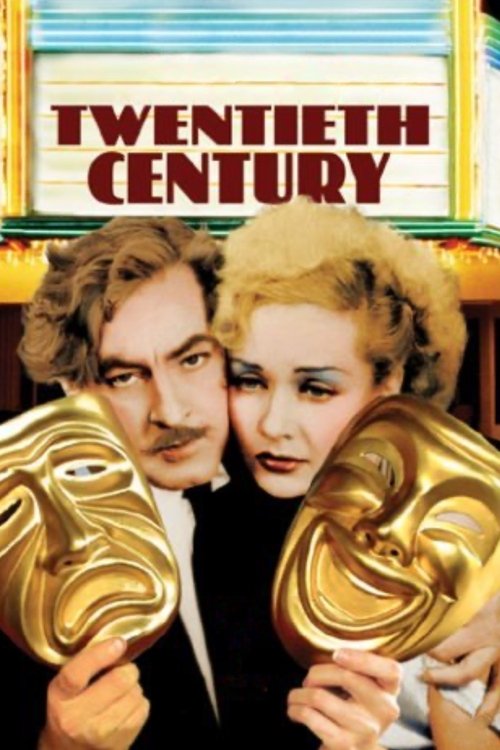
Twentieth Century1934
Both treat their worlds as stage sets where normal human behavior is suspended. Just Imagine builds a futuristic set; Twentieth Century uses the artifice of theater and Hollywood itself as its setting. Both are more interested in visual gags and absurdity than character depth or emotional coherence.
A screwball comedy about a theatrical producer and actress locked together on a train, descending into ornate madness. It has Just Imagine's theatrical artificiality—everything is performed, heightened, deliberately unreal—but makes it a weapon of comedy rather than spectacle.
But It's rapid-fire dialogue and slapstick from a pre-code era. If you don't enjoy people being cruel to each other for laughs, it'll feel airless.
More like this (8)
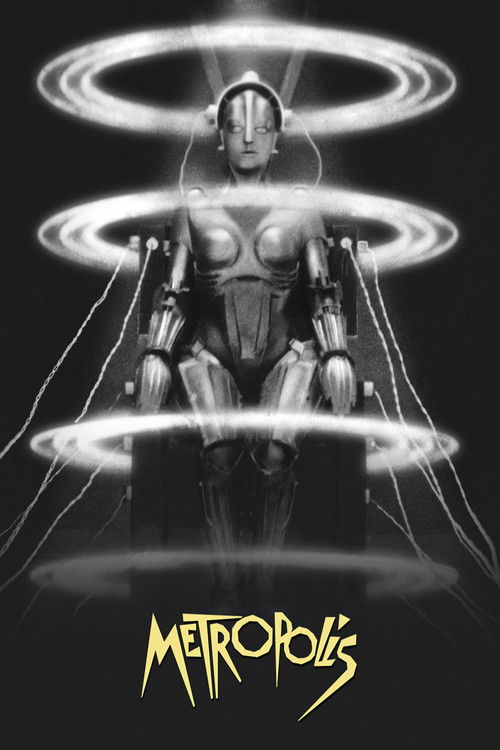
Metropolis1927
The granddaddy of sci-fi cinema. A vast futuristic city, mechanical beings, and a vision of tomorrow that still feels imposing. Restored prints finally let you see what Fritz Lang actually made.
But It's a long, slow, expressionist drama about class revolt, not a romp. The 2008 restoration adds footage that some find changes the tone uncomfortably.
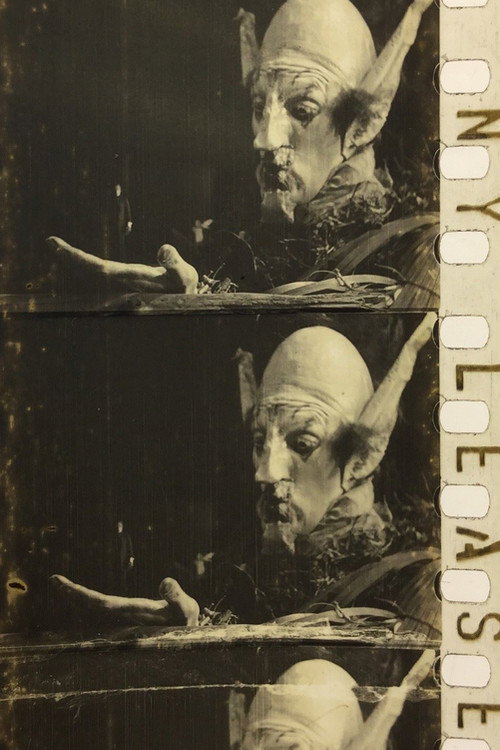
A Trip to Mars1910
An earlier trip to Mars from the silent era, just six minutes long. It shows how quickly sci-fi became a staple of cinema, and how the visual language evolved.
But At six minutes it's more curiosity than experience. The image quality is poor and the 'story' barely exists—don't watch expecting narrative.
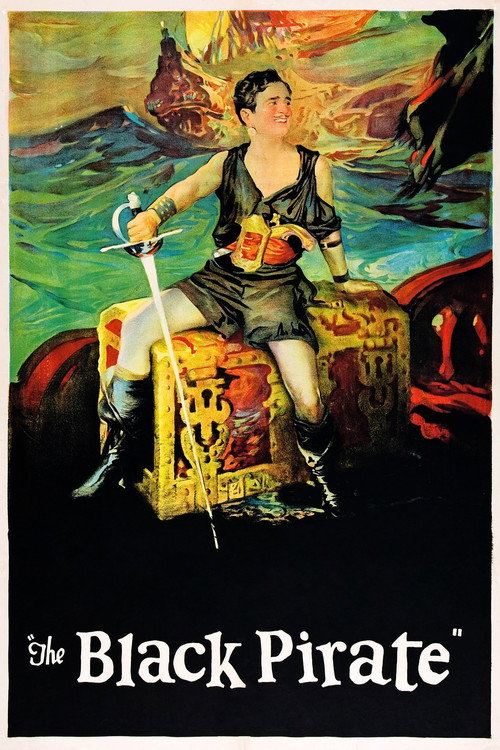
The Black Pirate1926
Douglas Fairbanks in a silent action film with staggering stunt work and an early Technicolor sequence. It's pure spectacle and physicality, no dialogue to slow down the mayhem.
But Being silent, it requires active viewing—you can't let your attention slip. The theatrical acting style will feel mannered if you're not prepared for it.
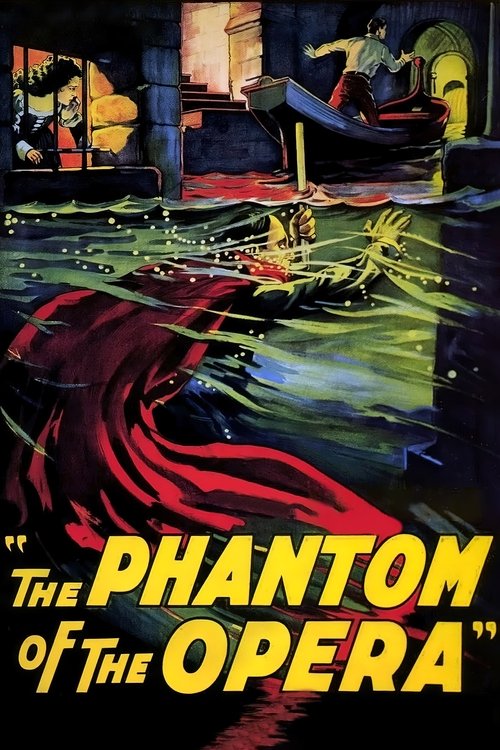
The Phantom of the Opera1925
Lon Chaney's performance is legendary, and the masquerade ball sequence is gorgeous hand-tinted color. It's Gothic, melodramatic, and absolutely committed to its own excess.
But The pacing is glacial by modern standards, and the opera scenes go on. The plot is melodrama without irony, which requires you to buy into it emotionally.
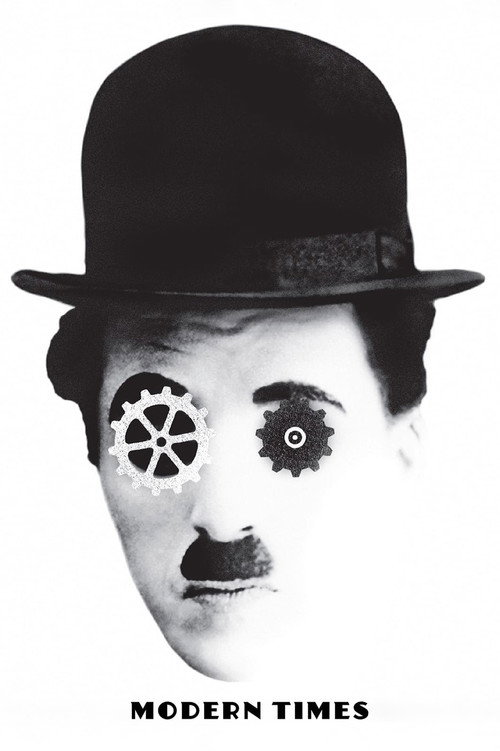
Modern Times1936
Chaplin's only film set explicitly in a mechanized future. It's hilarious and heartbreaking in equal measure, with some of the most inventive physical comedy ever filmed.
But It's a social critique dressed as slapstick. If you want lightness, this will sneak seriousness past your defenses. Some find Chaplin's pathos unbearable.
The Cabinet of Dr. Caligari1920
The expressionist masterpiece, with painted shadows and a moral ambiguity that still holds. It invented the psychological thriller and horror cinema largely invented itself here.
But The distorted sets and high-contrast visuals are disorienting by design. The plot twist is famous now, and the pacing is very deliberate.

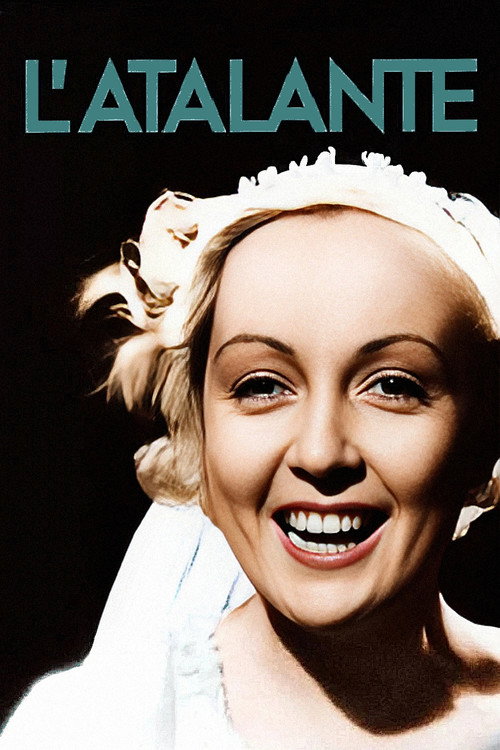
L'Atalante1934
Both are 1930s visions of 'otherness'—Just Imagine through the future, l'Atalante through the margins and depths of everyday life. Both use the camera and sets to make the familiar world strange. Where Just Imagine builds technological marvels, l'Atalante finds magic in intimacy and death.
A French poetic film about a newlywed couple on a barge, with underwater sequences and dreamlike imagery that feels almost sci-fi in its strangeness. Michel Simon is magnificent as the captain, and every shot is composed like a painting.
But It's meditative and melancholic, structured around mood rather than plot. The romantic drama might feel slow if you're expecting either spectacle or resolution.
Pandora's Box1929
Just Imagine imagines a sterile future where humanity is controlled through numbering and mechanical reproduction. Pandora's Box shows a chaotic present where desire and individualism destroy social order. They're opposite poles of the same fear about what makes us human. Both are formally audacious in ways their plots don't quite justify, prioritizing visual and thematic strangeness over narrative logic.
Louise Brooks is mesmerizing in this German silent film about a woman who destroys every man she encounters. It's sexually frank, darkly funny, and visually stunning—a descent through urban decadence and moral chaos.
But It's bleak and ends badly. The sexual content is explicit enough to shock in 1929 and still makes modern viewers uncomfortable. The pacing is German Expressionist—deliberate, not brisk.

People
Cast
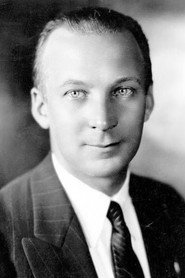 El BrendelSingle O
 Maureen O'SullivanLN-18
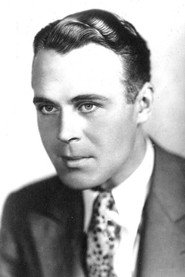 John GarrickJ-21

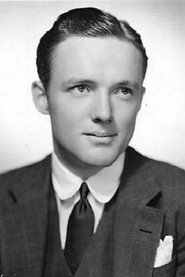 Frank AlbertsonRT-42
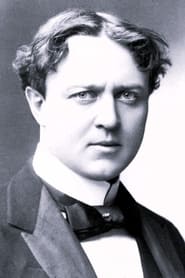
 Mischa AuerB-36
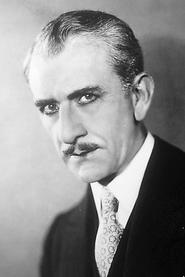 George IrvingHead of Marriage Tribunal (uncredited)
 Joyzelle JoynerLoo Loo / Boo Boo
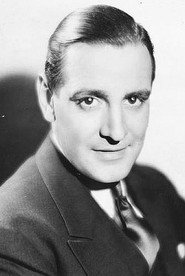 Kenneth ThomsonMT-3
 Ivan LinowLoko
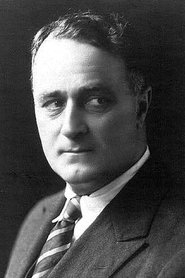 Wilfred LucasX-10
Directing
- Ad SchaumerAssistant Director
- David ButlerDirector
Writing
- Buddy G. DeSylvaWriter
- Lew BrownWriter
- Ray HendersonWriter
Production
- Buddy G. DeSylvaProducer
- Lew BrownProducer
- Ray HendersonProducer