
Film
A Trip to Mars
Georges Méliès' 1910 journey to Mars is silent cinema at its most exuberant—a five-minute eruption of imagination where a chemistry professor invents gravity-defying powder and soars through space. It's a pure expression of early film's capacity for wonder, all theatrical spectacle and practical ingenuity. Perfect for anyone curious about where science fiction began.
Should you watch it?
Watch it if you enjoy seeing a story's whole charm live in its tricks, the way early filmmakers stumbled onto special effects and treated each one as a small miracle.
Skip it if you need modern pacing or real characterization; at five minutes there is little room for people, and the acting and staging look stiff by today's standards.
What it asks of you: Almost nothing: five minutes of old-fashioned staging with no dialogue to lean on, so you watch the images closely and fill in the rest yourself.
Not sure? Find tonight's pick in a minute.
If you liked this
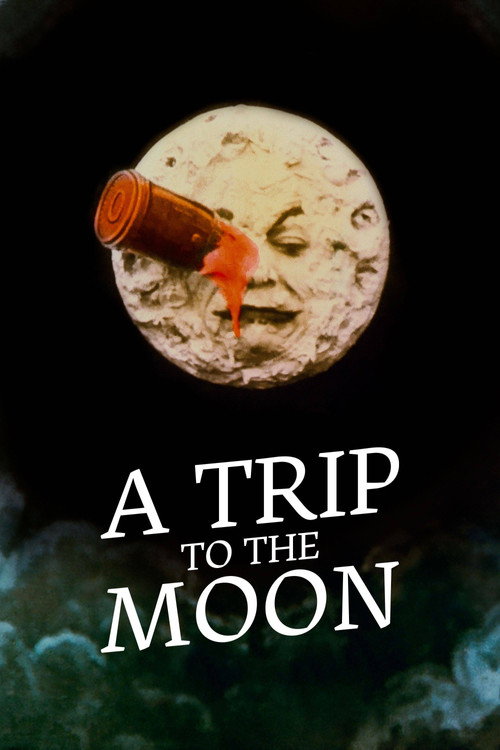
A Trip to the Moon1902
Méliès' masterpiece and the film that invented sci-fi cinema. If you loved A Trip to Mars' sense of cosmic adventure and practical effects wizardry, this earlier moon voyage is essential—tighter, more audacious, and absolutely hypnotic.
But It's silent, it's thirteen minutes, and the pacing assumes patience with tableau filmmaking. Modern audiences expecting narrative momentum will find it deliberately contemplative.
Metropolis1927
The grandest of silent sci-fi epics, with the same spirit of technological wonder but staggering scale. Futuristic cities, mad scientists, and visual effects that still astonish. The DNA of every dystopian film descends from here.
But Nearly two and a half hours of German Expressionism. The restored version is glorious but demanding, and the restored plot can feel melodramatic to modern eyes.

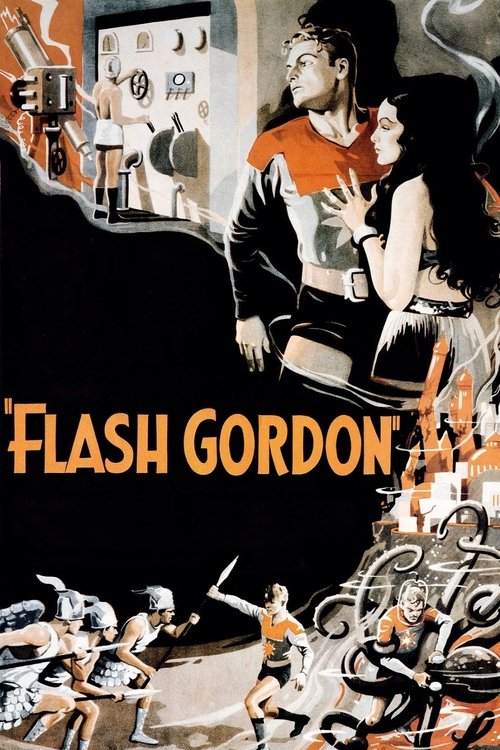
Flash Gordon1936
Serial adventure that captures the same giddy, theatrical spirit of early cinema—rocket ships, alien worlds, impossible escapes. It's joyful pulp that knows exactly what it is and commits completely.
But The acting is broad, the dialogue clunky, and the whole thing moves at breakneck serial pace. If you need subtlety, you're in the wrong place.
Not sure tonight? Get a pick in a minute, starting from A Trip to Mars
The wildcard
Something you would not have found on your own.
Valerie and Her Week of Wonders1970
Both privilege visual spectacle and practical ingenuity over plot logic. Both treat cinema as an instrument for capturing impossible things, but where Méliès is exuberant, this is unsettling.
A Czech surrealist fever dream about a girl discovering a magical earring. Like Méliès filtered through dream logic and genuine eeriness—pure visual storytelling where effects create mood rather than plot. Hypnotic and genuinely strange.
But It's deliberately dreamlike, which means narrative coherence is not the point. Some will find it pointless rather than poetic.

More like this (7)
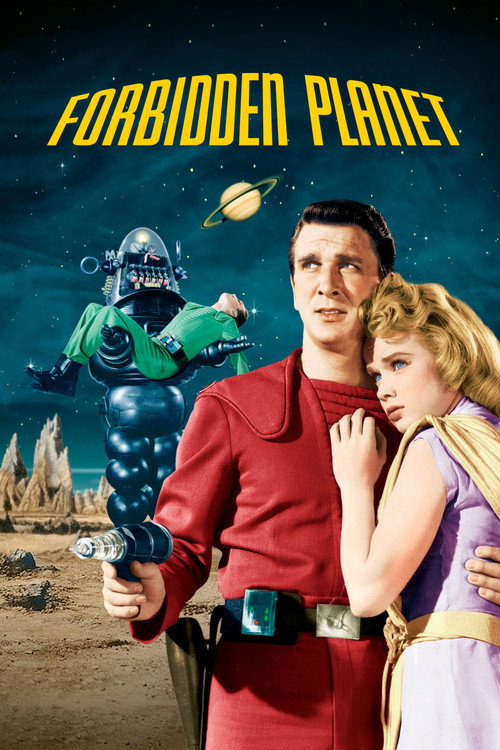
Forbidden Planet1956
A film that bridges Méliès' theatrical wonder with modern sci-fi sensibility. Shakespeare on an alien world, with a robot who steals every scene. Intelligent, visually gorgeous, and genuinely moving beneath the adventure.
But 1950s space opera conventions feel dated now—the sexism is jarring, and the plot sometimes substitutes spectacle for coherence.
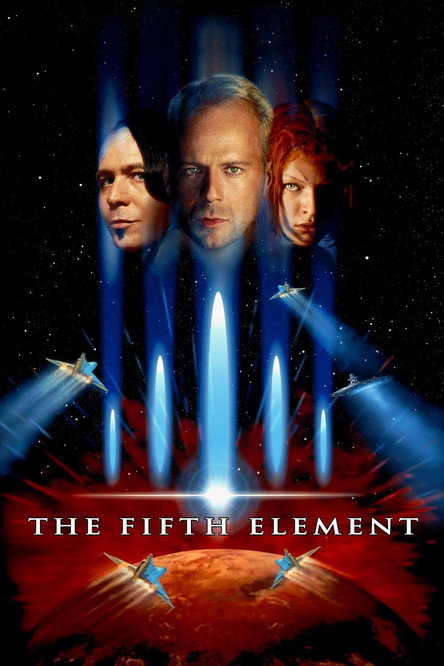
The Fifth Element1997
Luc Besson channeling early cinema's sense of visual delirium. Chromatic, operatic, utterly committed to its own excess. Pure joy and perfectly weird without pretending to be anything other than a flying car ride.
But Some find it aggressively silly rather than charmingly so. The plot is thin, and it absolutely does not take itself seriously, which some viewers treat as a flaw.
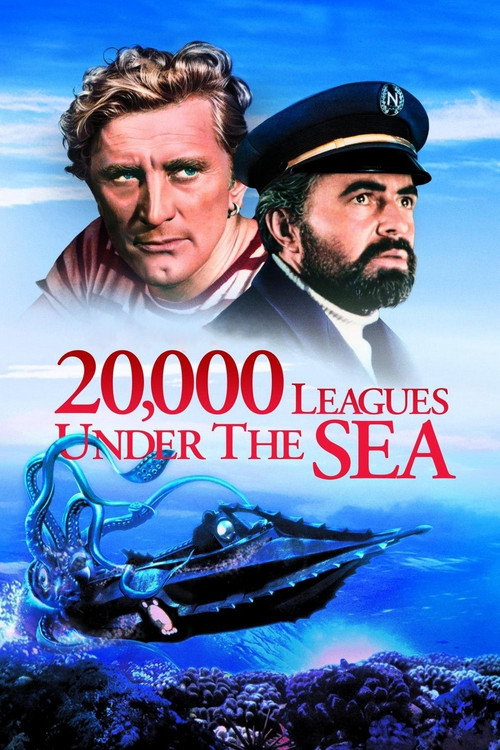
20,000 Leagues Under the Sea1954
Jules Verne adapted with the same spirit of wonder that animated Méliès. A submarine, a giant squid, and practical ingenuity. Visually stunning and genuinely thrilling, never cynical about the marvels on screen.
But The pacing is stately and the scientific exposition heavy-handed. If you want spectacle uninterrupted by plot, you'll get impatient.
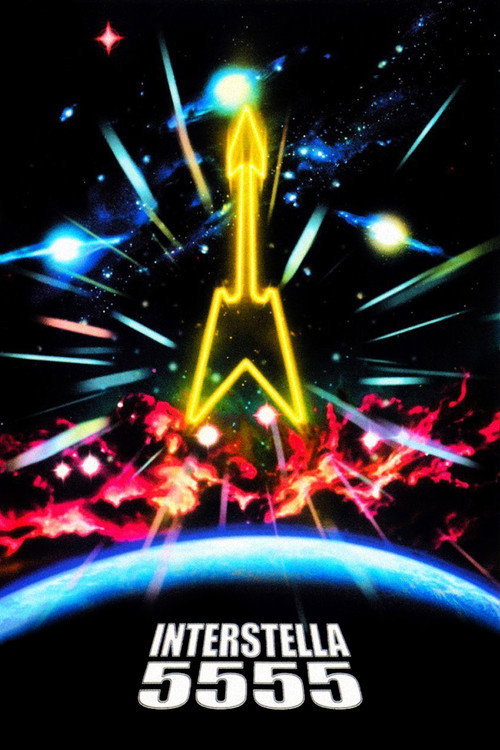
Interstella 5555: The 5tory of the 5ecret 5tar 5ystem2003
A feature-length animation with zero dialogue—pure visual storytelling about a space journey. Daft Punk's homage to classic sci-fi pulp, rendered in gorgeous hand animation. Silent cinema for the twenty-first century.
But No dialogue means you're entirely dependent on music and image to carry emotion. Some find the story thin beneath the aesthetic beauty.
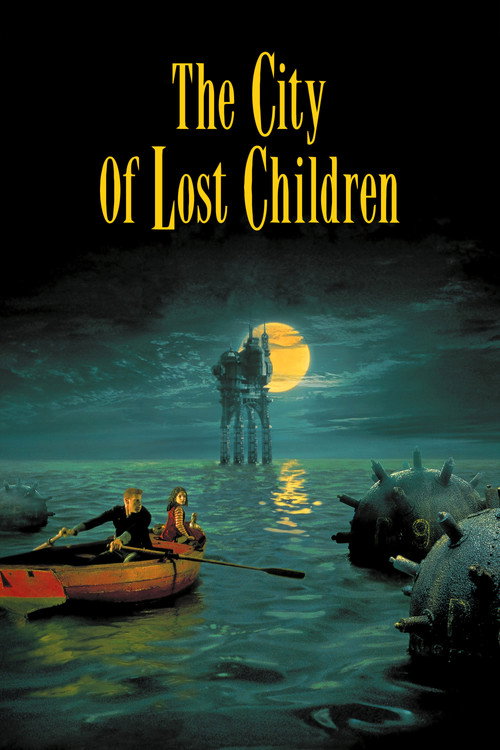
The City of Lost Children1995
A dark fairy tale with the theatrical, tactile imagination of early cinema. Orphans, clones, and a mad scientist on a floating fortress. Weird, touching, and visually inventive in ways that feel handmade and precious.
But It's deliberately strange and sometimes genuinely unsettling. The tone shifts are abrupt and the narrative is deliberately elliptical.
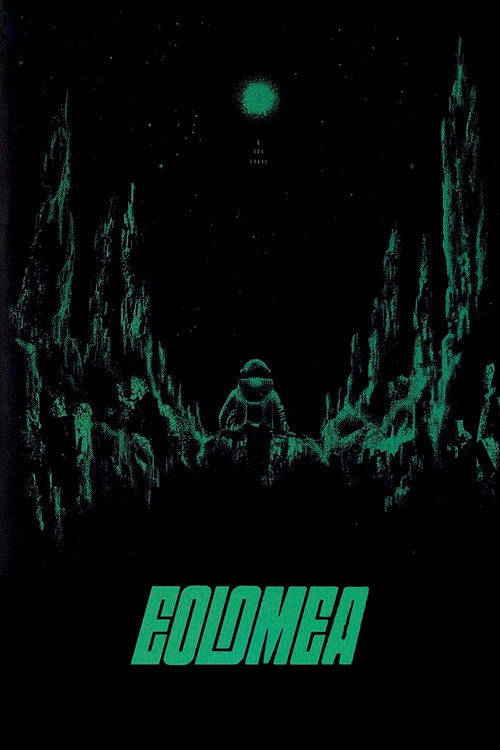
Eolomea1972
A Soviet space opera that captures the wonder of early sci-fi while being entirely its own thing—philosophical, visually stunning, and genuinely alien. A hidden gem that treats the cosmos with reverence.
But It's slow, episodic, and requires real patience. The Soviet sensibility is unfamiliar to many viewers, and it's difficult to find.
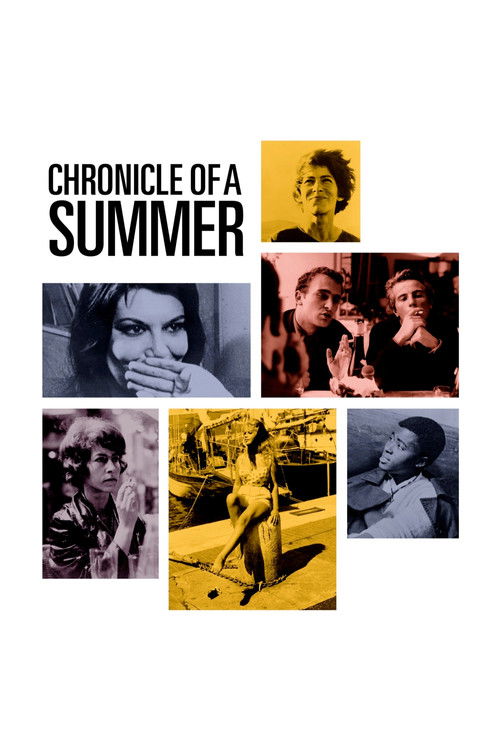
Chronicle of a Summer1961
Both are radically inventive uses of film technology, but they're inventing different things. Méliès proved cinema could create impossible worlds. This proved it could capture something truer than reality in plain daylight. Both are about cinema discovering what it actually is.
A French documentary that asks 'Are you happy?' of strangers in Paris and watches their answers. No special effects, no fiction—just the most direct kind of cinema. It's the anti-Méliès, and it's liberating in what it proves film can do without tricks.
But It's a fifty-five-minute documentary about ordinary people in 1961 Paris. If you came for spectacle, this is the opposite.
People
Directing
- Ashley MillerDirector