
Film
L'Atalante
L'Atalante is less a story than a mood: a barge drifting down grey French canals, a marriage fraying and mending in cramped quarters, and a hold full of cats and curios kept by a sailor who might be a saint or a madman. Jean Vigo's only feature is tender, strange, and visually intoxicating — cinema that trusts images over plot. For patient romantics and anyone who loves a film that feels more than it explains.
If you liked this
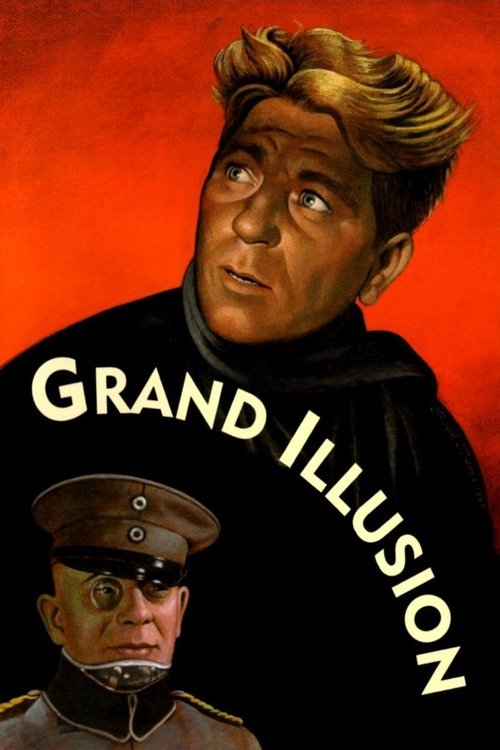
Grand Illusion1937
Renoir's prisoner-of-war classic shares L'Atalante's era and its faith in human tenderness over plot mechanics — a film about class, friendship and dignity that moves with the same patient, generous eye.
But It's talky and gentlemanly where Vigo is dreamlike; if you wanted more poetry and less conversation, this can feel stately by comparison.
Sunrise: A Song of Two Humans1927
Murnau's silent romance about a fraying marriage is the clearest ancestor here — expressionist, visually rapturous, and just as convinced that love is strange, ugly, and worth saving anyway.
But Silent-film rhythms and intertitles take adjustment, and its melodrama is broader and more theatrical than Vigo's understatement.

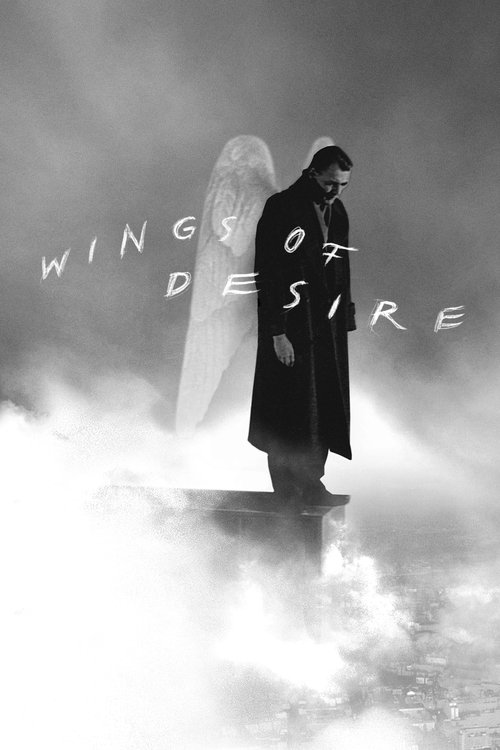
Wings of Desire1987
Wenders' angels-over-Berlin fantasy has the same trust in image over story, the same tenderness toward ordinary lonely people, and a similarly weightless, dreamlike camera.
But It's more overtly philosophical and slower still — patience required, and the fantasy element is more literal than Vigo's.
The wildcard
Something you would not have found on your own.
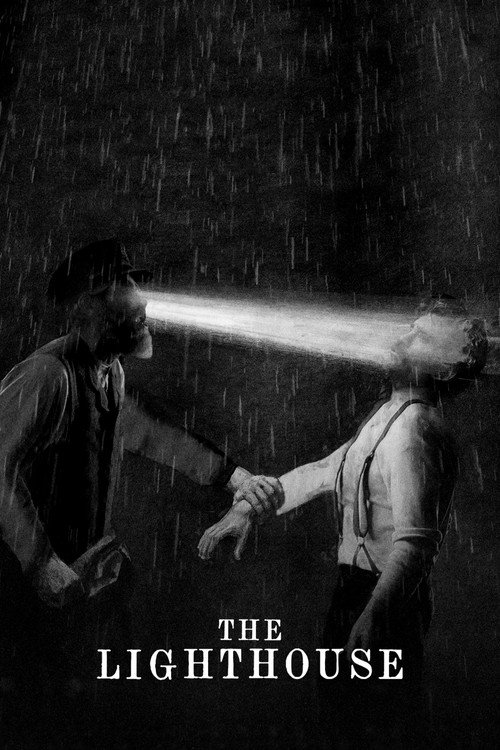
The Lighthouse2019
Two men marooned together at sea, black-and-white cinematography turning water and weather into something almost alive, and an intimacy curdling into madness — Vigo's barge reimagined as gothic horror.
Robert Eggers' feral two-hander shares Vigo's black-and-white seascapes and claustrophobic vessel-bound intimacy, pushing the same ingredients — isolation, water, a strange older man — into full folk-horror delirium.
But It's loud, grotesque and deliberately unpleasant where Vigo is tender; expect flatulence jokes and screaming, not lyricism.
More like this (7)
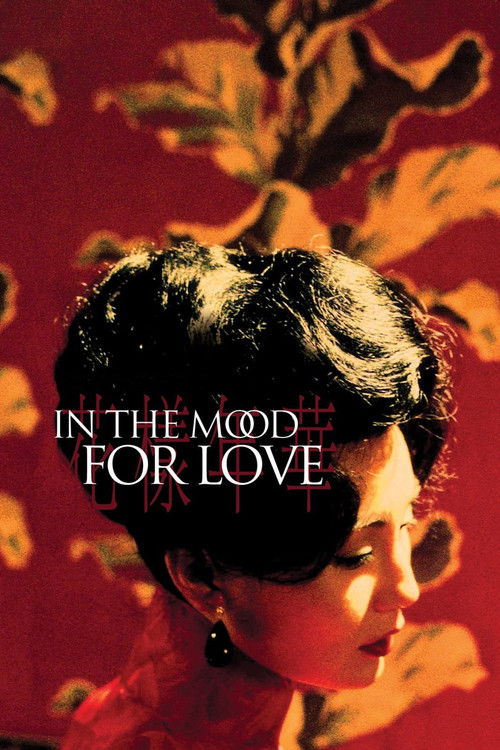
In the Mood for Love2000
Wong Kar-wai's aching near-romance is pure visual longing, all mood and gesture, the closest modern equivalent to Vigo's belief that desire lives in glances and rooms more than dialogue.
But It's about restraint and unconsummated feeling rather than a marriage already begun — a cooler, more melancholic register throughout.
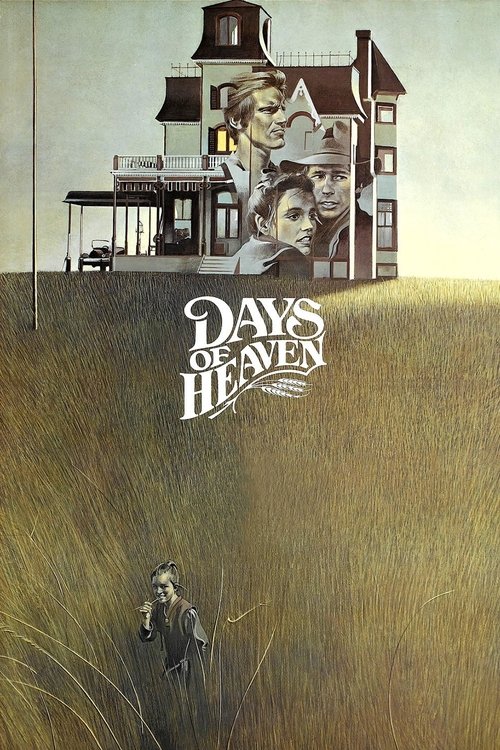
Days of Heaven1978
Malick's drifting, sun-drenched tragedy treats landscape and light as characters in themselves, the same way Vigo treats the barge and the river — cinema as pure sensation.
But Dialogue is sparse to the point of absence; if you want people talking about their feelings, this withholds almost entirely.
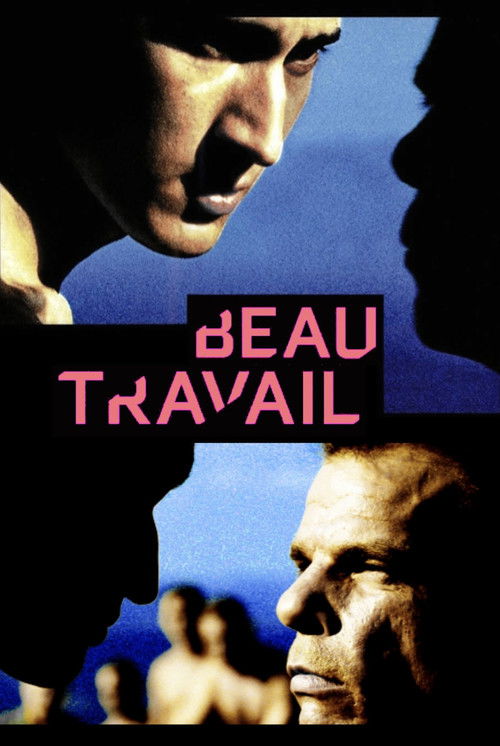
Beau Travail2000
Claire Denis turns life among men — soldiers this time, not sailors — into abstract, hypnotic imagery, echoing Vigo's instinct that bodies and water say more than words.
But Almost no plot and long stretches of near-silent movement; it demands surrender rather than following a story.
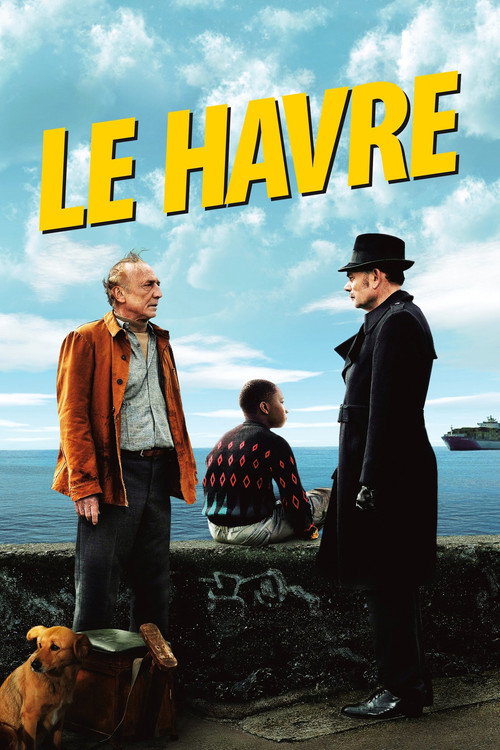
Le Havre2011
Kaurismäki's deadpan fable is set in a French port town not unlike Vigo's world, full of odd tender souls and a stubborn belief in kindness against grim circumstances.
But The humour is drier and more absurdist; if you want lyrical camera movement, this is flatter and more static.
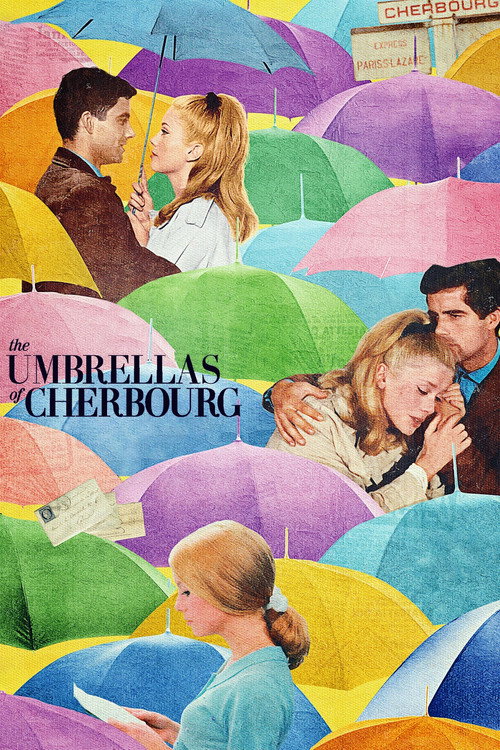
The Umbrellas of Cherbourg1964
A French romance told entirely in song, following young love into the compromises of adult life — a more candy-coloured cousin to Vigo's grittier vision of marriage.
But It's a full-blown musical; if singing dialogue isn't your thing, the artifice will grate rather than charm.
Boudu Saved from Drowning1932no page yet
Michel Simon, Vigo's magnificently filthy Père Jules, plays an even more unruly force of nature for Renoir three years earlier — the same anarchic body let loose in pure comedy rather than poetic drama.
Watch Michel Simon at his most gloriously untamed, playing a vagrant who upends a bourgeois household — the same physical genius that makes Père Jules so unforgettable, here in outright farce.
But It's broad social comedy, brisk and cynical, with none of Vigo's dreamy visual poetry or romantic ache.
À propos de Nice1930no page yet
Vigo's own silent short, made four years earlier, shows the same restless eye for bodies, water and class before he turned it toward romance — the raw sketch behind the finished poem.
A twenty-five-minute silent documentary by Vigo himself, satirising Riviera leisure with sly, angry editing — see the political anger and visual wit that later softened into L'Atalante's tenderness.
But It's a fragment, not a story — no characters, no romance, just documentary satire, and silent-era rhythms some find alienating.
People
Cast
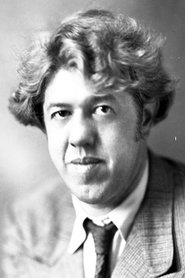 Michel SimonPère Jules
 Dita ParloJuliette
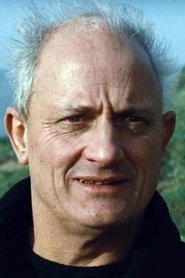 Jean DastéJean
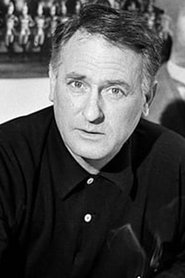 Gilles MargaritisPeddler
 Louis LefebvreCabin Boy
- Maurice GillesOffice Manager
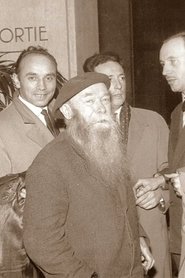 Raphaël DiligentRaspoutine, the boatman
- Claude Aveline(uncredited)
- René BlechBest Man at Wedding (uncredited)
- Lou BoninPassenger at Railway Station (uncredited)
 Charles DoratThief (uncredited)
- Genya LozinskaFortune Teller (uncredited)
Directing
- Jean VigoDirector
- Pierre MerleFirst Assistant Director
- Fred MatterScript Supervisor
- Jacqueline MorlandScript Supervisor
- Albert RiéraSecond Assistant Director
Writing
- Albert RiéraScreenplay
- Jean GuinéeScreenplay
- Jean VigoScreenplay
Production
- Jacques-Louis NounezProducer
- Henri ArbelUnit Manager