
Film
The Lost Patrol
- Action
- Very dark
A WWI British patrol loses its commander in the Mesopotamian desert and must navigate toward safety with dwindling resources and mounting paranoia. John Ford's taut 1934 survival tale is less about combat than the slow fracture of discipline under fear and heat. Bleak, claustrophobic despite the open desert, and genuinely unsettling—a wartime chamber piece stripped to its bones.
Should you watch it?
Watch it if you love lean, claustrophobic survival stories where the tension comes from men turning on each other as much as from the enemy, and you don't mind a stage-bound studio desert.
Skip it if you want sweeping battles or a spread-out war epic; this is cramped, talky and nearly all held in one dry, shrinking place, with little to look at beyond the men themselves.
What it asks of you: Seventy-three minutes, no wasted scenes, and a steady, mounting dread; it rewards close attention to faces and small exchanges more than to action.
Not sure? Find tonight's pick in a minute.
If you liked this
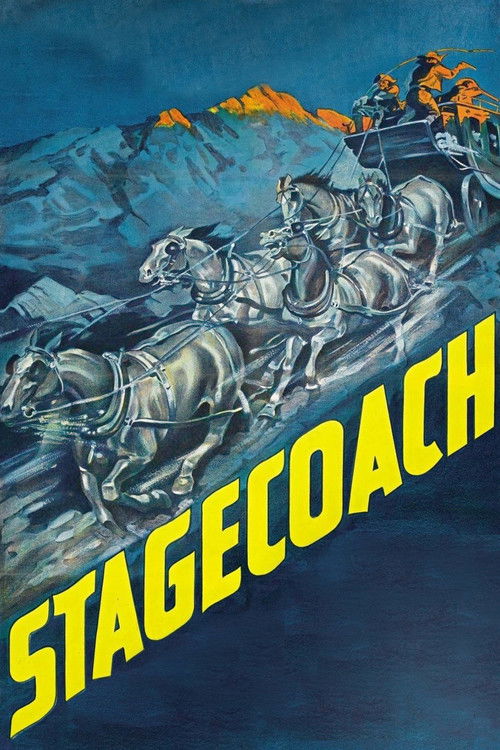
Stagecoach1939
Ford's masterpiece about strangers trapped by circumstance in dangerous territory. A group quarrels, bonds, and fractures while external threat mounts. Technically brilliant and emotionally alive in ways that still feel modern.
But It's a Western, not a war film, so the shift in setting might feel like a detour if you're chasing desert warfare specifically.
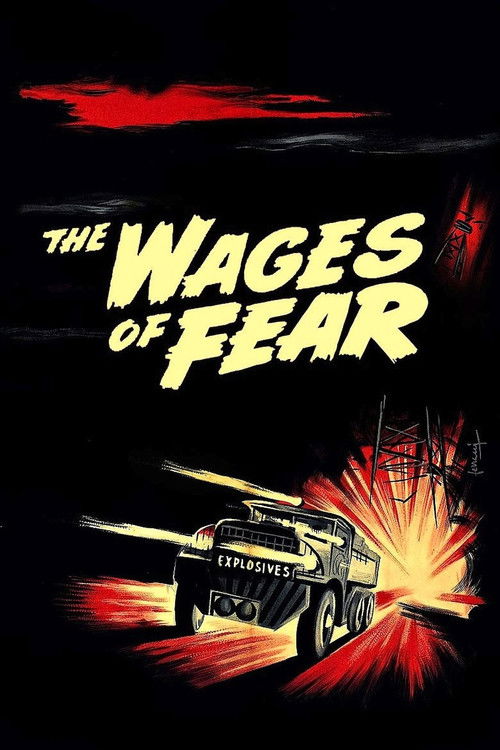
The Wages of Fear1953
A patrol of men trapped in hostile terrain, running on fumes and fear. Saulnier builds dread through intimate character work and the slow erosion of hope. Arguably the definitive film about survival as psychological breakdown.
But French, subtitled, and deliberately paced. If you want action beats, this withholds them almost to the point of cruelty.
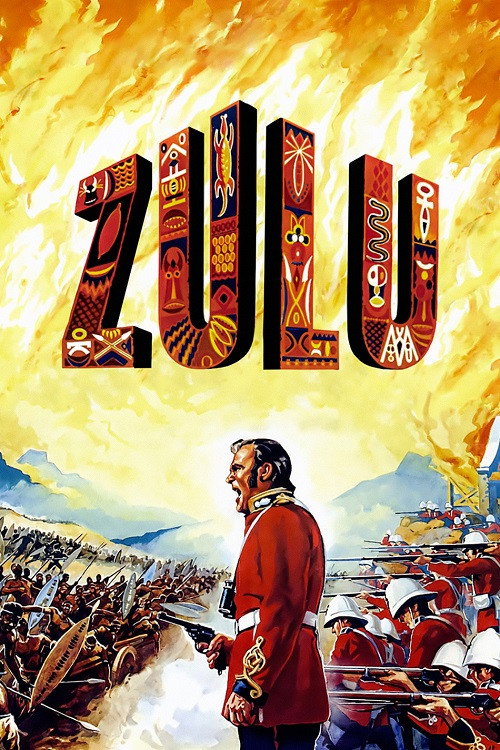
Zulu1964
A British military unit under siege in Africa, outnumbered and isolated. Baker's film has Ford's DNA but adds spectacle—vast battle sequences alongside the character study. Heroic without being naive.
But Much longer and louder than The Lost Patrol. The tone is more martial anthem than existential unease.
Not sure tonight? Get a pick in a minute, starting from The Lost Patrol
The wildcard
Something you would not have found on your own.
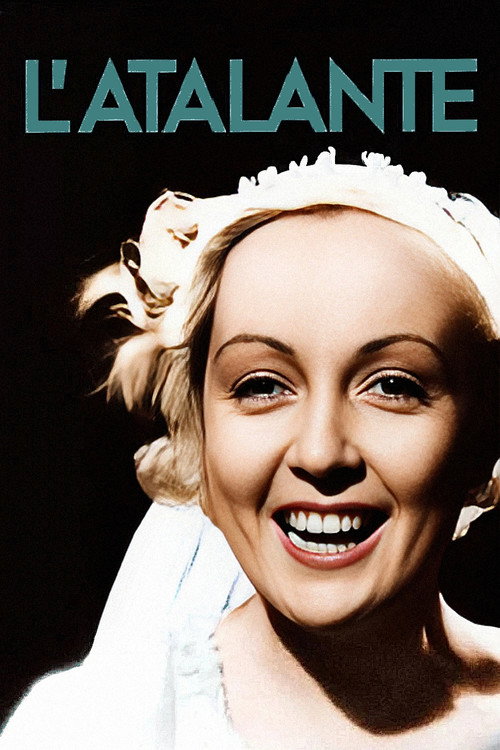
L'Atalante1934
Both films from 1934 understand that isolation breeds madness faster than hunger. Both are claustrophobic studies of people coming apart under constraint, with the hostile environment (desert, river) as mirror for internal fracture.
Vigo's fever-dream masterpiece is about a group confined to a barge on a river, watching their world collapse into obsession and resentment. It's a survival film rotated 90 degrees: trapped not by desert but by each other, disintegrating from the inside.
But French silent, dreamlike and oblique where The Lost Patrol is direct. The symbolic language might feel remote; this is not naturalistic cinema.
More like this (8)
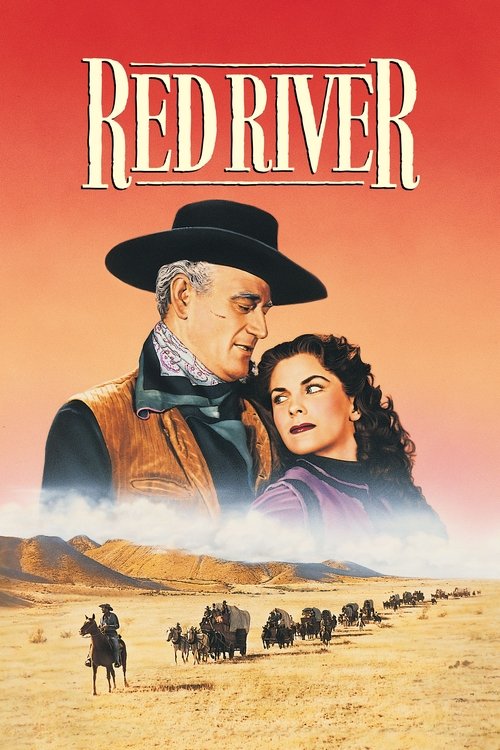
Red River1948
Hawks' cattle drive Western is really a story of command breaking down under pressure. Two men, a goal, and the slow realization that authority can poison leadership. Wayne and Clift are magnificent.
But It's a sprawling narrative, not a pressure cooker. You have to sit with a lot of ranch life and romantic subplot.
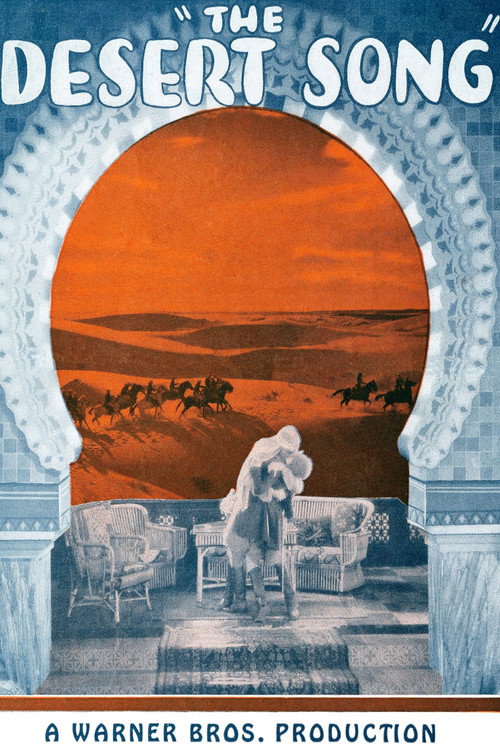
The Desert Song1929
Silent adventure in North Africa with real location shooting and stunning compositional work. Captures the alien beauty and menace of desert terrain that Ford understood so well.
But It's a 1929 silent with a romantic plot that eats screen time. The pacing will feel glacial if you're used to modern editing.
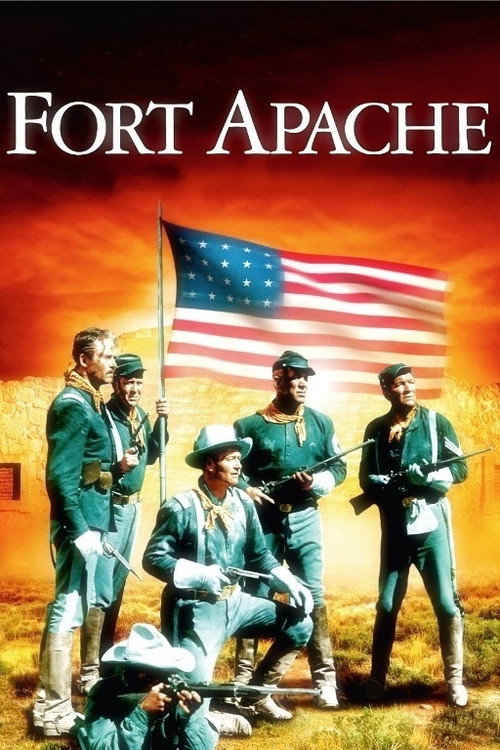
Fort Apache1948
Ford returns to the theme of a military unit cut off and tested. Less about survival than about rigid doctrine meeting reality, and what happens when hierarchy prevents common sense. A portrait of institutional thinking gone wrong.
But The Western setting is familiar Ford territory; if you're looking for desert-specific atmosphere, the Arizona locations don't quite match Mesopotamia.
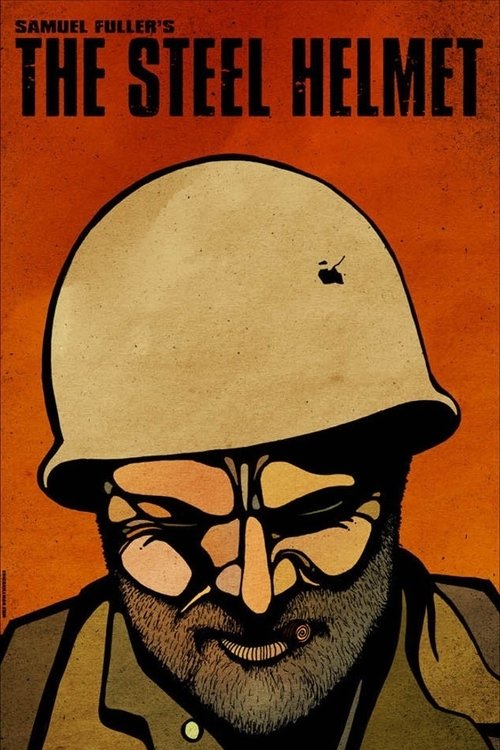
The Steel Helmet1951
Fuller's Korean War film captures men in a small perimeter under siege. Brutal, unsentimental, and economically told. Shot fast and cheap, which somehow makes the desperation feel more real.
But Grainier and rougher than The Lost Patrol in every way. If you value craft, this might look too scrappy.
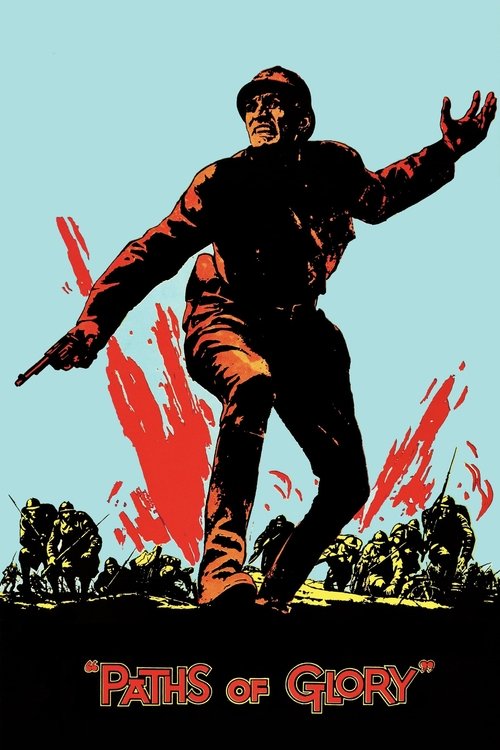
Paths of Glory1957
Kubrick's WWI film about soldiers as trapped men—by terrain, yes, but more by the machinery of war itself. A patrol film that becomes something darker: an indictment of the system they serve.
But It's a courtroom and trench drama, not purely a survival story. If you want pure desert action, you're looking at the wrong film.
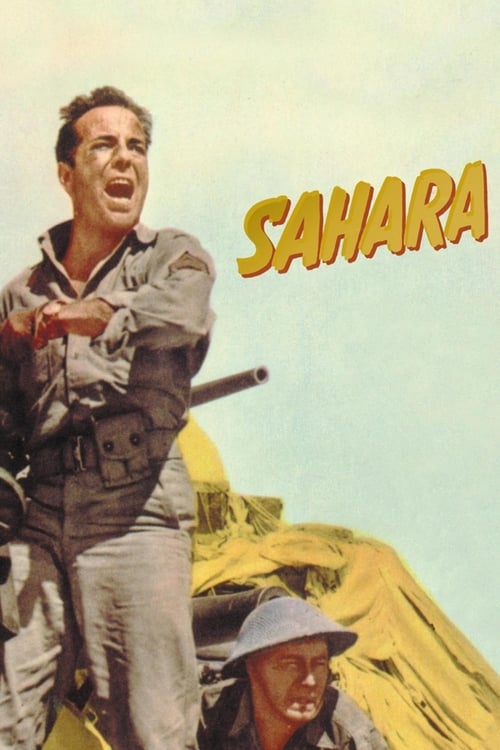
Sahara1943
A tank crew and their passengers flee across North Africa, the landscape as much antagonist as the enemy. Bogart leads a group held together by circumstance and shrinking options. Tense and propulsive.
But It's a bit more conventional than The Lost Patrol—the mechanics of plot are visible and the faith in narrative resolution is stronger.
Come and See1985
Both films refuse the dignity of heroic narrative. Both watch disciplined men come undone by forces larger than will. Come and See is what The Lost Patrol becomes if the siege never lifts—despair without hope of resolution.
A Soviet film about a boy soldier in WWII drawn into a patrol through occupied Belarusian forest. Overwhelming, visceral, and genuinely difficult—the sound design alone is a character. There is no film that better captures the annihilation of the self by war.
But It is brutal and extreme in ways that feel almost unwatchable. If The Lost Patrol unsettled you, this will break you. Not recommended casually.

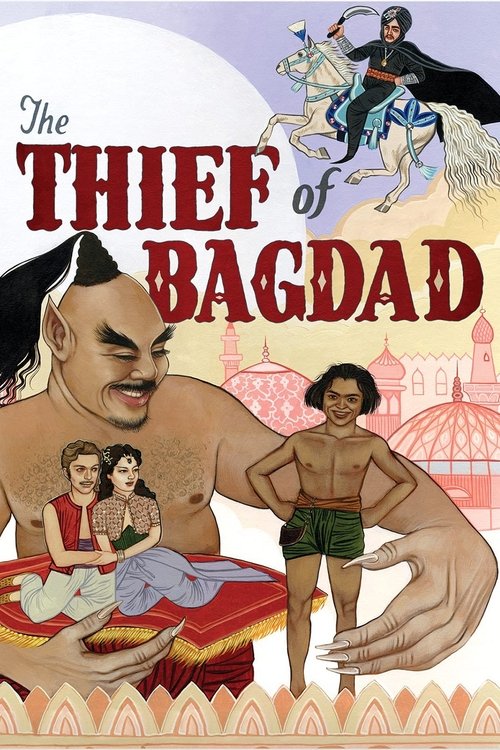
The Thief of Bagdad1940
Both are British imperial-era films set in the Middle East and North Africa, but The Thief is what the myth-making looks like versus The Lost Patrol's unflinching reality. Watching them back-to-back reveals how propaganda and art diverged in the same moment.
Korda's fantasy adventure is set in the same region with some of the same cast sensibility, but it's a Technicolor escape dream—breathtakingly beautiful, impossible. Karloff appears here too, opposite type. A palate cleanser that proves the Orient could be paradise as easily as prison.
But It's a fairy tale with aerial sequences and magic, not grounded survival drama. Tonally, it's the opposite frequency. If you want realism, you're looking backward instead.
People
Cast
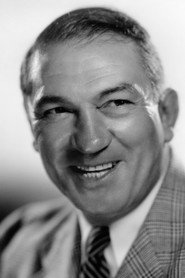 Victor McLaglenThe Sergeant
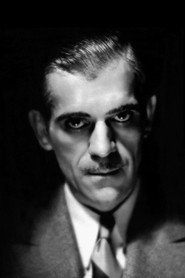 Boris KarloffSanders
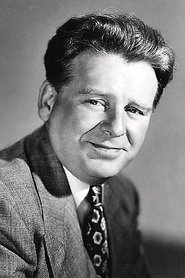 Wallace FordMorelli
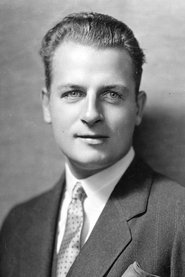 Reginald DennyBrown
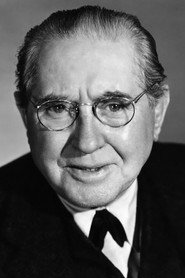 J.M. KerriganQuincannon
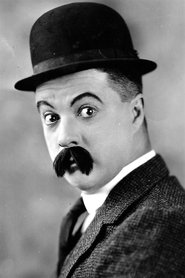 Billy BevanHale
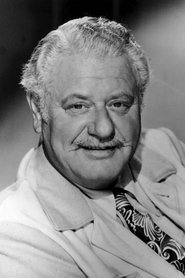 Alan HaleCook
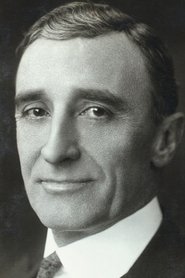 Brandon HurstBell
 Douglas WaltonPearson
 Sammy SteinAbelson
- Paul HansonMacKay
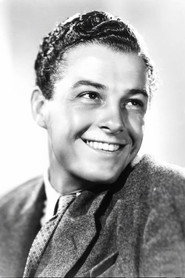 Howard WilsonAviator
Directing
- W. Argyle NelsonAssistant Director
- John FordDirector
Writing
- Garrett FortAdaptation
- Dudley NicholsScreenplay
- Philip MacDonaldStory
Production
- Cliff ReidAssociate Producer
- Merian C. CooperExecutive Producer
- John FordProducer