
Film
Reap the Wild Wind
A Technicolor swashbuckler set in 1840s Key West, where salvagers race to rescue sailors and cargo from shipwrecks. Director Cecil B. DeMille brings his characteristic spectacle to nautical adventure—storm sequences, sword fights, and genuine underwater footage. It's romance, action, and the kind of old Hollywood artifice that either delights or exhausts you. For fans of grand adventure filmmaking.
Should you watch it?
Watch it if you love big, old-fashioned studio spectacle where a love triangle, sea-going rivalry and gorgeous storm sequences are all staged with a showman's appetite for scale, like a classic Hollywood adventure built to fill a cinema screen.
Skip it if you want a lean, modern pace; this one takes its time setting up its rivalries and romance, and the dialogue leans into 1940s melodrama that may feel stagy to contemporary eyes.
What it asks of you: It runs close to two hours, unhurried in its middle stretches, and asks you to settle in for a romance-and-rivalry story wrapped around big set-piece action rather than quick cuts.
Not sure? Find tonight's pick in a minute.
If you liked this
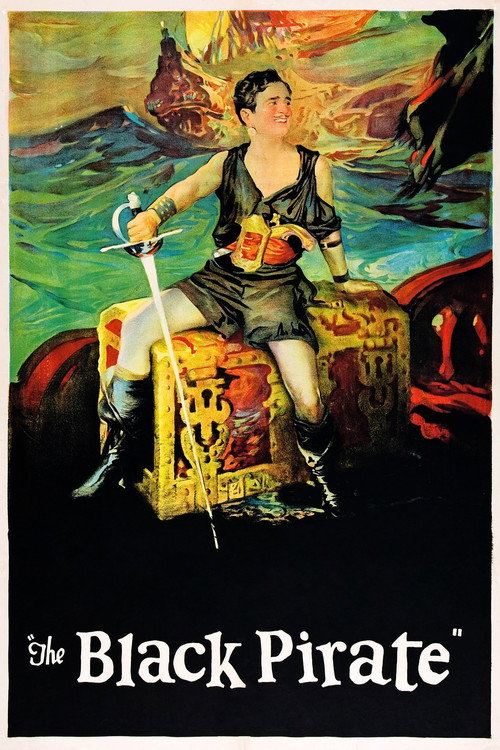
The Black Pirate1926
Douglas Fairbanks at peak swashbuckling athleticism, performing his own stunts on a ship. An influence on everything that followed—including this film. The silent-era ancestor of the adventure spectacle.
But Silent film requires patience with intertitles and a different rhythm of storytelling. The comedy can feel dated.
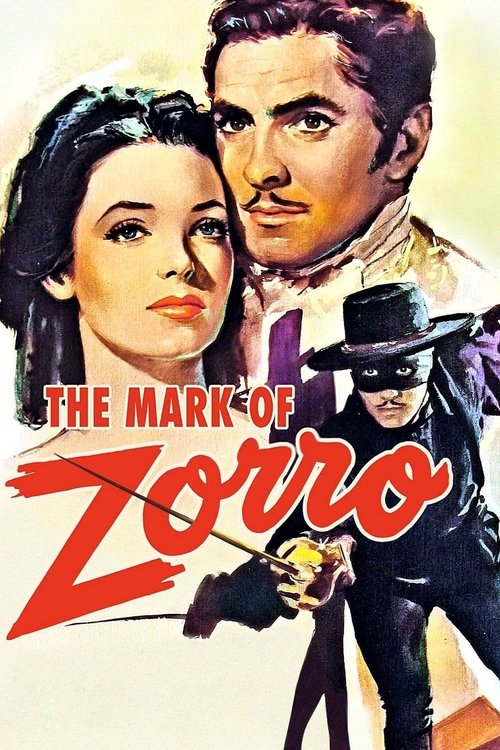
The Mark of Zorro1940
Tyrone Power in the role that defined the masked hero template. Romance, comedy, and sword work in perfect balance—lighter and more fun than Reap the Wild Wind, but with the same adventure DNA.
But The pacing is leisurely by modern standards. It's more interested in charm than stakes.
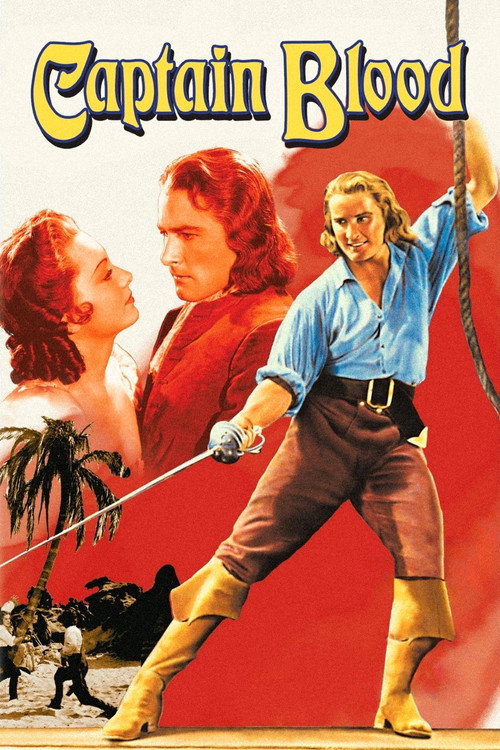
Captain Blood1935
Errol Flynn in DeMille's spiritual predecessor: a wronged man turned pirate, with incredible sword choreography and genuine romance. This is the film that proved adventure movies could be both thrilling and beautifully shot.
But The politics are colonial and unexamined. Some sequences drag by modern standards.
Not sure tonight? Get a pick in a minute, starting from Reap the Wild Wind
The wildcard
Something you would not have found on your own.
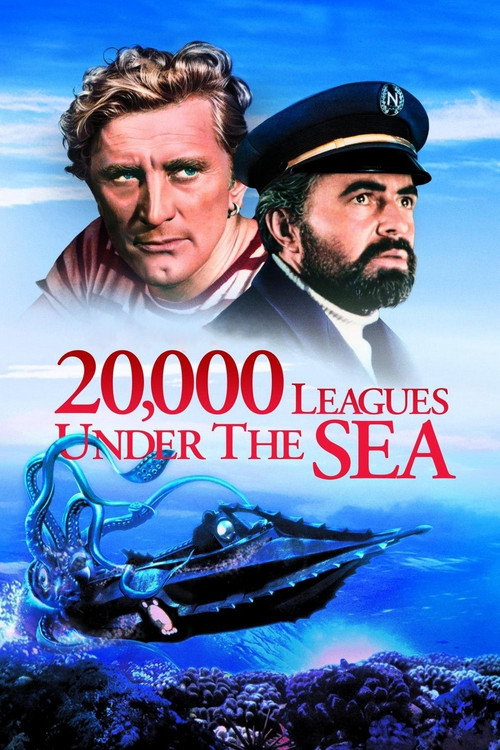
20,000 Leagues Under the Sea1954
Both films commit to underwater photography as the beating heart of the spectacle. Both understand that the ocean itself is the antagonist.
Disney's adaptation brings Reap the Wild Wind's underwater spectacle into a completely different register—science fiction instead of historical adventure, darkness instead of brightness. The submarine design is legendary. James Mason's Nemo and Kirk Douglas's Ned are a far more complex dynamic than Reap's hero-heroine pairing.
But It's deliberately paced and philosophical. If you came for constant action, the long character moments will test you.
More like this (7)
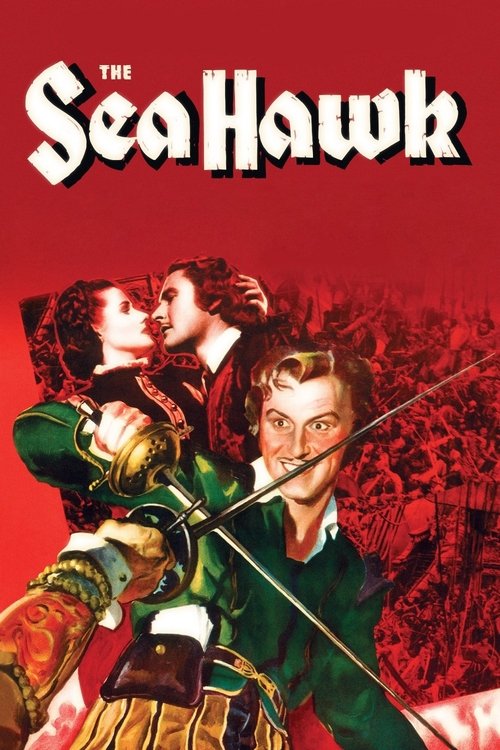
The Sea Hawk1940
Errol Flynn again, but this time directed by Michael Curtiz with deeper political allegory buried under swashbuckling. It's Reap the Wild Wind's spiritual cousin—ships, fighting, and moral complexity.
But The Technicolor is less vivid than you'd expect. The plotting can feel episodic.
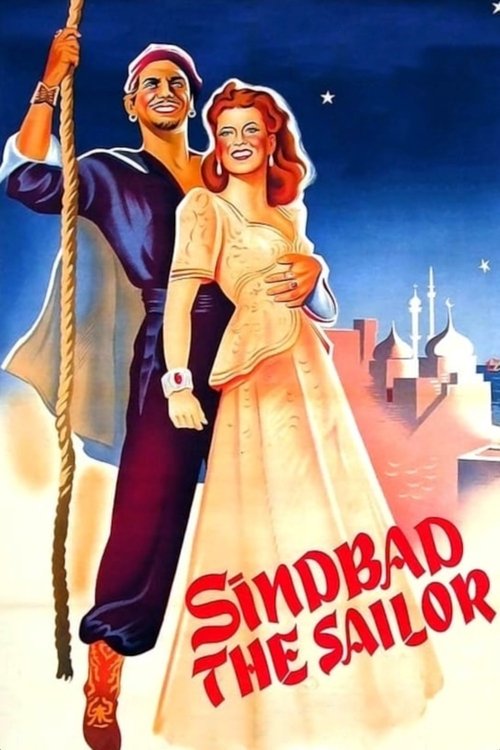
Sinbad the Sailor1947
Douglas Fairbanks Jr. in another DeMille spectacle with underwater sequences, exotic locations, and the same Technicolor maximalism. If you loved Reap the Wild Wind's visual excess, this is the logical next step.
But It's thinner on plot. The romance feels obligatory rather than earned.
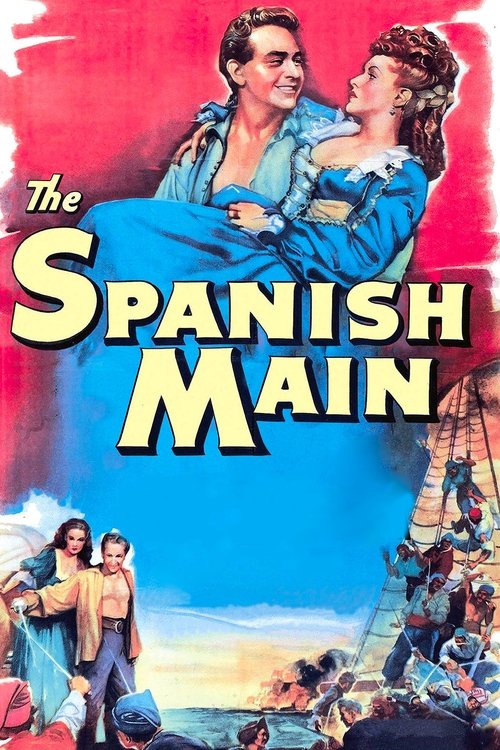
The Spanish Main1945
Paul Henreid and Maureen O'Hara in a rival-salvagers romp. Less prestigious than DeMille's work, but hits the same adventure notes with brisk pacing and genuine fun. The chemistry is effortless.
But The color grading has faded unevenly. The plot is purely mechanical—it doesn't pretend otherwise.
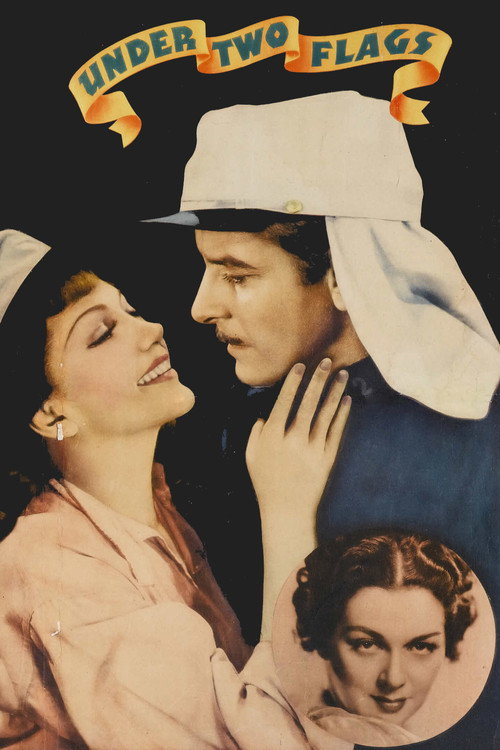
Under Two Flags1936
Ronald Colman and Claudette Colbert in Frank Borzage's underrated romance. The scale is smaller than Reap the Wild Wind, but the emotional truth runs deeper. A reminder that adventure doesn't need hurricanes.
But The colonial setting is dated and problematic. The second half abandons the adventure for pure melodrama.
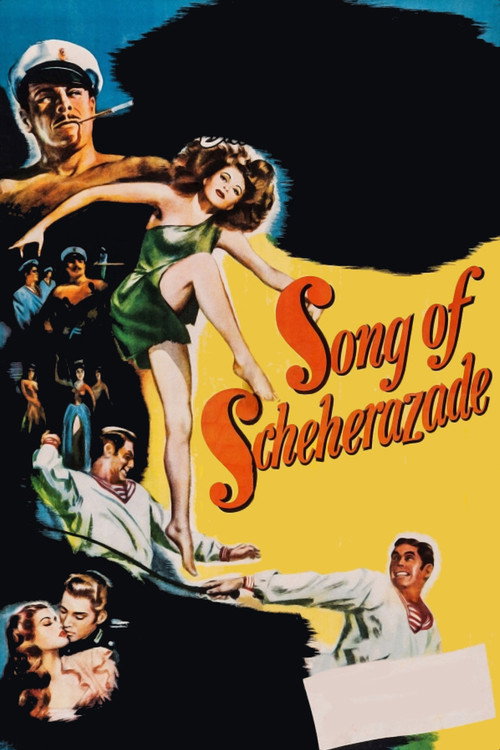
Song of Scheherazade1947
Yvonne De Carlo in a maritime adventure with Technicolor, music, and the same DeMille-era grandiosity. It's lighter and more theatrical, but the visual ambition is genuine.
But The plot is thin bordering on nonexistent. The tone wavers between camp and earnestness.
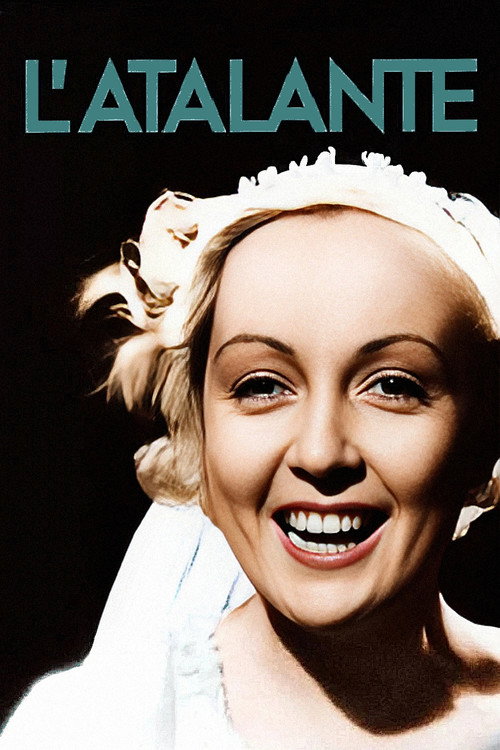
L'Atalante1934
Both are love stories poisoned by the sea. Both believe maritime life and domestic romance are fundamentally incompatible.
Jean Vigo's French masterpiece is a barge captain and his new bride, adrift on water and in feeling. It's romance and water and obsession, but filtered through poetry instead of action. The scenes underwater are dreamlike, almost hallucinatory—the opposite of DeMille's clarity, yet equally committed to the sea as myth.
But It's glacially slow and emotionally austere. There are no sword fights or special effects. It demands more than it gives until, suddenly, it gives everything.
Storm Center1956
Both films place a strong woman at the center and trust her judgment over the chaos around her. Loxi and Davis's character share a refusal to bend.
Bette Davis as a librarian, trapped in a small town's moral storm. It sounds nothing like Reap the Wild Wind—no ships, no action, no Technicolor. But it's about a woman fighting impossible odds to do what's right, about standing firm when the world demands compromise. Davis carries the film on sheer moral conviction.
But It's a serious message picture about censorship and conformity. There's barely a smile in it. If you want escape, this offers something else—confrontation.

People
Cast
 Paulette GoddardLoxi Claiborne
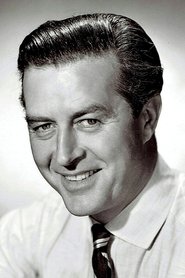 Ray MillandStephen Tolliver
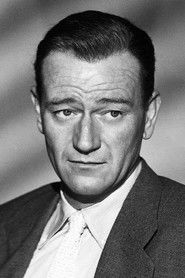 John WayneCaptain Jack Stuart
 Raymond MasseyKing Cutler
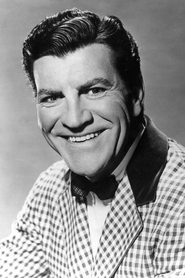 Robert PrestonDan Cutler
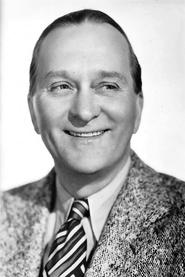 Lynne OvermanCaptain Phillip Philpott
 Susan HaywardDrusilla Alston
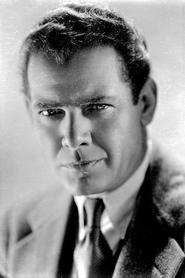 Charles BickfordMate of the 'Tyfib'
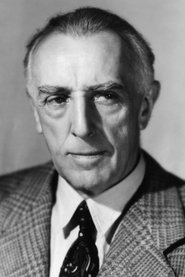 Walter HampdenCommodore Devereaux
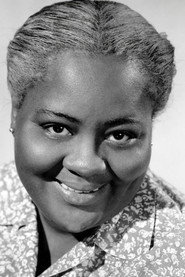 Louise BeaversMaum Maria
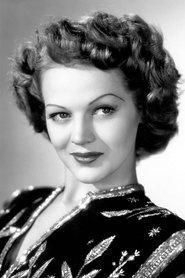 Martha O'DriscollIvy Devereaux
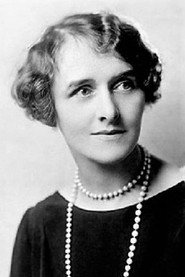 Elisabeth RisdonMrs. Claiborne
Directing
- Edward SalvenAssistant Director
- Cecil B. DeMilleDirector
- C. Kenneth DelandFirst Assistant Director
- Chico AlonsoFirst Assistant Director
- Clem JonesFirst Assistant Director
- Howard JoslinFirst Assistant Director
- Art CampSecond Assistant Director
- Arthur RossonSecond Unit Director
Writing
- Alan Le MayScreenplay
- Charles BennettScreenplay
- Jesse Lasky Jr.Screenplay
- Thelma StrabelStory
Production
- Harvey DwightAssistant Unit Manager
- William H. PineAssociate Producer
- Buddy G. DeSylvaExecutive Producer
- Norman LaceyLocation Manager
- Cecil B. DeMilleProducer
- Curtis MickUnit Manager
- Frank CaffeyUnit Manager
Recommended by
The Sea Beast, Son of Fury: The Story of Benjamin Blake, The Buccaneer