
Film
Song of Scheherazade
A Technicolor adventure-romance that uses Rimsky-Korsakov's life as a loose frame for musical spectacle and Mediterranean intrigue. Yvonne De Carlo dances, composers compose, and a Russian naval cadet pursues inspiration across Morocco in 1947 Hollywood's idea of exotic glamour. Undemanding, visually lush, for anyone who enjoys old-fashioned adventure with a musical score.
Should you watch it?
Watch it if you love old Hollywood musicals where the score is the emotional engine, and you enjoy a romance tangled up with a composer who is more distracted by his notes than by the woman in front of him.
Skip it if you want a tight, fast plot; this one is a loose, leisurely 105 minutes that lingers on lush studio atmosphere and wanders from its central romance more than once.
What it asks of you: Settle in for a gentle, sentimental pace with frequent pauses for music, and bring patience for a story that drifts rather than drives toward its finish.
Not sure? Find tonight's pick in a minute.
If you liked this
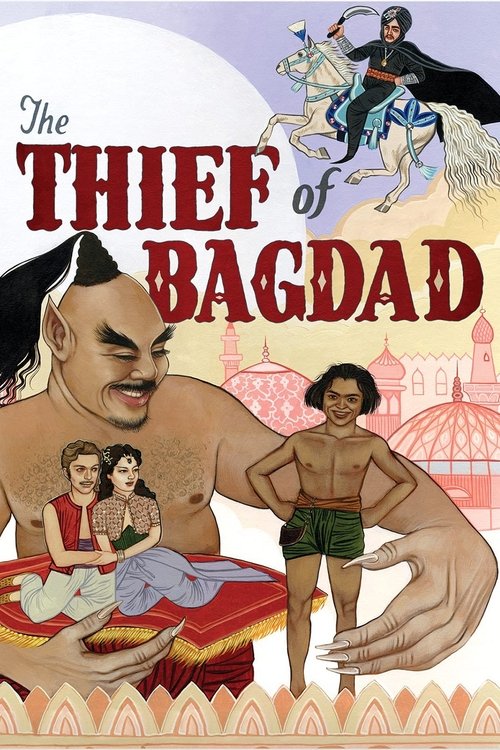
The Thief of Bagdad1940
Technicolor fantasy-adventure with the same DNA: exotic locations, romantic chaos, magical set design, and a sense that spectacle matters more than plausibility. Thrilling and genuinely beautiful.
But The pacing is leisurely by modern standards, and some of the cultural framing feels dated. Nearly three hours long.
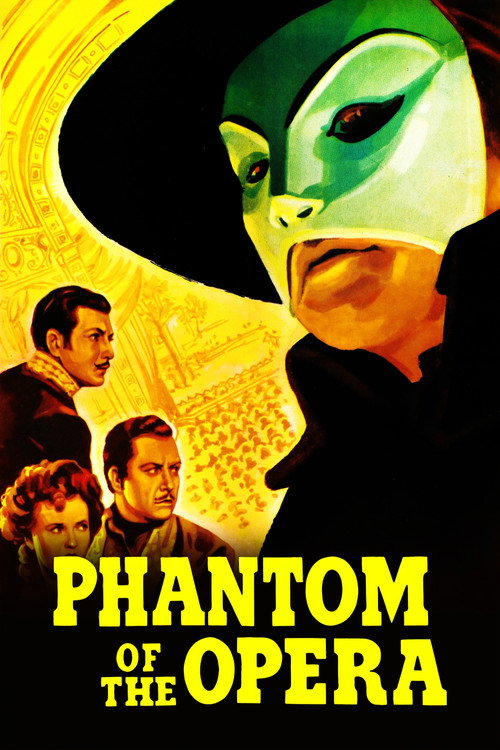
Phantom of the Opera1943
Another Technicolor vehicle built around music and romance, with Claude Rains and a production design that overwhelms the modest plot. You're there for the atmosphere and the score, not narrative surprise.
But Very static for long stretches. The opera sequences are the point; if you're impatient with musical performance, you'll feel the drag.
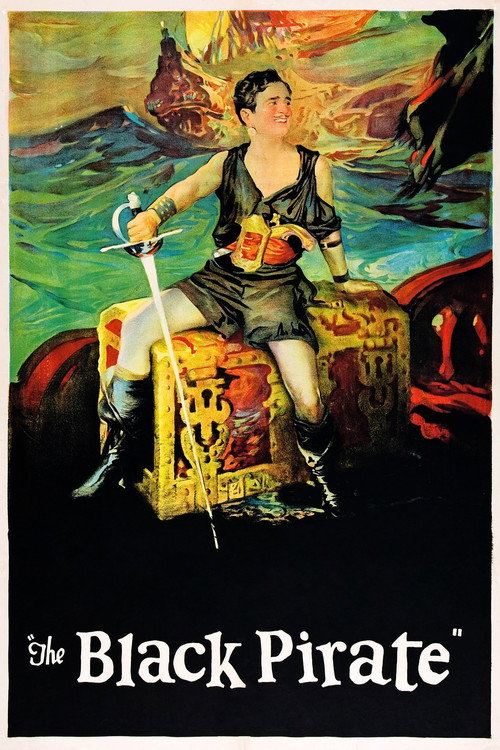
The Black Pirate1926
Douglas Fairbanks swashbuckling in Technicolor before sound existed—ships, sword fights, impossible stunts, and genuine physical comedy. Shows how old adventure films earned their pleasure honestly.
But Silent film requires patience. The plot is as thin as tissue. The pacing is theatrical, not cinematic by current habit.
Not sure tonight? Get a pick in a minute, starting from Song of Scheherazade
The wildcard
Something you would not have found on your own.
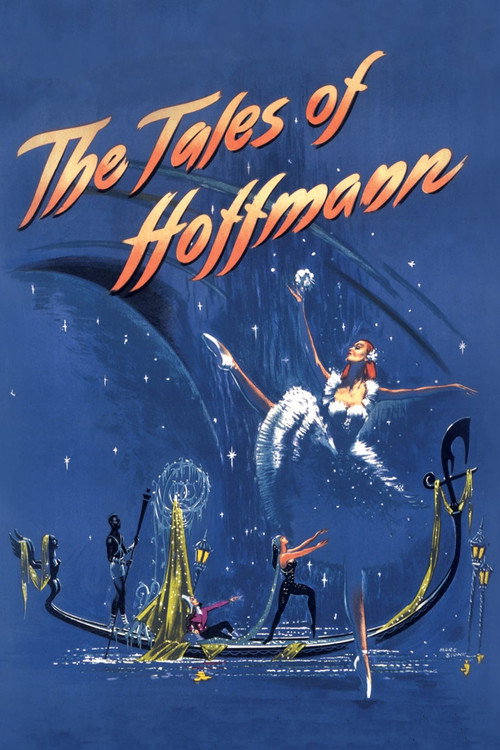
The Tales of Hoffmann1951
Both use a composer's life and music as the skeleton for a visual fantasy rather than biography. Both believe spectacle and song justify the running time.
A filmed opera—not a concert, a full ballet-opera hybrid with Moira Shearer dancing through three romantic tales about a composer. It's what Song of Scheherazade wanted to be: architecture-level ambition in Technicolor, where music and dance aren't decoration but the entire point.
But It's operatic in every sense: slow, symbolist, sometimes opaque. If you need plot momentum or dialogue clarity, you'll struggle. Nearly two hours of Jacques Offenbach.
More like this (8)
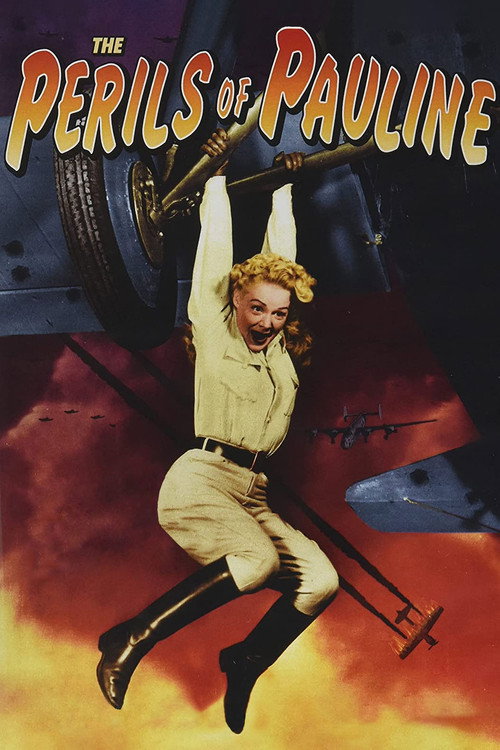
The Perils of Pauline1947
Released the same year, same spirit of colorful melodrama with song and romance. Betty Hutton in constant, cheerful peril. Light as air and twice as fun.
But The humor hasn't aged uniformly well. It's very much a product of its moment in a way that can feel quaint.
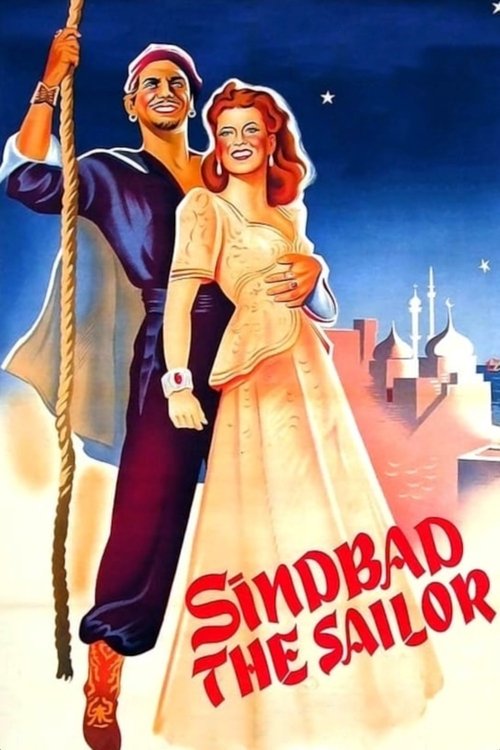
Sinbad the Sailor1947
Douglas Fairbanks Jr. in Technicolor adventure—shipwrecks, treasure, magical creatures, costumes, and the same sense of plot as an excuse for spectacle. Breezy and visually confident.
But The narrative is gossamer-thin and occasionally feels stalled. The romance subplot competes awkwardly with the adventure.
The Red Shoes1948
A ballet film that takes its art form seriously while still being narrative entertainment. Far more sophisticated about music and performance, shot with overwhelming visual ambition.
But It's much darker and more psychologically intense. If you want entertainment without weight, this goes the opposite direction.

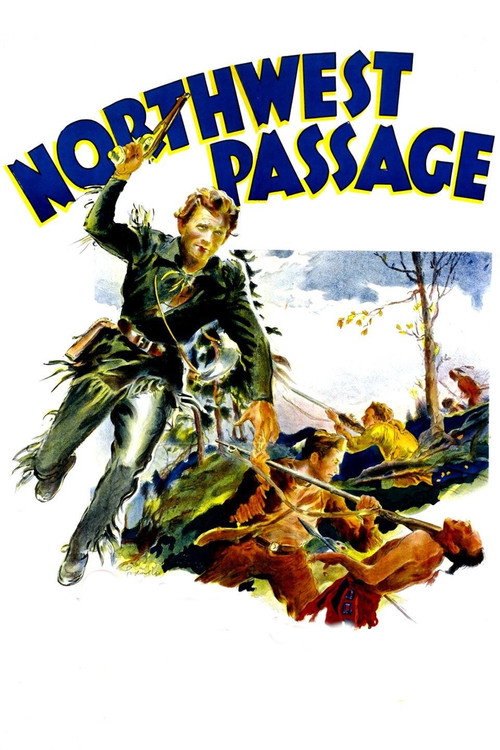
Northwest Passage1940
Spencer Tracy in colonial adventure with the same emphasis on spectacle and exotic geography. Action, humor, and a strong cast carrying a loose, episodic story.
But It's a men's adventure film from 1940, and it shows. The gender politics and some racial framing will wear on you.
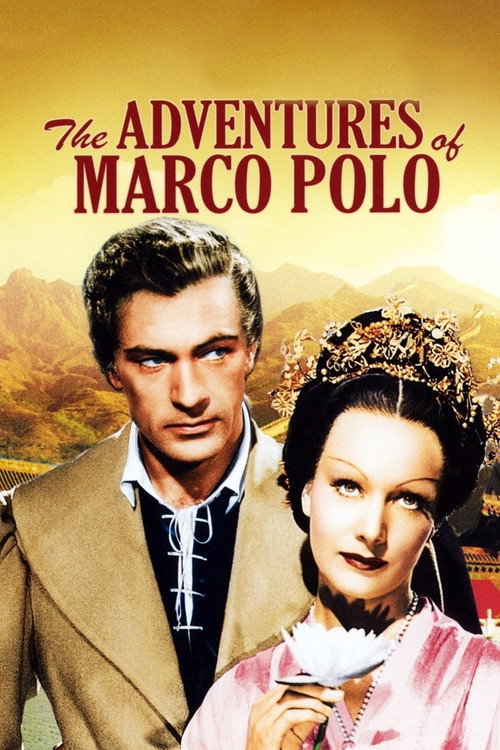
The Adventures of Marco Polo1938
Gary Cooper in Technicolor adventure-romance across exotic terrain. Fanciful, romantic, and committed to looking beautiful regardless of historical accuracy.
But It's aggressively silly about its own premise. The comedy doesn't land consistently, and the plot meanders badly.
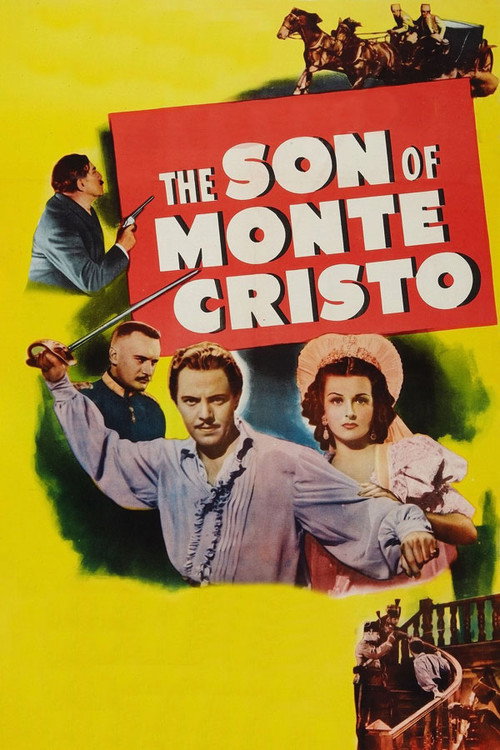
The Son of Monte Cristo1940
Louis Hayward in Technicolor swashbuckling with romance, sword fights, and production design that works harder than the script. Exactly what it promises: colorful adventure that moves.
But Very minor in every way. It's competent but forgettable, and there's nothing here that makes it special or worth seeking out specifically.
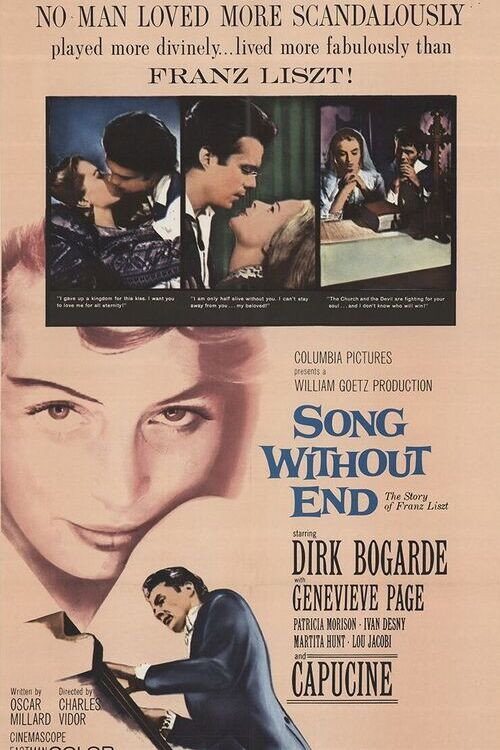
Song Without End1960
Another fictionalized composer biopic built more for visual and musical swooning than accuracy. Same era, same conviction that classical music deserves Technicolor excess.
Liszt's life as a color-drenched melodrama: piano virtuosity, romance, ambition, and period costume. Shot in Technicolor with the same belief that a composer's biography should be gorgeous and emotionally oversized.
But The script is purple and self-serious in ways that can feel unintentionally funny. Dirk Bogarde as a romantic hero leaves some cold. The historical liberties are enormous.
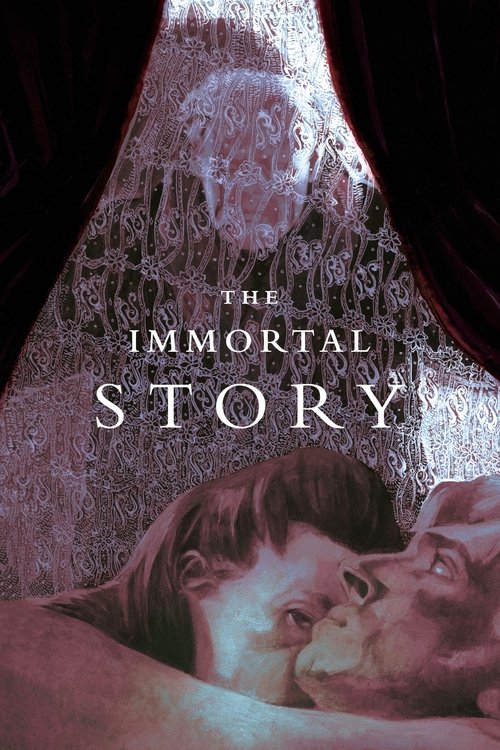
The Immortal Story1968
Both films treat their stories as pretexts for atmosphere and performance rather than plot. But Welles strips away all the spectacle Scheherazade piles on, leaving only the frame—a mirror-image approach to the same idea about narrative, desire, and artistic inspiration.
Orson Welles directing himself in a 58-minute film (barely a feature) about storytelling, seduction, and the weight of narrative. In color, intimate, and strange. Welles at his most formally playful, turning the artifice inside-out.
But It's abstract and glacially paced. There's no plot in any conventional sense. It demands active watching and rewards nothing obvious.
People
Cast
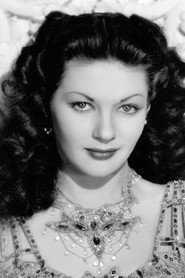 Yvonne De CarloCara de Talavera
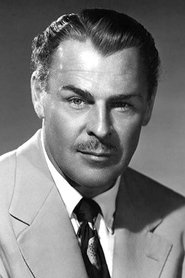 Brian DonlevyCapt. Vladimir Gregorovitch
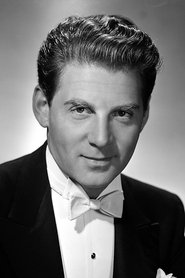 Jean-Pierre AumontNikolai Rimsky-Korsakov
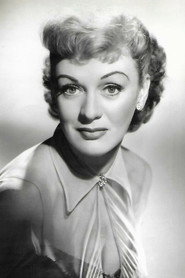 Eve ArdenMadame de Talavera
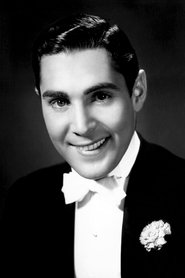 Phillip ReedPrince Mischetsky
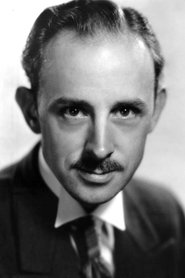 John QualenLorenzo
 Elena VerdugoFioretta
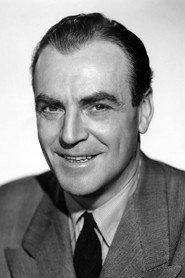 Richard LaneLieutenant
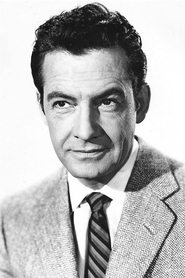 George DolenzPierre, the Headwaiter
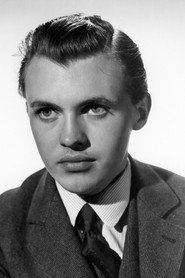 Terry KilburnMidshipman Lorin
- Charles KullmannDr. Klin
 Chuck RobersonMidshipman (uncredited)
Directing
- Walter ReischDirector
Writing
- Walter ReischWriter
Recommended by
New Orleans, Reap the Wild Wind, The Kissing Bandit, The White Tower, Three for the Show