
Film
Three for the Show
A 1955 musical comedy about a wartime widow whose presumed-dead husband returns on her wedding day to his best friend. Grable and the Champions shine in a fizzy, well-danced romp that treats marital chaos as an excuse for song and spectacle. Audiences who love glossy studio musicals and don't mind their plots preposterous.
If you liked this
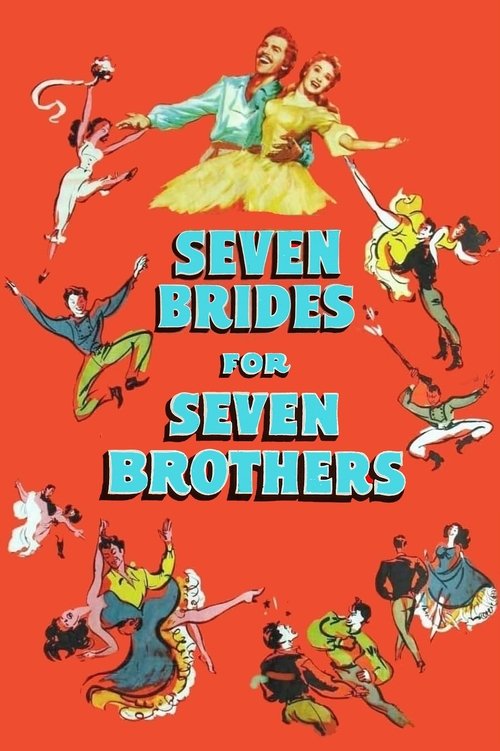
Seven Brides for Seven Brothers1954
Energetic MGM musical with electrifying dance numbers, charming leads, and a plot equally concerned with entertainment as logic. The barn-raising sequence alone justifies the watch.
But The romantic premise—kidnapping women to be wives—hasn't aged well, and it's set against frontier violence that undercuts the jolliness.
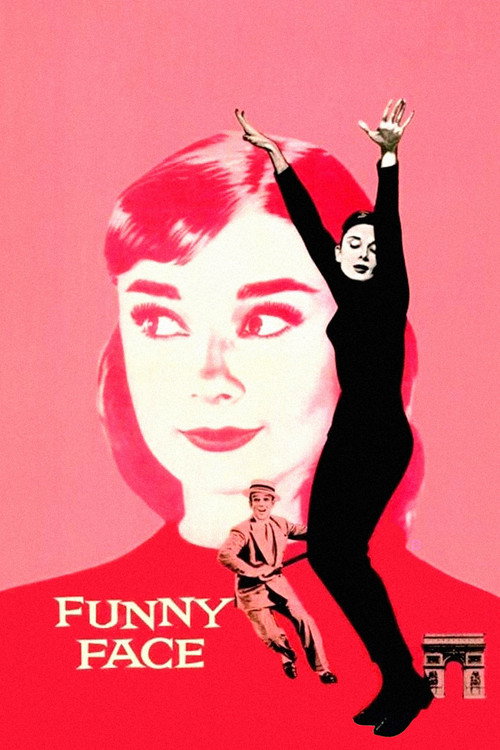
Funny Face1957
Audrey Hepburn and Fred Astaire in a Paris-set musical that matches Three for the Show's glossy optimism. Beautiful numbers, inspired use of Gershwin, and genuine chemistry between leads.
But The fashion-magazine plotting is thin, and the age gap between stars reads oddly by modern standards.
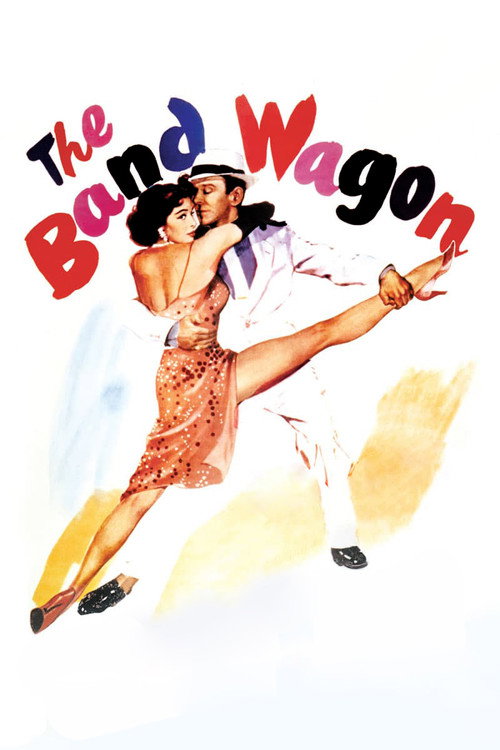
The Band Wagon1953
Astaire and Cyd Charisse in what many consider the greatest integrated musical ever made. Every number serves character and story; the whole thing feels effortless.
But The backstage-theatre setup is familiar, and if you don't connect with the leads' chemistry, you're watching Broadway types rehearse.
Not sure tonight? Get a pick in a minute, starting from Three for the Show
The wildcard
Something you would not have found on your own.
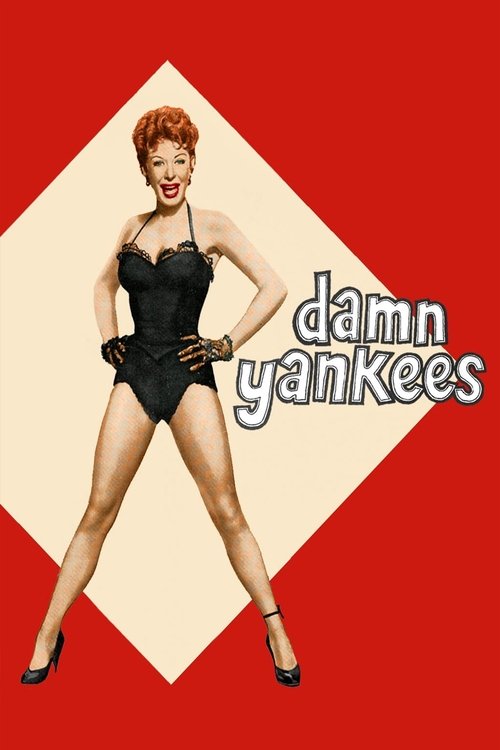
Damn Yankees1958
Both films are light-hearted musicals with marital/romantic chaos at their centre, but Damn Yankees achieves that chaos through supernatural intervention rather than wartime logistics. Both use song and dance to resolve what would otherwise be moral disasters.
A Faustian musical in which a man sells his soul to the devil—literally—to help his baseball team win. It has the same frothy surface as Three for the Show but smuggles in genuine darkness underneath.
But The baseball obsession and gender-role commentary feel period-specific and can seem patronizing to modern viewers.
More like this (8)
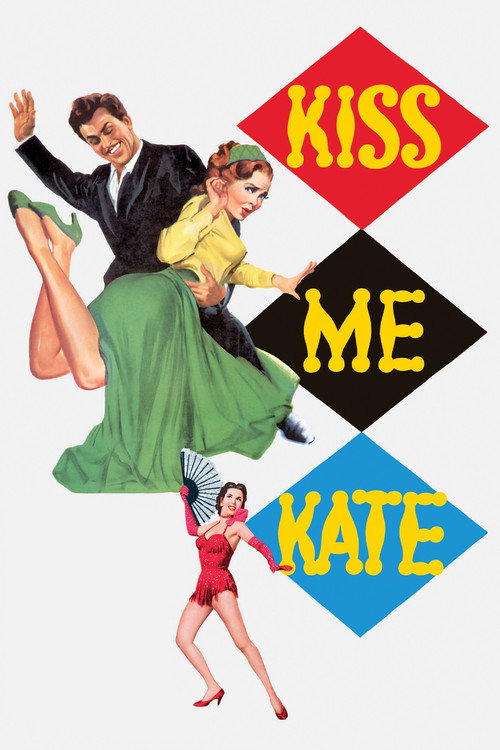
Kiss Me Kate1953
Musicalizing Shakespeare's Taming of the Shrew with Cole Porter songs and a cast that commits joyfully to the chaos. The backstage romance mirrors the onstage one brilliantly.
But The shrew-taming dynamic feels creaky even for 1953, and the dual narrative can feel cluttered.
Singin' in the Rain1952
Gene Kelly, Donald O'Connor, and Debbie Reynolds in the apotheosis of the studio musical. Every number is inventive; the film has infectious joy and genuine innovation throughout.
But The plot is gossamer-thin, just an excuse to stage sequences. Some find the relentless cheerfulness exhausting.

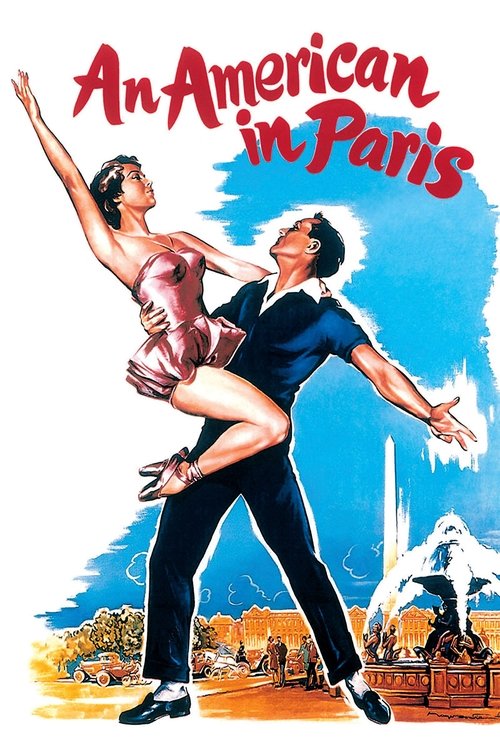
An American in Paris1951
Gershwin's score, Paris locations, and Gene Kelly's charisma carry this romantic musical. The extended ballet sequence is technically audacious for its time.
But It can feel languid between numbers, and the romantic plotting is conventional even for the era.
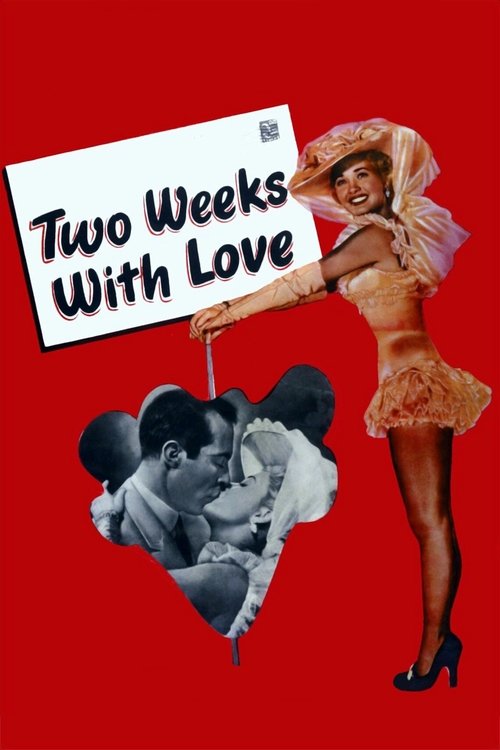
Two Weeks with Love1950
A lighter, breezier musical with good-natured family comedy and solid supporting cast chemistry. Jane Powell is charming, and the Catskills setting gives it a specific texture.
But It's minor-key stuff—less ambitious in dance and music than its contemporaries, more sitcom than spectacle.
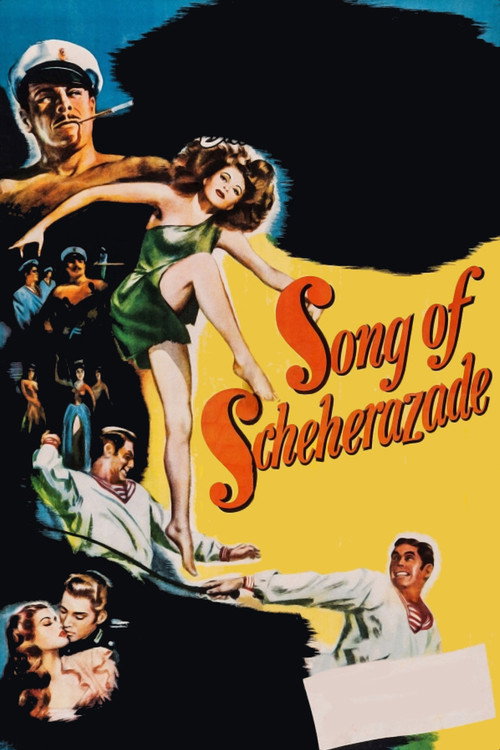
Song of Scheherazade1947
Yvonne De Carlo in a lavish, absurd musical biography of Rimsky-Korsakov. It prioritizes sumptuous production design and colour cinematography over plausibility.
But The plot is purely decorative nonsense, the historical claims are wild, and it's slower-paced than Three for the Show.
The Merry Monahans1944no page yet
Abbott and Costello in a vaudeville-flavoured musical with solid supporting talent and the kind of ramshackle charm that comes from music-hall traditions. Lightweight but warm-hearted.
But Abbott and Costello's comedy style is specific and dated; if their rhythm doesn't land, you're stuck watching thin plot mechanics.
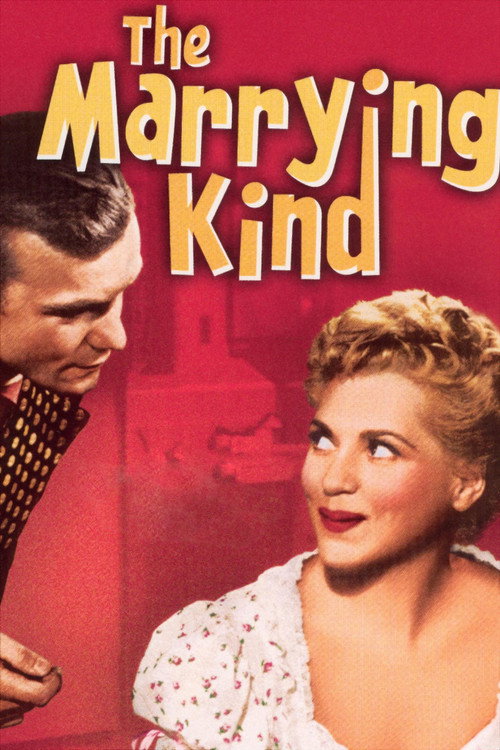
The Marrying Kind1952
Both films ask what marriage actually is and use broad situations to explore it, but where Three for the Show treats the question as a playground for musical numbers, The Marrying Kind treats it as a genuine relationship crisis. One is the other's emotional inverse.
A comedy-drama about marriage itself: a couple on the brink of divorce revisits their courtship, honeymoon, and years together through vignettes. It's funny and tender without being saccharine, and Holliday and Aldo Ray have real warmth.
But It's genuinely melancholic under the humour—less escapism, more kitchen-sink reality. The balance of comedy and sadness can feel tonal.
The Red Shoes1948
Where Three for the Show uses dance and spectacle as entertainment packaging around romantic comedy, The Red Shoes makes dance and colour the actual subject, with romance as an almost incidental complication. Both film types exist because studios understood that musical sequences could make audiences feel things dialogue couldn't—one is the commercial version, the other the artistic apotheosis.
Powell and Pressburger's ballet fantasy is visually overwhelming—a world where dance is the grammar of emotion and every frame is composed like a painting. The production design and Technicolor are staggering.
But It's serious, abstract, and often static between sequences. There is no plot in the conventional sense, and the romantic arc is subordinate to the dance.

People
Cast
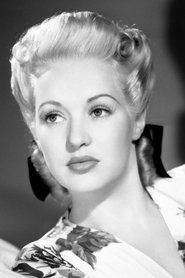 Betty GrableJulie Lowndes
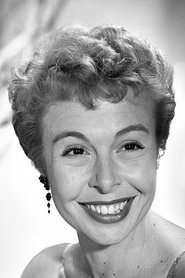 Marge ChampionGwen Howard
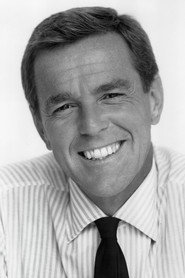 Gower ChampionVernon Lowndes
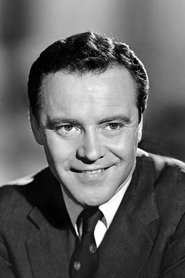 Jack LemmonMarty Stewart
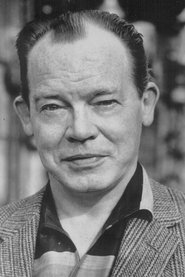 Myron McCormickMike Hudson
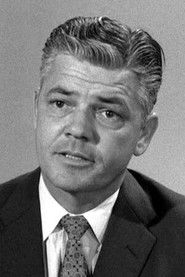 Robert BiceCharlie O'Hallihan (uncredited)
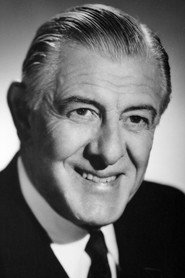 Paul HarveyHarold Wharton (uncredited)
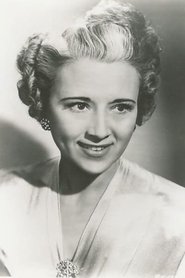 Bess FlowersTheatre Patron in Loge (uncredited)
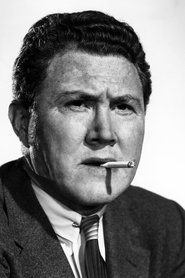 Henry SlateSergeant Kowalski (uncredited)
- Johnny BrazilMale Harem Dancer (uncredited)
- Ettore CorvingMale Harem Dancer (uncredited)
- Mario GroscupMale Harem Dancer (uncredited)
Directing
- H. C. PotterDirector
Writing
- W. Somerset MaughamTheatre Play
- Edward HopeWriter
- Leonard B. SternWriter
Production
- Jonie TapsProducer