
Film
Here Come the Girls
- Comedy
- Light-hearted
A sprightly 1953 musical comedy where Bob Hope plays a bumbling chorus boy who becomes an unlikely bodyguard when a murderer targets the show's real star. It's a breezy, fast-talking affair with musical numbers, slapstick mishaps, and the kind of romantic entanglement that drives farce. Perfect if you want your comedy light, your mysteries unsolved, and your leading man perpetually bewildered.
If you liked this
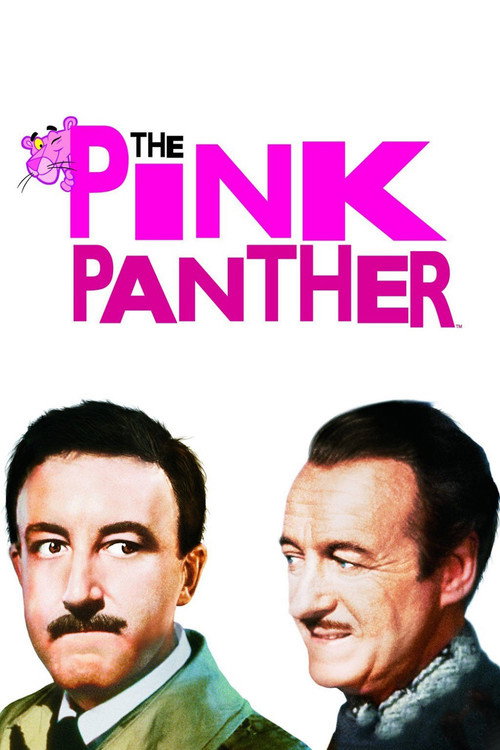
The Pink Panther1963
Peter Sellers as a bumbling detective pursued by criminals while chasing a stolen diamond. Like Hope, he's at his best when playing incompetence with absolute conviction, and the comedy spirals from there.
But The plot is genuinely rickety, and entire sequences hang on visual gags that don't always land. Patience required.
Singin' in the Rain1952
Gene Kelly, Donald O'Connor, and Debbie Reynolds in a Hollywood musical about silent film stars adapting to talkies. The dance numbers are transcendent, the romance effortless, and the comedy never condescends.
But If you find old Hollywood charm itself off-putting, this won't change your mind. Very much of its moment.

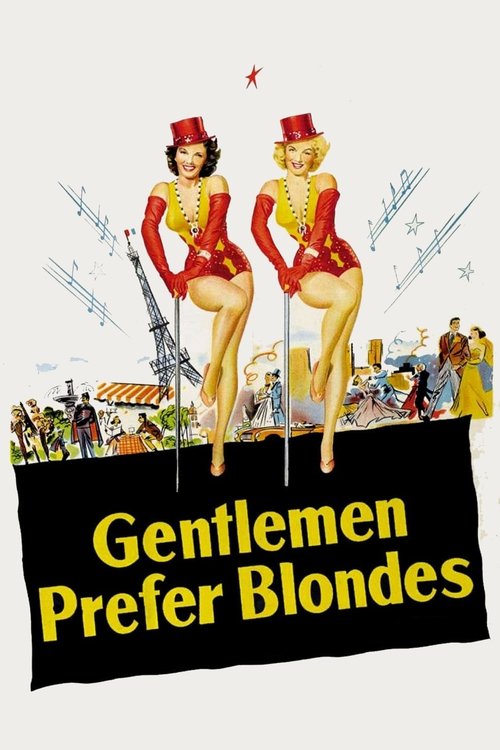
Gentlemen Prefer Blondes1953
Marilyn Monroe and Jane Russell as gold-digging showgirls abroad, with Monroe's performance so assured and witty it makes you wonder why she played dumb as a career strategy. Genuinely smart comedy dressed as fluff.
But The satire can feel dated if you don't enjoy the particular texture of 1950s gender-war comedy. Also, very much a product of its studio.
Not sure tonight? Get a pick in a minute, starting from Here Come the Girls
The wildcard
Something you would not have found on your own.
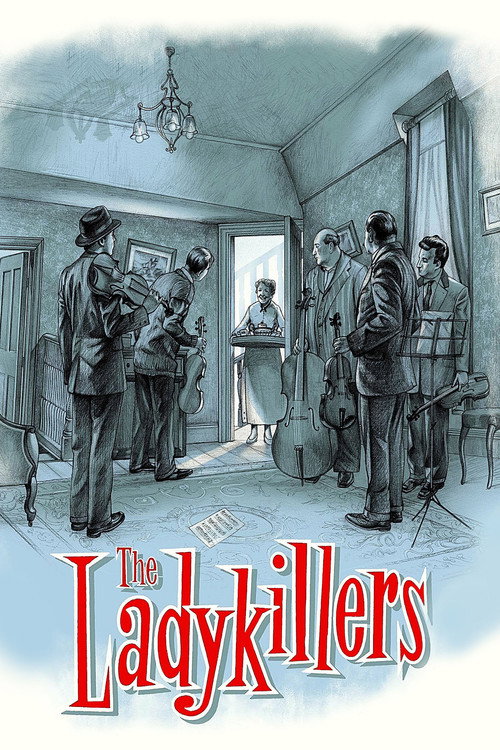
The Ladykillers1955
Both use physical comedy and mistaken identity as engines, but where Hope's film is pure escapism, this one uses the same mechanics to explore how easily people destroy each other.
Ealing Studios' darkest comedy: five criminals posing as musicians rent a room from an elderly landlady who outwits them at every turn. British comedy at its most vicious, with the savagery buried under politeness.
But The humour turns on moral cruelty and escalating violence in ways that feel genuinely cold. It's funny, but it's funny at someone's expense.
More like this (8)
The Philadelphia Story1940
Cary Grant, James Stewart, and Katharine Hepburn in a comedy about remarriage, class, and people saying exactly what they mean. The script is nearly perfect, and everyone moves like they're dancing.
But It's a drawing-room comedy for people who like drawing rooms. If you need plot momentum over dialogue, this glides rather than rushes.

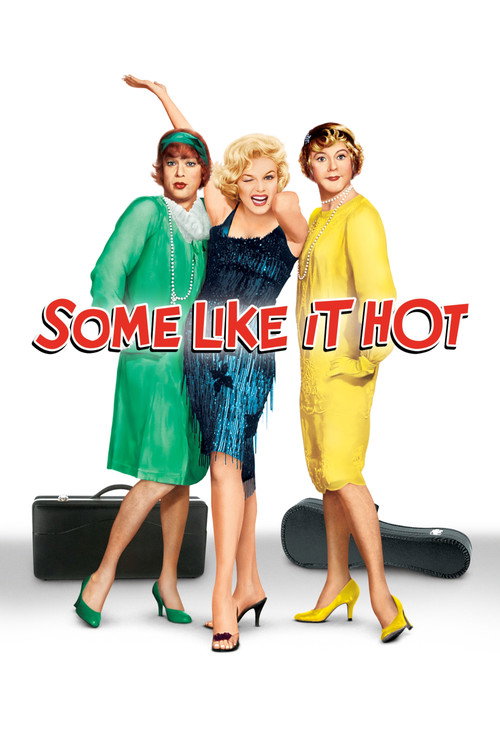
Some Like It Hot1959
Tony Curtis and Jack Lemmon cross-dress to escape the mob, Marilyn Monroe is radiant, and the comedy builds toward a punchline so perfect it redefined how endings work. Possibly the funniest American film ever made.
But The drag premise hasn't aged smoothly for everyone. Some find the humour dated; others find it fresher than you'd expect.
It Happened One Night1934
Clark Gable and Claudette Colbert as a cynical reporter and runaway heiress on a road trip. The chemistry is unbearable, the dialogue crackles, and it moves with the speed of a perfectly aimed joke.
But It's ninety years old, filmed in black and white on a shoestring. If you need modern production values to settle in, this requires adjustment.

Breakfast at Tiffany's1961
Audrey Hepburn as a glittering, troubled woman of uncertain occupation; George Peppard as the writer trying to understand her. It's comedy, romance, and something sadder underneath, all at once.
But The racial humour (specifically Henry Nakamura) is genuinely ugly by any standard. It can't be edited around and doesn't diminish with context.

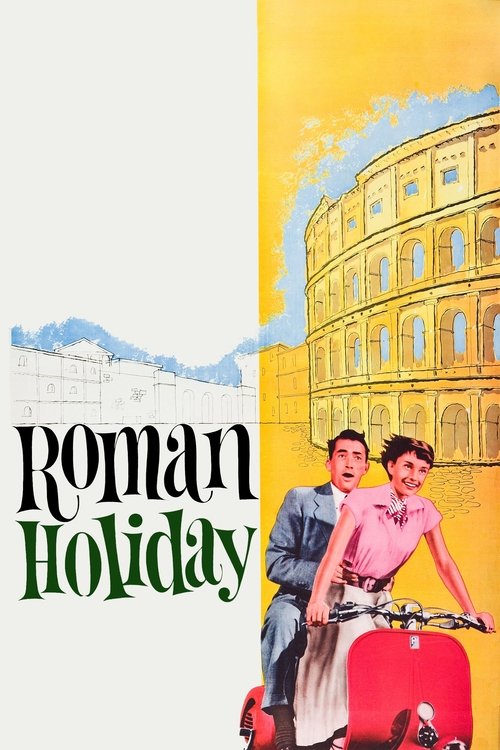
Roman Holiday1953
Audrey Hepburn's debut: a princess escapes her duties for a day in Rome with a newspaper reporter. It's romantic without being sappy, funny without being loud, and has the elegance of a perfectly folded note.
But The ending is inevitable from the start, so the whole film hinges on charm. If the charm doesn't catch you immediately, nothing else will.
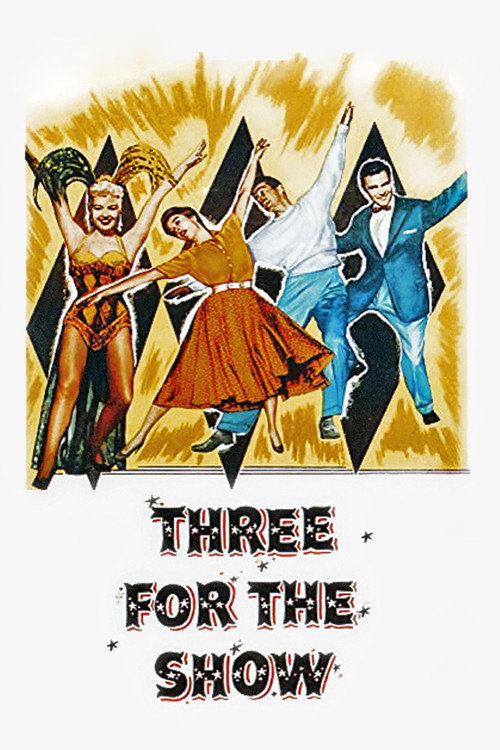
Three for the Show1955
Betty Grable in her last major musical, reunited with an ex-husband who isn't supposed to be alive. It's a competent, cheerful piece of entertainment with decent songs and no pretence to being more.
But It's genuinely forgettable. You'll watch it, enjoy it, and remember almost nothing two weeks later.
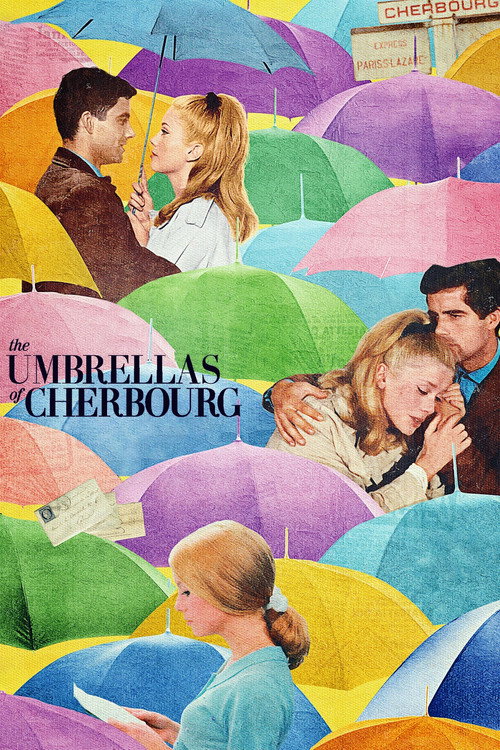
The Umbrellas of Cherbourg1964
Both are mid-century entertainments built on the energy of young performers, but where Hope relied on wisecracks and timing, this film trusts silence and the camera to do the work.
A romance told entirely in song and colour: a girl and a boy in a French seaside town, doomed by circumstance, gorgeously shot in saturated primary colours. It's a musical where the singing is the story.
But If you want plot to matter more than feeling, this dissolves on contact. Also, it's entirely sung-through in French and doesn't pause for breath.
The Killing1956
Both pivot on a plan going wrong, but where Hope's film treats chaos as an occasion for laughs, this one treats it as tragedy. Same genre architecture, opposite emotional temperature.
Stanley Kubrick's debut: a heist film told in fractured chronology, about petty criminals planning a racetrack robbery. It's tense, smart, and structured like a puzzle box that actually locks together.
But There's no one to root for. Everyone is morally compromised or just stupid, and the film doesn't offer comfort or heroism.

People
Cast
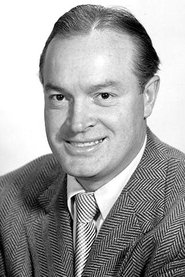 Bob HopeStanley Snodgrass
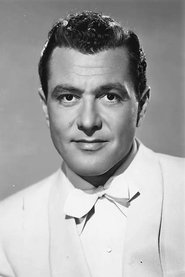 Tony MartinAllen Trent
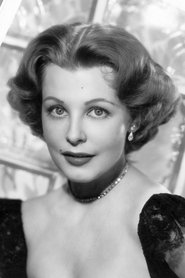 Arlene DahlIrene Bailey
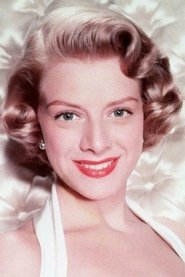 Rosemary ClooneyDaisy Crockett
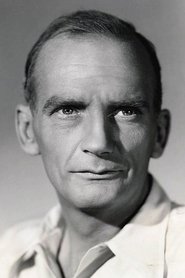 Millard MitchellAlbert Snodgrass
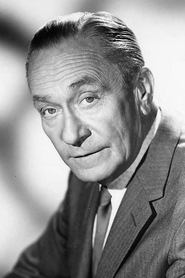 William DemarestDennis Logan
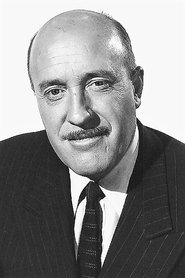 Fred ClarkHarry Fraser
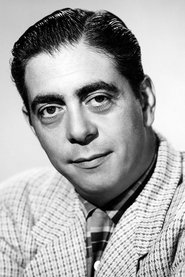 Robert StraussJack the Slasher
- Zamah CunninghamMrs. Emily Snodgrass
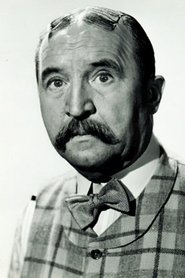 Frank OrthMr. Hungerford
- Maceo AndersonDancer
- Rufus McDonaldDancer
Directing
- Edward SalvenAssistant Director
- Claude BinyonDirector
Writing
- Edmund L. HartmannScreenplay
- Hal KanterScreenplay
- Edmund L. HartmannStory
Production
- Paul JonesProducer