
Film
What a Crazy World
- Musical
- Light-hearted
A cheerful East End musical about young Alf chasing stardom while navigating love and ambition in early-60s London. It's a snapshot of British pop culture at a specific moment—music-hall energy filtered through kitchen-sink realism. For anyone curious about how Swinging London sounded before it got mythologized, or who loves period pop with genuine working-class grit underneath.
If you liked this
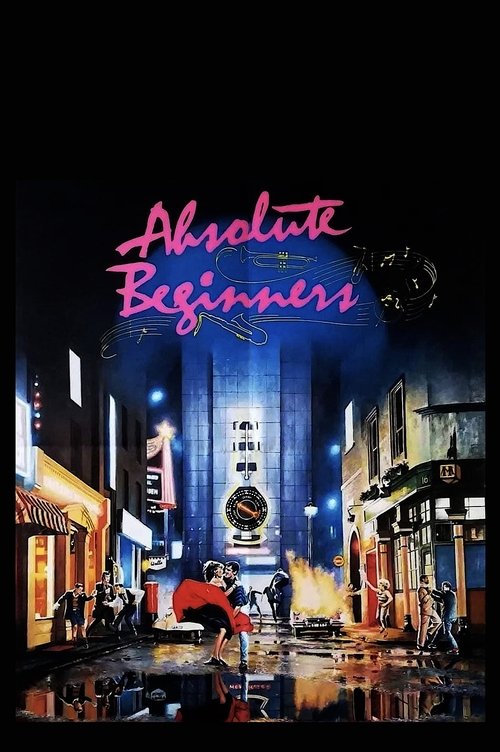
Absolute Beginners1986
A later, more lavish take on youth culture and pop music in London, with stunning design and real affection for the era's music and fashion. David Bowie, Sade, Ray Davies all appear.
But It's theatrical and style-heavy, which some find exhausting. And it's deeply of the 1980s even when it's trying to be of the 1950s.
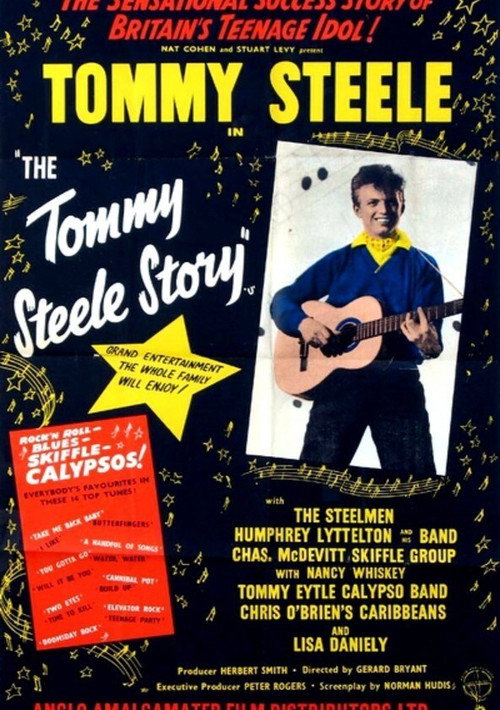
The Tommy Steele Story1957
The template for British pop musicals: a real rock and roll performer's rise from nothing, with energy and charm. Tommy Steele himself carries it with genuine charisma.
But It's earnest and a bit clunky. The plot exists mainly to connect songs, which works only if you're ready for that.
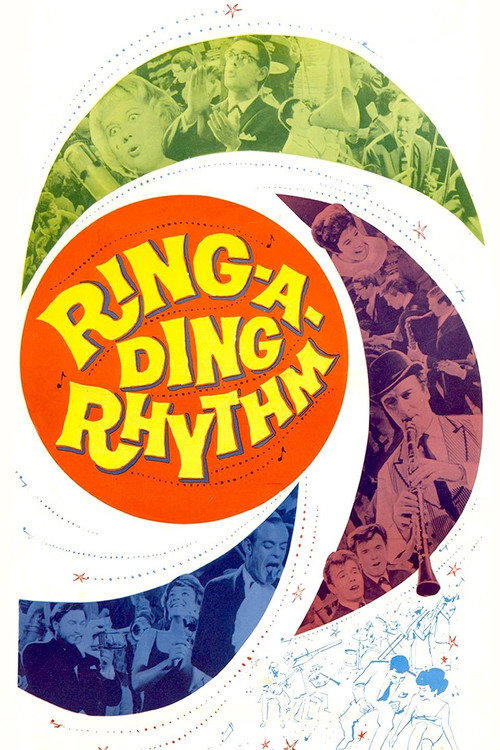
It's Trad, Dad!1962
Another British music film from the same moment, mixing trad jazz with youth culture. Sharp, funny, and packed with real musicians and genuine London locations.
But It moves fast and assumes you know the jazz-club scene it's celebrating. The narrative is thin.
Not sure tonight? Get a pick in a minute, starting from What a Crazy World
The wildcard
Something you would not have found on your own.
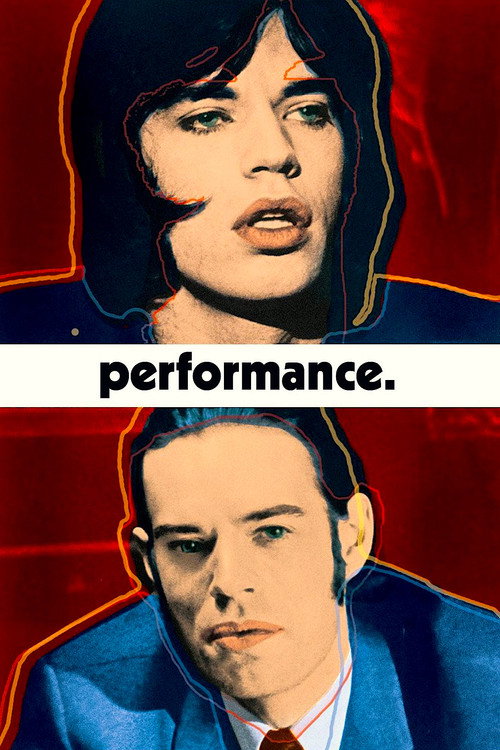
Performance.1970
Both are British films about young men caught between the music world and something else—ambition, identity, reinvention. But where What a Crazy World is cheerful and open, Performance is claustrophobic and dark, showing the same landscape from underneath.
Mick Jagger's only leading film role, set in London bohemia with real rock energy and genuine menace. It's art and rock and danger all at once.
But It's experimental, fragmented, and sometimes incomprehensible. The violence is disturbing. Not entertainment in the conventional sense.
More like this (8)
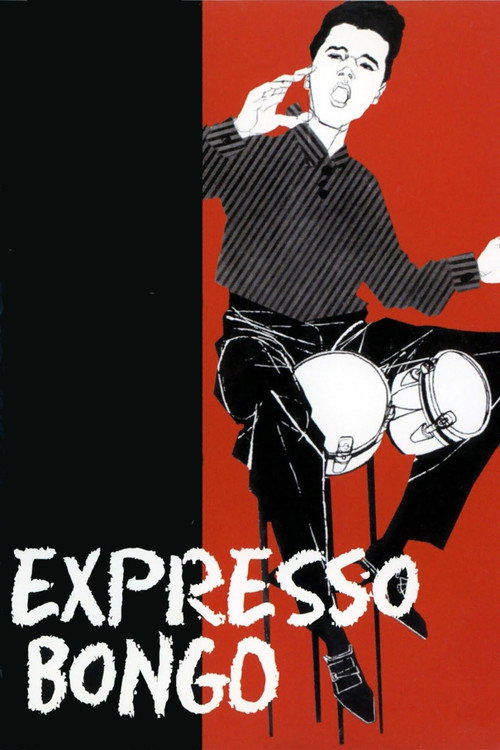
Expresso Bongo1959
Laurence Harvey and Yolande Donlan in a cynical, witty take on the pop music business and the parasites around it. Tarter than most British musicals of the era.
But It's darker and more interested in corruption than in celebrating youth culture, which some find a bit grim.
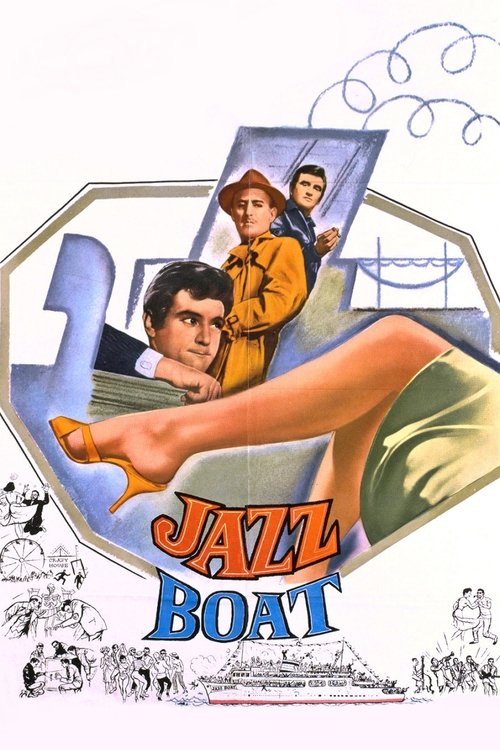
Jazz Boat1960
A music-driven comedy with a strong ensemble cast, genuine rhythm-and-blues energy, and real affection for London's music scene.
But The plot is nearly non-existent, and the tone wavers between satire and sincere celebration in ways that can feel uneven.
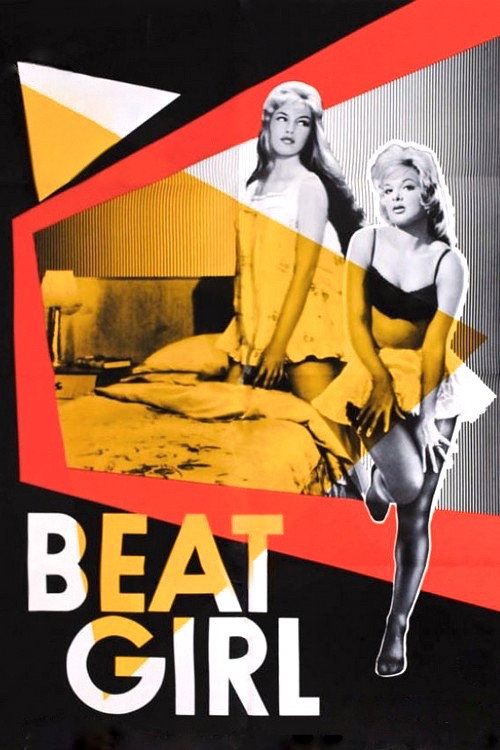
Beat Girl1960
A teenage girl navigates bohemian London and the jazz scene in this surprisingly stylish film. Interesting as a time capsule and genuinely atmospheric.
But The attitudes toward women and youth are very much of their time. The dialogue can feel stilted.
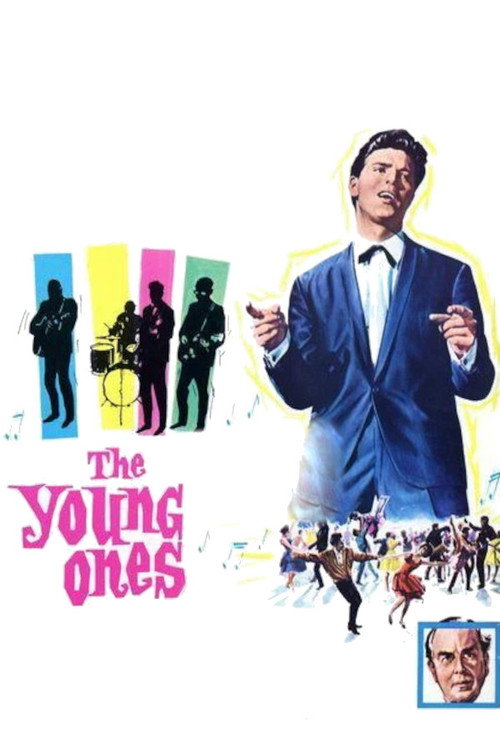
The Young Ones1961
Cliff Richard leads a gang of youngsters who want to save their community centre by putting on a show. Pure pop musical joy with real singing and dancing.
But It's uncomplicated in ways that feel almost aggressively wholesome now. The plot is negligible.
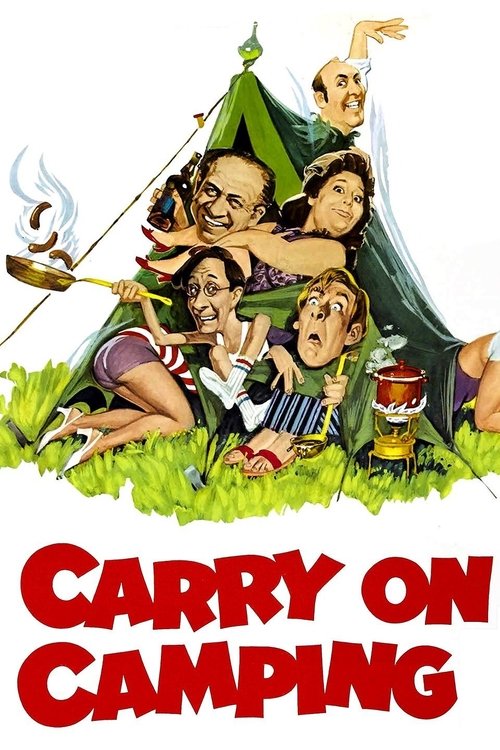
Carry On Camping1969
A later British comedy with some musical sequences and the same working-class, ribald energy. Warm, silly, and genuinely funny.
But It's a Carry On film—if you find that formula exhausting, this won't change your mind. And the humour is very dated.
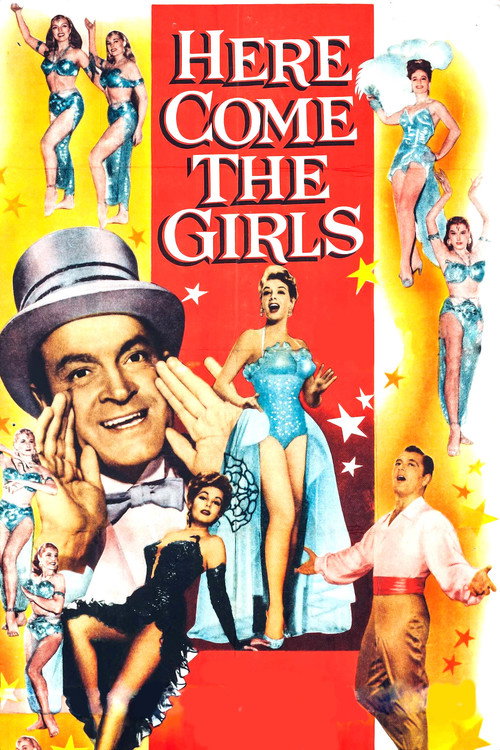
Here Come the Girls1953
An American musical comedy with songs by a real orchestra, capturing an earlier moment of pop and music-hall entertainment.
But It's American rather than British, and the comedy hasn't aged well. The plot is a skeleton for musical numbers.
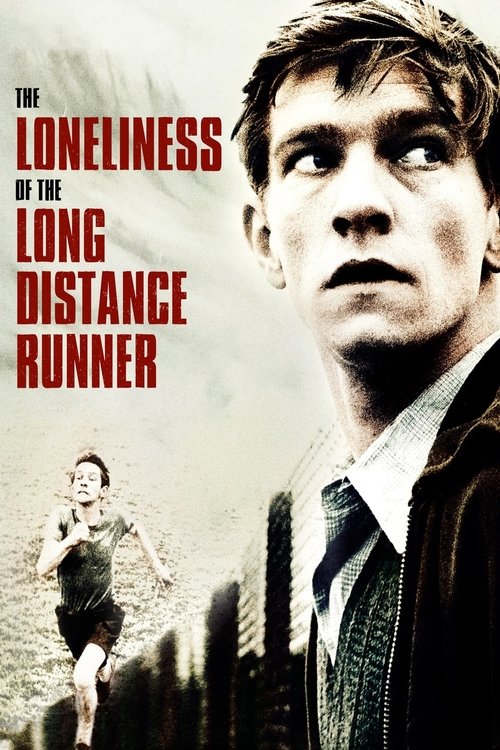
The Loneliness of the Long Distance Runner1962
Both follow young working-class men with dreams, in early-60s Britain, using real locations and authentic environments. But this one finds tragedy where What a Crazy World finds joy—same world, inverted emotional register.
A borstal boy rebels through running, set in the same gritty British working-class world. Tom Courtenay is magnificent, and it has real poetry underneath the social realism.
But It's bleak, frustrating, and deliberately slow in parts. There's no uplift. The ending refuses to comfort you.
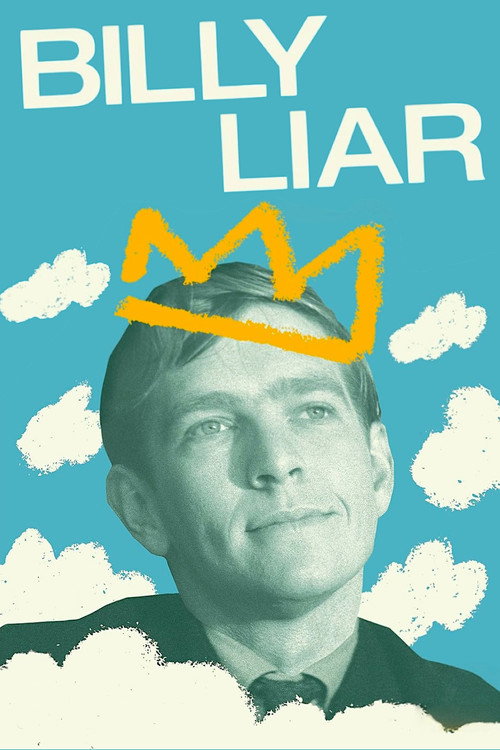
Billy Liar1963
Released the same year, set in the same Britain, with similar working-class characters and music-hall influences. But it's a comedy of character rather than a celebration of pop music—the dreams are more complicated, the ambitions sadder, the escape routes fewer.
Tom Courtenay in another working-class role, a fantasist trying to escape his life through imagination and ambition. The dialogue sparkles, and it captures the exact moment of early-60s Britain.
But Billy is frustrating and ultimately self-defeating. If you want a protagonist you root for simply, this isn't it. It's more interested in character than plot.
People
Cast
 Joe BrownAlf Hitchens
- Marty WildeHerbie
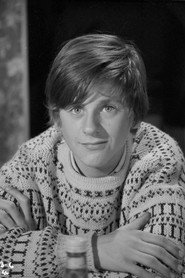 Michael GoodmanJoey
- Susan MaughanMarilyn

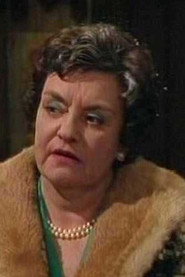 Avis BunnageMary
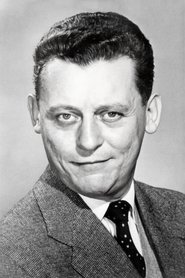 Michael RipperThe Common Man
- Grazina FrameDoris
- David NottLenny
- Barry BethelDave
- Alan KleinJervis
 Larry DannChas
Directing
- Michael CarrerasDirector
Production
- Aida YoungAssociate Producer
- Michael CarrerasProducer