
Film
Two Weeks with Love
- Romance
- Light-hearted
A sunlit 1950 MGM musical about a teenage girl navigating first love at a Catskills resort. Jane Powell and Debbie Reynolds anchor a film built on charm, bright Technicolor, and the particular joy of mid-century movie musicals—frothy, romantic, designed to make you feel giddy and young. It's for anyone who loves the era, or who wants to see how studio musicals actually worked at their most efficient.
If you liked this
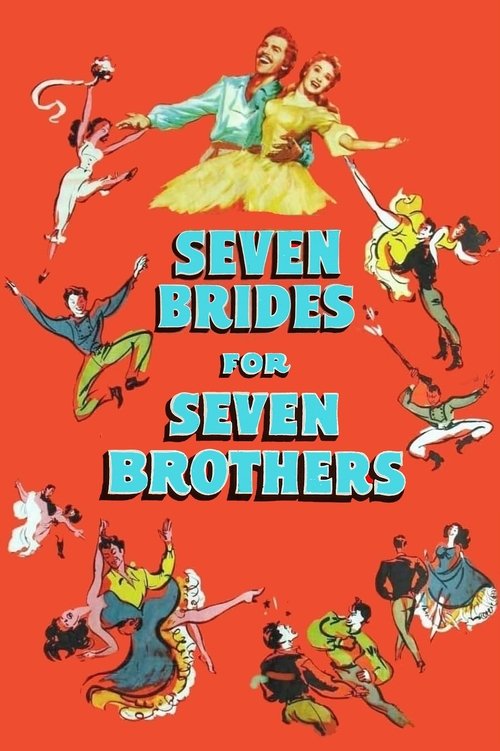
Seven Brides for Seven Brothers1954
A proper musical with genuine wit, dancing that absolutely sings, and a story that doesn't condescend to its audience. It's energetic, funny, and the kind of thing that reminds you why MGM musicals mattered.
But It's been canonised to death and can feel like homework. Also, the gender politics are dated in ways that can stick in your throat.
Singin' in the Rain1952
The gold standard: pure joy from start to finish, with Kelly, Astaire, and Reynolds all firing. It's a film about the making of films, genuinely witty, and the dancing is so good it feels like watching someone think.
But You've probably seen it already. And if you haven't, the hype might get in the way before you get to the good stuff.

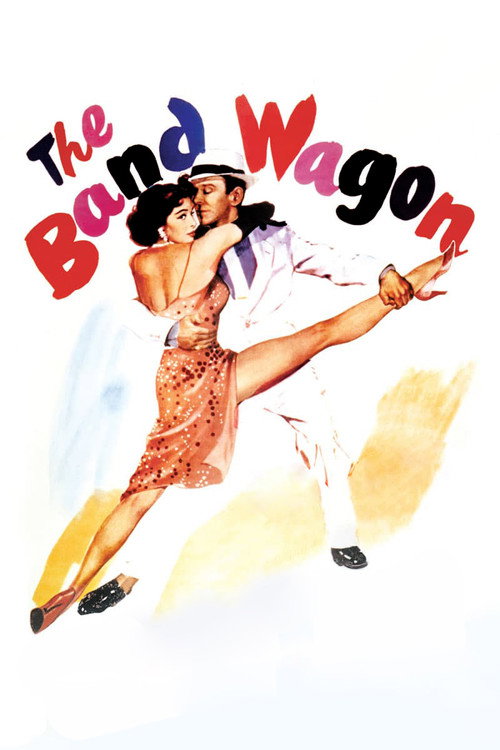
The Band Wagon1953
Fred Astaire in his fifties proving he's the greatest dancer who ever lived. Funny, romantic, with Cole Porter songs and a backstage-musical plot that actually works. Astaire and Cyd Charisse together are about as good as movies get.
But It's about putting on a show, so there's a stretch where the theatre stuff is theatre stuff. Some pacing drags in the middle act.
Not sure tonight? Get a pick in a minute, starting from Two Weeks with Love
The wildcard
Something you would not have found on your own.
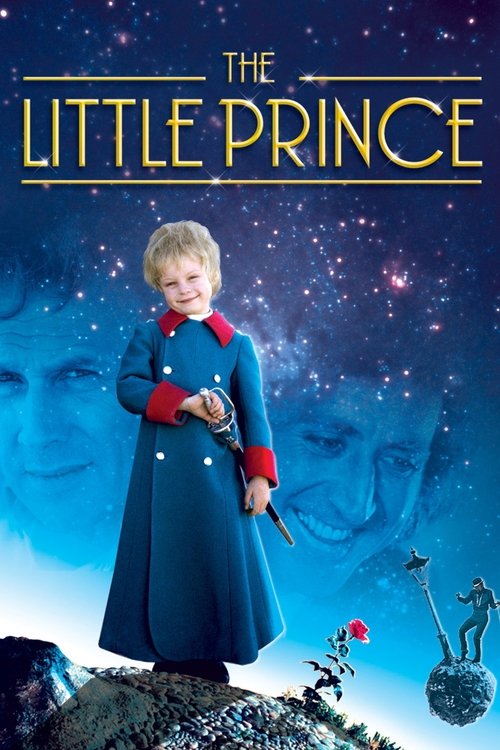
The Little Prince1974
Both are Technicolor fantasies about youth and romance that believe in the redemptive power of music and goodness, but The Little Prince asks what it costs to grow up. Same emotional language, opposite conclusions.
A musical adaptation of Saint-Exupéry's fable, genuinely strange and heartfelt. Bob Fosse directed, Steven Warner plays the prince, and it's animated and live-action by turns. It captures something of that 1950s musical innocence but fractures it into something more wistful and genuinely moving.
But It's utterly of its era—the 1974 production design is overwhelming. The tone wobbles between whimsy and melancholy. Many find it genuinely unsettling rather than charming.
More like this (8)
Good News1947
Campus musical with June Allyson and Peter Lawford. It's got the same sunny energy, lighter plot, and that specific postwar joy of American entertainment when studios knew exactly how to make you smile.
But It's tissue-thin on plot and character. Entirely dependent on your mood and willingness to just float on charm.

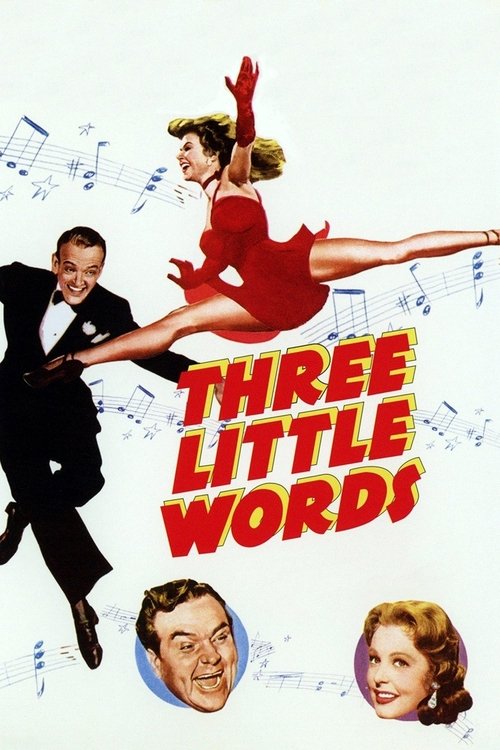
Three Little Words1950
Fred Astaire and Red Skelton in a songwriter biopic that works because it doesn't take itself seriously. Arlene Dahl is radiant. It's got the same resort-and-romance DNA as Two Weeks with Love, same year, same studio energy.
But The plot meanders and occasionally vanishes. Skelton's comedy is very broad and very 1950. Not everyone's speed.
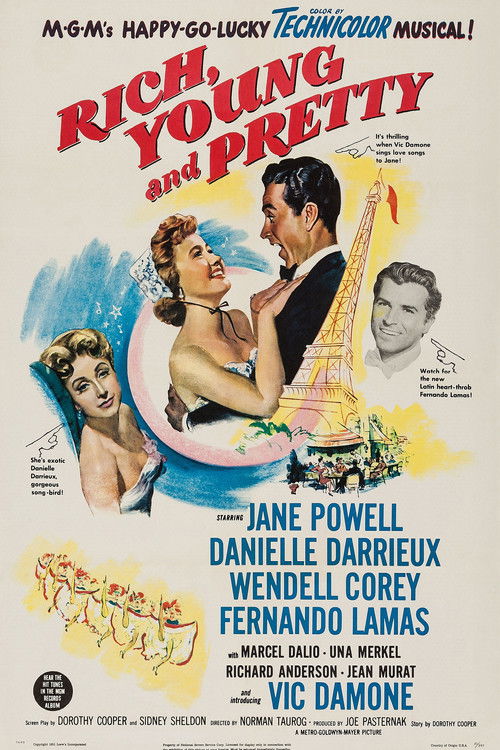
Rich, Young and Pretty1951
Jane Powell again, same era, same kind of girl-meets-boy-at-resort setup. Danielle Darrieux and Vic Damone add sophistication. It's frothy, musical, and exactly what you came for if you liked this one.
But It's virtually indistinguishable from its siblings. If you're tired of the formula, this won't change your mind.
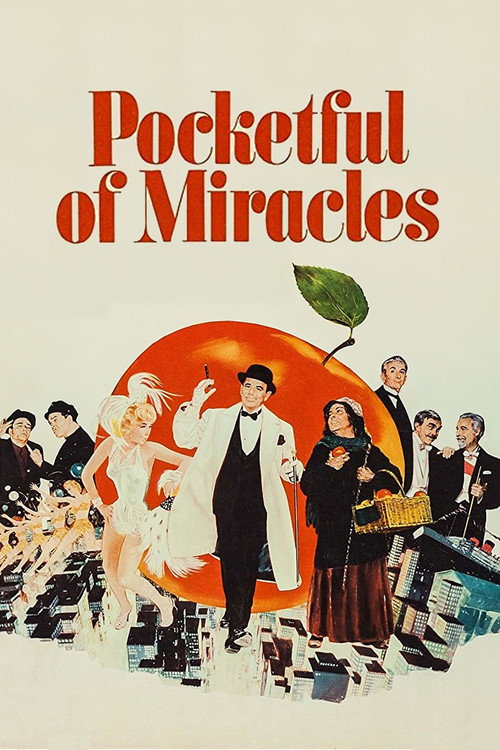
Pocketful of Miracles1961
Frank Capra, Glenn Ford, Bette Davis. A romantic screwball comedy with warmth, genuine eccentricity, and the sense that Capra still believed in goodness. It's got some of that same hopeful energy Powell's films carried.
But It's long and the plot is convoluted. Dated sentiment that some will find cloying. Lacks the sparkle of pure musicals.
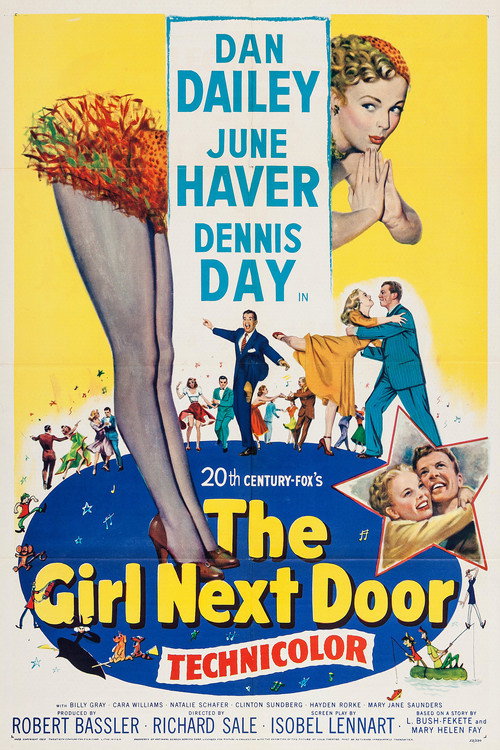
The Girl Next Door1953
June Lockhart and Dan Dailey in a musical about small-town romance. It's got that same MGM sheen, earnest sweetness, and belief in the transformative power of putting on a show. Cheerful Technicolor throughout.
But The plot is entirely predictable from the opening credits. If you need real stakes or surprises, you won't find them here.
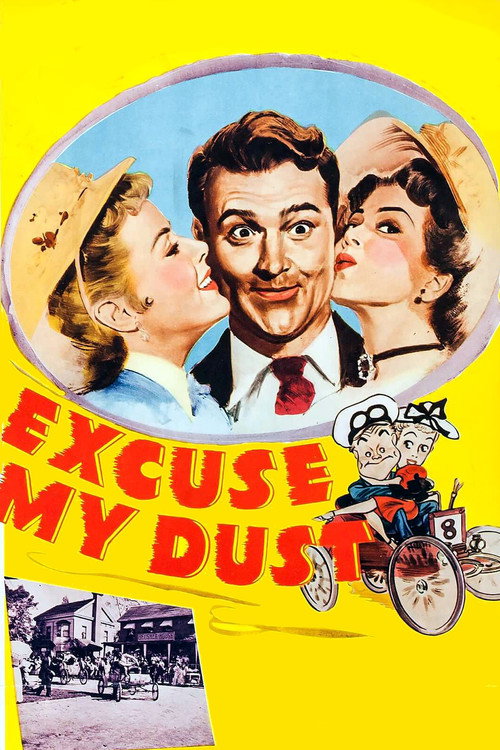
Excuse My Dust1951
Red Skelton, Sally Forrest, and an automobile as the plot engine. Musical, comedic, and pitched at exactly the same audience as Two Weeks with Love. Skelton in lighter doses, decent songs, pure entertainment.
But Red Skelton's physical comedy can overwhelm. The story is negligible. It's all surface charm with nothing underneath.
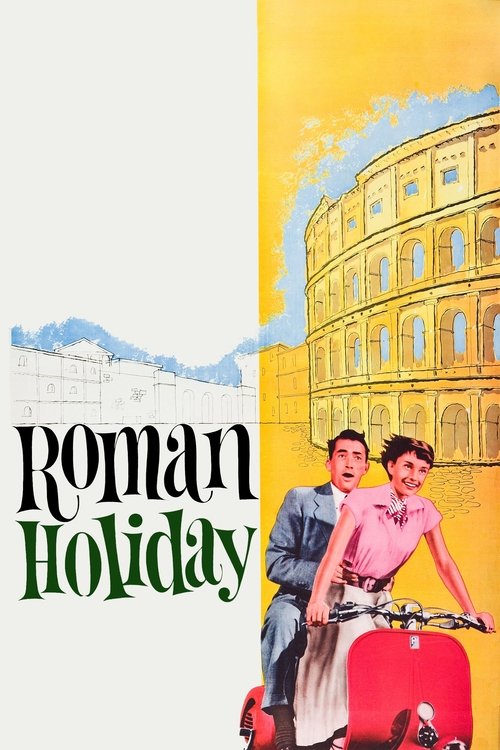
Roman Holiday1953
Both films are built on the romance of escape—vacation, new identity, freedom from the usual rules. But Roman Holiday suggests that escape is always temporary and always costs something. Two Weeks with Love thinks happy endings are real.
Audrey Hepburn, Gregory Peck, and a city-as-playground plot. It's a romance about a princess playing tourist, full of genuine charm and wit. The film is beautifully shot, romantic without being maudlin, and Hepburn is luminous.
But It's a love story that ends with heartbreak, dressed up as a fairy tale. If you're looking for pure escapism without real consequences, this subverts it.
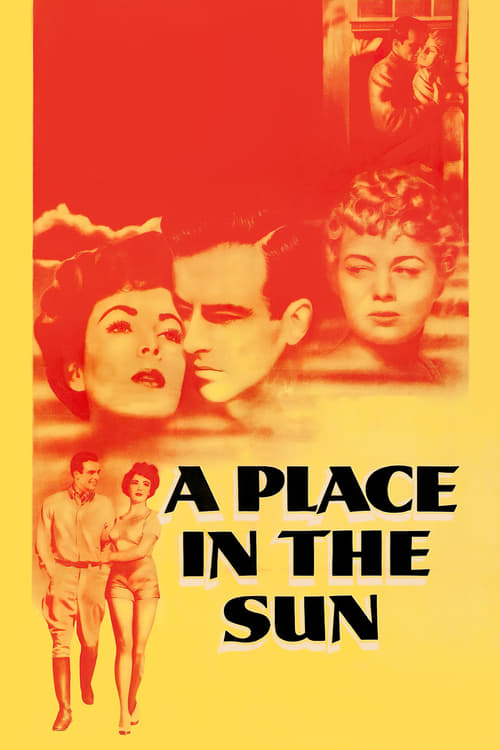
A Place in the Sun1951
Both are 1950s films about young people at resorts navigating desire and social class. One is a musical comedy about getting the boy. The other is a noir tragedy about what getting what you want actually costs. They're the same story told in opposite registers.
Montgomery Clift, Elizabeth Taylor, Shelley Winters. A tragedy about a young man caught between two women and two versions of his future. It's gorgeously shot, genuinely tragic, and Clift's performance is the most raw and vulnerable thing in any film from this era.
But It's a melodrama about murder and class that ends in execution. If you want lightness or hope, don't come here. Shelley Winters is deliberately unglamorous in ways that make comfort impossible.
People
Cast
 Jane PowellPatti Robinson
 Ricardo MontalbanDemi Armendez
 Debbie ReynoldsMelba Robinson
 Ann HardingKatherine Robinson
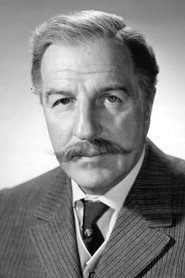 Louis CalhernHoratio Robinson
 Carleton CarpenterBilly Finlay
 Phyllis KirkValerie Stresemann
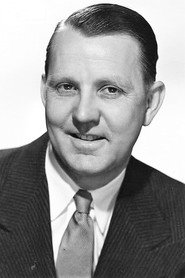 Clinton SundbergMr. Finlay
 Gary GrayMcCormick Robinson
 Tommy RettigRicky Robinson
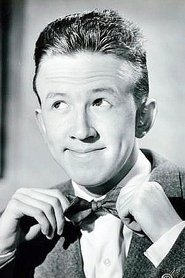 Charles SmithEddie Gavin
Directing
- Roy RowlandDirector
- Don McDougallScript Supervisor
Writing
- Dorothy KingsleyScreenplay
- John LarkinScreenplay
Production
- Jack CummingsProducer
Recommended by
I Love Melvin, Strike Up the Band, Good News, Standing Room Only, Three for the Show