
Film
Good News
- Romantic comedy
- Light-hearted
A 1947 college musical where a librarian pursues a football hero through misunderstandings and song. It's a breezy, undemanding confection—sunny Technicolor, energetic ensemble numbers, romance that resolves itself without complication. Made for an audience that wanted escapism and didn't require their plots to make sense. You'll either find it charming or cloying; there's no middle ground.
Should you watch it?
Watch it if you love buoyant, glossy 1940s college musicals where the dance numbers spill out of a campus romance and the banter is as bouncy as the choreography.
Skip it if the romance is thin and mostly an excuse for the next number, so it may frustrate anyone wanting story to carry the songs.
What it asks of you: Ninety-five minutes of bright, quick pacing, asking you to accept breezy, cheerful artifice and let the songs do the heavy lifting.
Not sure? Find tonight's pick in a minute.
If you liked this
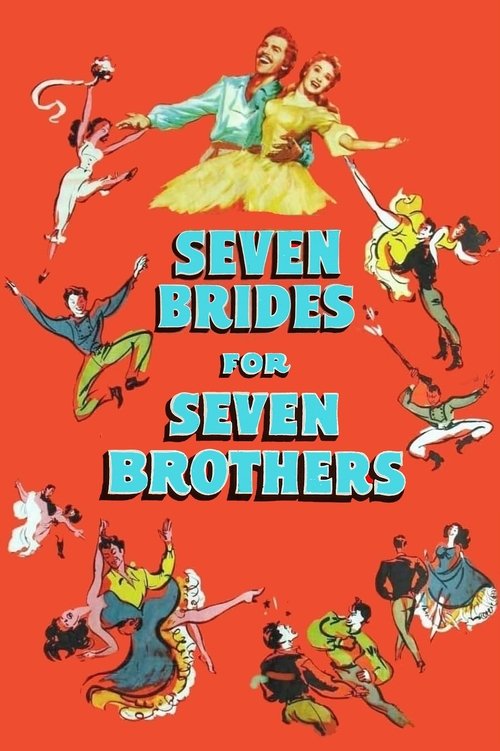
Seven Brides for Seven Brothers1954
The same era's best musical: sharper, funnier, with dance sequences that still feel genuinely inventive. If you want the '50s college romance energy but actually well-made, this is the move.
But It's a Western-set dance-heavy musical, so if you came for romantic comedy you'll get detoured into elaborate barn-raising choreography for twenty minutes.
Singin' in the Rain1952
The gold standard: every element—script, performance, choreography, music—actually works. A genuine argument that musicals can be art. Utterly joyful and impeccably constructed.
But If you find Gene Kelly's charm off-putting or can't bear the theatrical style, this won't convert you. It's uncompromising.

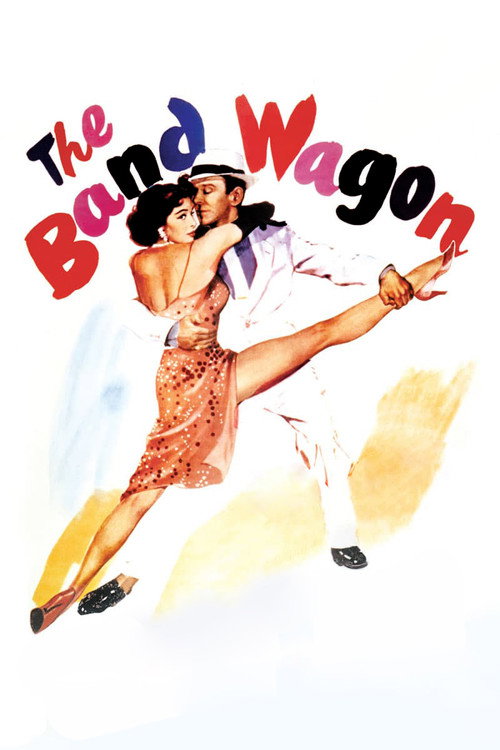
The Band Wagon1953
A musical about making a musical, with Fred Astaire and Cyd Charisse in a film that understands both glamour and comedy. The numbers are magnificent and the script is genuinely clever.
But It's about theatre people and their pretensions, so there's a lot of meta-commentary. If you want a straightforward story, the layers might irritate you.
Not sure tonight? Get a pick in a minute, starting from Good News
The wildcard
Something you would not have found on your own.
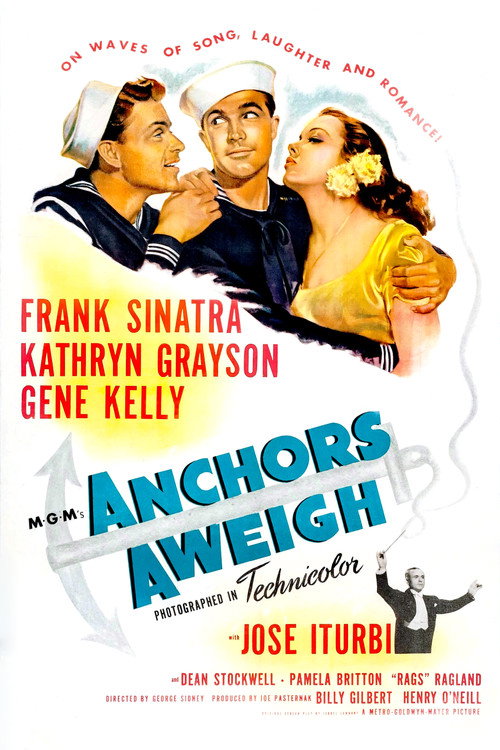
Anchors Aweigh1945
Both are 1940s musicals built on thin romantic setups that exist mainly as scaffolding for song and dance, but Anchors Aweigh actually invents something new with each number rather than just executing the formula.
Gene Kelly and Frank Sinatra as sailors on shore leave in L.A. The musical numbers are astonishing—Kelly dances with an animated mouse, Sinatra sings to a drawn female lead—but underneath is genuine warmth and a real (if slight) story. It's the era's best argument for what musicals could do.
But The animation hasn't aged perfectly, and the plot is negligible. If you need narrative substance, the spectacle might feel hollow. Also runs long.
More like this (8)
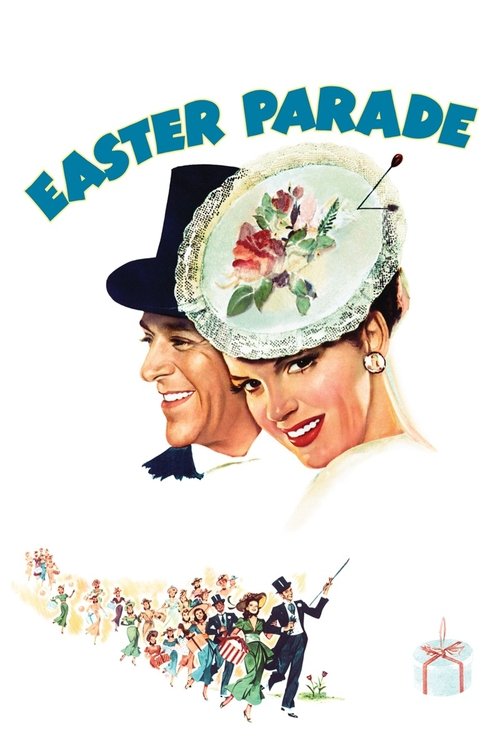
Easter Parade1948
Similar DNA to Good News—Judy Garland and Fred Astaire, colorful, romantic, light—but with better songs and actual chemistry between the leads. A comfort watch that earns it.
But It's very much a product of its time: the gender dynamics are museum pieces, and the plot exists mainly to hang songs on.
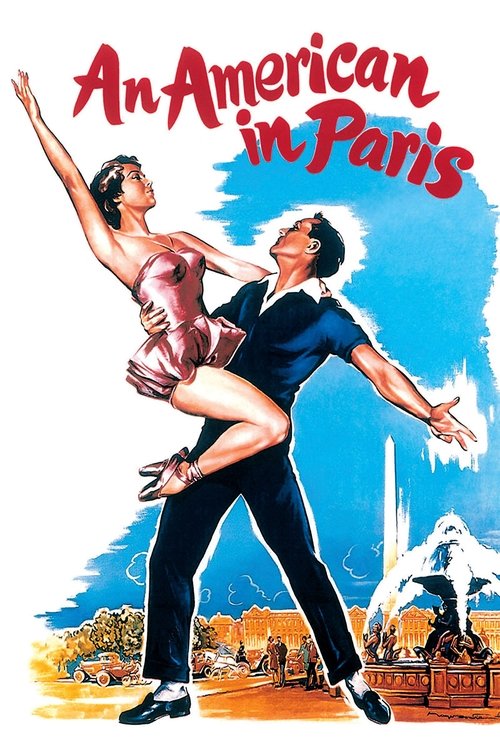
An American in Paris1951
Another Kelly vehicle with genuine style. It's longer and more ambitious than Good News, with a fantastic extended ballet sequence and real romantic tension beneath the surface charm.
But The middle sags, and if you're not invested in the romantic triangle by then, you'll feel it. Also, quite saccharine in places.
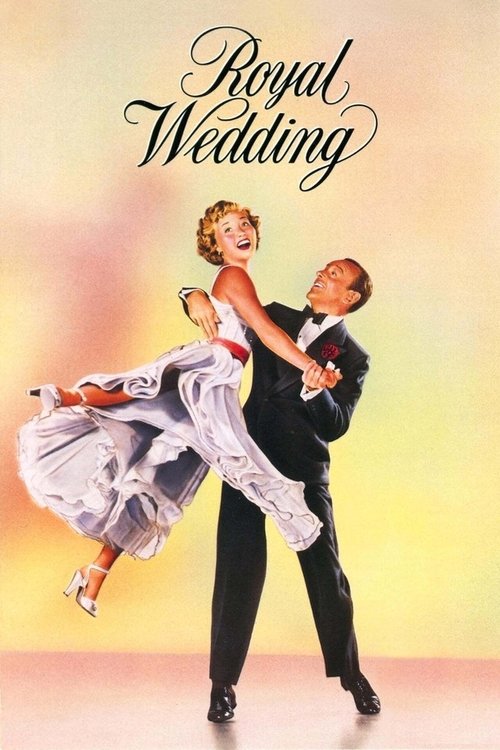
Royal Wedding1951
Fred Astaire and Jane Powell in a frothy romantic musical set in 1947 London. Lighter than most, with dancing that reminds you why Astaire mattered. Genuinely fun.
But It's forgettable in the best and worst sense: thoroughly charming while you watch, utterly gone from your mind by bedtime.
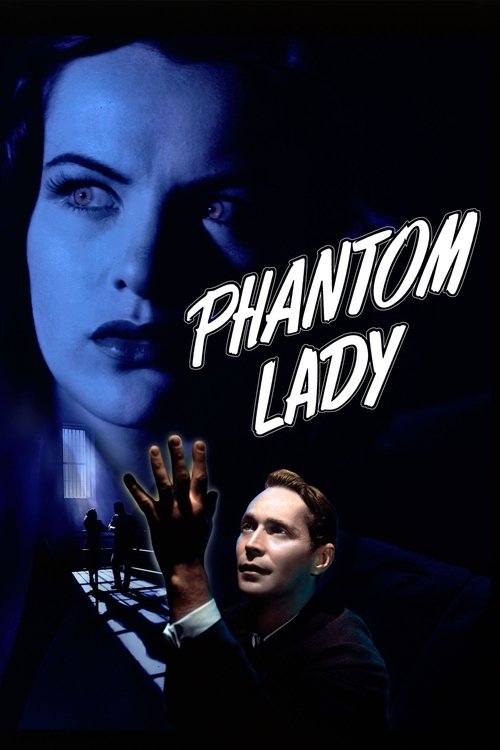
Phantom Lady1944
If you like the swing-era energy and the cast of Good News but want actual suspense, this noir has that period's music and nightlife but a genuinely gripping murder plot underneath.
But It's a dark thriller, not a romance. The tonal shift from Good News territory is dramatic and deliberate—don't expect brightness.
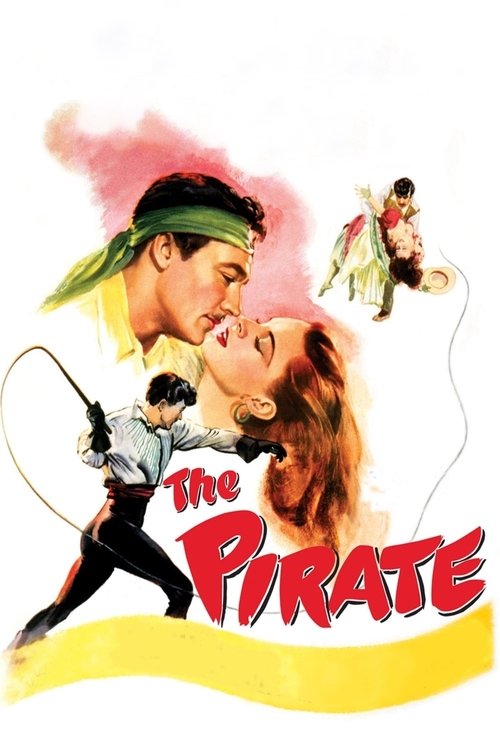
The Pirate1948
Judy Garland in a musical with real weirdness: surreal choreography, dark comedy, Cole Porter songs. It's the same era as Good News but operating in a different universe entirely.
But It's bizarre and uneven, and the tone whips around. Some people find that liberating; others find it exhausting.
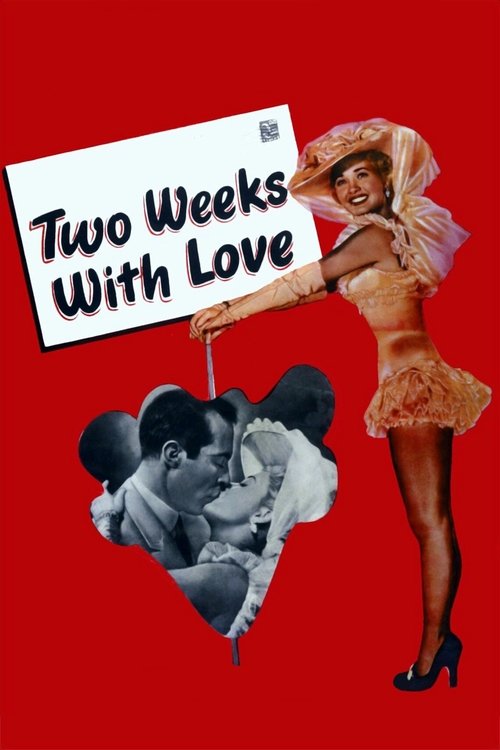
Two Weeks with Love1950
A lighter, sweeter confection than Good News—family-focused, musical, set in an Adirondack resort. If you want that era's comfort-watch energy without overthinking it.
But It's thin even by musical standards. If you need plot substance or character development, you'll be frustrated.
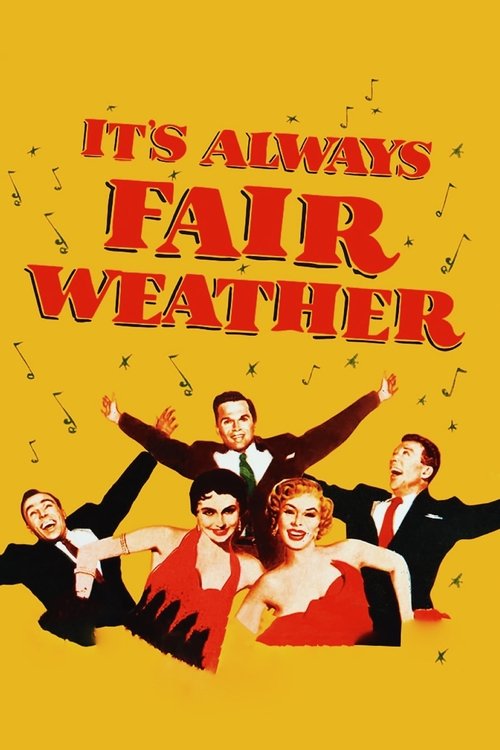
It's Always Fair Weather1955
The mirror image of Good News: same era's style and musicality, but honest about adult disappointment instead of college fantasy. Both use elaborate musical sequences, but one celebrates youth and the other mourns its loss.
Three sailors reunite after WWII and discover their friendship has curdled. It's a musical, but a sad one—about disillusionment, aging, and the way the world moves on while you're looking backward. The dance is breathtaking and the heartbreak is real.
But It's a musical that denies you the easy ending. If you came from Good News wanting that uncomplicated romantic resolution, this will sting. It's also structurally odd in ways that can feel frustrating on first viewing.
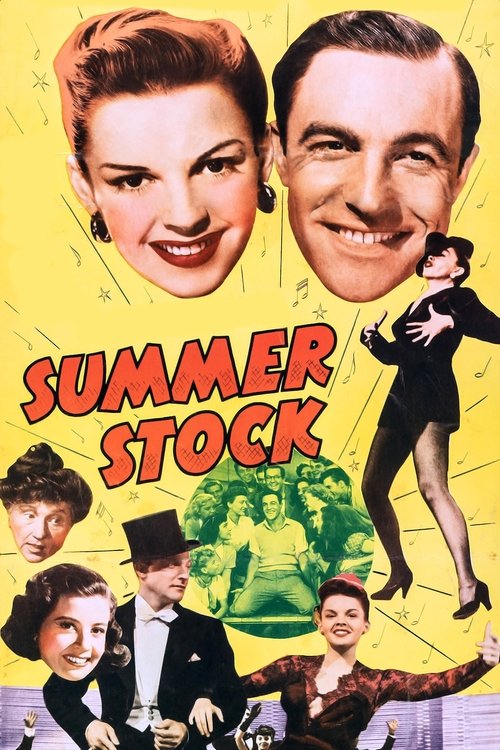
Summer Stock1950
Surface similarities to Good News—cheerful wartime-era musical, putting on a show—but Summer Stock is about the cost of that cheerfulness, about performance as survival. Where Good News asks nothing of its performers, Summer Stock demands everything and watches them give it.
Judy Garland in a film shot during her personal collapse, performing at absolute peak while everything fell apart behind the scenes. It's a musical about putting on a show in a barn, cheerful and energetic, but knowing what you're watching adds unbearable poignancy. Her final number—a dance in a dress made of curtains—is one of cinema's greatest moments.
But The biographical weight is crushing if you know it. You might not want to watch someone you care about perform through that kind of pain. The film itself is pleasant but slight—the meta-text is what matters.
People
Cast
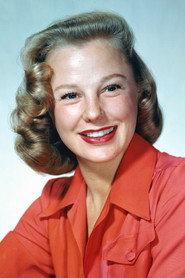 June AllysonConnie Lane
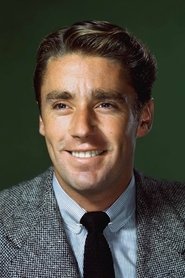 Peter LawfordTommy Marlowe
 Patricia MarshallPat McClellan
 Joan McCrackenBabe Doolittle
 Ray McDonaldBobby Turner
 Mel TorméDanny
- Robert E. StricklandPeter Van Dyne III
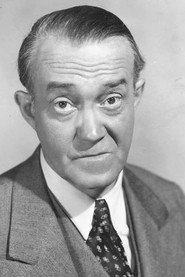 Donald MacBrideCoach Johnson
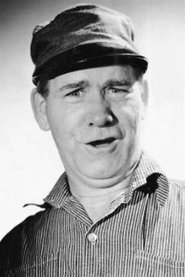 Tom DuganPooch
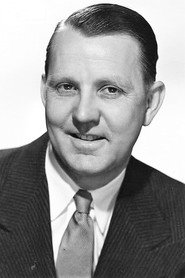 Clinton SundbergProfessor Kennyon
 Loren TindallBeef
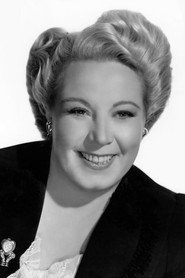 Connie GilchristCora
Directing
- Charles WaltersDirector
- Eylla JacobsScript Supervisor
Writing
- Buddy G. DeSylvaLyricist
- Lew BrownLyricist
- Adolph GreenScreenplay
- Betty ComdenScreenplay
- Buddy G. DeSylvaTheatre Play
- Frank MandelTheatre Play
- Laurence SchwabTheatre Play
- Lew BrownTheatre Play
- Ray HendersonTheatre Play
Production
- Roger EdensAssociate Producer
- Arthur FreedProducer
Recommended by
Two Sisters from Boston, Living in a Big Way, Two Girls and a Sailor, Two Weeks with Love, Babes on Broadway, A Date with Judy