
Film
Summer Stock
- Romance
- Light-hearted
Summer Stock is a breezy 1950 musical where Judy Garland runs a New England farm and falls for the charming theatre director (Gene Kelly) who arrives with his troupe. It's effortlessly fun to watch—bright, energetic, full of song and dance, with chemistry that crackles. A feel-good film for anyone who loves old Hollywood at its most playful and romantic.
Should you watch it?
Watch it if you enjoy backstage musicals where the songs grow out of rehearsals, chores and clumsy amateur energy, with Garland's warmth and Kelly's loose charm carrying the romance.
Skip it if the plot is thin and mostly a loose frame for song and dance, and the 1950 studio gloss can feel dated if you need stakes or a sharper edge.
What it asks of you: It moves briskly through 108 minutes, asking you to accept a light, easygoing romance and to let the songs arrive without much setup or justification.
Not sure? Find tonight's pick in a minute.
If you liked this
Singin' in the Rain1952
Gene Kelly in his absolute prime, dancing with Donald O'Connor and Debbie Reynolds in numbers so inventive they redefine what's possible on film. Pure kinetic joy.
But The plot is genuinely thin—a backstage romance you've seen before. Some find the sentimentality cloying rather than charming.

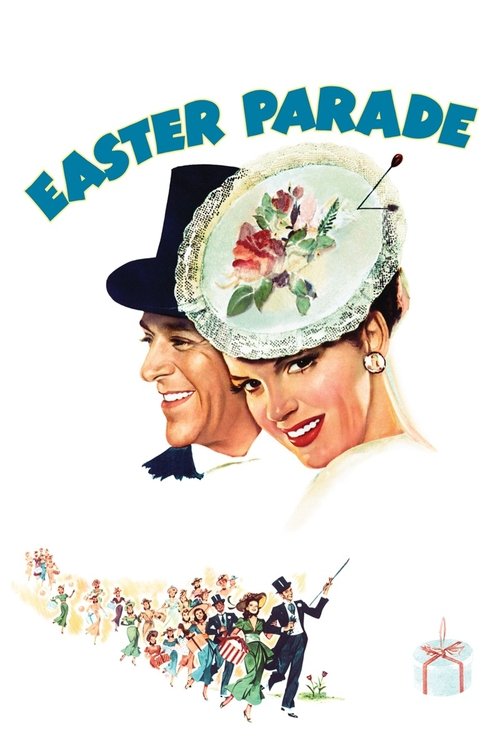
Easter Parade1948
Fred Astaire and Judy Garland together, dancing through New York in spring clothes. Intimate, witty, and the musical numbers feel like they're happening between friends rather than at you.
But Astaire was 49 and it shows in the pacing. If you want dancing that dazzles technically, this moves at a gentler tempo than you might expect.
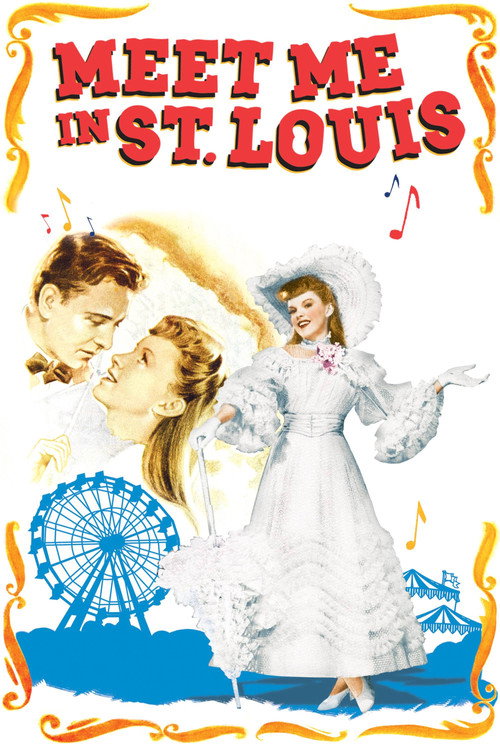
Meet Me in St. Louis1944
Judy Garland in peak form, surrounded by warmth, humor, and gorgeous Technicolor. A film about longing and home that somehow feels both intimate and grand. The whole ensemble sings naturally, not grandly.
But It's structured as a series of vignettes rather than a tight plot. Some find it meandering; others call that authenticity.
Not sure tonight? Get a pick in a minute, starting from Summer Stock
The wildcard
Something you would not have found on your own.
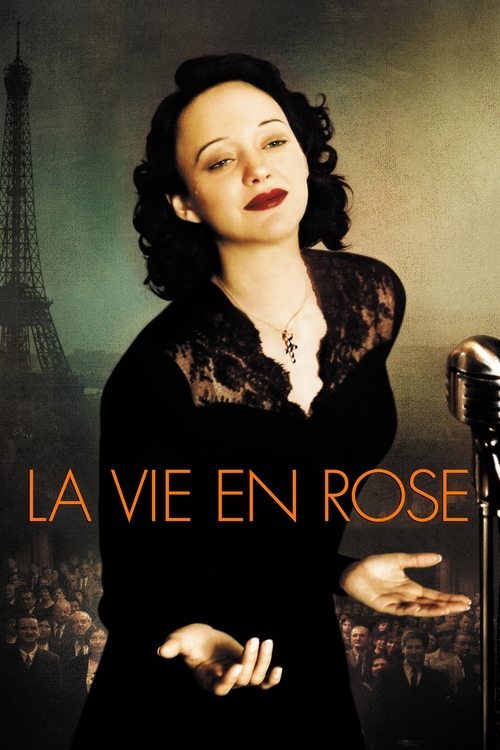
La Vie en Rose2007
Both are about performers utterly committed to their craft. Where Summer Stock shows the romance of making theatre, Piaf shows the cost. They're inverse angles on the same obsession.
Edith Piaf's 1960 concert film captures something that Summer Stock only hints at: a performer so electrifying that you feel her surrender to a song physically. Raw, unsentimentalised, the opposite of artifice.
But It's a concert film, not narrative cinema. There's no plot, only a woman and a microphone. If you need story, this is pure performance.
More like this (6)
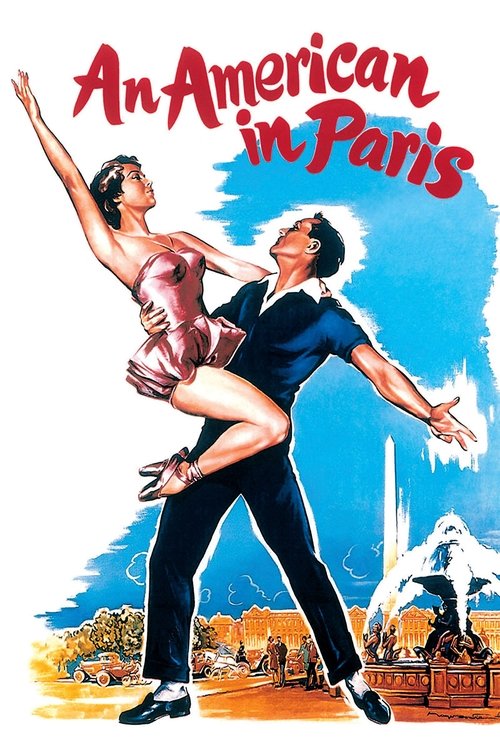
An American in Paris1951
Gene Kelly and Leslie Caron in a love story that's genuinely romantic. The dancing is incredible, but it's the emotional core that stays with you. Every production number earns its place.
But It's ambitious to the point of self-consciousness. The extended ballet finale divides people sharply—transcendent or overlong.
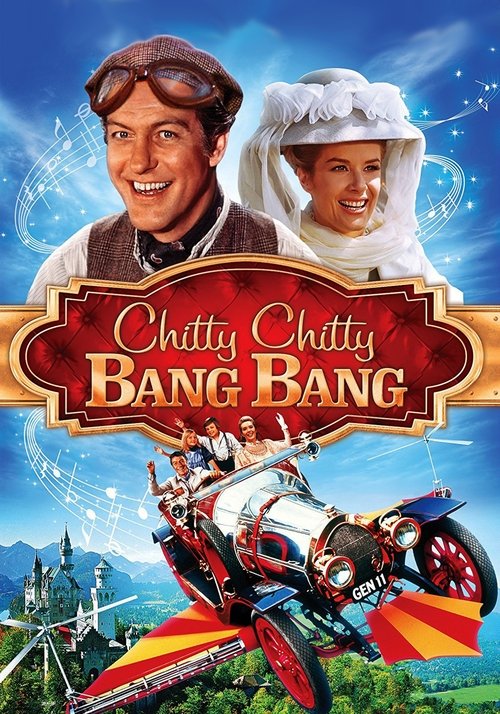
Chitty Chitty Bang Bang1968
Dick Van Dyke bringing the spirit of classic musicals into the late '60s with a flying car and genuinely imaginative production design. It's whimsical without being saccharine, and the songs are memorable.
But The plot wanders. There's a stretch in the middle that feels padded, and some of the whimsy won't land if you're allergic to that particular flavour.
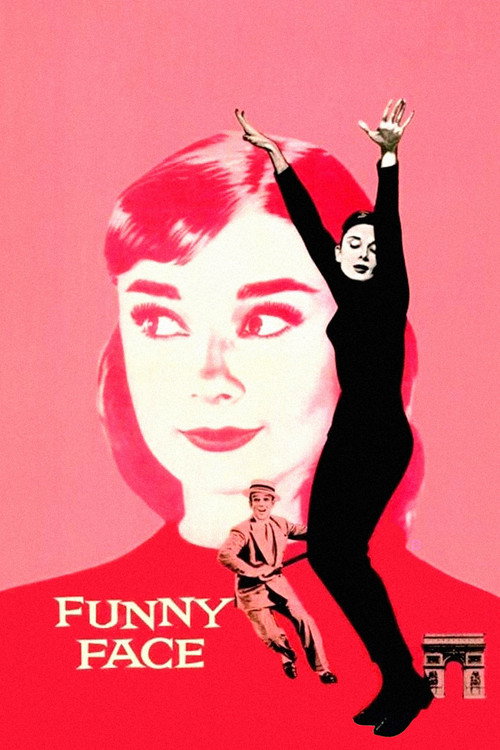
Funny Face1957
Audrey Hepburn and Fred Astaire, Paris, high fashion, and some of the most elegant dance sequences ever filmed. Stylish without trying too hard, funny without desperation.
But The age gap between them registers awkwardly now. The romance is the point, and if that bothers you, there's not enough plot to carry you.
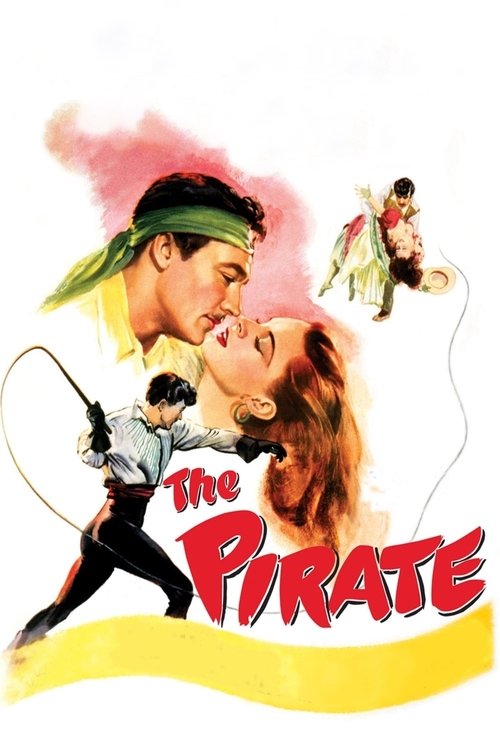
The Pirate1948
Gene Kelly and Judy Garland together, wild and theatrical and full of Cole Porter songs. It's campy and self-aware in a way that feels liberated rather than arch.
But It commits fully to theatricality in a way that can feel exhausting. The tone is deliberately exaggerated; subtlety is not invited.
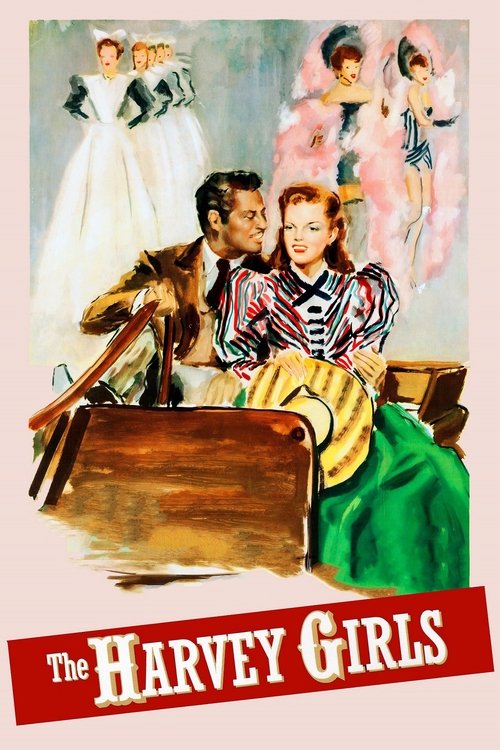
The Harvey Girls1946
Judy Garland with Ray Bolger in the Old West, full of colour and energy. It's lighter fare than some of her other work, and that's rather the point—pure entertainment with good supporting players.
But The narrative is thin and the film shows its age in how it treats its Native American characters. It's a product of 1946 in ways that grate.
The Red Shoes1948
Both centre a female performer at a crossroads, both use dance and music as their primary language, and both are shot in Technicolor. But The Red Shoes is what happens when you stop dancing and ask why.
Powell and Pressburger's masterpiece about a dancer who must choose between art and love. It's visually extraordinary—colour and dance as cinema itself—and it asks the question Summer Stock never quite poses: what if you can't have both?
But It's heavy, expressionistic, and ends in genuine tragedy. The tone is operatic rather than light. If you wanted escape, this is confrontation.

People
Cast
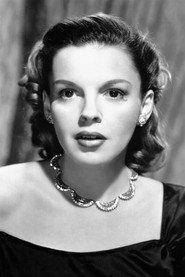 Judy GarlandJane Falbury
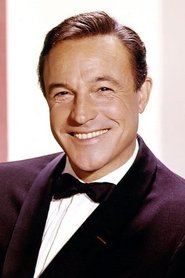 Gene KellyJoe D. Ross
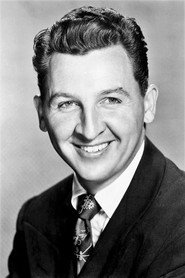 Eddie BrackenOrville Wingait
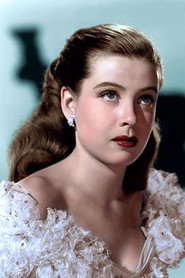 Gloria DeHavenAbigail Falbury
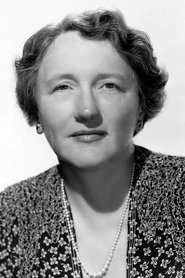 Marjorie MainEsmé
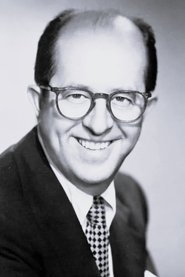 Phil SilversHerb Blake
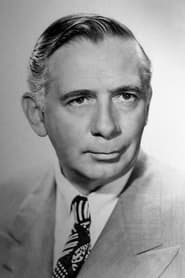 Ray CollinsJasper G. Wingait
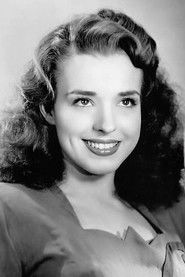 Nita BieberSarah Higgins
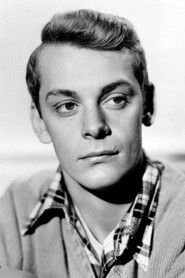 Carleton CarpenterArtie
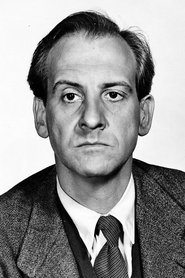 Hans ConriedHarrison I. Keath
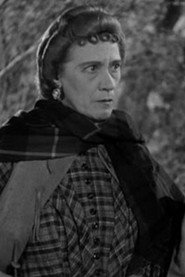 Kathryn SheldonAmy Fliggerton (uncredited)
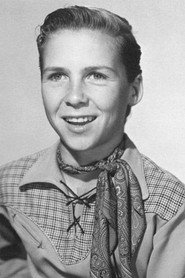 Michael ChapinBoy (uncredited)
Directing
- Joel FreemanAssistant Director
- Leslie H. MartinsonAssistant Director
- Charles WaltersDirector
- Leslie H. MartinsonScript Supervisor
Writing
- Jack BrooksLyricist
- Mack GordonLyricist
- Ted KoehlerLyricist
- George WellsScreenplay
- Sy GombergScreenplay
- Sy GombergStory
Production
- Joe PasternakProducer
Recommended by
The Pirate, The Fleet's In, Hans Christian Andersen, Presenting Lily Mars, Good News, Best Foot Forward, Babes in Arms, Words and Music, Two Tickets to Broadway