
Film
The Fleet's In
- Comedy
- Light-hearted
A 1942 wartime musical comedy about a shy sailor whose reputation precedes him after a photo with a starlet goes viral—by 1940s standards. Bright, fleet-footed, and bursting with Betty Hutton's electric energy, it's a palate cleanser designed to lift spirits on the home front. For anyone curious about how Hollywood spent the war years making Americans smile.
Should you watch it?
Watch it if you love wartime musicals that run on brisk wisecracks, big bouncy song numbers and the giddy comedy of sailors on shore leave.
Skip it if you want modern pacing or a story with real stakes; it is light, chatty and happy to stay on the surface for its ninety-three minutes.
What it asks of you: Ninety-three minutes of breezy, talky scenes broken up by musical numbers, with little to hold onto beyond the fun of the moment.
Not sure? Find tonight's pick in a minute.
If you liked this
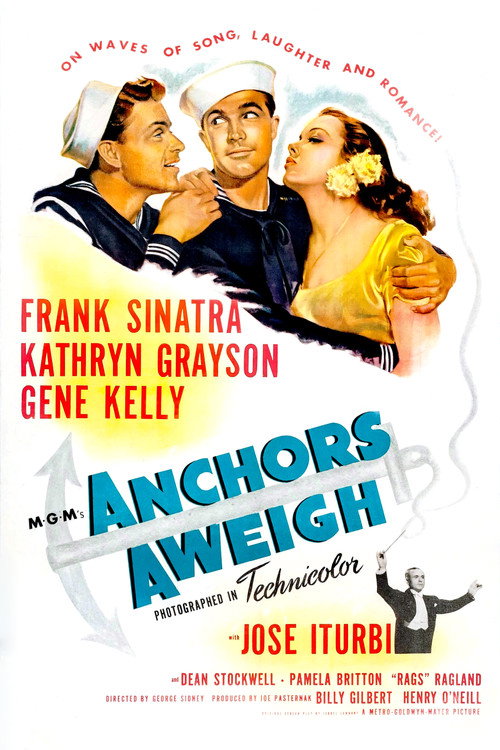
Anchors Aweigh1945
Gene Kelly and Frank Sinatra anchor another wartime naval musical with lavish production values, better songs, and Kelly's jaw-dropping dance sequences. The chemistry between leads is genuinely warm.
But It runs nearly two and a half hours, and the plot is thinner than the naval uniforms. Some of the comedy has aged poorly.
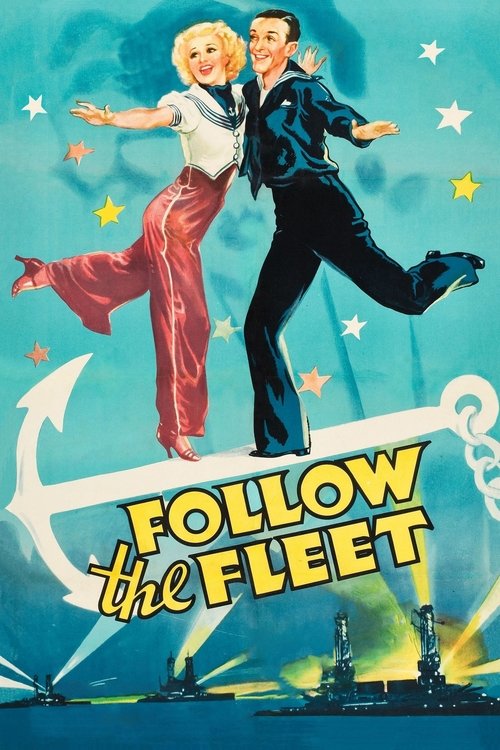
Follow the Fleet1936
Fred Astaire and Ginger Rogers as sailors on shore leave, with a romantic tangle that echoes *The Fleet's In* but with infinitely superior dancing. The Rio Rita number alone justifies your time.
But The pacing drags in places, and the second half loses momentum. Some viewers find the romance formula repetitive.
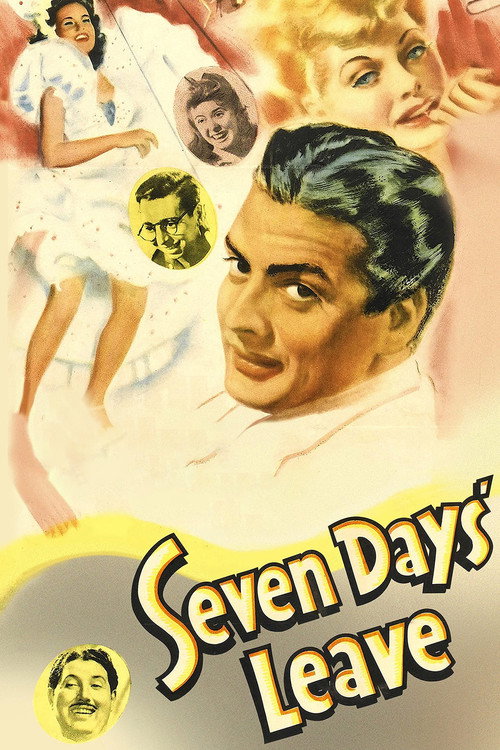
Seven Days' Leave1942
Released the same year, another military-furlough comedy with the same warm, slight charm. Victor Mature and Lucille Ball have easy rapport, and it captures the anxious fun of wartime romance perfectly.
But The plotting is gossamer-thin. It's very much a product of its moment and doesn't travel well outside it.
Not sure tonight? Get a pick in a minute, starting from The Fleet's In
The wildcard
Something you would not have found on your own.
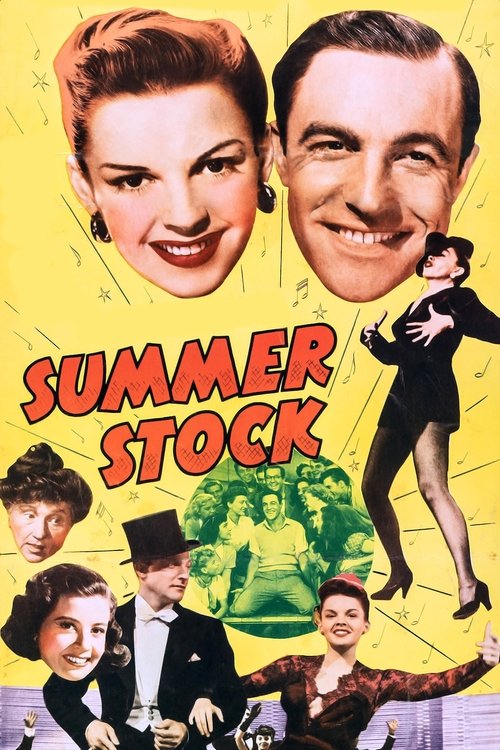
Summer Stock1950
Both use the same narrative engine—a romantic misunderstanding resolved through performance and spectacle—but *Summer Stock* strips away the military setting and wartime urgency to focus on the pure pleasure of showing off.
Judy Garland and Gene Kelly in a small-town musical about putting on a show—lighter, more intimate than the wartime spectacles, with a famous number where Kelly dances with a newspaper. It's joyful and unguarded.
But It was Garland's last film under contract, and you can sense the machinery of Hollywood grinding. The ending is abrupt and unsatisfying.
More like this (8)
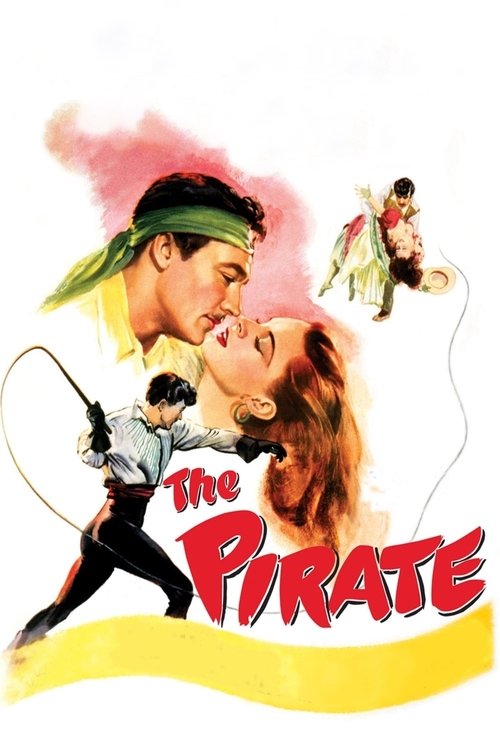
The Pirate1948
Gene Kelly and Judy Garland in a wild, theatrical musical-comedy about mistaken identity and swashbuckling. The energy and ambition are electrifying, and Kelly's physical comedy is virtuosic.
But It's deliberately arch and theatrical—some find it exhausting rather than charming. The plot is deliberately absurd.
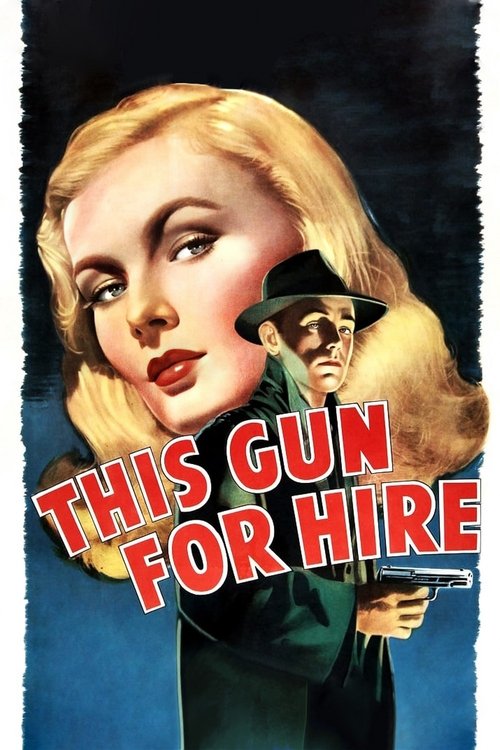
This Gun for Hire1942
Alan Ladd's breakout role as a dangerous hitman opposite Veronica Lake, with Ladd's cool menace and Lake's intelligence creating real chemistry. It's noir with muscle.
But The pacing is deliberate and sometimes plodding. Viewers expecting action will find stretches of talk and mood-building instead.
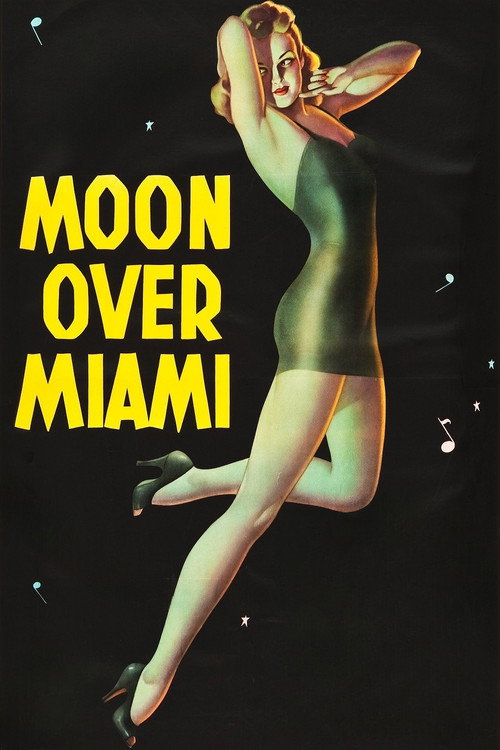
Moon Over Miami1941
Betty Grable, Don Ameche, and Robert Cummings in a colorful Technicolor romp about three women on holiday hunting for rich husbands. It's glossy, silly, and utterly of its moment.
But The entire premise is dependent on gold-digging as comedy. It hasn't aged gracefully, and the stereotypes grate.
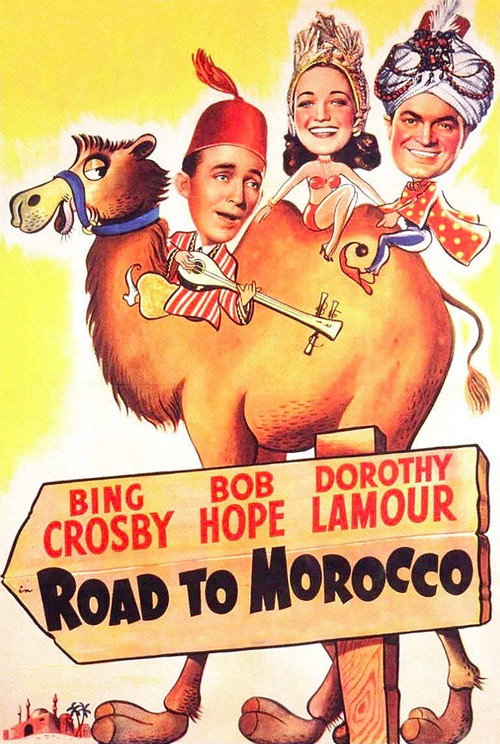
Road to Morocco1942
Bing Crosby and Bob Hope in their third Road picture—anarchic, funny, and full of meta-humor that was genuinely ahead of its time. Dorothy Lamour is radiant, and the riffing is sharp.
But The humor is largely ad-libbed and conversational, which means it can feel slight if you're not in the mood. The North African setting is orientalist by modern standards.
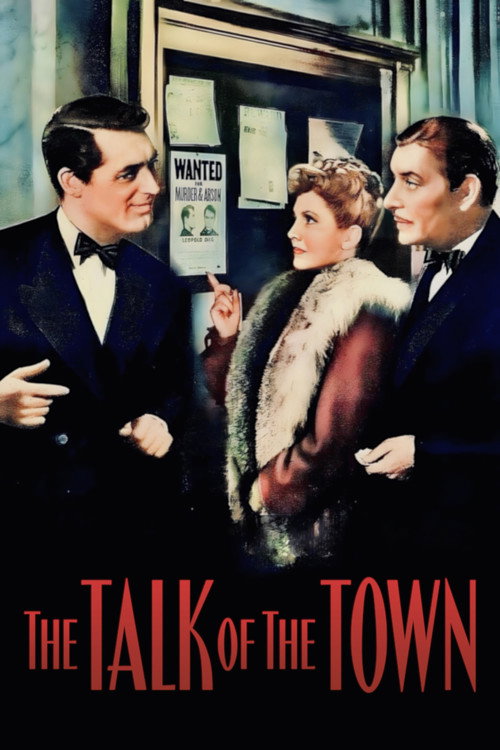
The Talk of the Town1942
Cary Grant, Jean Arthur, and Ronald Colman in a witty romantic triangle about a fugitive, a Supreme Court nominee, and the woman caught between them. The dialogue crackles.
But It wants to be both comedy and social commentary and doesn't quite land either. Some will find it tonally confused.
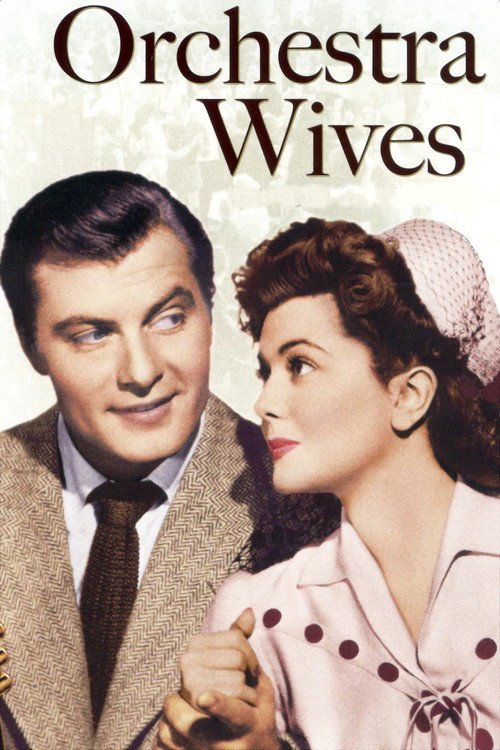
Orchestra Wives1942
Glenn Miller and his orchestra lead a backstage musical romance with excellent musicianship and the famous "Chattanooga Choo Choo" number. It's a time capsule of swing-era glamour.
But The plot is negligible even by 1942 standards. If you're not there for the orchestra, there's very little to hold you.
Singin' in the Rain1952
Where *The Fleet's In* is a wartime pep talk wrapped in music, *Singin' in the Rain* is the full flower of that tradition—the same belief that entertainment can transform reality, but with the confidence of a generation that survived the war and won.
Gene Kelly, Donald O'Connor, and Debbie Reynolds in the apotheosis of the Hollywood musical: a film about making films that is itself so inventive it rewrites what's possible. Every frame is joyful expertise.
But It's perfect, which means it can feel intimidating or distant. Some viewers find the relentless cheerfulness cloying.

The Red Shoes1948
Both use music and dance as the language of emotion and desire, but *The Red Shoes* is what happens when you point that same machinery at something true: the cost of beauty, the cruelty of ambition, the way performance can devour the performer.
Michael Powell and Emeric Pressburger's Technicolor ballet film about artistic obsession and romance. It's visually sumptuous, psychologically complex, and uses dance as narrative language in ways that feel genuinely experimental.
But It's heavy, fatalistic, and morally ambiguous. If you want a feel-good wartime musical, this will feel like a rebuke. The ending is devastating.

People
Cast
 Dorothy LamourThe Countess
 William HoldenCasey Kirby
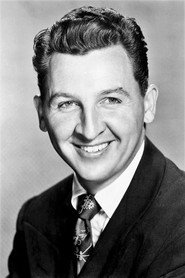 Eddie BrackenBarney Waters
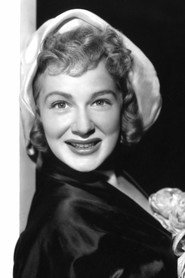 Betty HuttonBessie Dale
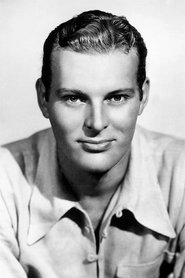 Leif EricksonJake
 Betty Jane RhodesDiana Golden
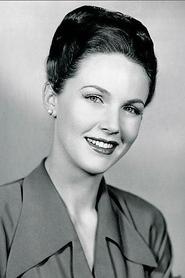 Barbara BrittonEileen Wright
 Cass DaleyCissie
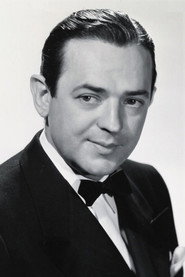 Jimmy DorseyJimmy Dorsey Orchestra Leader
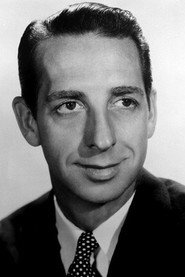 Gil LambSpike
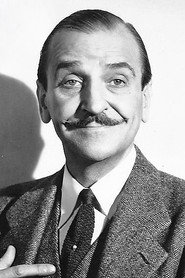 Jack NortonKellogg
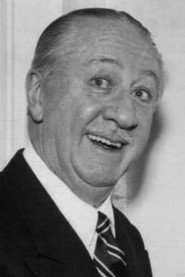 Roy AtwellArthur Sidney
Directing
- Hal WalkerAssistant Director
- Victor SchertzingerDirector
Writing
- Ralph SpenceScreenplay
- Sid SilversScreenplay
- Walter DeLeonScreenplay
- J. Walter RubenStory
- Monte BriceStory
- Charles RobinsonTheatre Play
- Kenyon NicholsonTheatre Play
Production
- Paul JonesAssociate Producer